What an Underground Mining Conveyor Belt Is
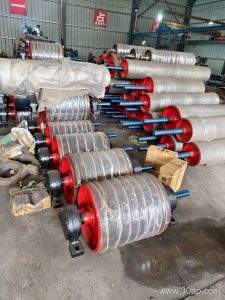
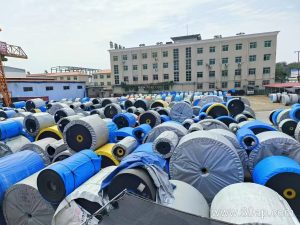
An underground mining conveyor belt is the load-carrying element of a continuous haulage system installed in tunnels, shafts, and inclined drifts. It moves coal, ore, and waste rock from the working face to the surface or to a transfer point. Unlike surface installations, the underground version must fit constrained galleries, resist damp and dusty air, and often meet flame-retardant requirements. The belt works together with idler rollers, conveyor pulleys, and conveyor brackets to form a complete conveying line.
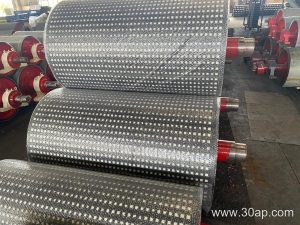
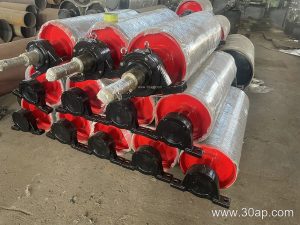
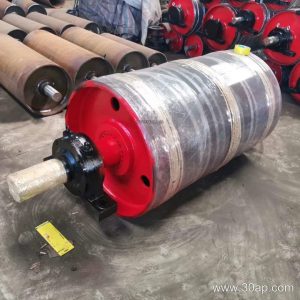
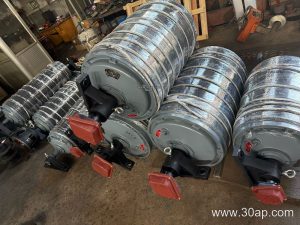
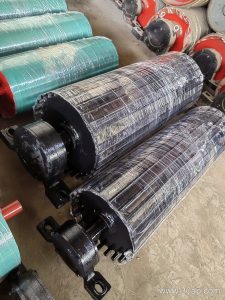
Buyers often search for this product as an underground conveyor belt or a coal mining conveyor belt. These are accurate equivalent names for the same family of heavy-duty rubber belts designed for subterranean service. The drive pulley, tail pulley, and bend pulley each perform a distinct function and are not interchangeable; the belt specification must suit the pulley arrangement rather than the other way around.
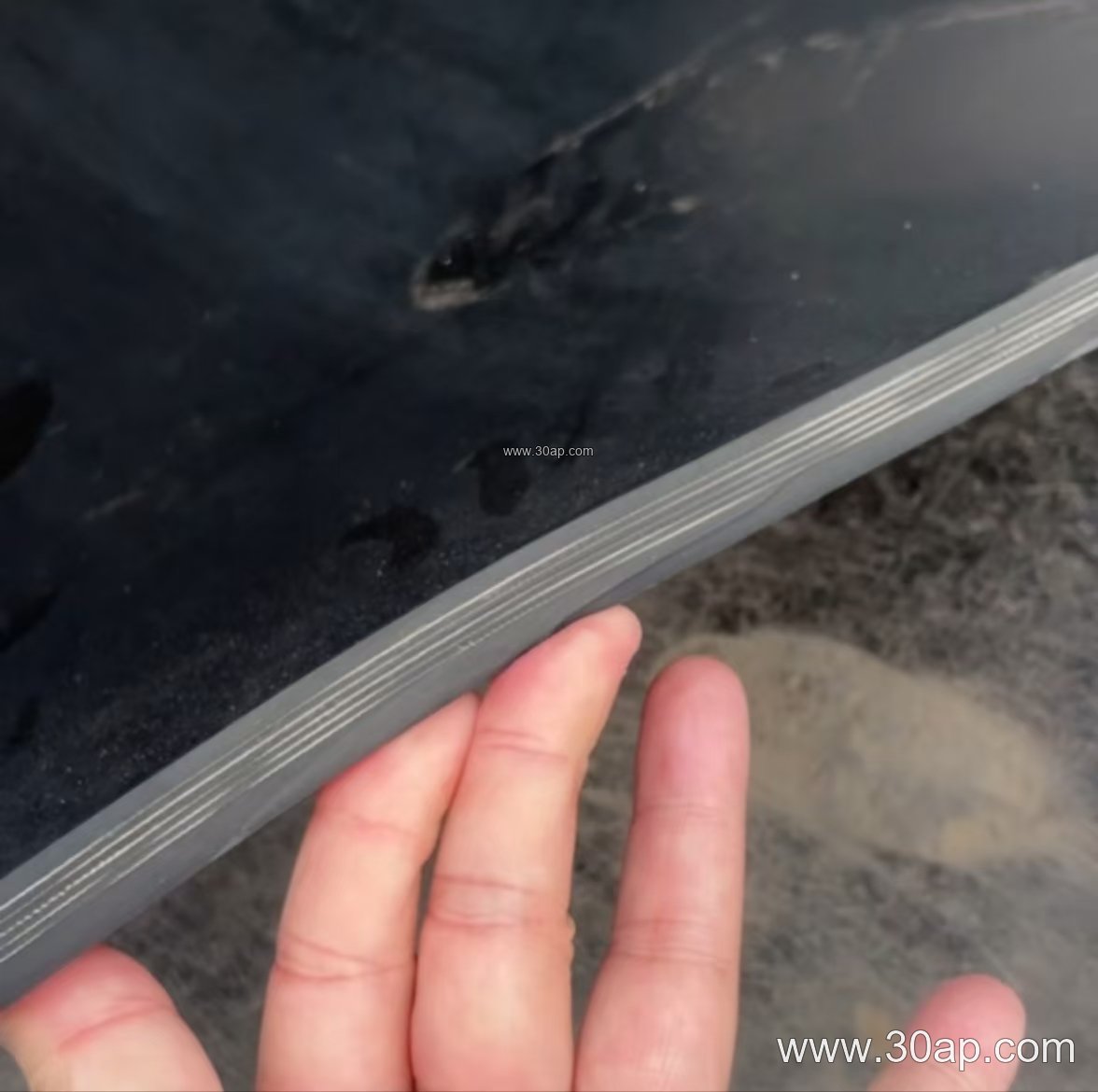
Construction and Common Material Types
The carcass provides tensile strength, while the rubber covers protect against abrasion, moisture, and impact. Fabric-core constructions include EP conveyor belt (polyester-cotton) and NN conveyor belt (nylon-nylon), both widely used in underground haulage. A multi-ply fabric core conveyor belt distributes load across several layers, which helps absorb shock at transfer points. For higher tension and long inclines, a steel cord conveyor belt may be specified.
Flame retardant conveyor belt and anti-static conveyor belt grades are frequently requested for coal mines, because static discharge and frictional heat are safety concerns. A PVG conveyor belt, with a polyvinyl chloride cover on a fabric core, is another option in underground coal mining conveyor belt applications. Abrasion resistant conveyor belt covers extend service life where rock is sharp and wet.
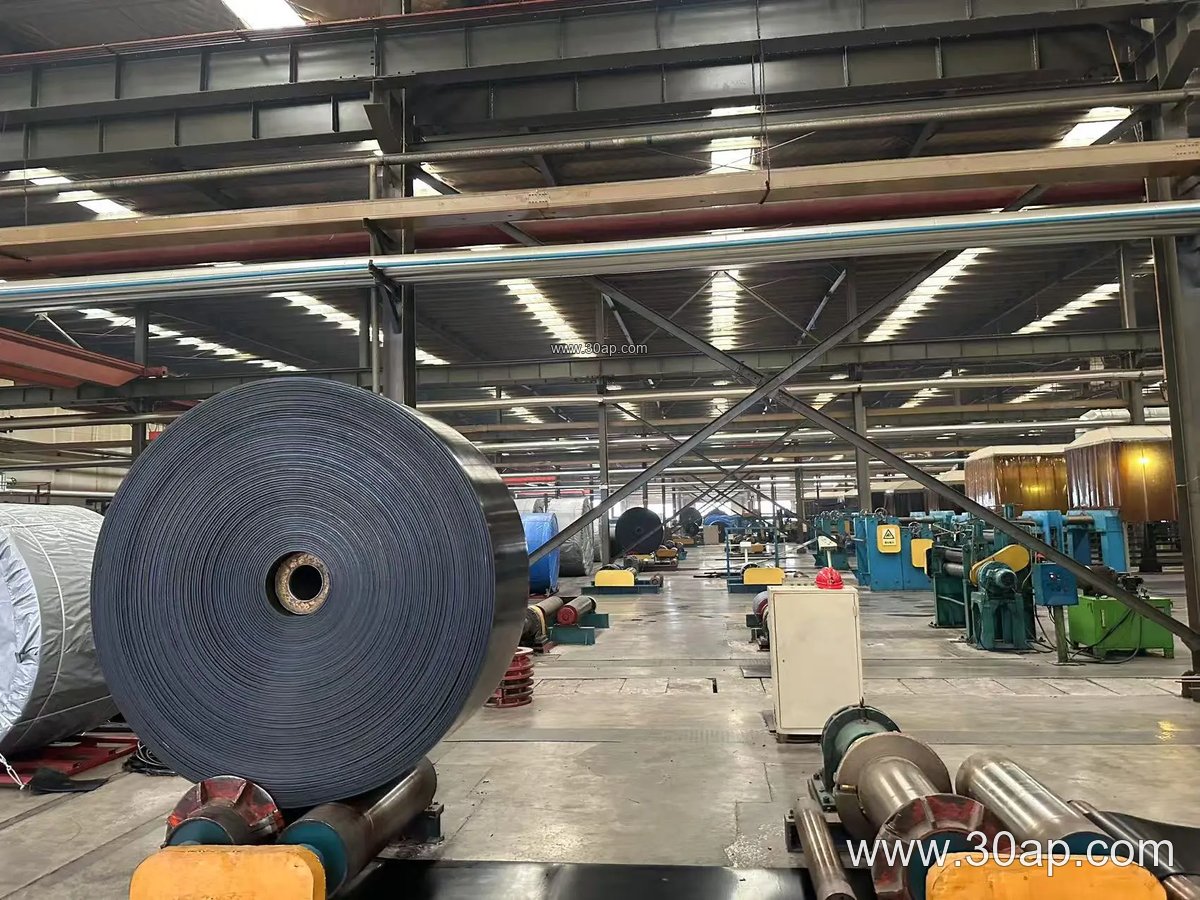
Typical Specifications
The following values are common references, not universal rules. Actual belt width, strength, and cover thickness are determined by the conveyor design, the material handled, and the installation profile.
| Parameter | Common Reference Range |
|---|---|
| Belt width | B500, B650, B800, B1000, B1200, B1400, B1600, B1800, B2000 |
| Fabric strength grades | EP200, EP315, EP400, EP500, EP630, EP800, EP1000, EP1250, EP1600, EP2000 |
| Cover thickness (top + bottom) | 3+1.5, 4+2, 5+2, 6+2, 8+3 mm |
| Fabric plies | Usually 2 to 6 layers |
A wider belt does not automatically dictate a particular pulley diameter; the drive, tail, and bend pulleys are sized from belt tension, wrap angle, and shaft load. Similarly, shaft diameter is a function of the pulley design, not the belt width alone.
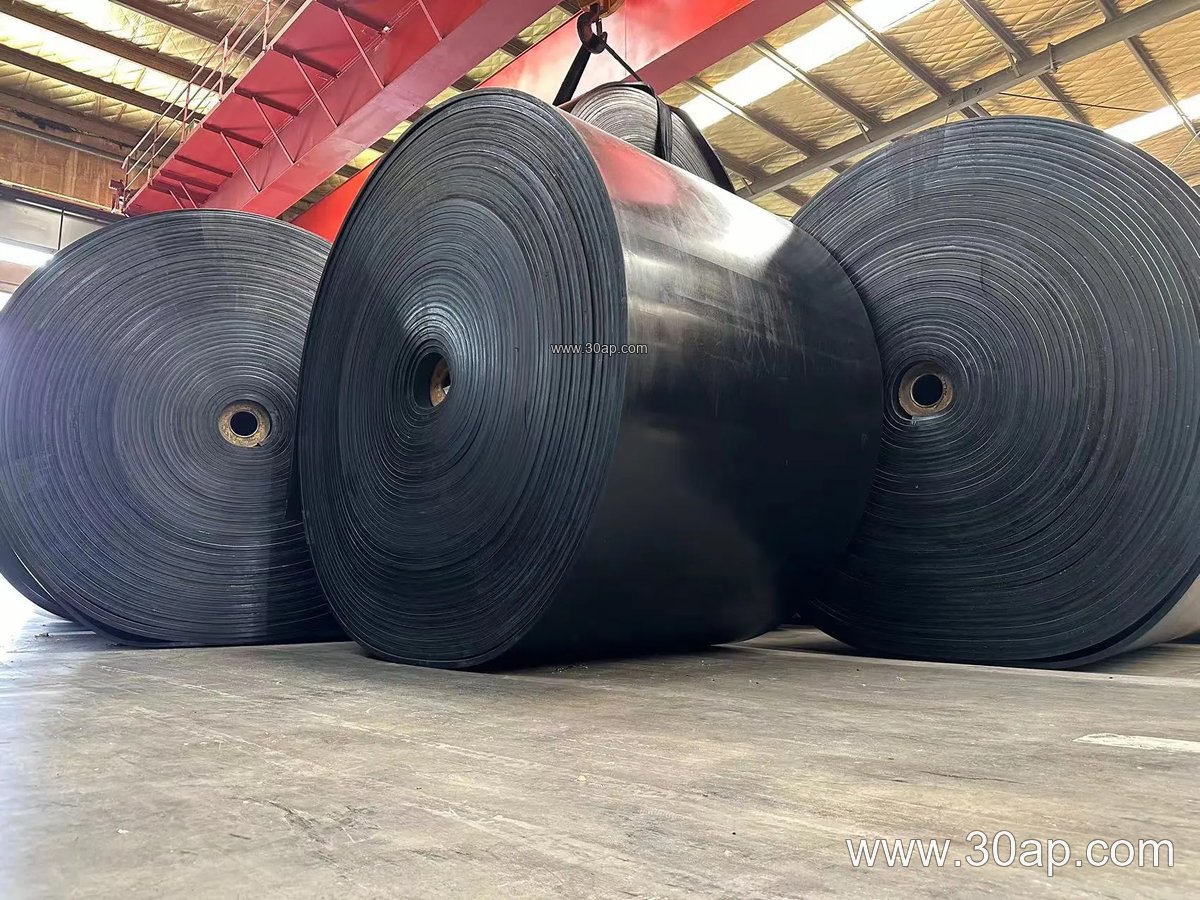
Where It Is Used
Underground mining conveyor belts serve coal mines, metal mines, and industrial mineral operations. In a coal mining conveyor belt system, flame resistance and anti-static properties are usually priorities. In iron ore or copper ore mines, abrasion resistant conveyor belt covers handle sharp, dense material. The same belt family also appears in tunnel excavation, cement plant raw-material handling, and power plant fuel systems where underground or enclosed conveying is required.
Supporting equipment matters as much as the belt. Idler rollers should run freely and align with the belt path; a worn conveyor pulley can damage the carcass; conveyor brackets must hold the structure rigid on uneven ground. In stone crushing plants and sand making plants, a crusher conveyor belt may be specified with impact-resistant covers at the loading zone.
Buyer Checklist
- Confirm the material type, lump size, moisture, and temperature range before choosing covers.
- State the required flame retardant and anti-static performance for underground coal service.
- Match belt strength grade to the calculated tension, not to a rule of thumb.
- Check pulley diameters, shaft sizes, and take-up travel with the conveyor designer.
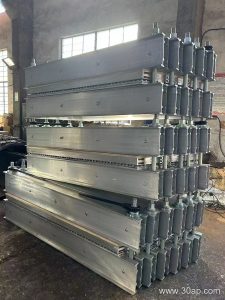
- Plan splicing: an endless conveyor belt reduces joint failures in fixed installations.
- Review storage and handling to avoid carcass damage before installation.
For more information on matching belts with idler roller, conveyor pulley, and bracket assemblies, visit www.example.com/underground-mining-conveyor-belt or www.example.com/conveyor-pulley. A correctly specified underground mining conveyor belt, supported by well-maintained rollers and pulleys, keeps haulage reliable in demanding mine conditions.