What a High-Strength Pulley Does on a Conveying Line
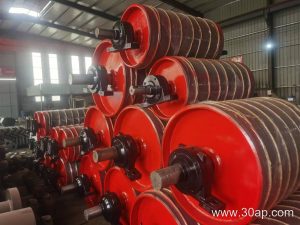
A high-strength pulley is the drum that transfers motion and tension to the belt on demanding conveying systems. It is not simply a larger version of a standard drum: the shell, shaft, hubs and locking arrangement are chosen to carry higher torque and radial load without losing concentricity. In a quarry, a limestone mine or a cement plant, the same component may sit at the head of a long incline one day and act as a tension drum on a take-up the next, so the duty point matters as much as the dimensions.
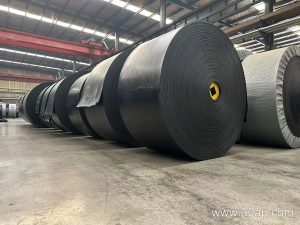
Because the drum works together with the conveyor belt, its surface and diameter influence belt tracking, splice life and start-up behaviour. A correctly matched high-strength pulley helps keep a heavy-duty conveyor stable when the belt is fully loaded.
How the Drum Is Built
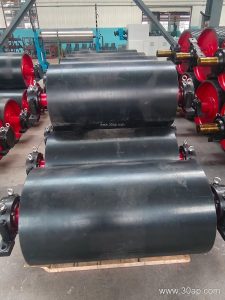
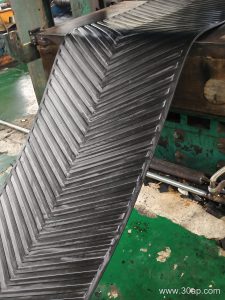
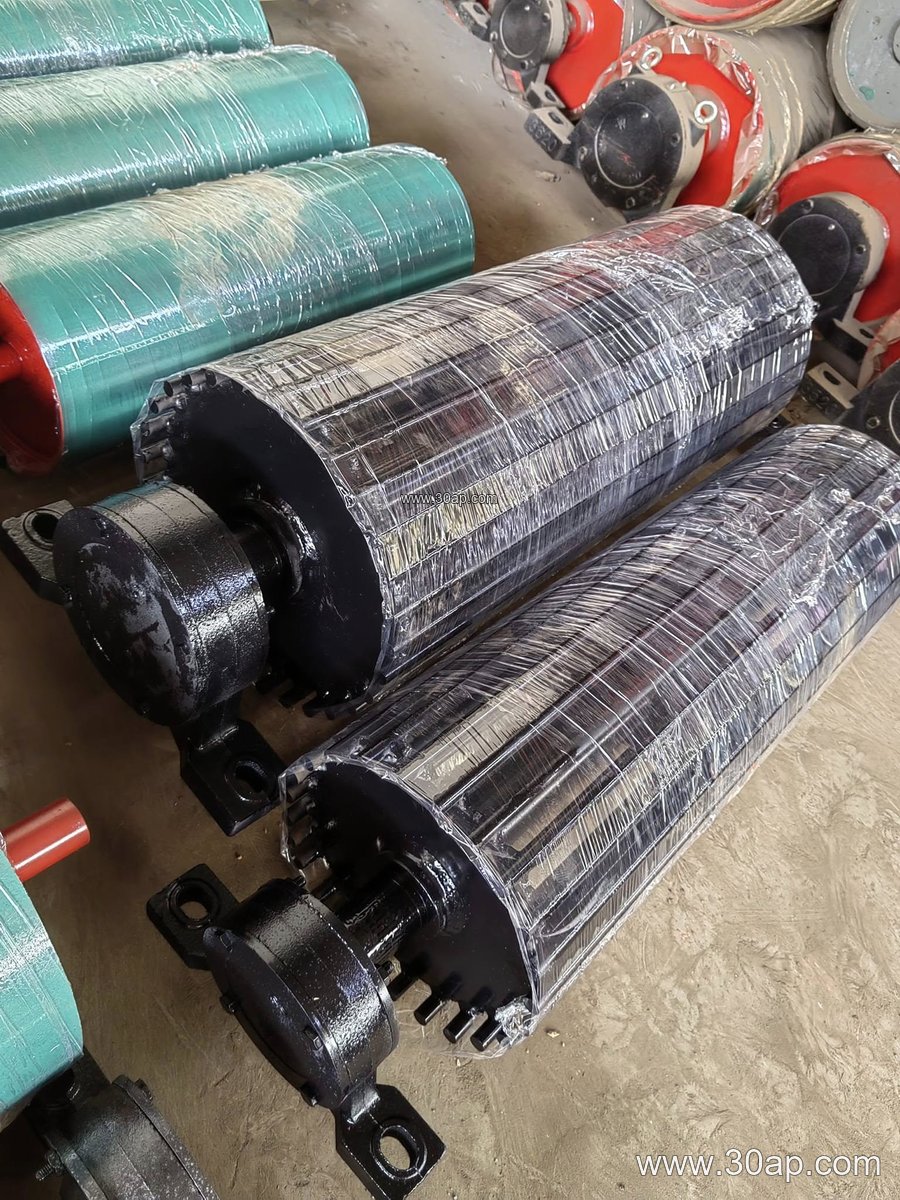
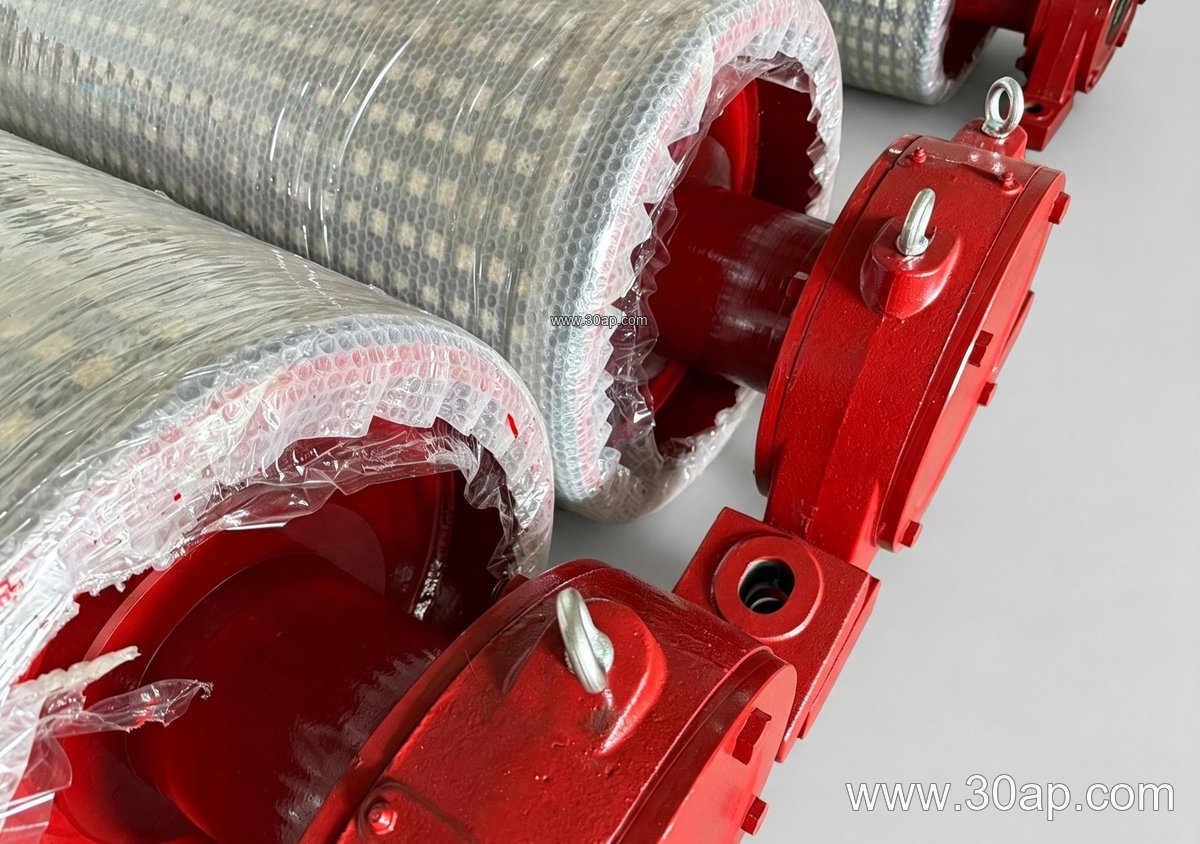
Construction usually starts with a rolled steel shell, machined to reduce runout, then welded to end discs and hubs. The shaft is turned and keyed or shrink-fitted, and bearing housings are aligned to the shaft centreline. For abrasive or wet conditions, the shell may receive rubber lagging applied by hot vulcanising, cold bonding or casting, with plain, diamond or herringbone patterns. Ceramic lagging is another option where slip control is critical.
Typical surface forms include smooth, cast rubber, cold-bonded rubber, hot-vulcanised rubber, diamond lagging, herringbone lagging, ceramic lagging and plain rubber sheet. Lagging thickness commonly ranges from 8 mm to 20 mm, with 10 mm and 12 mm often used on medium-duty drums and thicker covers on high-traction head positions. These are reference values, not fixed rules for every project.
Matching Belt Width and Drum Diameter
Belt width and pulley diameter are related through belt tension, wrap angle and the allowable bending stress in the carcass, but they are not a one-to-one pairing. A B800 belt may run on a Ø500 drum in one layout and a Ø630 drum in another, depending on load and belt construction. Common combinations such as B800 × Ø500, B1200 × Ø1000 and B1400 × Ø800 appear in catalogues because they suit many standard drives, yet each project still needs its own check.
The table below gives indicative shell widths and diameter ranges for orientation only. Final values follow the conveyor design.
| Belt width | Typical shell width | Diameter range to consider |
|---|---|---|
| B400 | approx. 500 mm | Ø200 to Ø400 |
| B650 | approx. 750 mm | Ø250 to Ø500 |
| B800 | approx. 950 mm | Ø315 to Ø630 |
| B1000 | approx. 1150 mm | Ø400 to Ø800 |
| B1200 | approx. 1400 mm | Ø500 to Ø1000 |
| B1400 | approx. 1600 mm | Ø630 to Ø1250 |
| B1600 | approx. 1800 mm | Ø800 to Ø1400 |
| B1800 | approx. 2000 mm | Ø1000 to Ø1600 |
Shaft diameter is determined by torque and bearing load, not by belt width alone. Common shaft sizes include Ø80, Ø100, Ø120, Ø140, Ø160 and Ø200, but a wide belt on a lightly loaded tail position may use a smaller shaft than a narrow belt on a heavily loaded drive.
Where High-Strength Pulleys Are Used
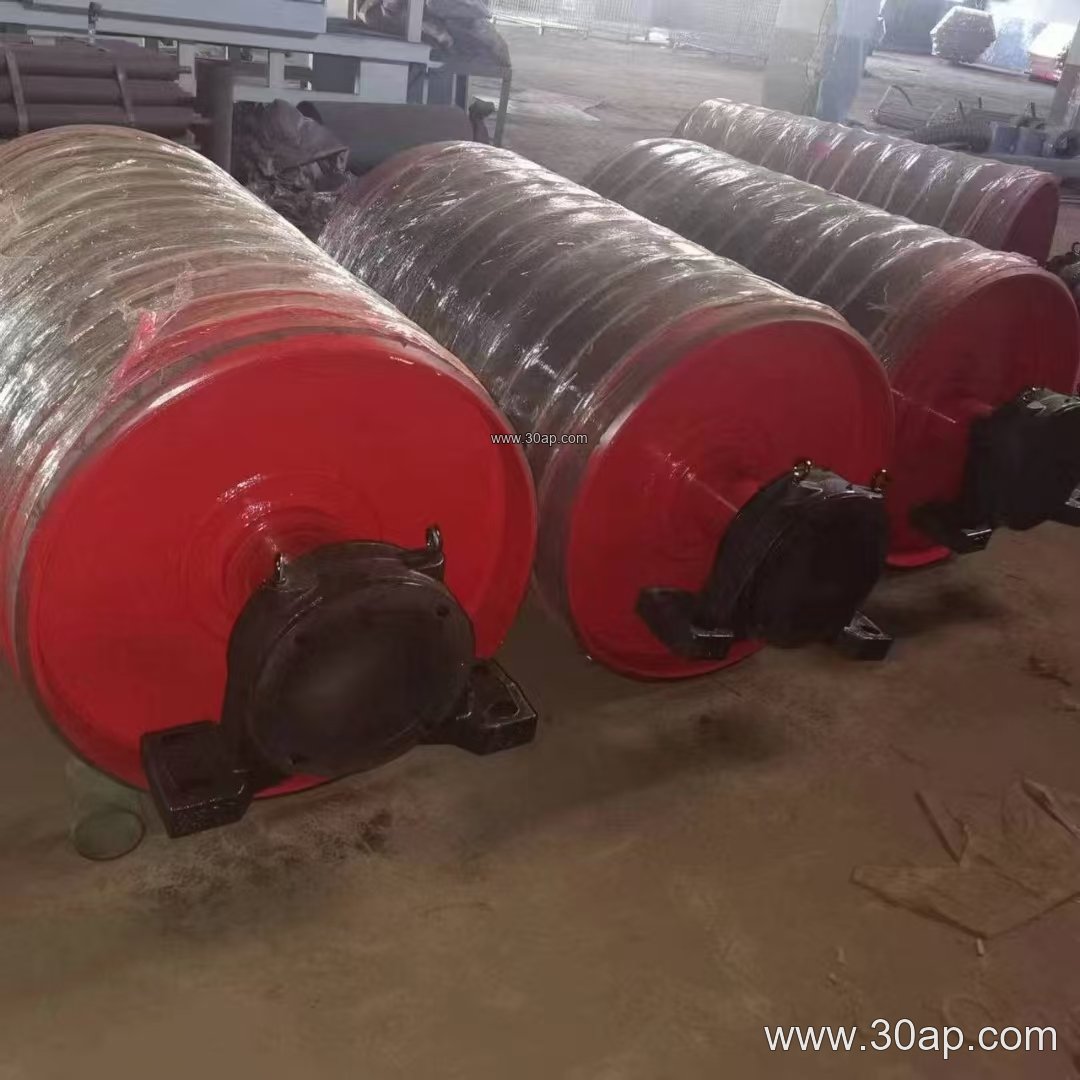
These drums are common in iron ore and copper ore handling, coal preparation plants, power station coal yards, clinker lines and aggregate crushing circuits. In a tunnel spoil system or a port bulk terminal, they may be specified for continuous duty with frequent starts. They also appear in steel plants and fertiliser plants where the belt carries dense or sharp material.
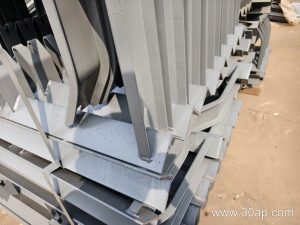
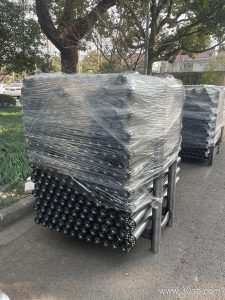
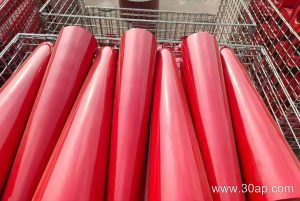
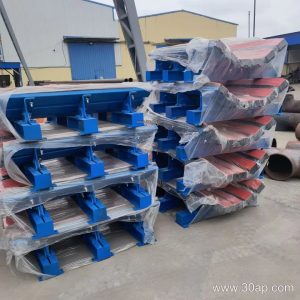
On such lines, the pulley works alongside the idler roller set and the conveyor bracket that holds the frame. A high-strength pulley is often paired with a steel cord conveyor belt or a heavy-duty fabric belt, and the drum must suit the belt’s tensile grade and edge condition.
Position Matters
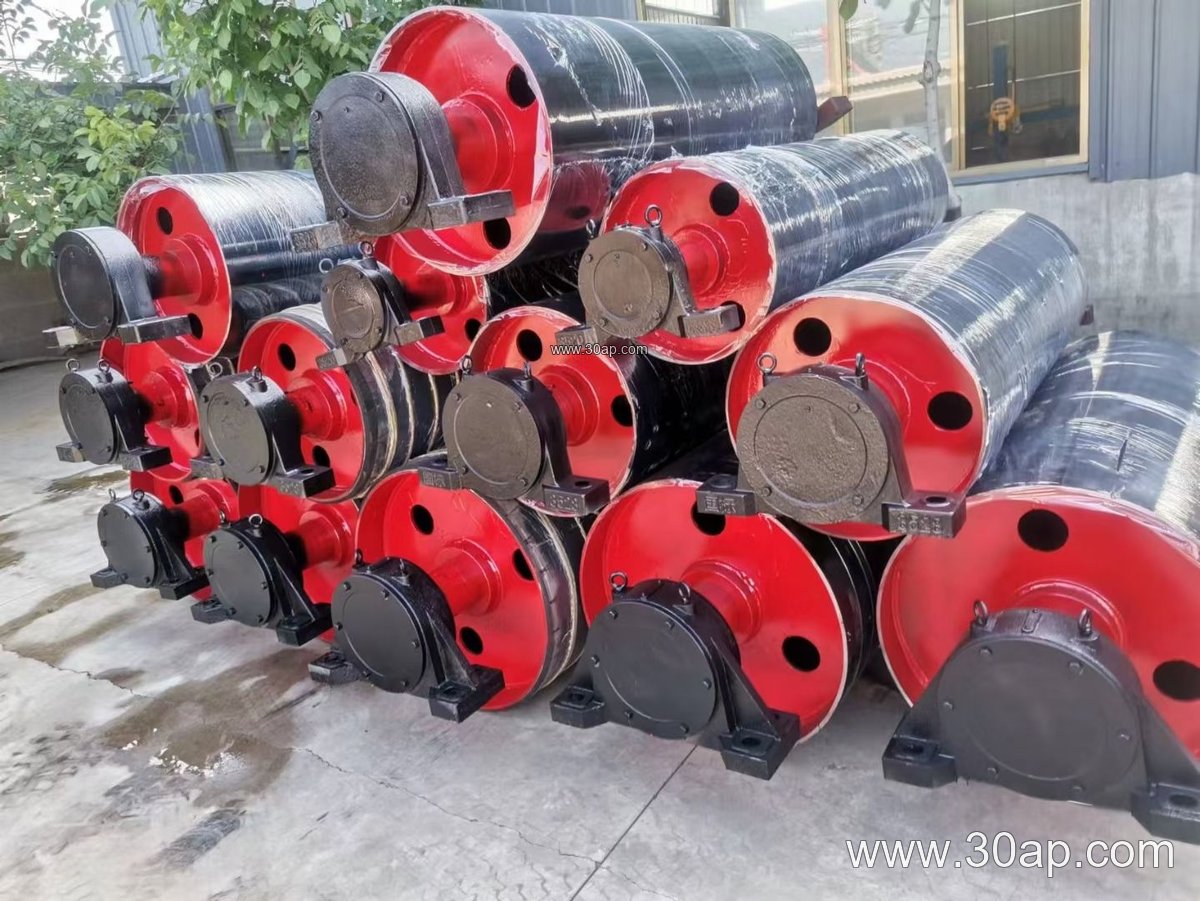
A drive pulley, also called the head pulley, transmits power and usually carries the highest torque. A tail pulley at the loading end guides the return belt and may need impact-resistant lagging. A bend pulley changes belt direction without driving, while a tension pulley takes up slack. These are different duties, and the terms are not interchangeable in a specification. A high-strength drive drum may need a thicker shell and larger shaft than a bend drum of similar diameter.
Buyer Checklist
- Confirm the duty position, belt speed and starting frequency.
- State belt width, belt type and tensile grade so the drum can be matched to the carcass.
- Choose lagging form and thickness for the material and moisture level; hot-vulcanised rubber is common for high-traction drives.
- Check shaft diameter against calculated torque rather than copying a neighbour’s drawing.
- Review bearing type, sealing and lubrication access for the site environment.
- Ask for runout, balance and welding inspection records where the application is critical.
A well-specified high-strength pulley is a long-life component, but it depends on correct alignment with the belt, idlers and frame. Buyers who supply full duty data usually receive a better-matched drum than those who order by diameter alone.