What a Heavy-Duty Steel Conveyor Bracket Does
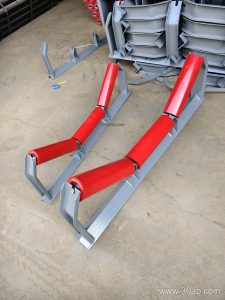
A heavy-duty steel conveyor bracket is the structural support that holds idler rollers in place along a conveyor frame. It carries the weight of the conveyor belt, the material load, and the dynamic forces of continuous operation. In quarries, coal preparation plants, cement lines, and power plant coal yards, these brackets keep the belt profile stable so material moves efficiently from one transfer point to the next.
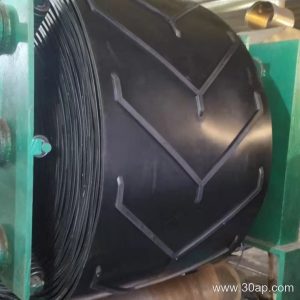
Unlike a standard bracket, the heavy-duty version uses thicker steel sections and reinforced weld joints to handle shock loading, high belt tension, and abrasive environments. It is often paired with a heavy-duty conveyor belt or a high abrasion resistant conveyor belt in primary crushing and screening circuits.
Construction and Materials
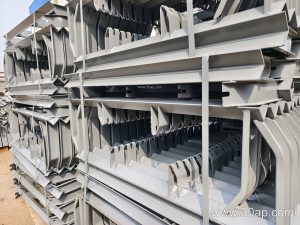
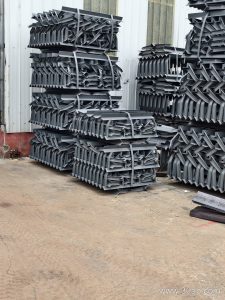
Most heavy-duty steel conveyor brackets are fabricated from angle steel, channel steel, or folded steel plate. The choice depends on the load profile and mounting arrangement. Common materials include:
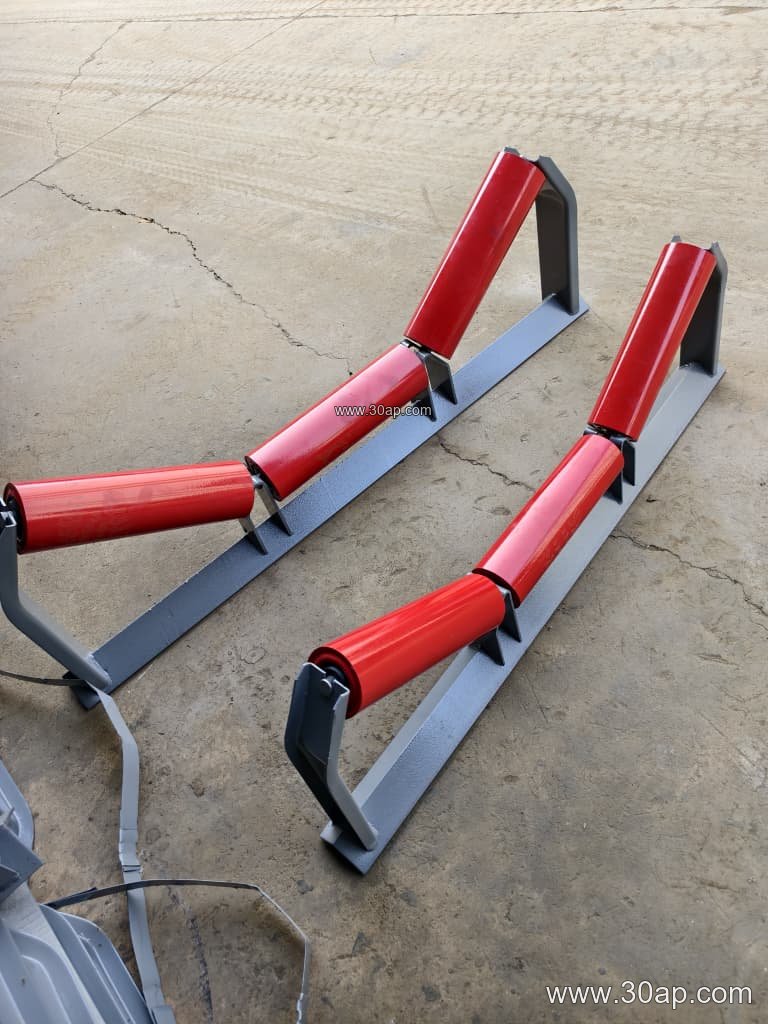
- Angle steel for lighter troughing sections
- Channel steel for main cross beams and return brackets
- Folded steel plate for impact zones and transition areas
Welding quality matters as much as steel thickness. A well-built bracket should have consistent weld penetration and no sharp edges that could damage the conveyor belt. Surface treatment, such as painting or galvanizing, helps resist corrosion in wet or dusty conditions.
Types and Mounting Positions
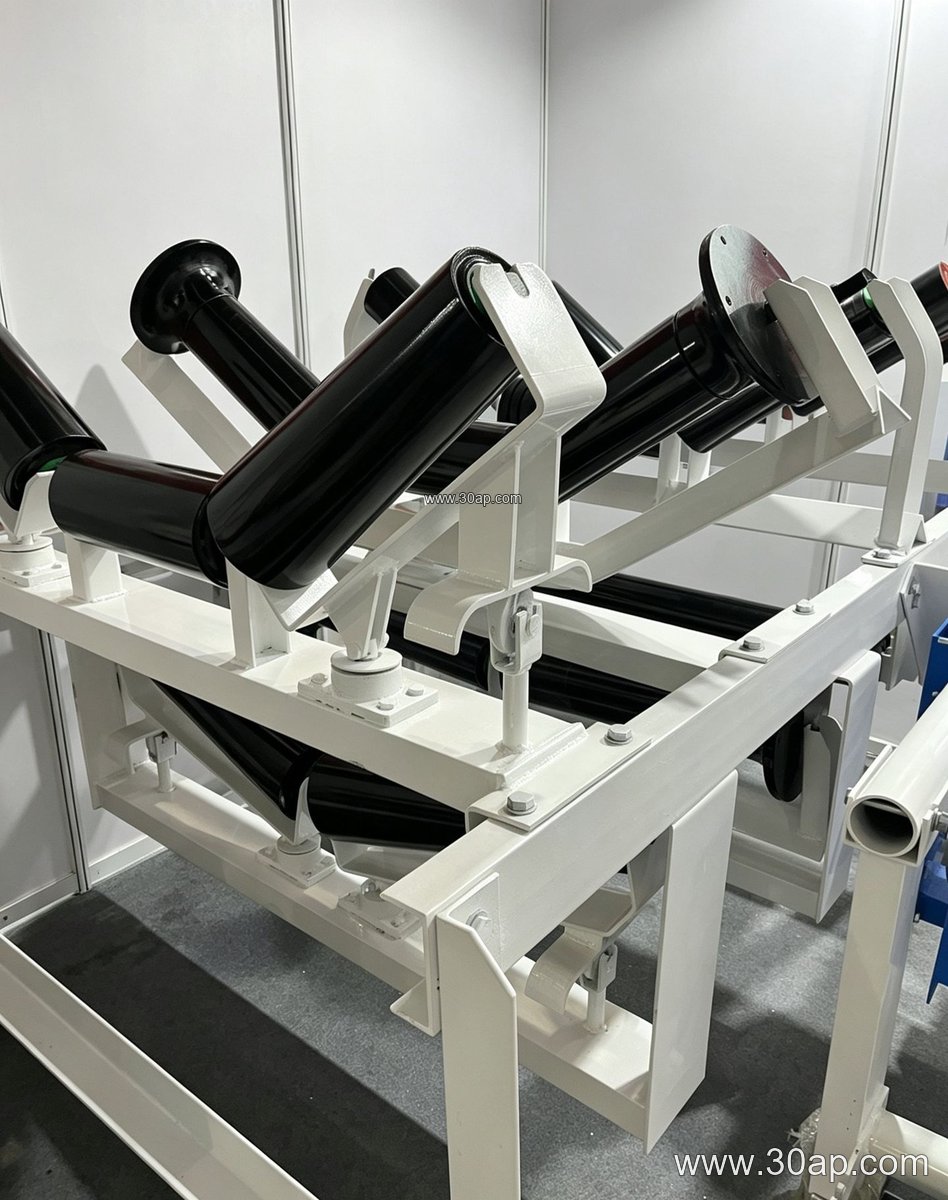
Heavy-duty steel conveyor brackets come in several forms, each matched to a specific position on the conveyor:
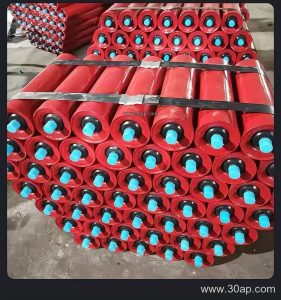
- Troughing brackets for carrying idlers on the top run
- Transition brackets near pulleys to guide the belt from flat to troughed
- Return brackets for the bottom run
- V-return brackets for belt training on the return side
- Impact brackets under loading points
- Self-aligning brackets for belt tracking
- Adjustable brackets that allow trough angle changes
Each type has a distinct role. A troughing bracket is not a substitute for a return bracket, and a transition bracket should not be used as a general carrying bracket. Matching the bracket to its mounting position is essential for belt life and system reliability.
Trough Angle and Roller Diameter Selection
The trough angle and roller diameter are usually determined by belt width, material characteristics, and conveyor capacity. Common trough angles include 20, 30, 35, and 45 degrees. Adjustable brackets can be set within a range of these angles during installation or maintenance.
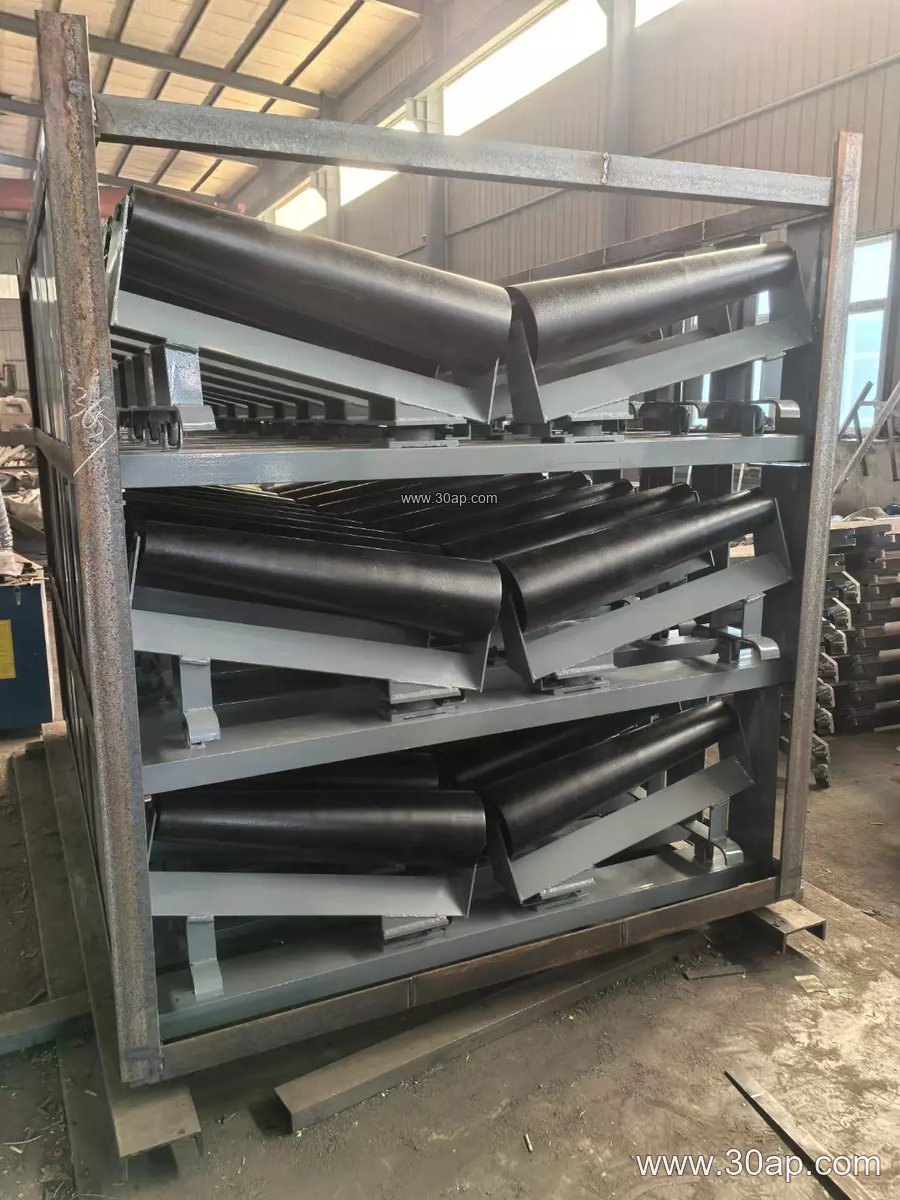
Roller diameters such as Ø89, Ø108, Ø133, Ø159, and Ø194 are selected based on load and belt speed. A wider belt does not automatically require a specific roller diameter; the design engineer considers the full conveyor profile. Typical combinations might include B800 with 35 degrees and Ø108, or B1200 with 45 degrees and Ø133, but these are examples, not fixed rules. Installation hole spacing and cross beam length vary with belt width and trough angle.
Where Heavy-Duty Brackets Are Used
These brackets are common in aggregate and mining operations where belt conveyors handle rock, ore, and abrasive bulk materials. In a limestone quarry or iron ore plant, the primary crusher discharge conveyor often uses reinforced brackets with impact idlers to absorb falling material energy. In a coal washing plant, flame retardant conveyor belt and anti-static properties are important, and the brackets must resist both mechanical stress and dusty conditions.
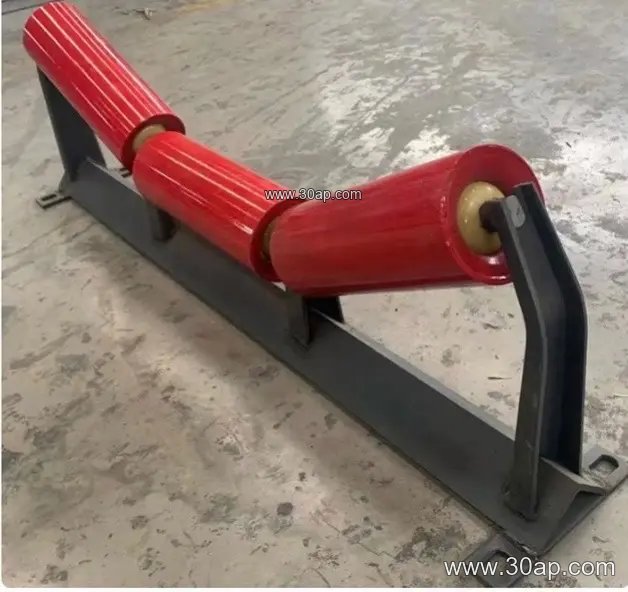
Other applications include cement plants, power plant coal handling, port bulk terminals, and steel plant sinter lines. Each site has its own challenges, from high temperature in sinter plants to oil exposure in recycling facilities.
Buyer Checklist
When specifying a heavy-duty steel conveyor bracket, consider the following:
- Belt width and trough angle required for the conveyor profile
- Roller diameter and idler type to be mounted
- Material and steel thickness for the expected load
- Mounting dimensions and hole spacing
- Environmental factors such as moisture, dust, and temperature
- Compatibility with the conveyor pulley and frame
Buyers should request dimensional drawings and material certificates where available. It is also wise to confirm that the bracket design matches the actual idler roller and conveyor belt specifications. For harsh applications, a heavy-duty conveyor bracket made from channel steel with reinforced gussets often provides better service life than a lighter folded design.
For more information on conveyor components, visit conveyor bracket and conveyor pulley resources.