What an Impact Idler Set Does
An impact idler set is the group of rollers installed directly beneath the loading point of a conveyor belt, where falling rock, ore, clinker or aggregate strikes the belt with the greatest force. Instead of passing that shock straight into a rigid steel frame, the set absorbs it through rubber rings or resilient roller surfaces, protecting both the conveyor belt and the supporting structure. In a quarry, a coal preparation plant or a cement kiln feed line, this is often the first component that determines how long the belt survives at the transfer chute.
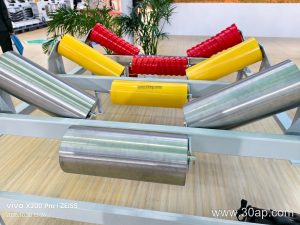
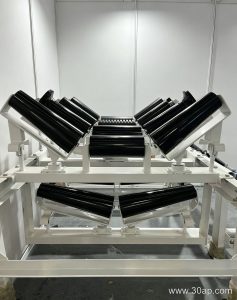
The set normally consists of two or three rollers mounted in a common frame, with the same trough angle as the adjacent carrying idlers so the belt profile stays continuous. The difference lies in the roller surface and the shock-absorbing design, not in the basic geometry of the trough.
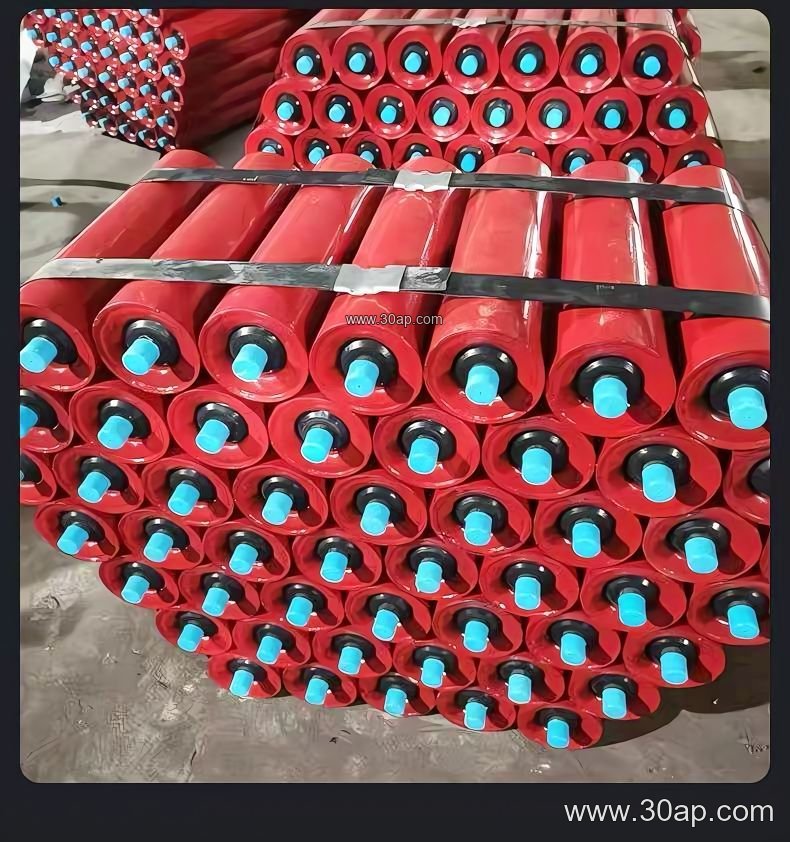
How the Set Is Built
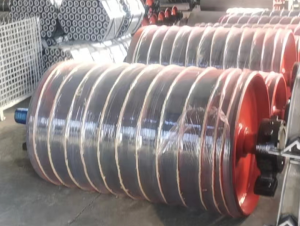
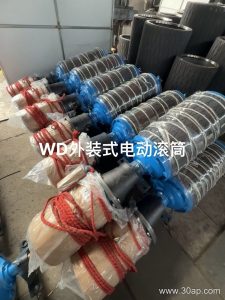
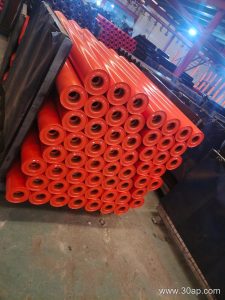
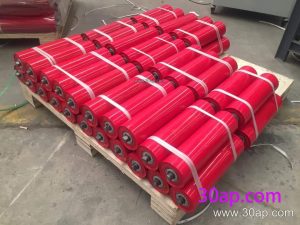
Most impact sets use a steel tube body fitted with a stack of rubber rings, sometimes called a rubber disc impact roller. The rings are compressed between end plates so they can deflect under load and return to shape. Roller ends carry sealed bearings, and the shaft is held in the frame by conveyor bracket fittings that match the existing idler stations.
Typical construction details include:
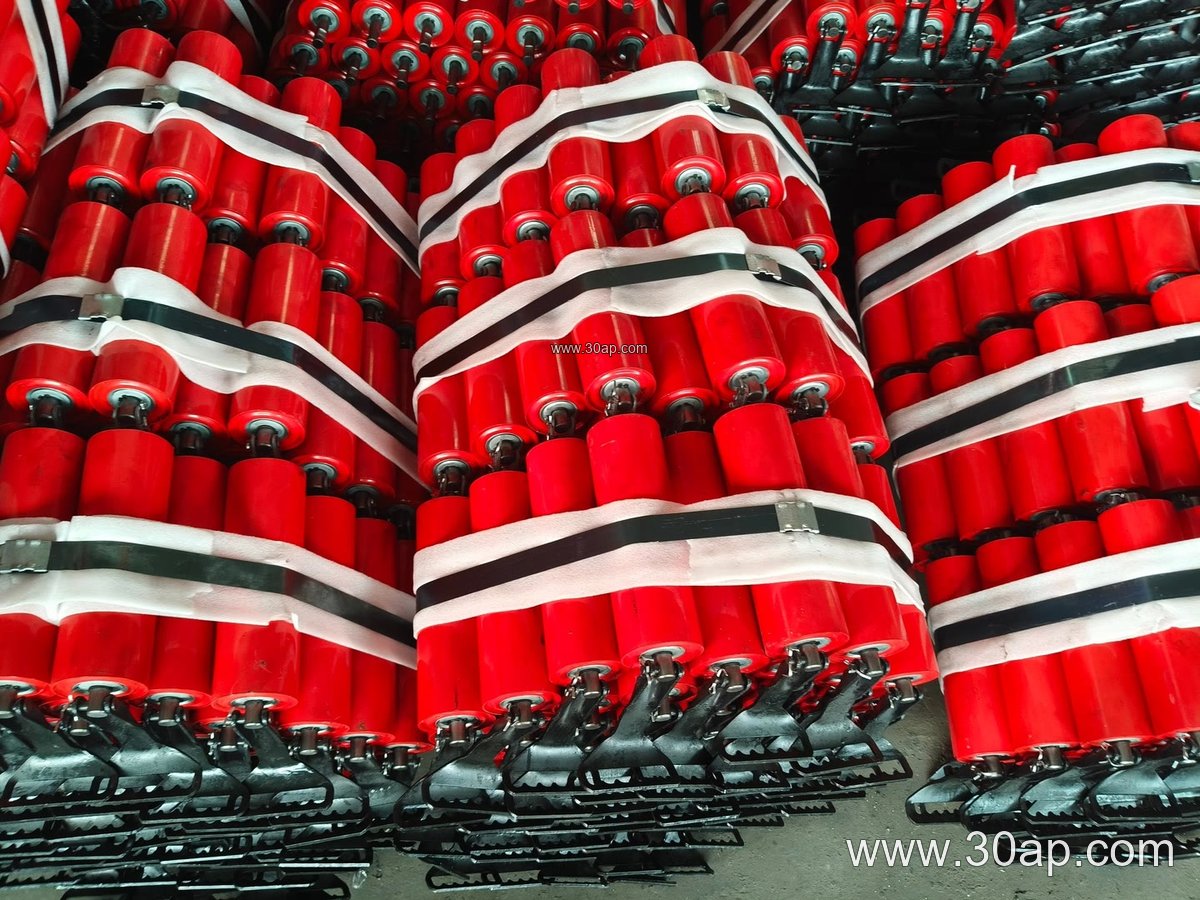
- Tube diameters commonly ranging from Ø89 to Ø159, with heavier stations using Ø178 or Ø194
- Rubber ring thickness and hardness selected for the drop height and lump size
- Bearing sizes such as 6205, 6305, 6306 or 6308, chosen by load and speed rather than by roller diameter alone
- Frames built as single-roll, two-roll or three-roll trough sets
The rubber rings are the wearing part. On a well-designed set they can be replaced or the complete roller swapped without cutting the belt, which keeps maintenance short during a shutdown.
Where Impact Sets Are Used
The classic location is under the crusher discharge or the transfer chute in a stone crushing line. The same logic applies in an iron ore terminal, a sinter plant or a power station coal yard, wherever material leaves one conveyor and lands on another. In these positions a standard carrying idler would transmit the full impact into the bearing and the belt carcass, and the belt cover would soon show cracking or punctures.
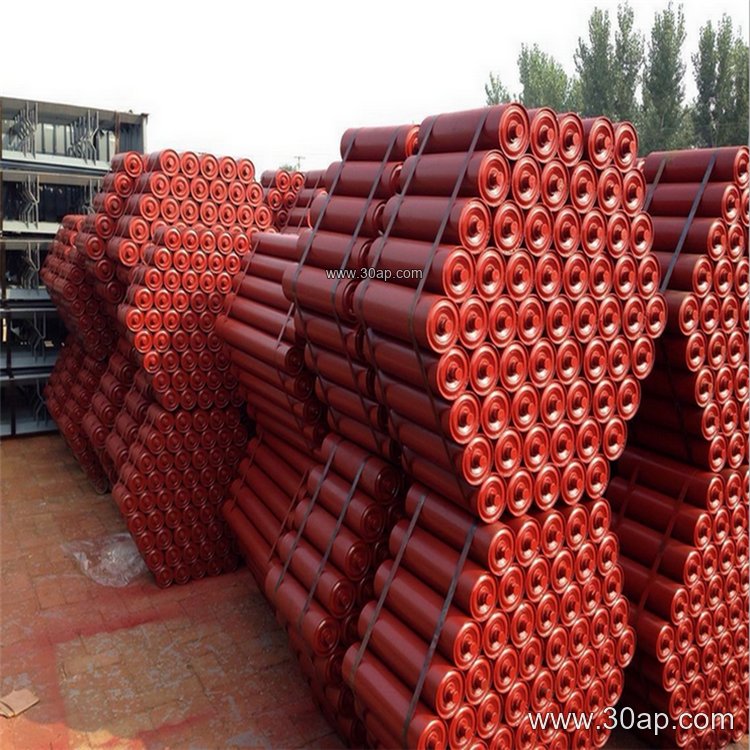
An impact set is also useful at the head of a stockpile feed conveyor, at truck dump hoppers, and after a vibrating screen where the product stream is still irregular. It is not a replacement for a bend pulley or a tail pulley; those are different components with different duties. The impact set only supports the belt on the carrying side.
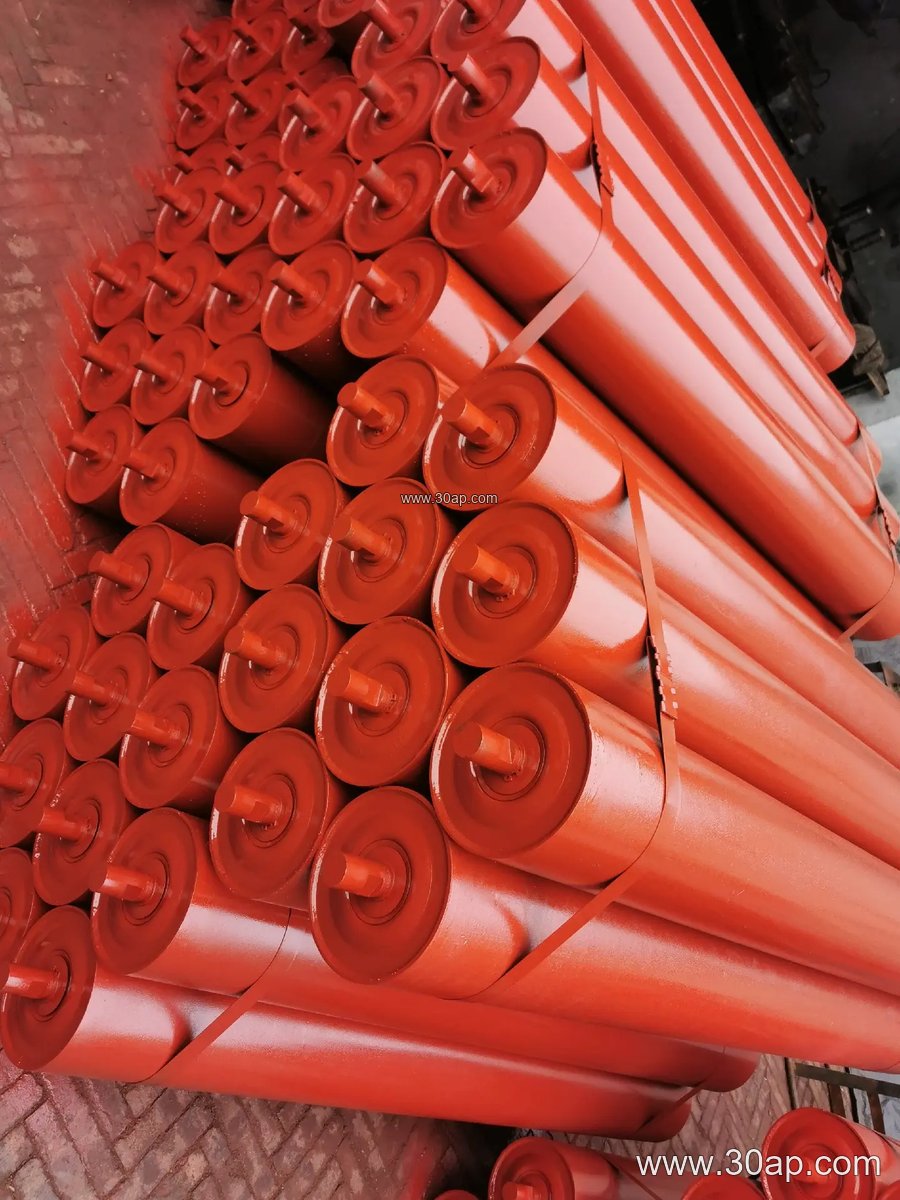
Matching the Set to the Belt and the Duty
Selection starts with belt width and trough angle, then moves to drop height, lump size and throughput. A 650 mm belt and a 1400 mm belt will not use the same roller length, and a three-roll 35-degree set has different side roller dimensions from a two-roll arrangement. The table below gives common reference values; actual dimensions follow the conveyor design.
| Belt width | Common three-roll length (middle/side) | Typical roller diameter range |
|---|---|---|
| B500 | about 200 mm | Ø63 to Ø108 |
| B650 | about 250 mm | Ø76 to Ø133 |
| B800 | about 315 mm | Ø89 to Ø159 |
| B1000 | about 380 mm | Ø102 to Ø159 |
| B1200 | about 465 mm | Ø108 to Ø178 |
| B1400 | about 530 mm | Ø127 to Ø194 |
| B1600 | about 600 mm | Ø133 to Ø194 |
| B1800 | about 670 mm | Ø159 to Ø219 |
These are examples, not fixed pairings. A wide, slow belt carrying large lumps may need a larger roller and thicker rubber rings than a narrow, fast belt with the same tonnage. Trough angles of 20, 30, 35 and 45 degrees are all available, and the impact set should match the adjacent stations so the belt does not twist between them.
Buyer Checklist
Before ordering, confirm the belt width, the existing trough angle, the roller diameter and the shaft end type used on the current frame. Ask for the rubber ring hardness and the bearing designation, since these two details decide how the set behaves under repeated shock. Check whether the frame is a drop-in replacement for the present bracket spacing, and whether the set is supplied with rollers only or as a complete assembly.
For high-abrasion duties such as granite or basalt, a heavy-duty roller body and quality seals pay back quickly. Where the conveyor carries a steel cord conveyor belt or a thick abrasion resistant conveyor belt, the impact set protects an expensive carcass, so it is worth specifying carefully rather than treating it as a consumable afterthought. Keep a spare set of rings or a spare roller on site, and inspect the loading zone at every shutdown for flattened rings, loose end plates or seized bearings.