What an Impact Resistant Conveyor Belt Is
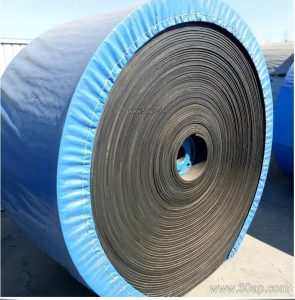
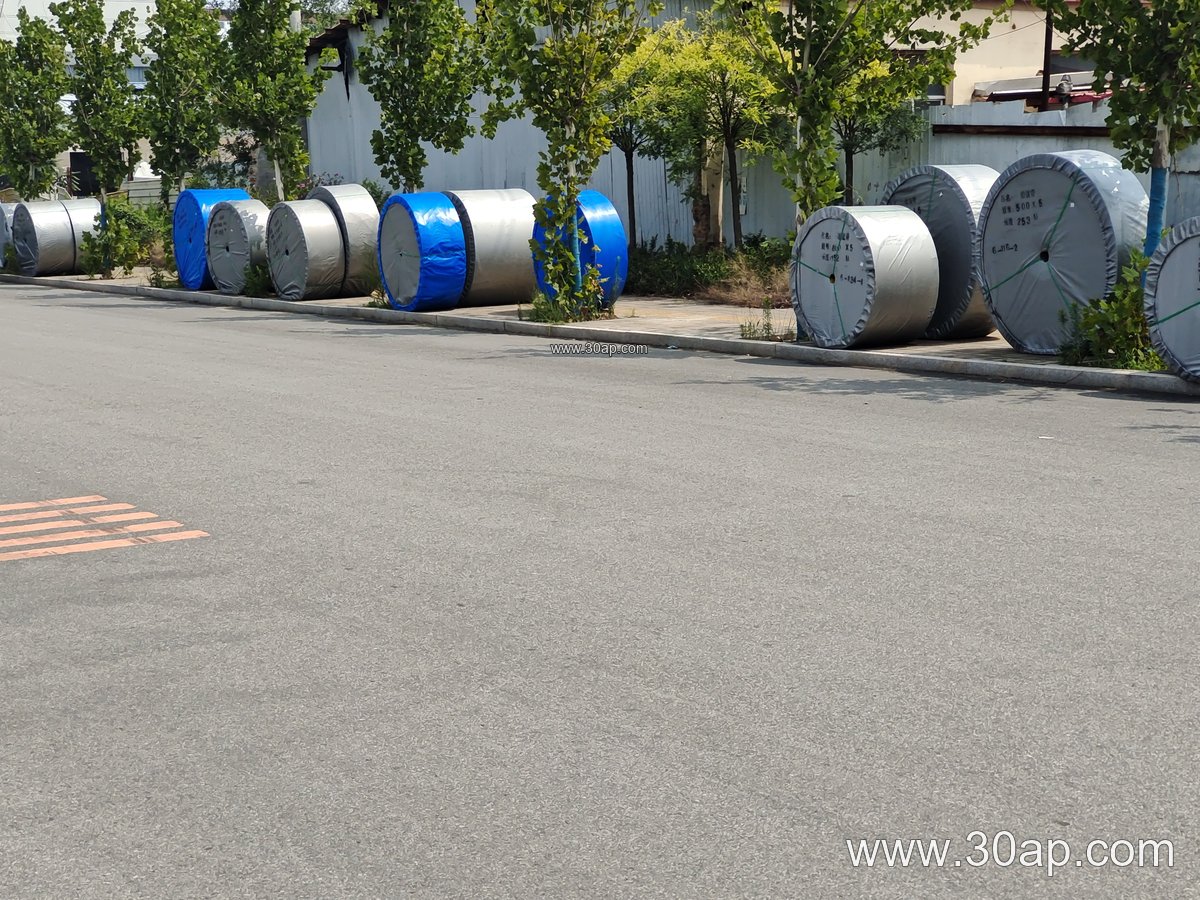
An impact resistant conveyor belt is a heavy-duty conveyor belt built to absorb the shock of large, sharp, or fast-falling material at transfer points. In mines, quarries, cement plants, power stations, and sand and gravel yards, rock and ore often drop from a considerable height onto the belt. Without proper protection, the carcass can be cut, punctured, or crushed. This belt type combines a strong fabric or steel cord carcass with a thick, tough rubber cover and, in many designs, extra breaker reinforcement beneath the top cover. It is still a conveyor belt in the ordinary sense, but its construction is tuned for shock loading rather than for simple abrasion alone.
How the Belt Is Built
The working principle is simple: spread the impact over a wider area and give the rubber enough thickness and elasticity to recover. A typical build includes:
- Carcass: multi-ply fabric core, such as EP or NN, or steel cord for very high tension and long spans. Multi-ply fabric core belts are common where both strength and impact damping matter.
- Breaker layer: a reinforced layer placed under the top cover to resist cutting and puncturing from lumpy material.
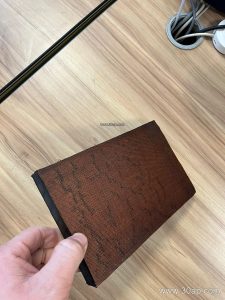
- Top cover: thick abrasion resistant rubber, often in the range of 6+2 mm, 8+3 mm, or heavier, depending on the duty.
- Bottom cover: usually a thinner abrasion resistant layer for contact with idler rollers.
Cover compound selection matters. A high abrasion resistant conveyor belt cover handles sharp stone, while a heat resistant conveyor belt grade is needed near clinker or sinter. In coal mining and underground coal mining, flame retardant and anti-static properties are usually specified together with impact protection.
Where It Fits in the Plant
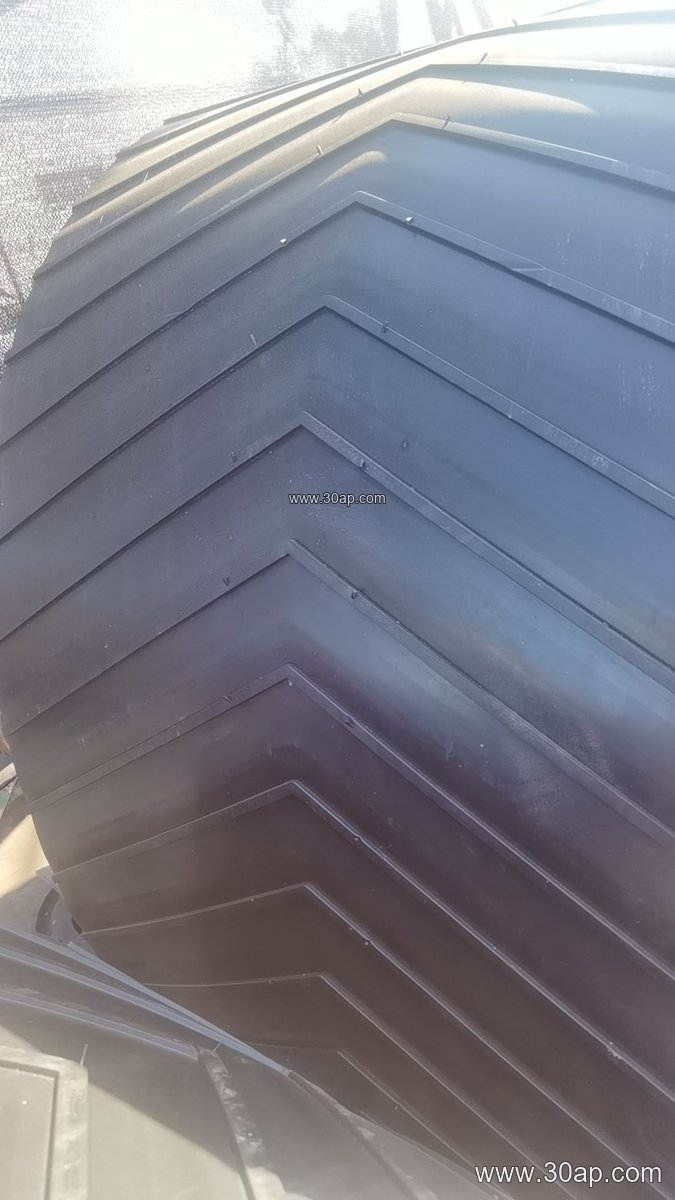
The most demanding position is usually the receiving point under a crusher, a screen, or a chute. A crusher conveyor belt or rock conveyor belt may see lump sizes of several hundred millimetres and fall heights of one to three metres. In iron ore, copper ore, and gold mining operations, the same belt protects against sharp ore edges. Aggregate plants, cement plants, and power plant coal handling systems also use impact grades at truck dump hoppers and transfer towers. Port and ship loading conveyors may need it where grab buckets or hoppers discharge unevenly.
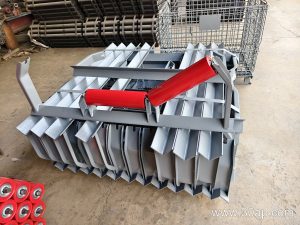
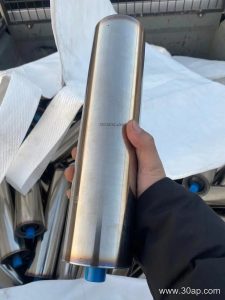
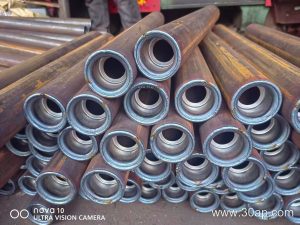
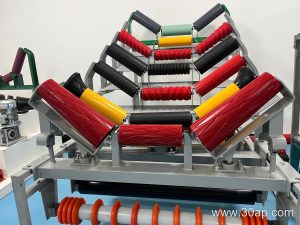
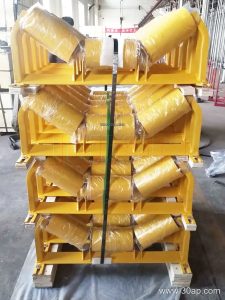
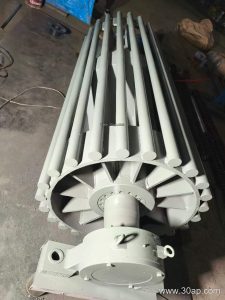
Supporting equipment should be matched to the duty. Closely spaced impact idler rollers under the loading zone reduce sag and spread the force. A conveyor pulley at the drive and tail end must be sized by the actual belt tension and shaft load, not by belt width alone. Conveyor brackets and frames should be stiff enough to keep the trough shape steady under heavy lumps.
Common Specifications and Reference Data
The table below shows typical reference values only. Actual construction is confirmed by design, and different manufacturers offer different combinations.
| Item | Common reference values |
|---|---|
| Belt type | EP fabric core, NN fabric core, steel cord |
| Strength grades | EP200, EP315, EP400, EP500, EP630, EP800, EP1000, EP1250, EP1600, EP2000 |
| Belt width | B500, B650, B800, B1000, B1200, B1400, B1600, B1800, B2000 |
| Cover thickness | 3+1.5, 4+2, 5+2, 6+2, 8+3 mm |
| Carcass plies | Usually 2 to 6 layers for fabric core |
| Special grades | Abrasion resistant, heat resistant, oil resistant, flame retardant, anti-static, cold resistant |
A 1200mm wide belt with a 6+2 mm cover is a common choice for medium-sized crushing stations, while 1800mm or 2000mm widths appear in large bulk material conveyor lines. Steel cord grades such as ST1000 or ST1600 are used when tension is high and the belt runs long distances. None of these values is a fixed rule, and a smaller width is not tied to one pulley diameter.
Buyer Checklist
- Define the maximum lump size, fall height, and material sharpness at the loading point.
- State the required tensile strength and whether a fabric core or steel cord design is preferred.
- Choose the cover grade for the real environment: abrasion, heat, oil, flame, or cold.
- Ask for the breaker layer and cover thickness in writing, not only the strength grade.
- Check impact idler roller spacing and chute design, because a good belt cannot compensate for poor loading conditions.
- Confirm belt width, cover thickness, and splice method together with the conveyor pulley and frame layout.
For more technical guidance on conveyor belts, idler rollers, and pulleys, visit china-conveyorbelt.com and review the selection notes before ordering. A well-chosen impact resistant conveyor belt reduces downtime at the crusher and keeps the whole bulk handling line running steadily.