Why the Conveyor Bracket Matters More Than You Think
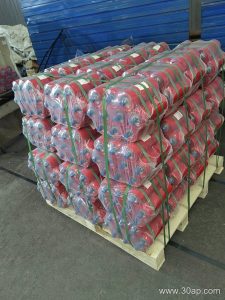
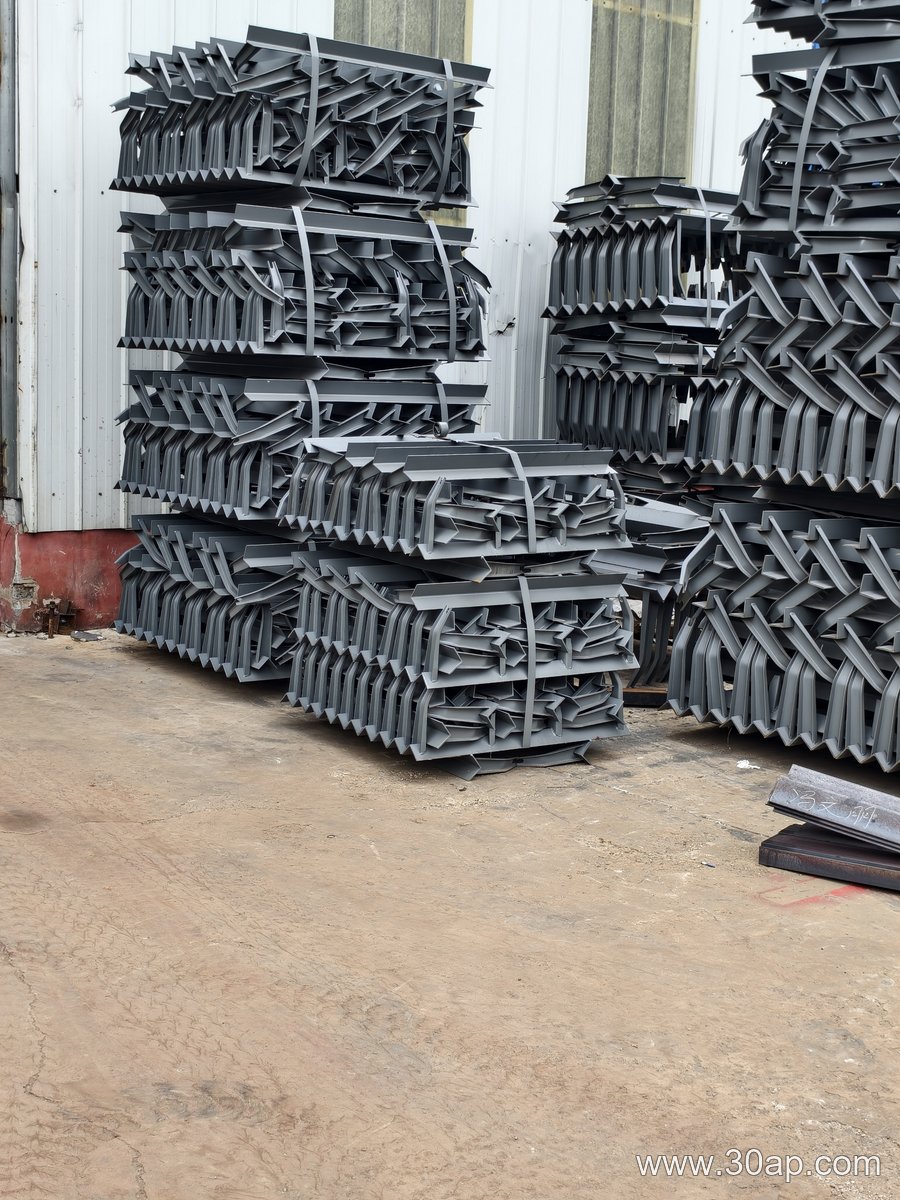
The conveyor bracket is the unsung hero of any belt or roller conveyor. It secures idlers, rollers, and impact beds to the frame, absorbing dynamic loads and maintaining belt alignment. A poorly chosen bracket leads to vibration, belt misalignment, and premature component failure. For industrial buyers, the bracket is not a commodity—it is a precision interface between structure and moving parts.
Key Selection Criteria for Conveyor Brackets
- Material grade: Choose hot-dipped galvanized steel for corrosive environments; stainless steel (304/316) for food or chemical plants; powder-coated carbon steel for indoor dry applications.
- Load rating: Match the bracket’s static and dynamic capacity to your belt width, speed, and maximum lump size. Overspecify by 20% to handle surge loads.
- Adjustability: Slotted bolt holes or shimmed designs allow precise trough angle and height adjustment during installation—critical for belt tracking.
- Compatibility: Verify standard C-channel or pipe dimensions (e.g., 100mm, 125mm) and bolt spacing to avoid custom fabrication costs.
Purchasing Advice for Maintenance Teams
Buy from suppliers who offer matched bracket sets with idler frames, not mixed brands. Request fatigue test reports and check weld quality—look for full penetration welds with no porosity. For high-speed conveyors (above 3 m/s), use vibration-dampening brackets with rubber inserts. Always stock spare brackets for the most stressed zones: loading points and transfer chutes. Finally, compare total cost of ownership, not unit price—a durable bracket that lasts 10 years beats a cheaper one replaced every 3.
Why the Conveyor Belt Is the Backbone of Your Material Handling Line
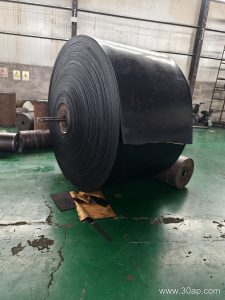
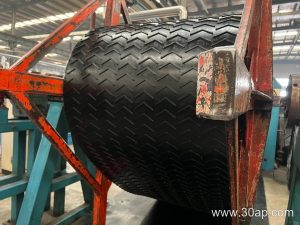
The conveyor belt is the silent workhorse of modern industry, moving raw materials, finished goods, and bulk products with consistent speed and minimal manual intervention. Choosing the wrong belt can lead to downtime, product damage, and costly maintenance—so understanding its core parameters is essential before any purchase.
Key Specifications to Evaluate
- Belt material: Rubber for abrasion, PVC for food contact, or polyurethane for oil resistance.
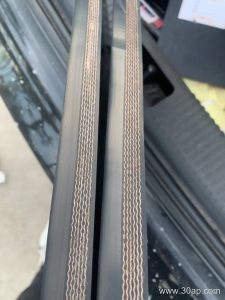
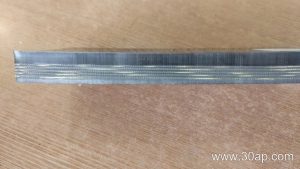
- Tensile strength: Match the belt’s carcass (fabric, steel cord, or solid woven) to your load weight and start-stop frequency.
- Working temperature: High-heat belts (silicone or PTFE) for ovens, cold-resistant belts for freezer lines.
- Width and speed: Calculate throughput: belt speed (m/s) × load per meter = required capacity per hour.
Selection and Purchasing Advice
First, measure your conveyor frame’s pulley diameter and center distance—the belt must align with those. Second, request a sample of the splice type (mechanical vs. vulcanized) if you prioritize quick repairs or hygiene. Third, always specify your environment: dusty, wet, or chemical-laden conditions will dictate the cover grade. Finally, buy from manufacturers that provide detailed technical datasheets and support for belt tracking, because a misaligned belt causes edge wear and premature failure.
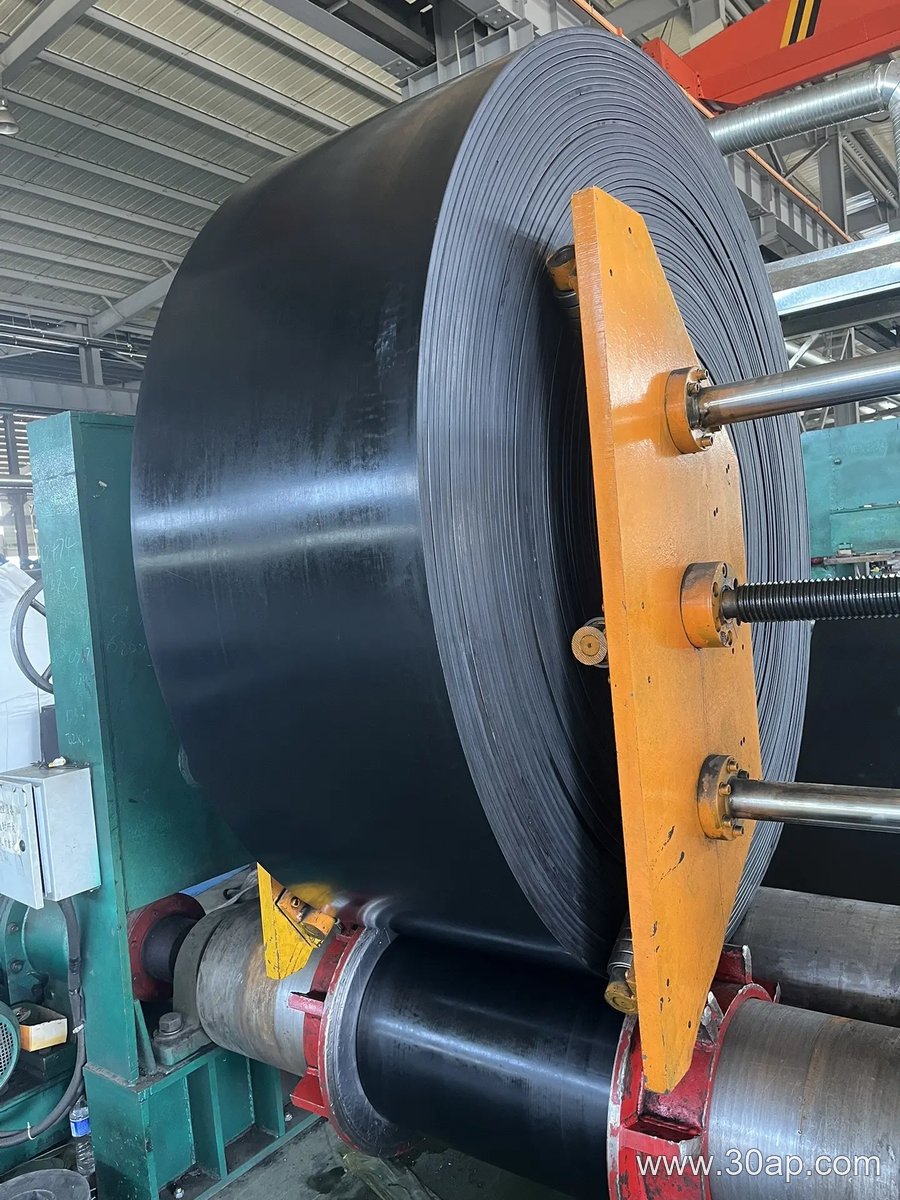
Invest in a slightly higher-rated belt than your current load, as it extends service life and allows for future production increases. And remember to stock one spare belt or splice kit—this can turn a 4-hour emergency stop into a 30-minute changeover.
Understanding the Idler Roller’s Core Role
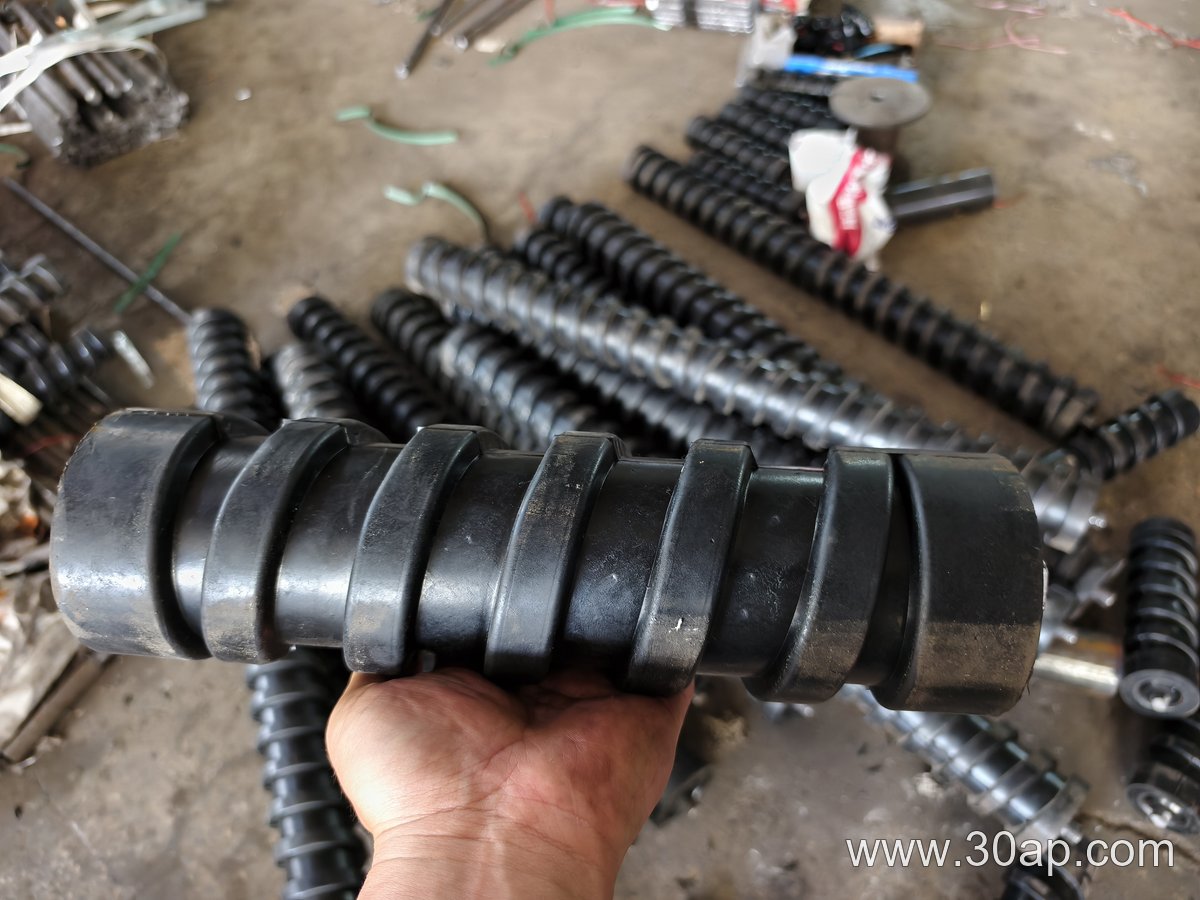
The idler roller is the unsung workhorse of any belt conveyor system. Unlike drive pulleys, it does not transmit power; instead, it supports the belt and material load, shapes the belt trough, and guides its path. A high-quality idler roller minimizes friction, reduces belt wear, and prevents misalignment—directly impacting operational uptime and maintenance costs.
Key Design and Material Considerations
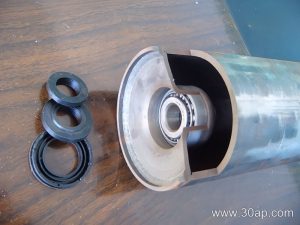
When purchasing idler rollers, focus on three factors: shell thickness, bearing type, and sealing efficiency. Rollers with thicker steel (e.g., 3–4 mm) resist impact and corrosion better in abrasive environments. Sealed bearings (typically labyrinth or contact seals) protect against dust and moisture, extending service life. For high-speed or heavy-load applications, choose rollers with precision-balanced shells to avoid vibration.
Selection and Purchasing Advice
- Measure accurately: Verify belt width, roller diameter, and shaft length against CEMA (Conveyor Equipment Manufacturers Association) standards.
- Match load rating: Calculate the actual load per roller; overspecifying adds cost, underspecifying causes premature failure.
- Inspect surface finish: A smooth, weld-free circumference reduces belt wear—ask for a runout tolerance of less than 0.8 mm.
- Request test data: Reputable suppliers provide rotational resistance and axial load test reports.
Prioritize rollers with replaceable ends or interchangeable bearings to simplify future maintenance. Also, consider environmental factors like humidity or chemical exposure when choosing coating (galvanized or rubber lagging). A well-specified idler roller not only ensures smooth operation but also cuts energy consumption by up to 15%.
Why the Conveyor Pulley Dictates System Efficiency
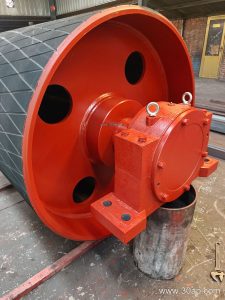
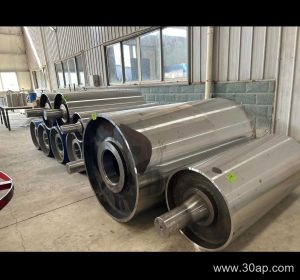
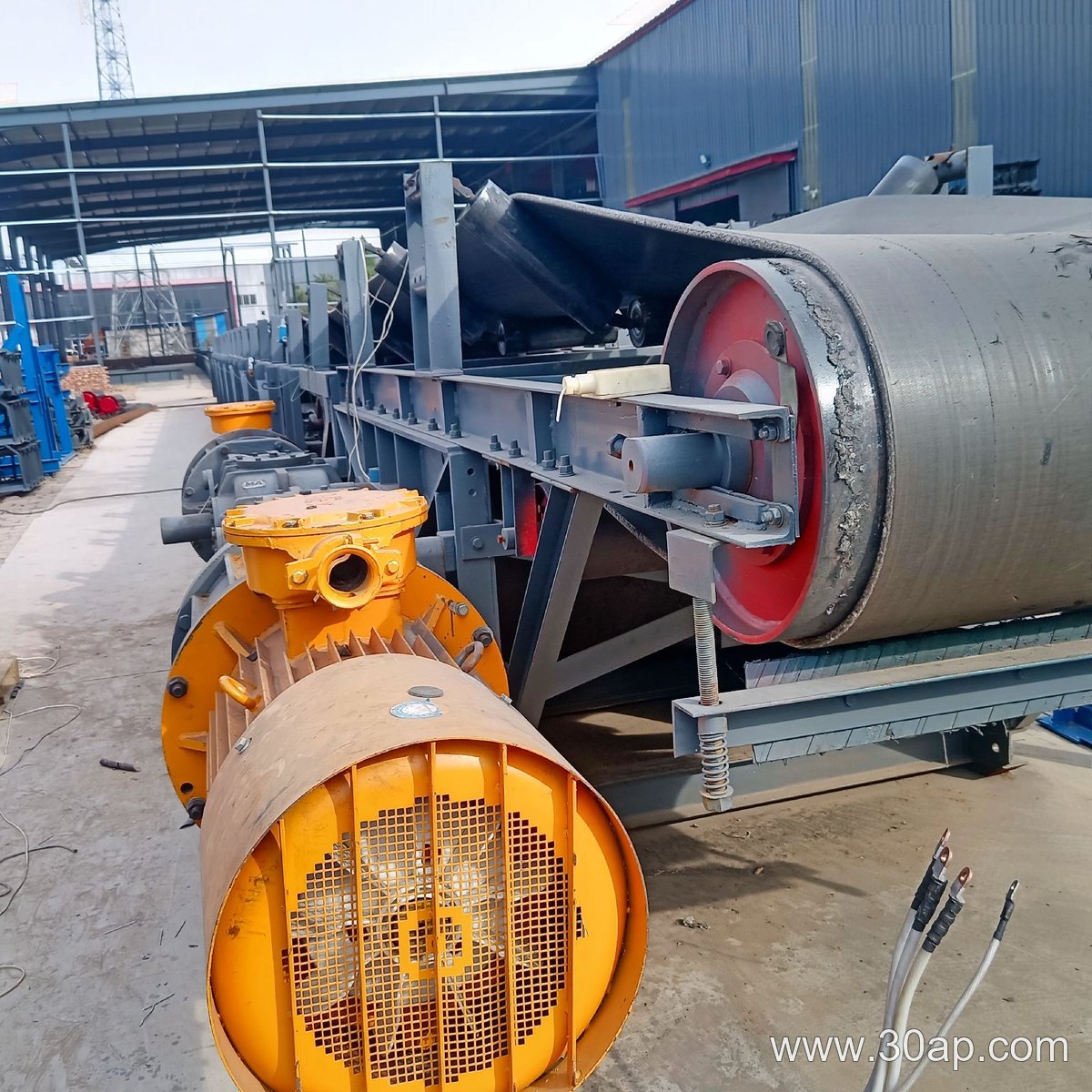
The conveyor pulley is not just a rotating cylinder; it is the mechanical heart that transfers drive torque, maintains belt tension, and changes belt direction. A poorly chosen pulley causes belt slippage, misalignment, and premature wear across the entire conveying line.
Critical Design Factors for Industrial Buyers
When specifying a conveyor pulley, focus on three load-bearing parameters: shaft diameter, face width, and lagging type. Crown-faced pulleys aid belt tracking, while herringbone or diamond lagging improves grip in wet or dusty conditions. Always verify the pulley’s minimum bending fatigue rating against your actual belt tension and start-up torque.
Purchasing and Maintenance Advice
For a new system, request a pulley with a replaceable shaft and weld-on hub to simplify future rebuilds. On existing conveyors, measure the existing pulley’s crown height—do not exceed 1.5 mm on steel pulleys to avoid belt stress fractures. Choose between CEMA (Conveyor Equipment Manufacturers Association) standard duty or mine-duty class based on lump size and impact force. Finally, demand a dynamic balancing report at operating speed; vibration above 0.002 inches per second peak indicates poor balance and shortens bearing life.
- Verify lagging hardness (Shore A 60–70) for abrasive materials.
- Specify a keyed or tapered bushing connection to ease shaft extraction.
- For high-risk environments, add a steel-on-steel locking element to prevent shaft creep.
- Audit pulley alignment quarterly using a laser; a 1mm offset accelerates belt edge wear by 20%.