How Do You Choose a Conveyor Belt for Iron Ore at a Bulk Port Terminal
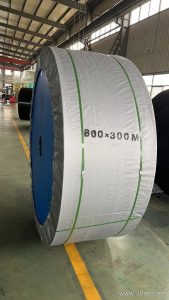
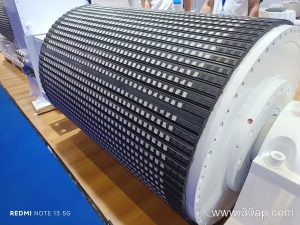
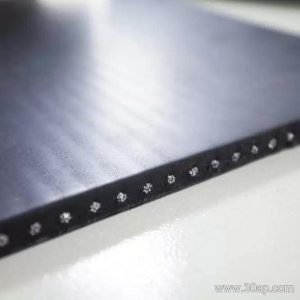
At a bulk port terminal, iron ore punishes a conveyor belt with sharp, heavy lumps and abrasive fines. The practical choice is usually a textile-carcass belt with a thick, abrasion-resistant cover, or a steel-cord belt when the incline and tonnage demand higher tension. The trade-off is between impact resistance and longitudinal strength.
What Matters in the Material
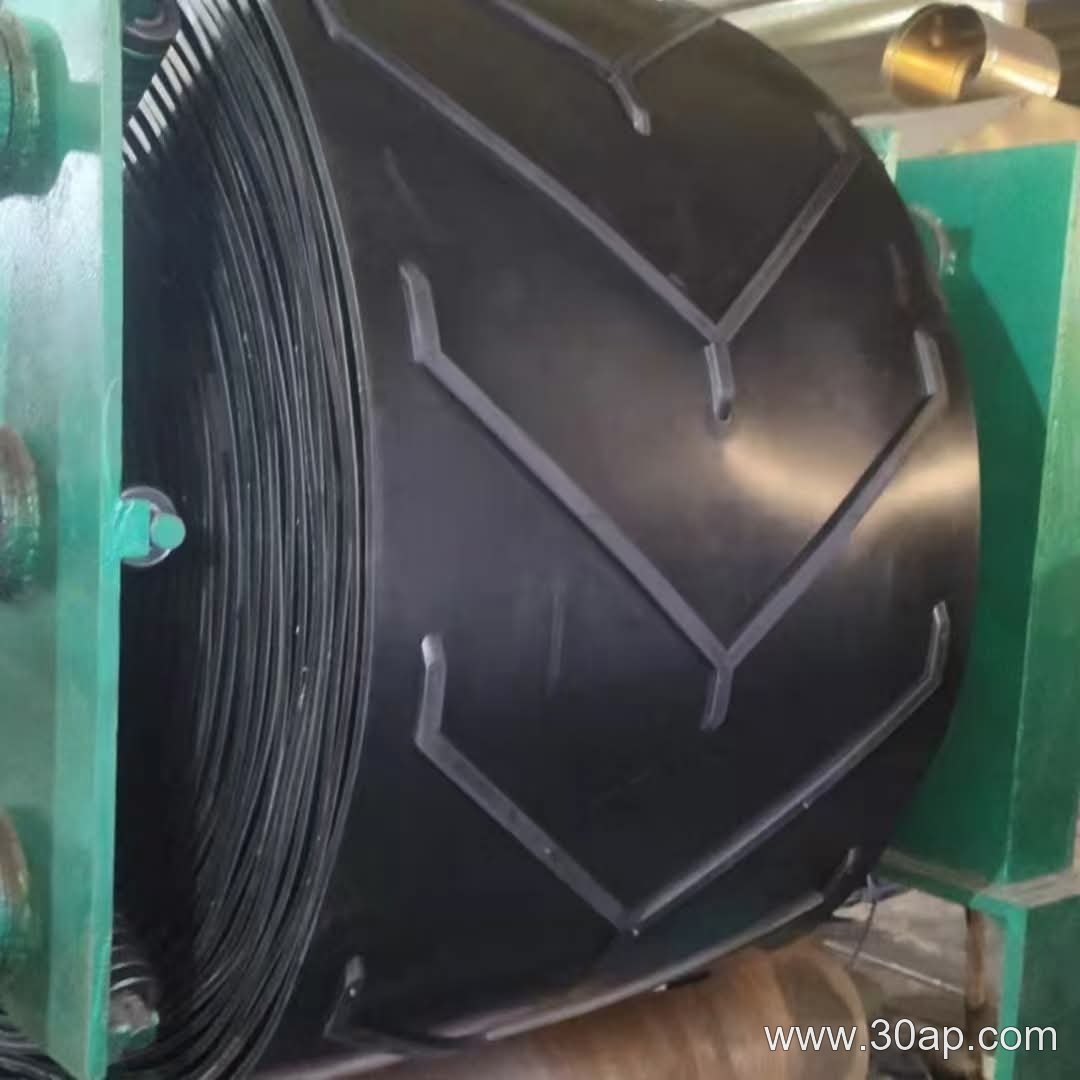
Ore density, lump size, and moisture set the impact and loading pattern. A belt with adequate cover thickness absorbs lump impact better than a thin, hard cover, while fabric plies resist edge damage during loading.
Practical Checks Before Specification
- Confirm maximum lump size and drop height at the transfer point.
- Match cover grade to abrasion and cutting conditions.
- Verify carcass tension for the conveyor length and incline.
Calculating Idler Roller Face Length for a 1200 mm Belt
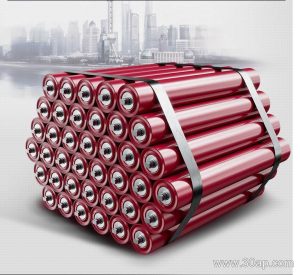
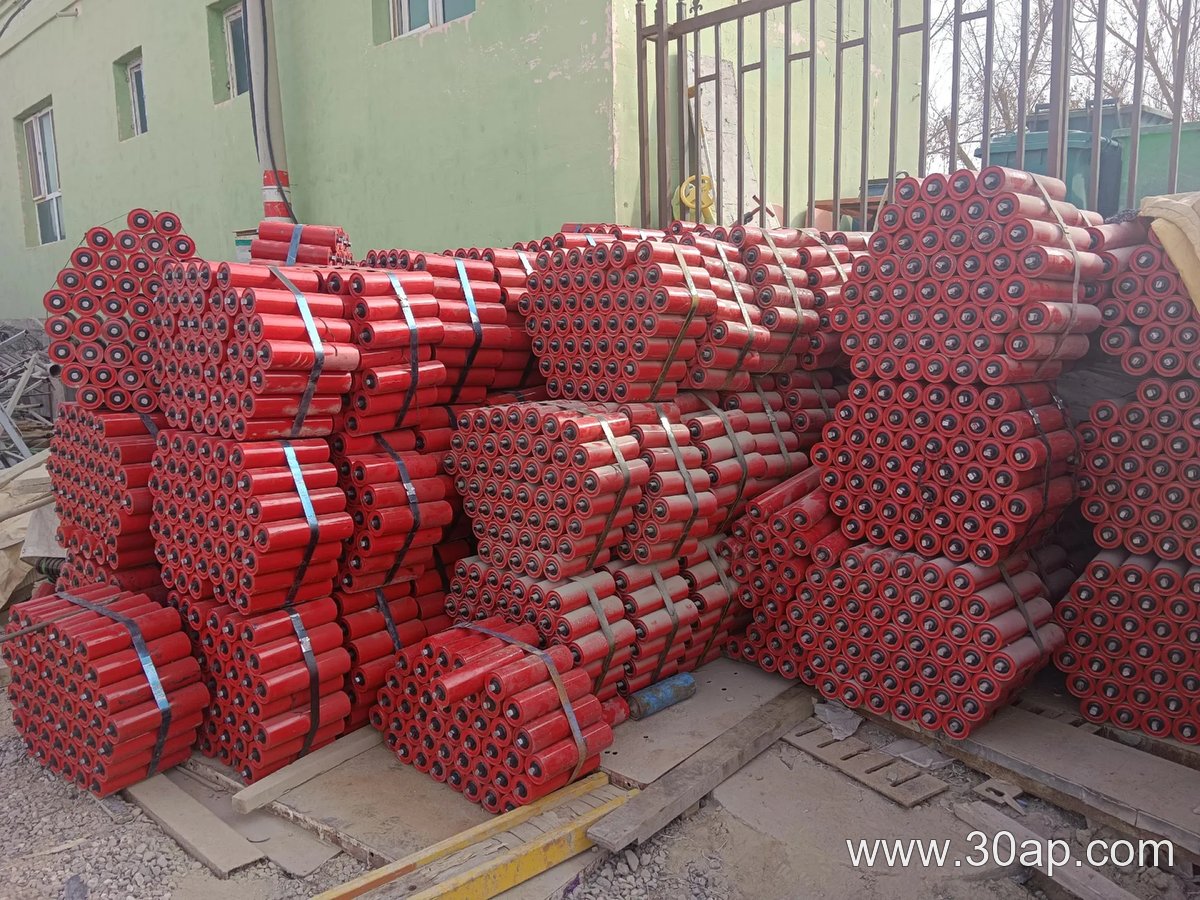
In a cement plant, an idler roller must support the belt without edge damage. Assume a 1200 mm belt, a 35° troughing angle, and a 20 mm edge clearance. The roller face length is belt width minus twice the edge clearance: 1200 − 2×20 = 1160 mm. This is a hypothetical example.
Step-by-Step Method
- Identify belt width (e.g., 1200 mm).
- Choose edge clearance (typically 15–25 mm per side).
- Apply formula: face length = belt width − 2 × clearance.
- Round to the nearest standard roller size if needed.
For a 1200 mm belt, a 1160 mm face length idler roller allows the belt to center without rubbing the brackets. Always verify with the conveyor designer.
How Do You Calculate the Face Width of a Conveyor Pulley for a Given Belt Width in a Dusty Quarry
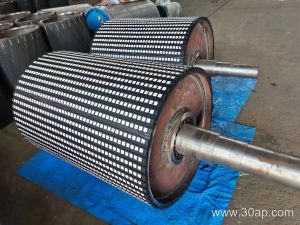
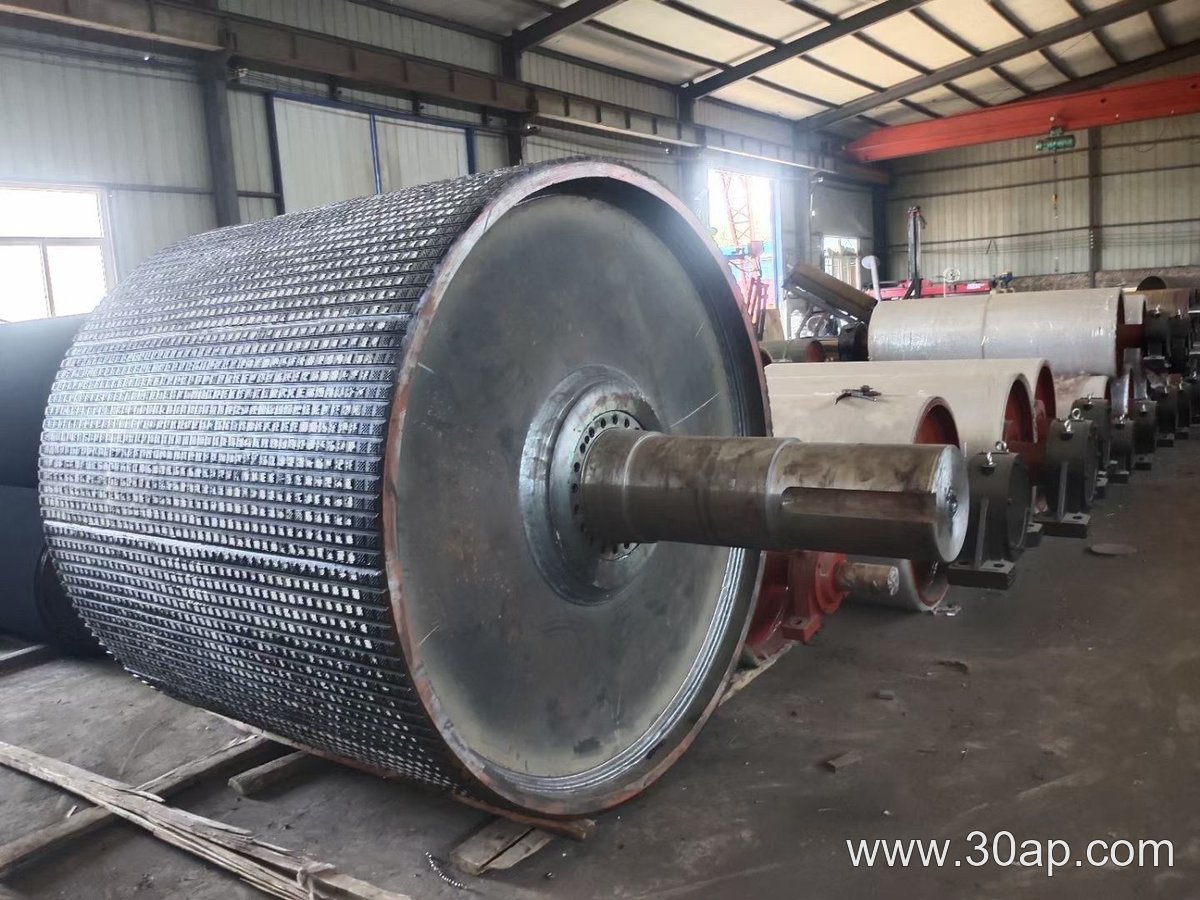
Face width is not simply belt width plus a random margin. For a conveyor pulley in a dusty quarry, a common preliminary rule is face width = belt width + 2 × edge clearance. Assume a belt width of 1,200 mm and an edge clearance of 100 mm per side, giving a hypothetical face width of 1,400 mm. Check that the belt remains fully supported during normal mistracking.
What Assumptions and Checks Matter
The 100 mm clearance is an illustrative project assumption, not a universal specification. Confirm it against belt manufacturer guidance, pulley diameter, lagging type and available shaft length. In dusty service, extra width can expose more shell to abrasive dust, so balance tracking tolerance against wear.
Can a conveyor bracket tolerate differential settlement?
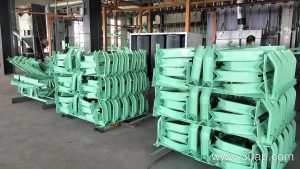
Assume a hypothetical bulk port terminal where the wharf deck settles unevenly. A rigid conveyor bracket bolted to the frame will tilt, shifting the idler axis and causing belt misalignment. The question is whether to shim, slot, or isolate the bracket.
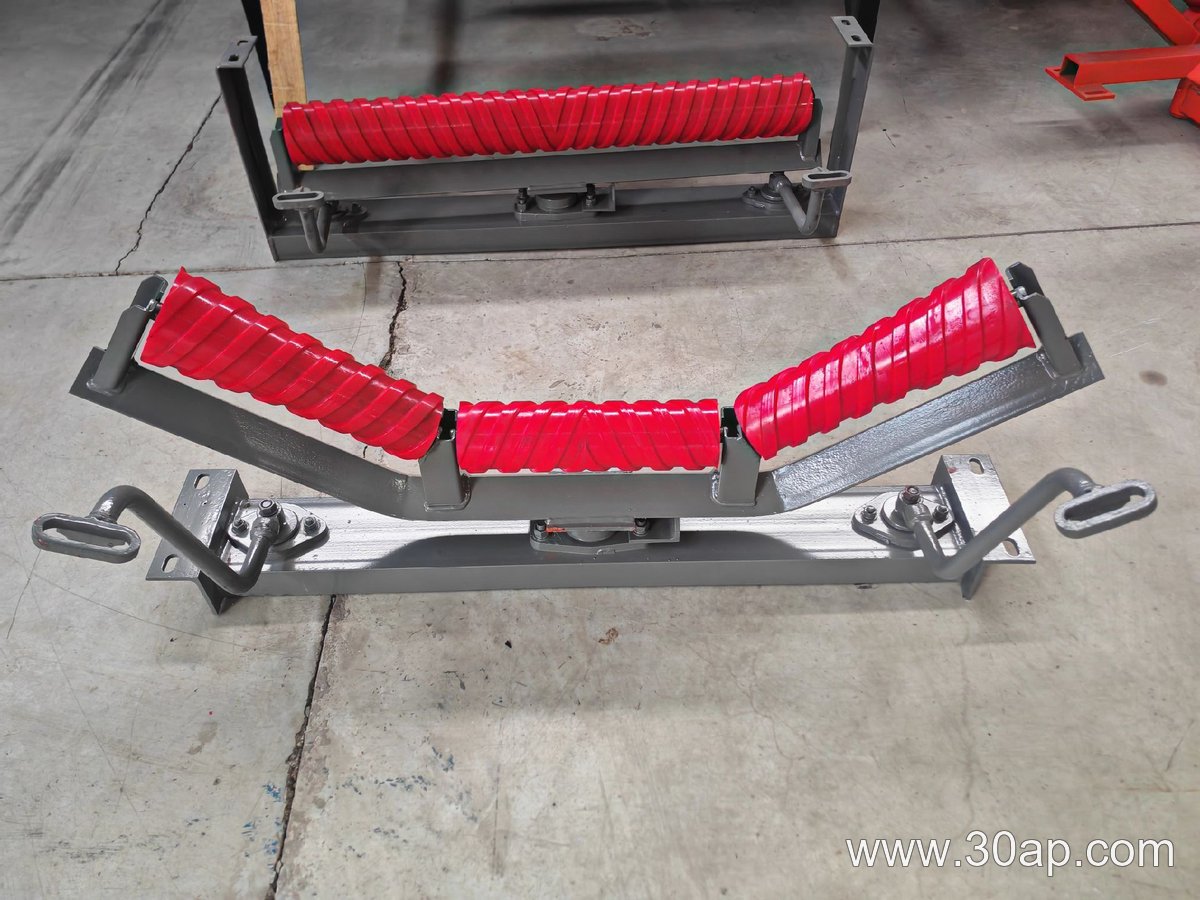
Shimming restores level but creates a soft load path if the shim stack creeps. Slotting allows adjustment but reduces bolt bearing area. The engineering decision depends on expected settlement magnitude, not on a universal rule.