What Makes a Ceramic Lagged Pulley Different
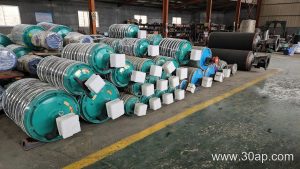
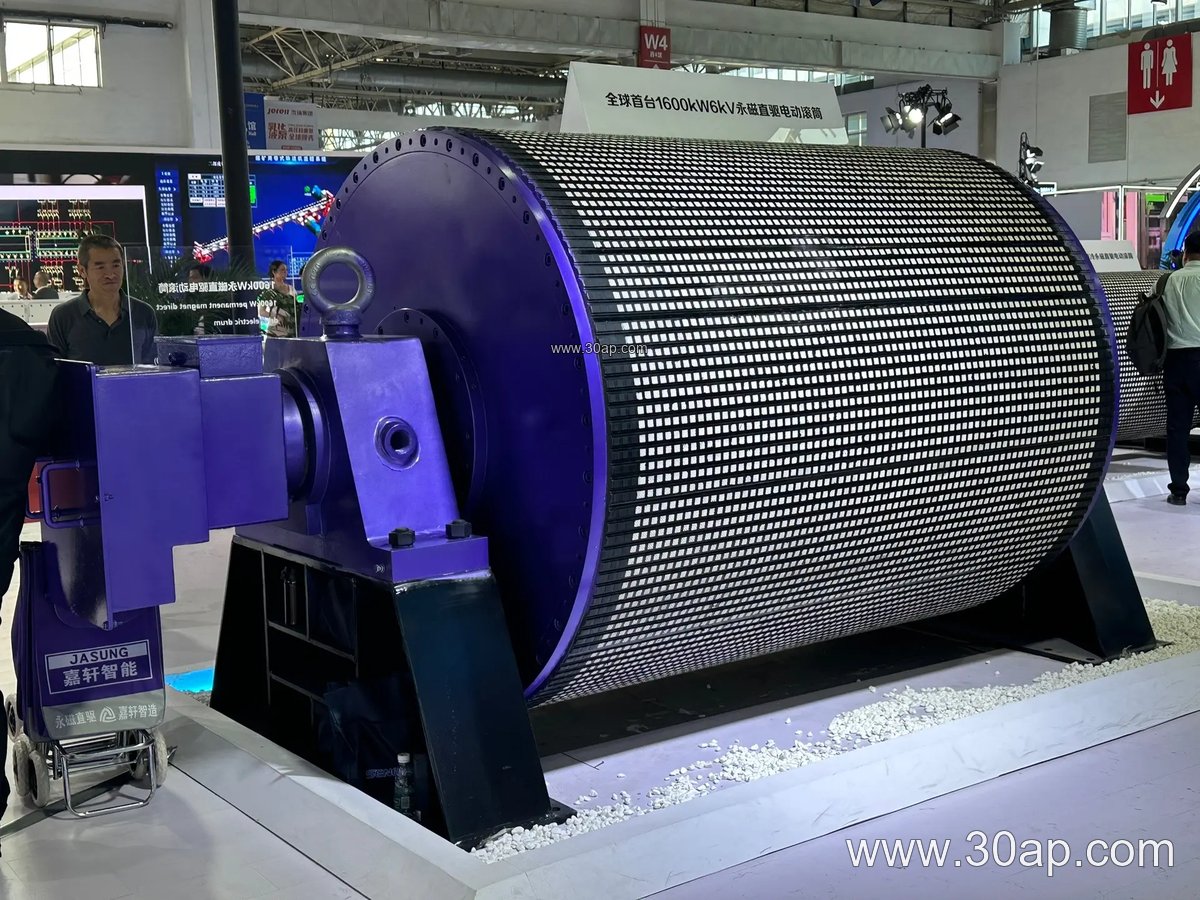
A heavy-duty ceramic lagged pulley is a conveyor pulley whose shell is fitted with ceramic tiles set in a rubber or polymer backing. The ceramic studs sit proud of the backing and bite into the underside of the conveyor belt as it wraps the pulley. This is the same product often described as a ceramic rubber lagged drum pulley or a ceramic tile lagged pulley, and the “heavy-duty” qualifier refers to the reinforced shell, thicker lagging and heavier bearing arrangement used in high-tension, high-tonnage duties.
Where a plain rubber lagging relies on friction alone, the ceramic surface combines friction with mechanical grip. On a wet, muddy or dusty belt, that difference matters. Water and fine slurry are squeezed away from the tile tips, so the drive pulley keeps transmitting torque instead of slipping.
How the Pulley Is Built
The structure is straightforward but the details decide service life:
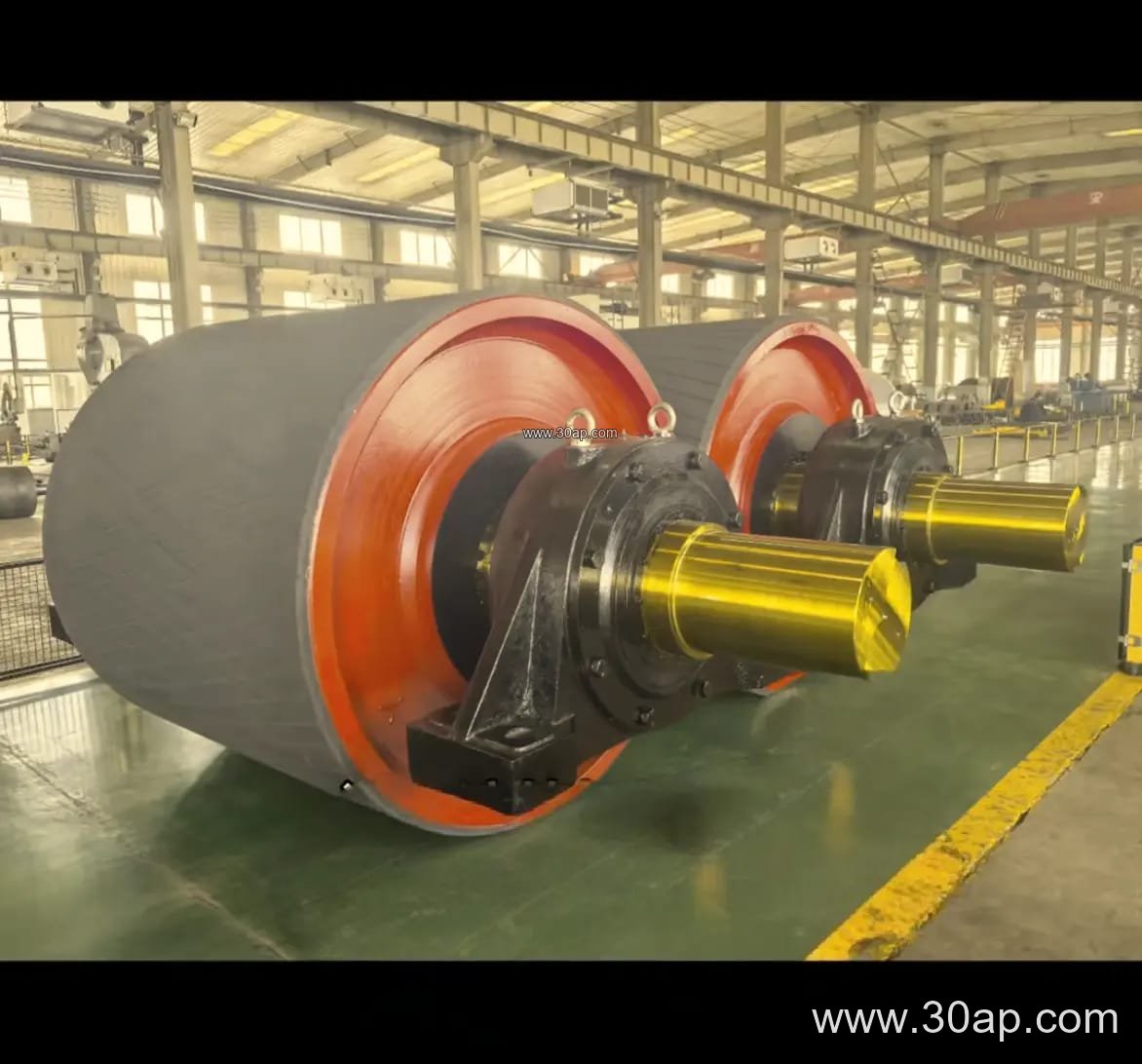
- Shell — rolled and welded steel, machined true, often with a slightly crowned face to help the belt track.
- Lagging — a rubber or polymer base, usually 8 to 20 mm thick, into which ceramic tiles are bonded and vulcanised.
- Tile pattern — square, rectangular or diamond-studded tiles, sometimes with grooves between them to channel water.
- Shaft and hubs — sized by torque and radial load, not by belt width. Common shaft diameters run from Ø50 up to Ø200 mm, but the final value comes from the drive calculation.
- Bearings and sealing — grease-lubricated plummer blocks, with labyrinth or felt seals for dusty plants.
Because the tiles are hard and brittle, the bonding process is the critical step. A poorly bonded tile can break free and damage the belt, so buyers should ask about tile retention and the vulcanising method rather than only the tile hardness.
Where It Fits in the Conveyor
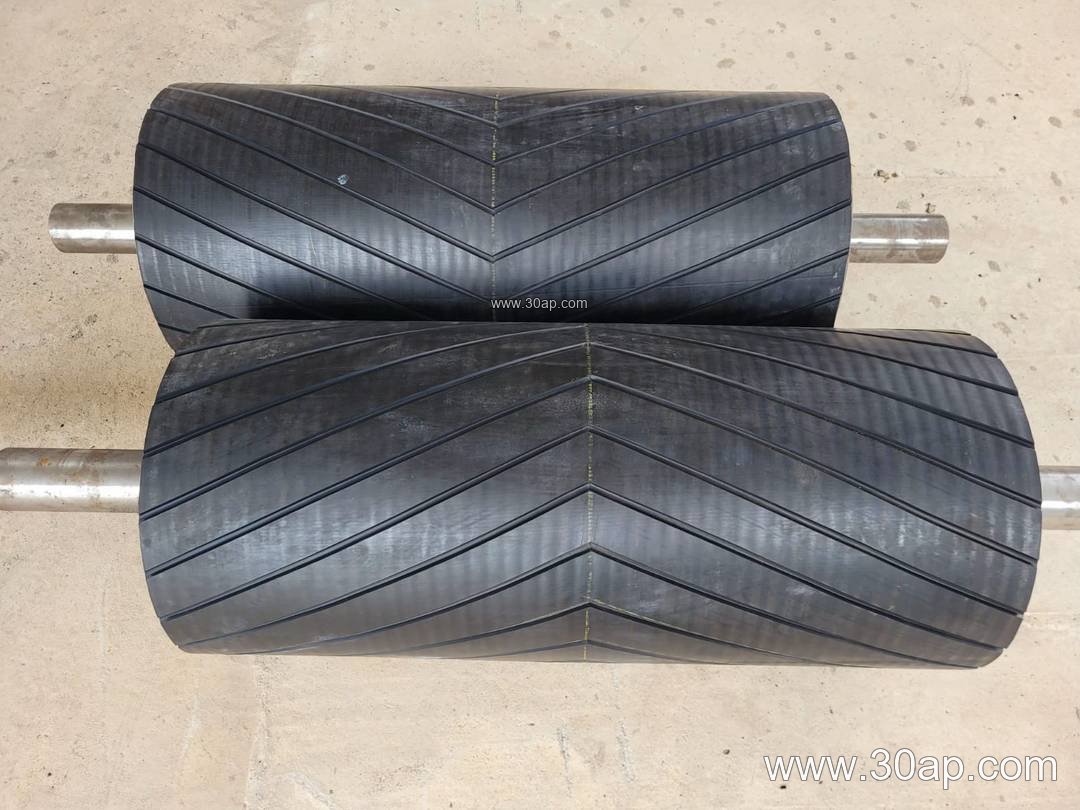
The ceramic lagged pulley is most often used as a drive pulley at the head of a conveyor, where wrap angle and torque are highest. In long overland or high-lift systems, a second ceramic-lagged drive pulley in a dual-drive arrangement is common. It can also appear as a tail pulley or a bend pulley on wet, dirty circuits, though a tail pulley and a bend pulley are not the same duty and should not be specified interchangeably.
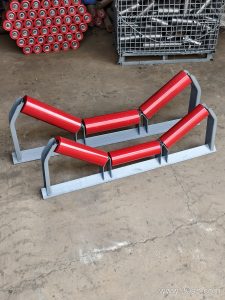
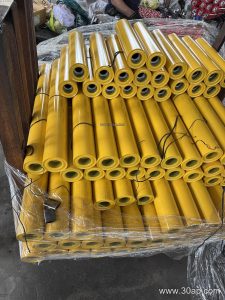
Typical industries include aggregate quarries, cement plants, coal handling at power stations, iron ore and copper ore concentrators, and port bulk terminals. In these plants the pulley works alongside the conveyor belt, idler rollers and conveyor brackets, and its grip directly affects how well the whole line holds load on an incline.
Matching Pulley to Belt and Duty
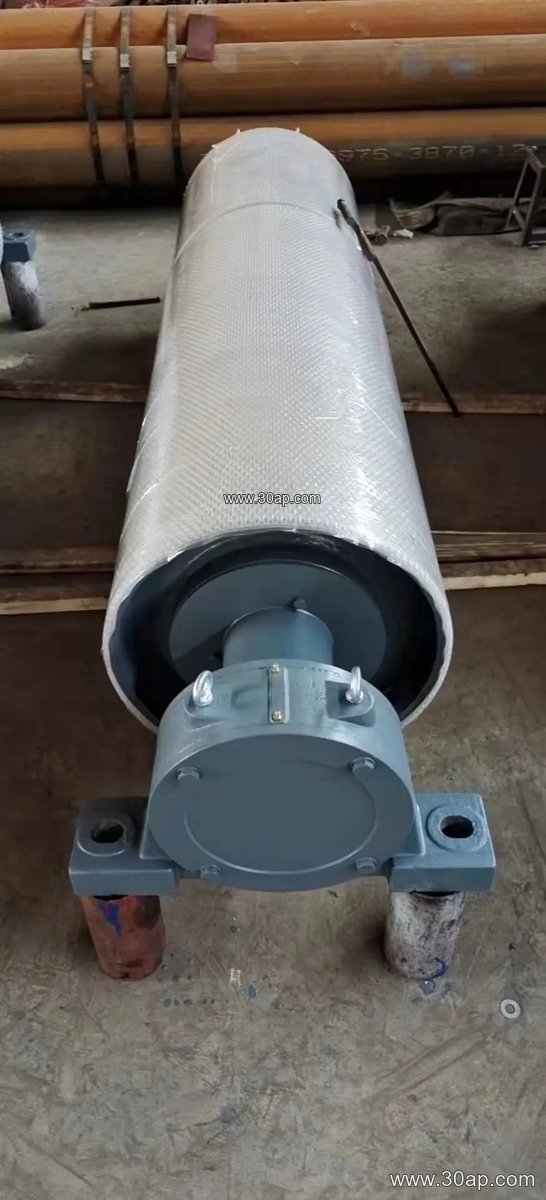
Belt width and pulley diameter are related but not locked together. A B800 belt might run on a Ø500 mm pulley in one layout and a Ø630 mm pulley in another, depending on belt tension, wrap angle and the belt’s minimum pulley diameter requirement. The table below shows typical face widths against belt widths, and some common diameter combinations.
| Belt width | Typical pulley face width | Example diameter combinations |
|---|---|---|
| B400 | approx. 500 mm | Ø200, Ø250, Ø315 |
| B500 | approx. 600 mm | Ø250, Ø315, Ø400 |
| B650 | approx. 750 mm | Ø315, Ø400, Ø500 |
| B800 | approx. 950 mm | Ø400, Ø500, Ø630 |
| B1000 | approx. 1150 mm | Ø500, Ø630, Ø800 |
| B1200 | approx. 1400 mm | Ø630, Ø800, Ø1000 |
| B1400 | approx. 1600 mm | Ø800, Ø1000, Ø1250 |
| B1600 | approx. 1800 mm | Ø1000, Ø1250, Ø1400 |
| B1800 | approx. 2000 mm | Ø1250, Ø1400, Ø1600 |
| B2000 | approx. 2200 mm | Ø1400, Ø1600, Ø1800 |
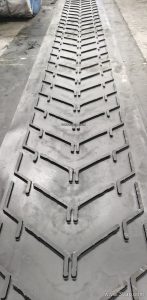
These are reference values, not fixed pairings. The belt manufacturer’s minimum pulley diameter and the actual operating tension should always be checked. A heavy-duty conveyor belt with a thick carcass, such as a steel cord conveyor belt or a high-tension EP conveyor belt, generally needs a larger diameter than a lighter fabric core belt of the same width.
What Buyers Should Check
Before ordering, confirm the following:
- Duty and position — drive, tail, bend or take-up. Each has a different load profile.
- Lagging thickness and tile pattern — 10 to 15 mm is common for general drive duty; thicker lagging suits very abrasive or wet service.
- Shaft diameter — calculated from torque and bearing load, not copied from belt width.
- Belt compatibility — the pulley diameter must meet the minimum specified for the belt, whether it is an abrasion resistant conveyor belt, a flame retardant conveyor belt or a heat resistant conveyor belt.
- Balance and runout — important on high-speed pulleys to avoid vibration and belt tracking problems.
- Environmental fit — dusty coal plants and wet quarries call for good sealing; cold climates may need low-temperature rubber in the lagging.
Ceramic lagging is not the right answer everywhere. On a clean, dry conveyor handling light material, a plain rubber lagged pulley costs less and works well. The ceramic version earns its place where slip, water, mud or fine abrasive slurry would quickly polish a rubber surface smooth.
Maintenance Notes
Inspect the tile surface periodically for cracked or missing tiles, especially after a belt misalignment event. Keep the pulley face clean; compacted material between tiles reduces grip. Check bearing grease and seal condition at the same time, since a failing bearing often shows up first as belt wander or unusual noise. With reasonable care, a heavy-duty ceramic lagged pulley can serve for many years in the toughest positions on a conveyor line.