What a Ø133 Return Idler Does on a Conveyor
The Ø133 return idler is a 133 mm diameter roller that supports the empty side of a conveyor belt on its return run. It sits beneath the belt after the material has been discharged, keeping the belt aligned and preventing sag between the head and tail sections. In quarries, coal handling plants and cement works, this idler roller is a common choice because its diameter suits medium to wide belts and helps reduce rolling resistance on long return spans.
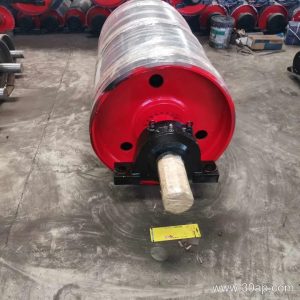
Unlike a carrying idler, the return idler does not need to shape the belt into a trough. Its job is steady support and low friction, so the belt can travel back to the tail pulley without dragging or mistracking. The Ø133 size is often paired with conveyor brackets that match the frame height, and it works alongside the conveyor pulley at each end of the run.
Construction and Common Configurations
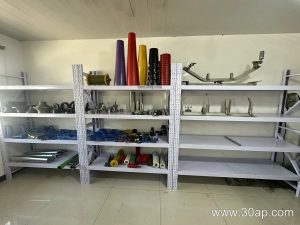
A typical Ø133 return idler uses a steel tube shell, welded end caps, a through shaft and sealed ball bearings. The roller surface may be plain steel, nylon-coated or fitted with rubber rings for quieter running or material buildup resistance. Bearing sizes vary by design; common selections include 6205, 6305, 6306 and 6308, but the bearing must match the shaft and load rating rather than the diameter alone.
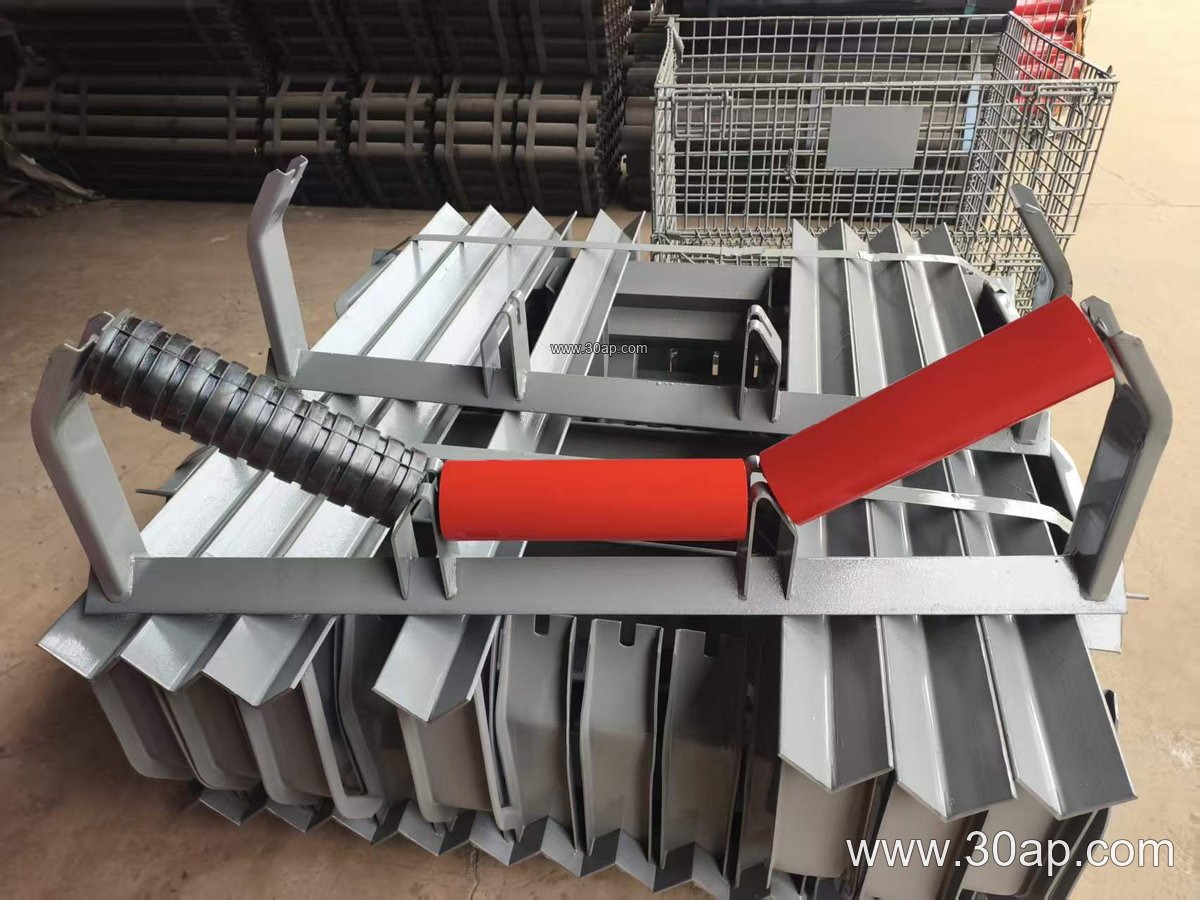
Return idlers come as single flat rollers, V-type return sets or two-roller arrangements. The flat single roller is the simplest and most common for standard return runs. V-type return idlers help center the belt on the return side, especially where mistracking is a concern. The table below shows common reference dimensions for Ø133 return idlers, but final roller length and shaft size are determined by the conveyor design, belt width and bracket spacing.
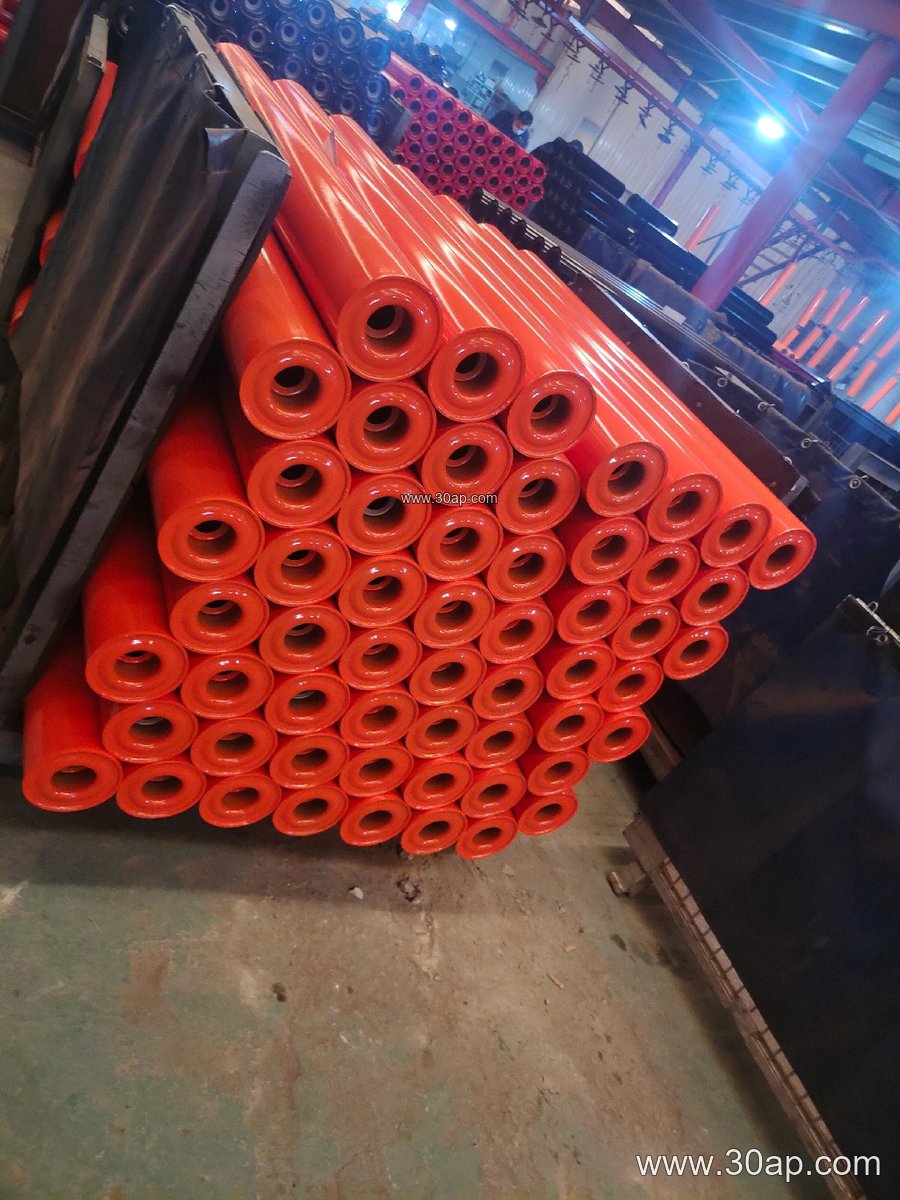
| Reference Item | Common Range or Example |
|---|---|
| Roller diameter | Ø133 mm |
| Belt width examples | B800, B1000, B1200, B1400, B1600 |
| Roller length | Usually sized to belt width and frame; for reference, three-roll carrying sets may use about 315 mm at B800 and 465 mm at B1200, while return roller length differs |
| Bearing examples | 6205, 6305, 6306, 6308 (selected by load and shaft) |
| Surface options | Steel, nylon, rubber rings |
These values are reference data, not a fixed pairing. A 133 mm return idler can be used across several belt widths, and the roller length must be confirmed against the conveyor bracket and frame layout.
Where It Fits in Bulk Handling
In a limestone quarry or a sand and gravel line, the return idler keeps the belt from rubbing on the structure after the crusher discharge point. In a coal washing plant or power station coal yard, it supports the belt on the return side where dust and fines can accumulate. The idler roller also appears in cement plants, steel works and port conveyor systems that handle abrasive bulk materials.
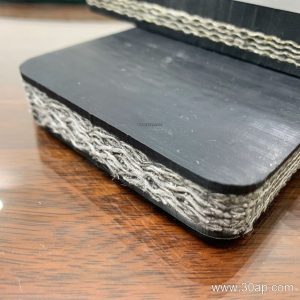
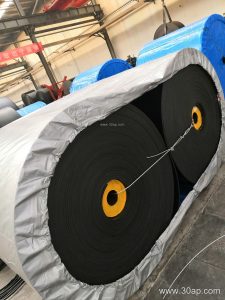
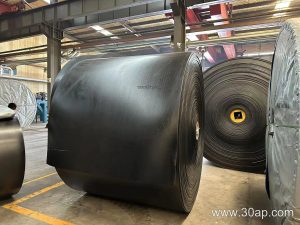
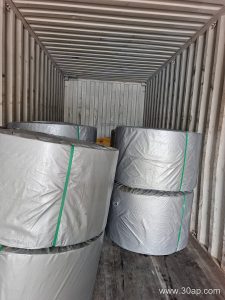
The return side often carries a different belt construction from the carrying side. A heavy-duty mining conveyor belt may run with a thick cover on top and a thinner cover underneath, so the return idler should have a smooth surface that does not damage the bottom cover. When the belt is a steel cord conveyor belt or a multi-ply fabric core conveyor belt, the return idler still performs the same support function, but the roller load and spacing are set by the belt tension and weight.
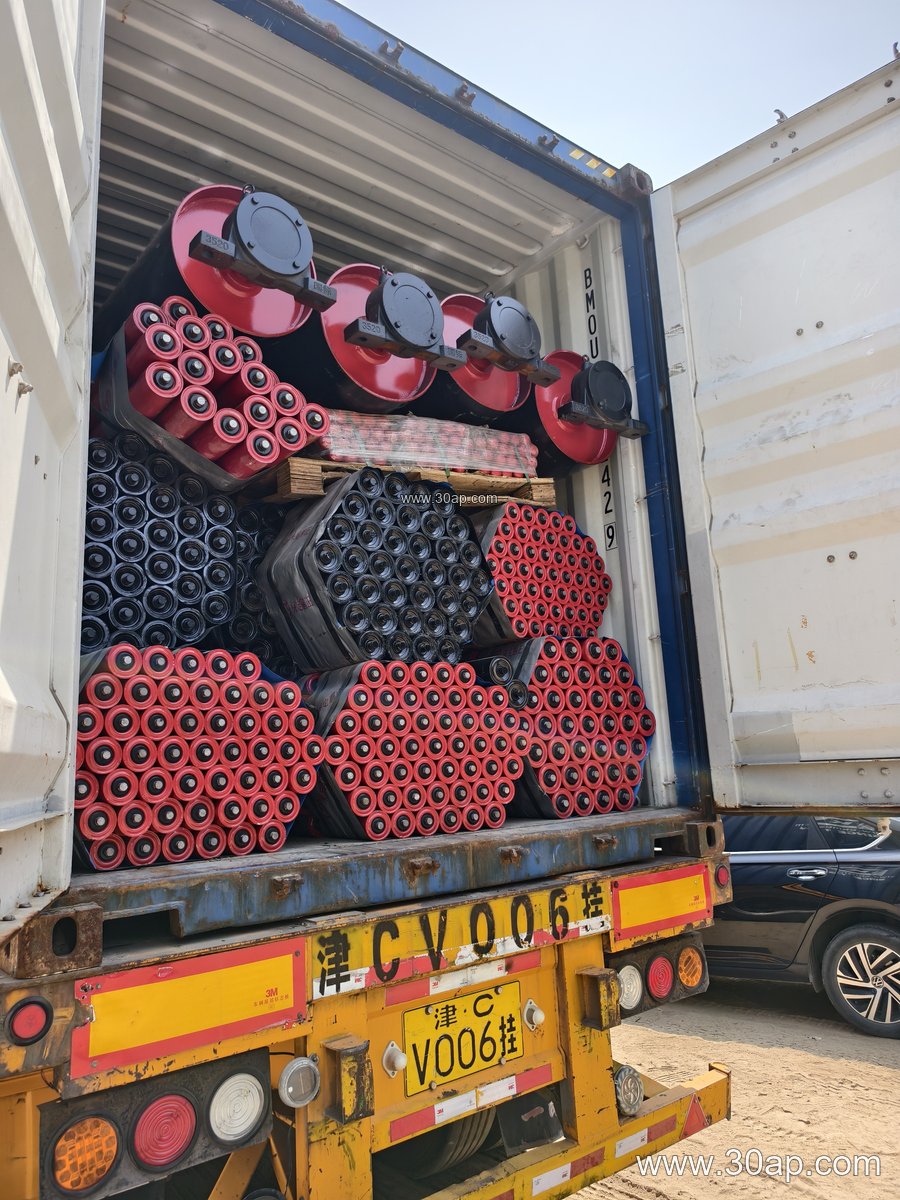
Buyer Checklist for Ø133 Return Idlers
Before ordering, confirm the shaft diameter, bearing type, roller length and mounting method. Check whether the conveyor uses a flat return idler, a V-type return set or a two-roller arrangement. Ask for the bracket dimensions and the distance between mounting holes, because a 133 mm roller from one supplier may not fit another frame.
Also consider the operating environment. In a quarry or aggregate plant, dust and grit call for effective bearing seals. In a cement plant, fine powder can penetrate poorly sealed bearings. In a coal mining conveyor or underground mining conveyor, flame retardant conveyor belt and anti-static properties may be required for the belt, and the idler should be selected to suit the same safety level. A food grade conveyor belt application would need a different idler finish and cleaning routine.
Finally, match the idler to the belt speed and load. A return idler that is too light for the belt tension may wear quickly, while an oversized roller adds unnecessary weight. The Ø133 return idler is a versatile mid-size roller, but it is not mandatory for every conveyor. For narrow belts, smaller diameters such as Ø89 or Ø102 may be more suitable; for very wide or heavily loaded belts, larger diameters may be needed. The right choice comes from the conveyor design, not from a single size rule.