What a Conveyor Idler Bracket Does on the Line
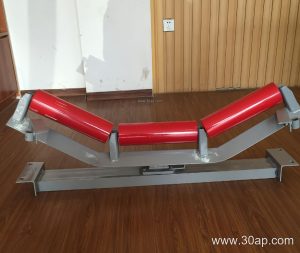
A conveyor idler bracket is the structural link between the rotating idler roller and the conveyor frame. It holds each roller at the correct height, angle, and spacing so the conveyor belt runs smoothly under load. In a quarry, a coal handling plant, or a cement kiln feed line, these brackets carry the weight of the belt and the material while keeping the idlers aligned. Without a properly sized and mounted bracket, even a high-quality idler roller will wear unevenly and the belt may drift. The bracket is often called a conveyor idler frame or roller support bracket, and it is one of the most practical parts to specify correctly because it affects belt tracking, idler life, and maintenance time.
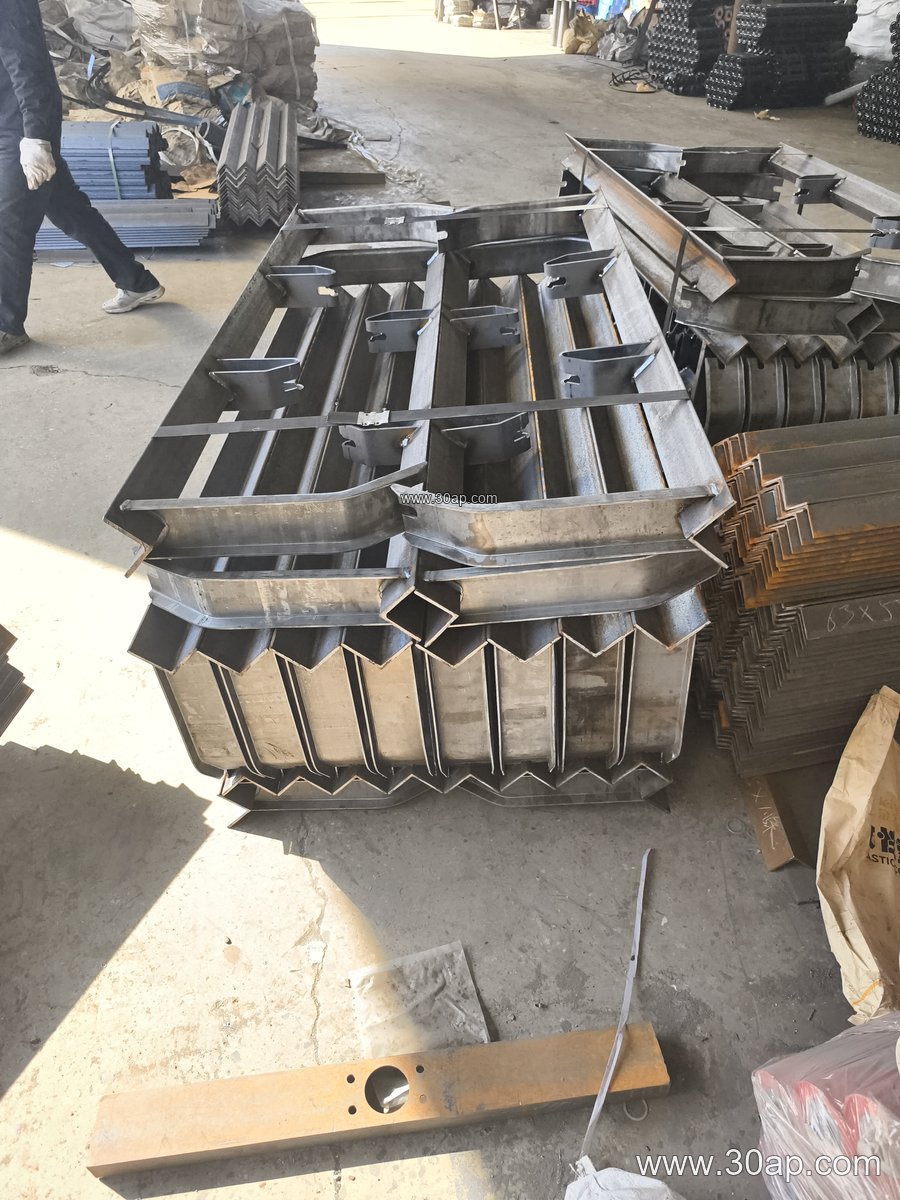
How the Bracket Is Built
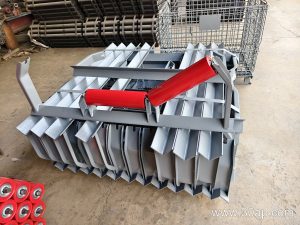
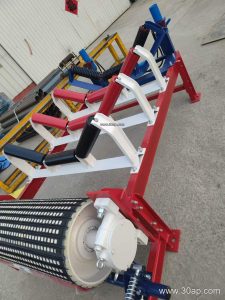
Most brackets are fabricated from angle steel, channel steel, or folded steel plate. The choice depends on the load and the environment. In a sand and gravel line, a folded plate bracket may be enough for a B800 belt with 30-degree troughing. In an iron ore or underground coal mining conveyor, heavier channel steel is common to resist impact and corrosion. The bracket usually includes mounting slots or holes that match the idler shaft ends, plus a crossbeam that sets the trough angle. Common trough angles are 20, 30, 35, and 45 degrees. Adjustable brackets allow the operator to change the angle within that range, which is useful when the same frame must handle different material profiles. For return runs, a V-return bracket or a flat return bracket keeps the belt supported on the lower side. Impact brackets near a crusher discharge are built with extra stiffness to absorb falling rock.
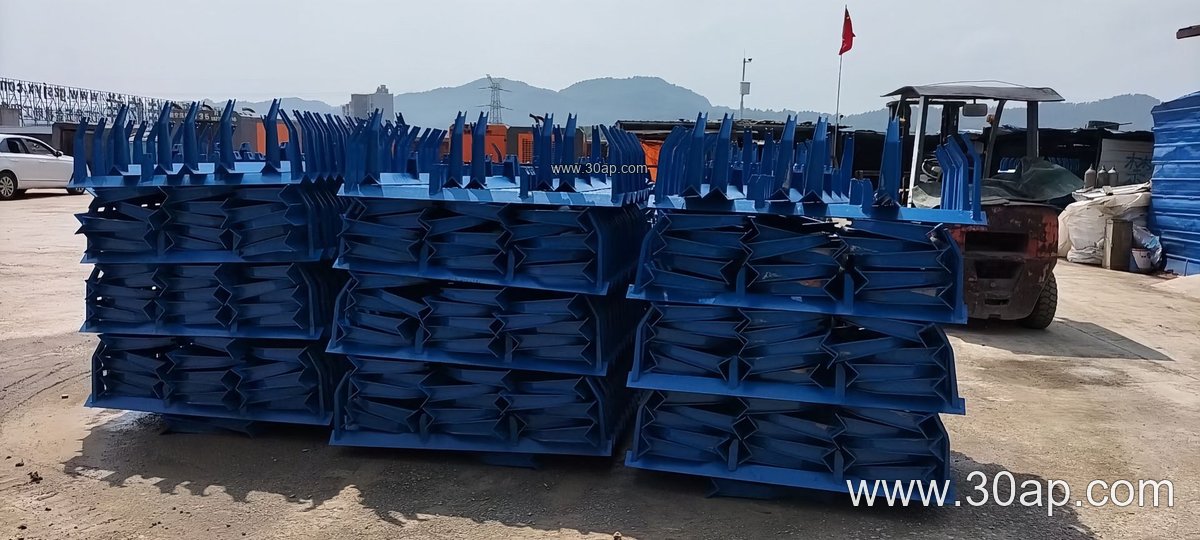
Where These Brackets Are Used
You will find conveyor idler brackets in almost every bulk handling circuit. In a limestone mine, they support the troughing idlers under a 1200mm wide conveyor belt carrying crushed stone. In a power plant coal yard, they hold idlers on a coal mining conveyor belt that must resist flame and static buildup. In a cement plant, heat-resistant conveyor belts run over brackets that must stay aligned despite thermal expansion. Port ship loading conveyors use wide belts and heavy-duty brackets to handle high tonnage. The same bracket design also appears in aggregate plants, fertilizer granulation lines, and tunnel spoil removal. Each site sets its own priorities: abrasion resistance near a crusher, corrosion resistance near a wash plant, and easy replacement in a confined underground gallery.
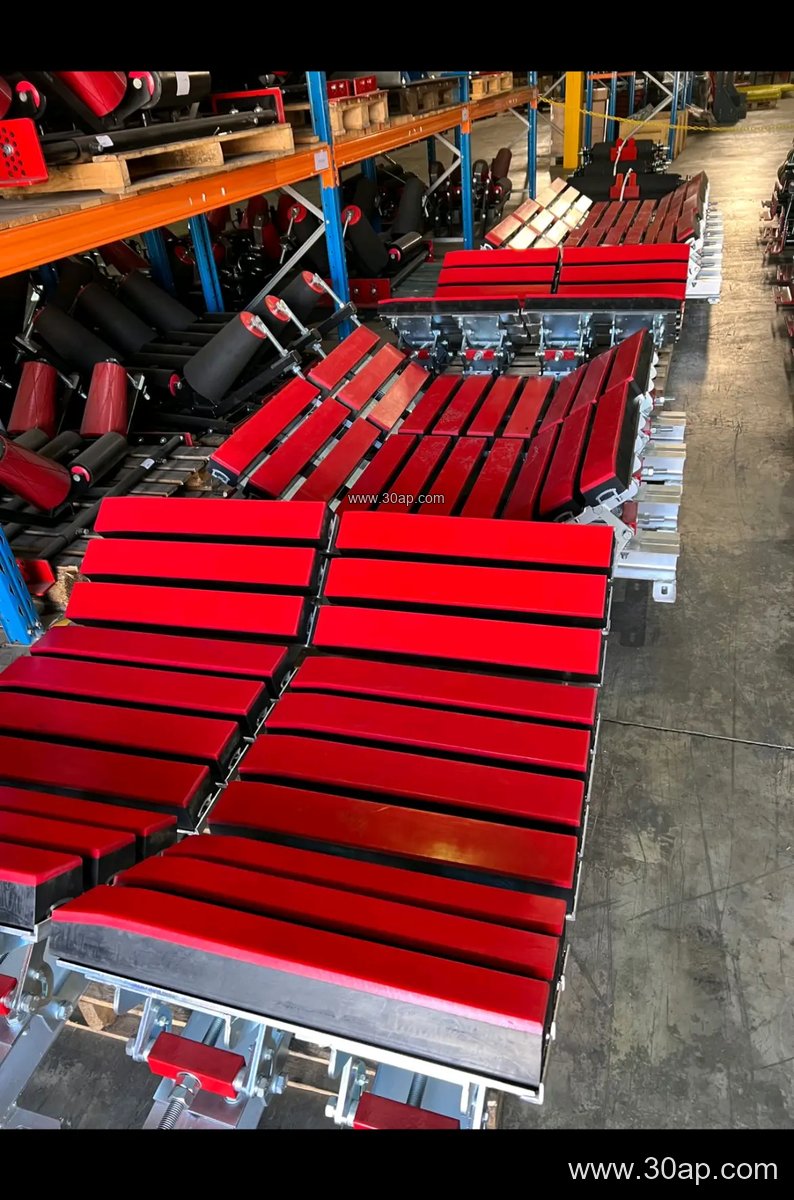
Matching Bracket, Belt, and Idler
Selecting a bracket is not just a matter of belt width. The bracket must match the idler shaft diameter, the trough angle, and the load. Common idler roller diameters include Ø89, Ø108, Ø133, Ø159, and Ø194. A B650 belt with 30-degree troughing may use Ø89 idlers, while a B1400 belt in a primary crushing circuit often uses Ø133 or Ø159. These are examples, not fixed rules. The bracket mounting hole spacing and crossbeam length change with belt width and trough angle, so they should be confirmed from the conveyor design rather than assumed. A pre-tilted bracket, often around 1.5 to 2 degrees, can help center the belt on the troughing idlers. Self-aligning brackets are another option where belt wander is a recurring problem.
Buyer Checklist Before Ordering
- Confirm the bracket type: troughing, transition, return, impact, or self-aligning. Each has a different mounting position.
- Check the idler diameter and shaft end: the bracket slot must fit the idler roller without play.
- Verify belt width and trough angle: a B1000 belt at 35 degrees needs a different crossbeam than the same belt at 45 degrees.
- Review the material and finish: painted steel for general service, galvanized or coated for wet conditions.
- Plan for adjustment: an adjustable bracket can simplify alignment after belt stretch or frame settlement.
For a complete conveyor system, the bracket works alongside the conveyor pulley, the drive and tail pulleys, and the belt itself. A well-matched bracket reduces idler vibration and helps extend the life of an EP conveyor belt or a steel cord conveyor belt in continuous duty. Whether the line handles abrasive rock or hot clinker, the conveyor idler bracket is a small part that keeps the whole belt path stable.