What the Idler Frame Does on a Conveyor
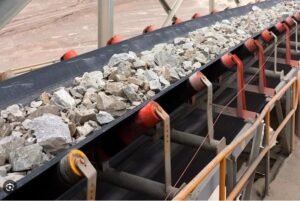
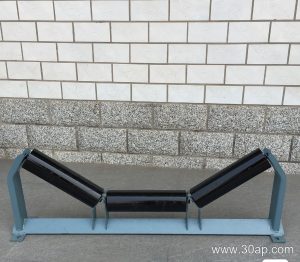
The belt conveyor idler frame is the structural element that holds idler rollers at the correct position and angle under the conveyor belt. Often called a conveyor idler bracket or idler support frame, it carries the weight of the belt, the material, and the rollers themselves. In a quarry or a coal handling plant, a well-built frame keeps the belt tracking straight, reduces spillage, and extends roller life. It is not a pulley and should not be confused with drive, tail, or bend pulleys, which serve different functions.
Construction and Materials
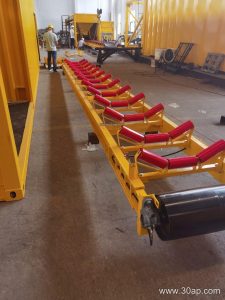
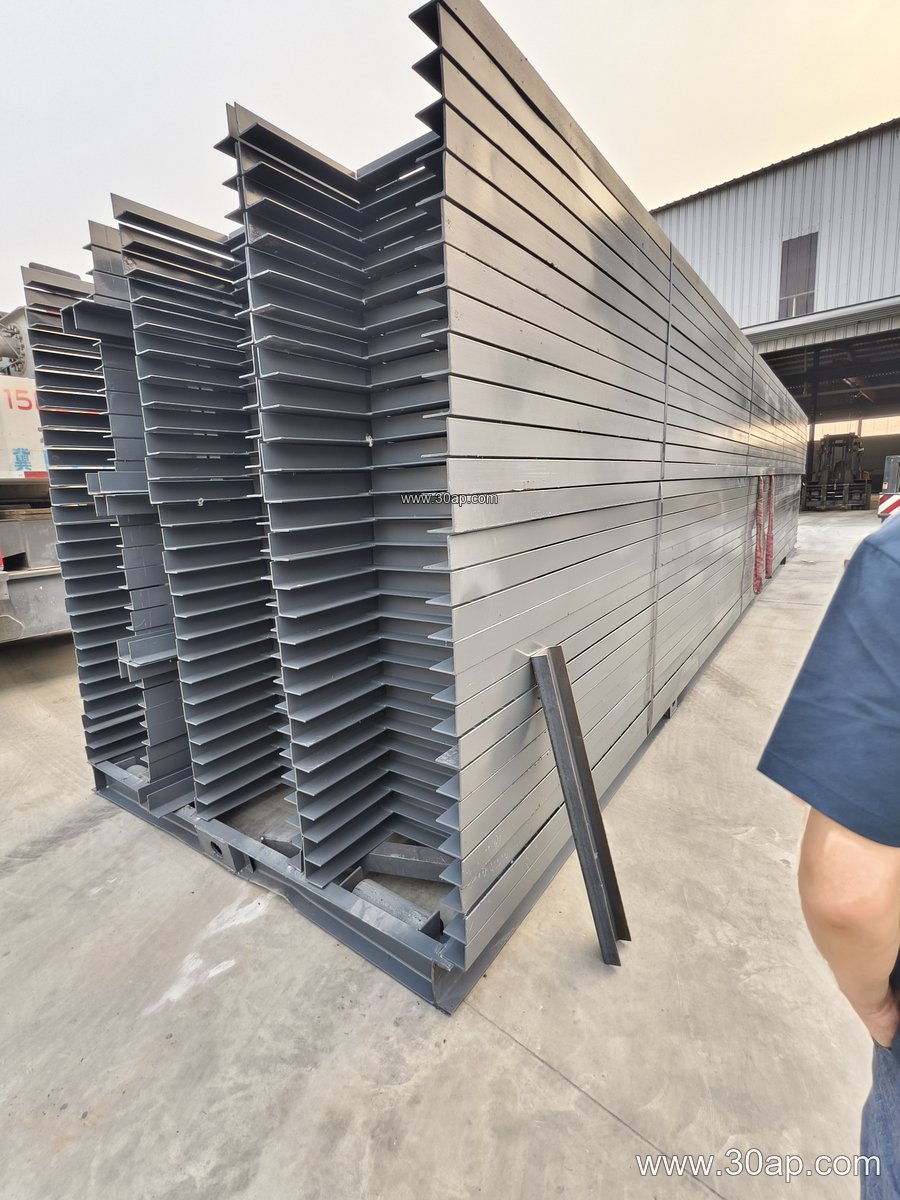
Most frames are fabricated from angle steel, channel steel, or folded steel plate. The choice depends on load and environment. A heavy-duty mining conveyor belt system typically uses thicker channel sections, while lighter aggregate lines may use folded plate. The frame includes mounting slots for the idler roller shaft, cross beams sized to the belt width, and base plates for bolting to the conveyor stringer. Installation hole spacing and beam length vary with belt width, trough angle, and roller diameter; they are not fixed numbers.
Common Types and Where They Fit
Different positions on the conveyor call for different frame designs:
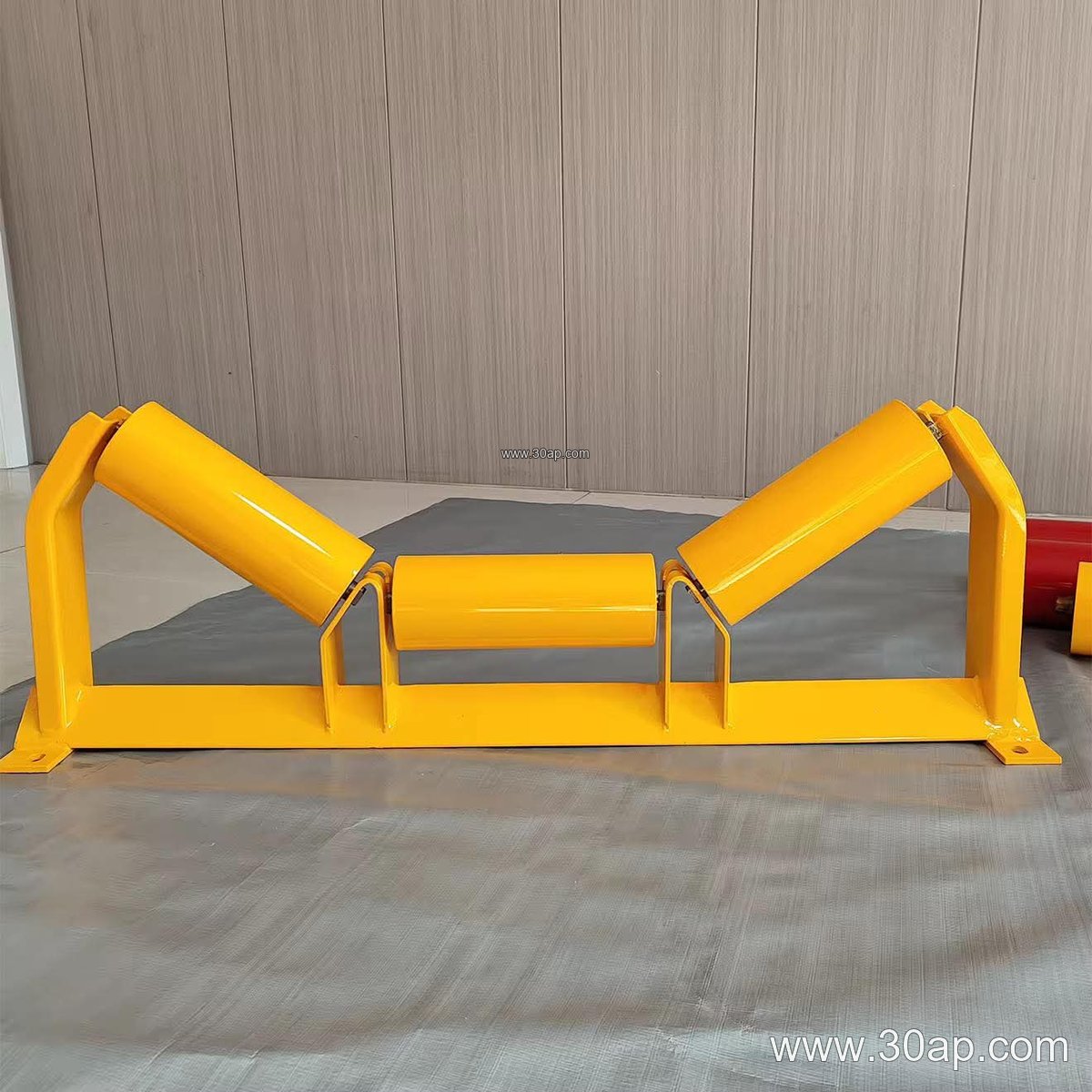
- Troughing idler frame – supports three or more rollers in a trough shape on the carrying side. Common trough angles are 20, 30, 35, and 45 degrees.
- Transition idler frame – used near pulleys to gradually change belt shape and reduce edge stress.
- Return idler frame – supports the belt on the return side; flat or V-shaped designs are common.
- Impact idler frame – placed at loading points to absorb shock from falling material.
- Self-aligning idler frame – helps correct belt misalignment; often used with training rollers.
- Adjustable idler frame – allows the trough angle to be changed on site, typically between 20 and 45 degrees.
- Suspended idler frame – hangs from a wire rope or chain, useful in tight or flexible layouts.
Forward-tilted frames, usually around 1.5 to 2 degrees, are sometimes used to improve belt tracking. A spiral roller frame is another variation for cleaning sticky material. These are support brackets, not pulleys.
Matching Frame to Belt and Roller
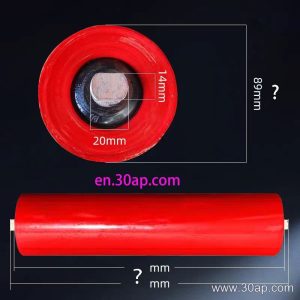
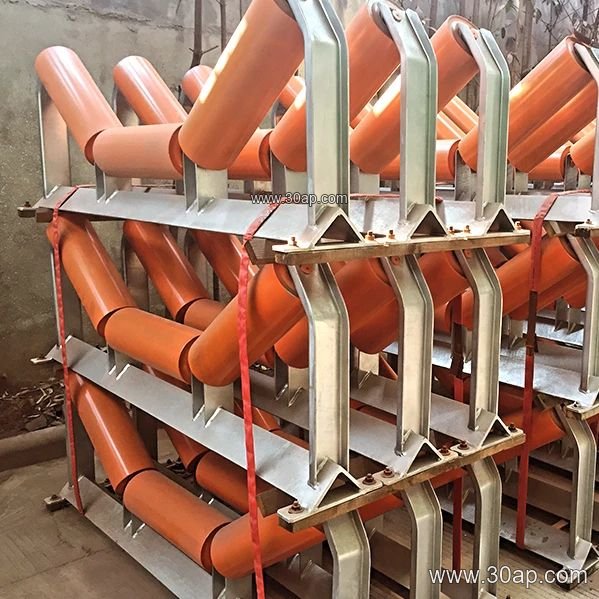
Belt width and roller diameter guide frame selection. Common belt widths include B500, B650, B800, B1000, B1200, B1400, B1600, and B1800. Roller diameters often range from Ø89 to Ø194. A typical combination might be B800 with a 35-degree trough and Ø108 rollers, or B1200 with a 45-degree trough and Ø133 rollers. However, no single belt width is limited to one trough angle or one roller diameter; the final match depends on material load, belt speed, and support spacing. For wide belts carrying abrasive ore, a heavy-duty frame with larger rollers may be appropriate. In a cement plant or power plant coal yard, a standard troughing frame with Ø133 rollers is common. Always confirm dimensions with the conveyor design.
Buyer Checklist
Before ordering a belt conveyor idler frame, check the following:
- Belt width and required trough angle (20, 30, 35, or 45 degrees).
- Roller diameter and shaft end type to ensure proper fit.
- Material and thickness of the frame steel, especially for corrosive or high-impact areas.
- Mounting hole spacing and beam length, which vary by design.
- Whether adjustable or fixed frames are needed for future changes.
- Compatibility with the conveyor bracket and stringer system.
Frames work together with the conveyor belt, idler rollers, and pulleys. A mismatched frame can cause belt edge damage, roller seizure, or material spillage. For example, a flame retardant conveyor belt in an underground coal mine still needs correctly aligned frames to avoid frictional heat. Similarly, a heat resistant conveyor belt in a cement kiln area requires frames that tolerate thermal expansion without distorting.
Maintenance and Long-Term Reliability
Regular inspection of the idler frame helps prevent unplanned downtime. Look for bent beams, worn mounting slots, loose bolts, and corrosion. In a sand and gravel plant, wash water and fines can accelerate rust; galvanized or painted frames last longer. In a steel plant, heat and scale may require heavier sections. Replacing a damaged frame early protects the conveyor belt and rollers from misalignment and premature wear. Keep spare frames for common belt widths on hand to reduce repair time.
For more information on idler frames and related conveyor components, visit our site at www.beltconveyoridler.com or www.conveyoridlerframe.com. You can also explore conveyor belt and roller options at www.conveyorbelt-idler.com.