What a 10mm EP Conveyor Belt Is
An EP conveyor belt, 10mm thick, is a fabric-core belt built around polyester (E) and nylon (P) warp and weft yarns. The 10mm figure refers to the total belt thickness, typically made up of multiple EP plies plus top and bottom rubber covers. This thickness puts the belt in a practical middle range for medium to heavy duty conveying, where a balance between flexibility, tensile strength and abrasion life matters. In cement plants, coal yards, sand and gravel operations and power plant coal handling, a EP rubber conveyor belt of this build is a common choice for moving bulk materials over long runs.
Construction and Layer Arrangement
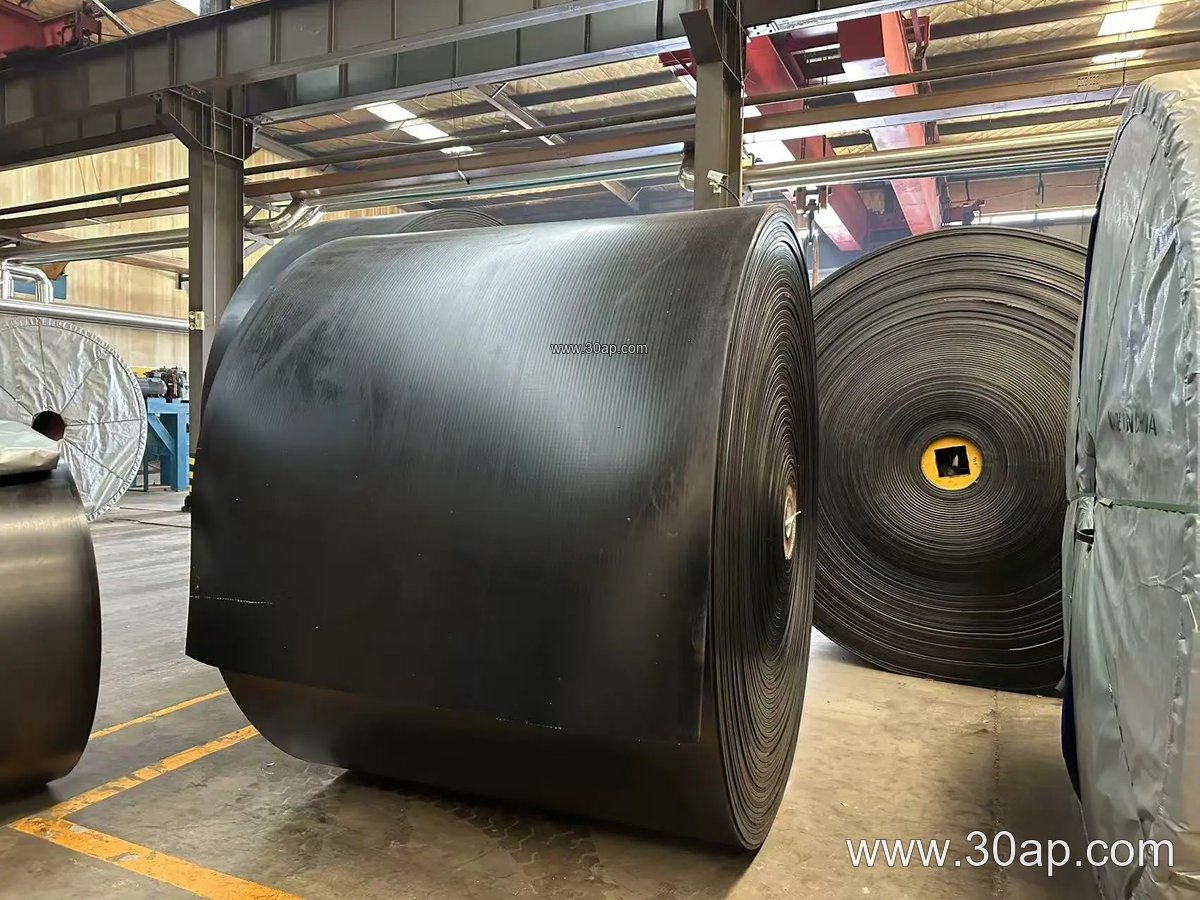
The belt is usually assembled from two to six EP fabric plies, depending on the required strength class. A 10mm thick belt might, for example, combine three or four plies with a 5+2 mm or 6+2 mm cover arrangement. The rubber covers protect the carcass from abrasion, moisture and impact, while the EP fabric provides low elongation and good troughability. The carcass is bonded through calendering and vulcanisation, and the edges are cut or moulded to suit the conveyor frame. Buyers should confirm the ply count, cover thickness and strength grade with the supplier, since these details vary between manufacturers.
Typical Strength Grades and Sizes
EP belts are graded by tensile strength per metre width. Common grades include EP200, EP315, EP400, EP500, EP630, EP800, EP1000, EP1250, EP1600 and EP2000. A 10mm thick belt can be supplied in several of these grades, so the thickness alone does not fix the strength. Widths generally follow standard ranges such as B500, B650, B800, B1000, B1200, B1400, B1600, B1800 and B2000. The table below gives reference data only; final specifications are set by the conveyor design.
Reference Data for EP Conveyor Belts
| Parameter | Common Reference Range |
|---|---|
| Belt type | EP fabric core (polyester-nylon) |
| Total thickness | 10 mm (this article) |
| Strength grades | EP200 to EP2000 |
| Ply count | 2 to 6 plies |
| Cover thickness | 3+1.5, 4+2, 5+2, 6+2, 8+3 mm |
| Belt widths | B500 to B2000 |
Where a 10mm Thick Belt Fits
This thickness is often specified for heavy-duty conveyor belt duties in quarry conveyors, aggregate plants, crusher feed and discharge lines, and cement plant clinker handling. It also appears in coal mining conveyor systems where flame retardant and anti-static properties are required. Because 10mm is not the thinnest option, it offers more rubber for abrasion resistance and impact absorption at transfer points. That makes it suitable for mining conveyor belt circuits that handle sharp rock, ore and abrasive stone, as well as for bulk material conveyor belt lines in ports and ship loading facilities.
Selecting the Right Belt for the Duty
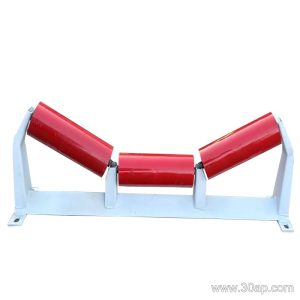
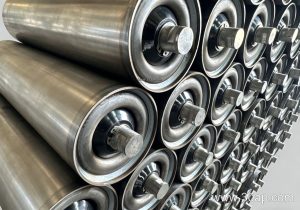
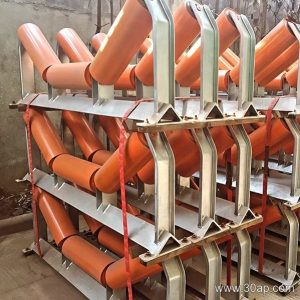
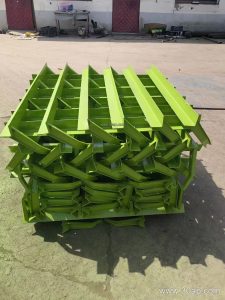
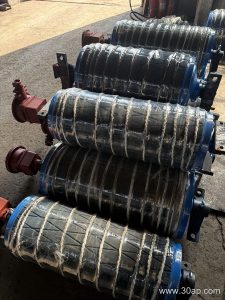
Selection starts with the material being carried, the tonnage per hour, the conveyor length and the pulley diameters. A 10mm thick EP belt needs suitable drive, tail and bend pulleys, correctly sized idler rollers and sturdy conveyor brackets. The belt should not be forced around pulleys that are too small for its thickness, as this can shorten service life. Buyers should also consider cover grade: an abrasion resistant conveyor belt for stone and gravel, a heat resistant conveyor belt for clinker or hot coke, an oil resistant conveyor belt for oily scrap, or a flame retardant conveyor belt for underground coal mining conveyor applications. For comparison, a steel cord conveyor belt may be chosen for very long, high-tension lines, while a 10mm EP belt remains a practical fabric-core option for many plant conveyors.
Buyer Checklist
- Confirm the required strength grade (EP200 to EP2000) and the number of plies.
- Check cover thickness and rubber grade against the material and operating temperature.
- Match belt width to the conveyor frame, idler roller and pulley dimensions.
- Ask for the splice method and edge condition suitable for the installation.
- Review storage and handling advice to avoid damage before fitting.
A 10mm thick EP belt is a versatile fabric-core product, but it is not a universal answer for every conveyor. The final choice should follow the conveyor design, the material handled and the environmental conditions on site.