What a Vertical Roller Does on a Conveyor
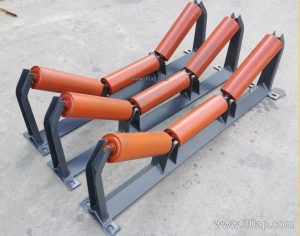
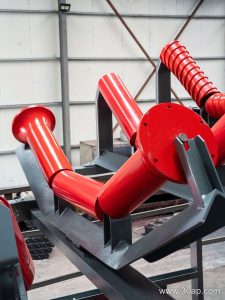
A vertical roller is a guide idler mounted in a near-vertical orientation, usually at the edges of the belt path, to keep the belt from wandering or lifting where the conveyor changes direction. In practice, the term is often used for the side guide rollers installed at transfer points, curve sections, and loading zones, where the belt needs lateral support rather than the flat or troughed support given by carrying idlers. It works together with the conveyor belt, the conveyor pulley, and the conveyor bracket, but its job is specific: control belt edge position and absorb side loads without interfering with the normal trough profile.
On a quarry conveyor belt line or a cement plant transfer tower, a vertical roller is usually a small-diameter, short-face idler with a sturdy bearing housing. Because it turns against the belt edge, the roller surface and sealing quality matter as much as the shaft strength.
Construction and Common Surface Forms
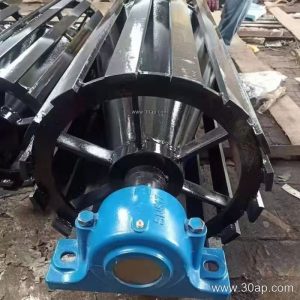
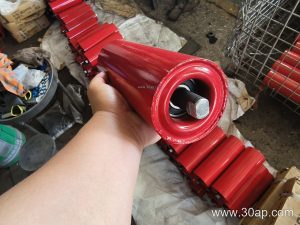
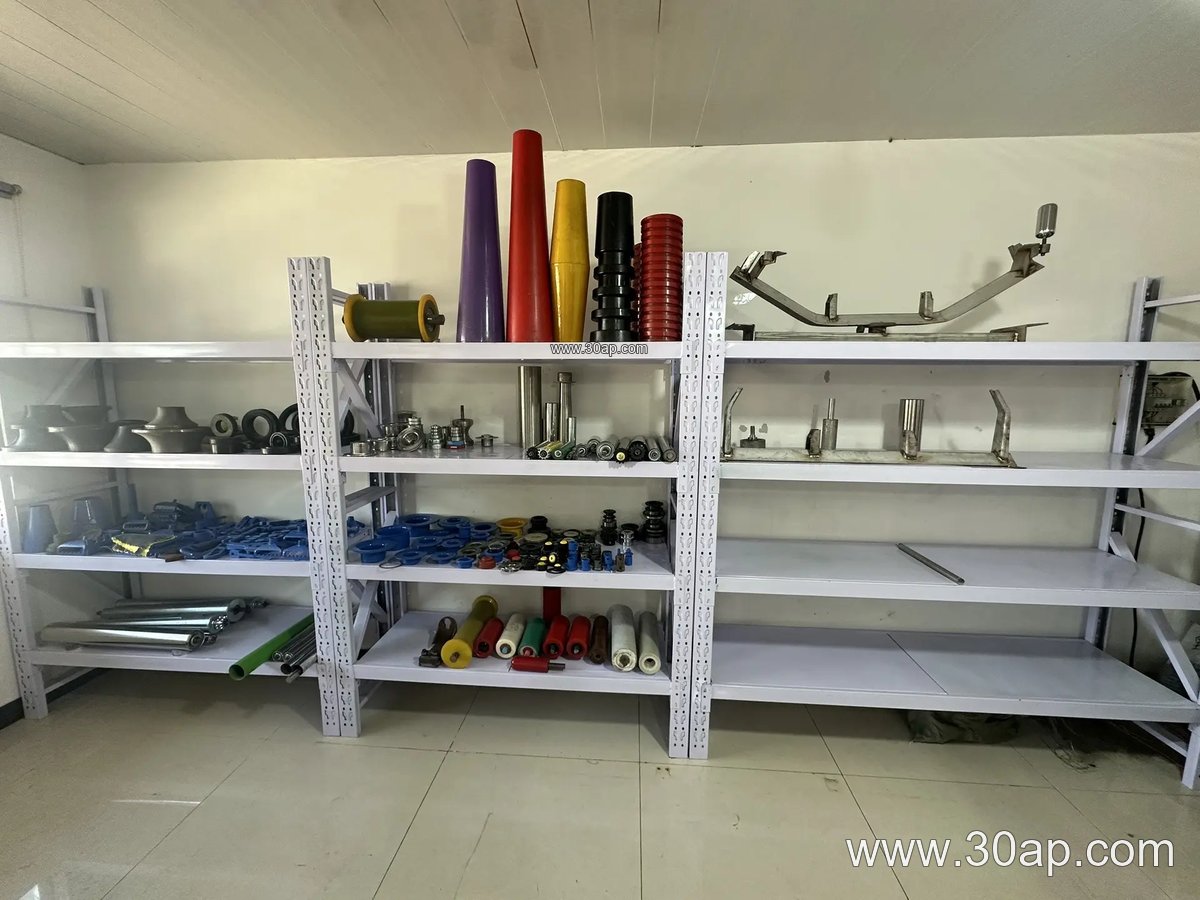
The body is typically a steel tube with machined ends, fitted with a shaft, sealed bearings, and a protective housing. Surface options follow the duty. A plain steel roll is common for light guidance; a nylon or ceramic sleeve reduces friction and wear where the belt edge rubs continuously; a rubber ring version adds grip and cushions impact at loading points.
Typical roller diameters for this duty sit in the smaller range, such as Ø63, Ø76, Ø89, Ø102, and Ø108 mm. Larger diameters are possible when the mounting space allows, but a vertical roller is usually selected for compactness. Bearing sizes commonly include 6204, 6205, and 6305, with the final choice set by load and shaft design rather than by roller diameter alone.
Reference dimensions for orientation
| Item | Common reference values |
|---|---|
| Roller diameter | Ø63, Ø76, Ø89, Ø102, Ø108, Ø127 mm |
| Bearing | 6204, 6205, 6305, 6306 |
| Roller surface | Steel tube, nylon, ceramic, rubber ring |
| Belt width served | B500, B650, B800, B1000, B1200, B1400 |
These are reference ranges, not fixed pairings. A vertical roller for a B800 belt and one for a B1400 belt may share a diameter but differ in shaft, bracket, and bearing selection.
Where It Fits in the Plant
In a coal mining conveyor or a power plant coal handling line, vertical rollers are often placed near the tail pulley and at curve transitions, where the belt tends to climb or shift. In a sand and aggregate plant, they appear at the discharge of a crusher conveyor, helping the belt stay centered as material lands off-center. In a limestone quarry or iron ore terminal, the same roller protects belt edges on long inclined runs exposed to wind and side loading.
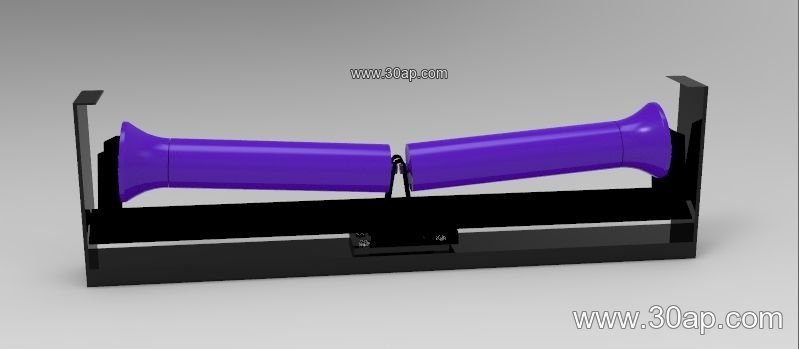
The roller is not a replacement for a self-aligning idler or a return roller. A friction self-aligning roller corrects tracking through angled rolls across the belt width, while a vertical roller acts at the edge. On a conveyor with a fabric core conveyor belt, edge guidance is often enough; on a steel cord conveyor belt running at high tension, the mounting bracket and roller stiffness need more attention.
Selection Points for Buyers
- Belt width and edge position: confirm the belt width, such as B650 or B1200, and the exact gap between the roller face and the belt edge. Too much clearance gives no guidance; too little causes edge wear.
- Load direction: decide whether the roller takes occasional side contact or continuous thrust. Continuous thrust calls for a wear-resistant sleeve and a well-sealed bearing.
- Environment: dusty coal, abrasive ore, and wet cement service all shorten bearing life. Specify sealing and lubrication accordingly.
- Mounting: check that the conveyor bracket matches the shaft end and adjustment slot. A vertical roller is usually adjustable, so the bracket design should allow fine positioning.
- Belt type compatibility: a chevron conveyor belt or corrugated sidewall conveyor belt has raised profiles that can clash with edge rollers. Confirm the profile height and keep the roller clear of cleats.
For high-abrasion duty, an abrasion resistant conveyor belt paired with a ceramic-faced vertical roller can reduce maintenance frequency. In cold climates, a cold resistant conveyor belt may be more flexible at the edges, so roller pressure should be set conservatively.
Installation and Maintenance Notes
Set the roller so that it touches the belt only when the belt actually drifts, or with a small controlled preload where continuous guidance is intended. Check alignment after any pulley change, because a new conveyor pulley or a re-lagged drive pulley can shift the belt path. Inspect for flat spots, seized bearings, and worn sleeves; a seized vertical roller will rub and damage the belt edge quickly.
Keep spare rollers on hand for critical transfer points in a port conveyor or underground mining conveyor. Matching the shaft and bracket to the existing structure avoids field modification. For more guidance on idlers, pulleys, and belt selection, see the component notes at example.com/vertical-roller and the belt references at example.com/conveyor-belt.