What the ST1000 Conveyor Belt Is
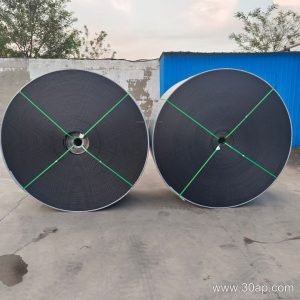
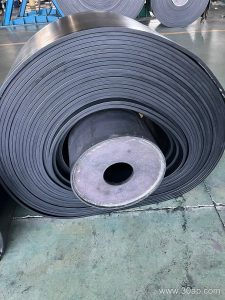
The ST1000 Conveyor Belt is a steel cord conveyor belt with a nominal tensile strength of 1000 N/mm. In the ST series, the number after “ST” indicates the belt’s longitudinal strength class, so this model sits in the mid-range of steel cord belting, above ST630 and below ST1250 and ST1600. It is used where a single long conveyor must carry large tonnages without excessive stretch, and where fabric-core belting would need too many plies or too many transfer points.
Because the carcass is made of steel cords rather than woven fabric, the belt combines high strength with low elongation. That makes it a practical choice for main haulage lines in mining, cement plants, power stations, ports, and large sand and gravel operations.
How the Belt Is Built
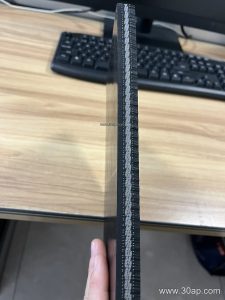
The carcass consists of parallel steel cords embedded in a rubber core compound. A layer of transverse reinforcement usually sits above and below the cords to hold spacing and improve resistance to tearing and impact. Cover rubber is applied to both faces, with the top cover normally thicker for carrying material and the bottom cover sized for pulley contact.
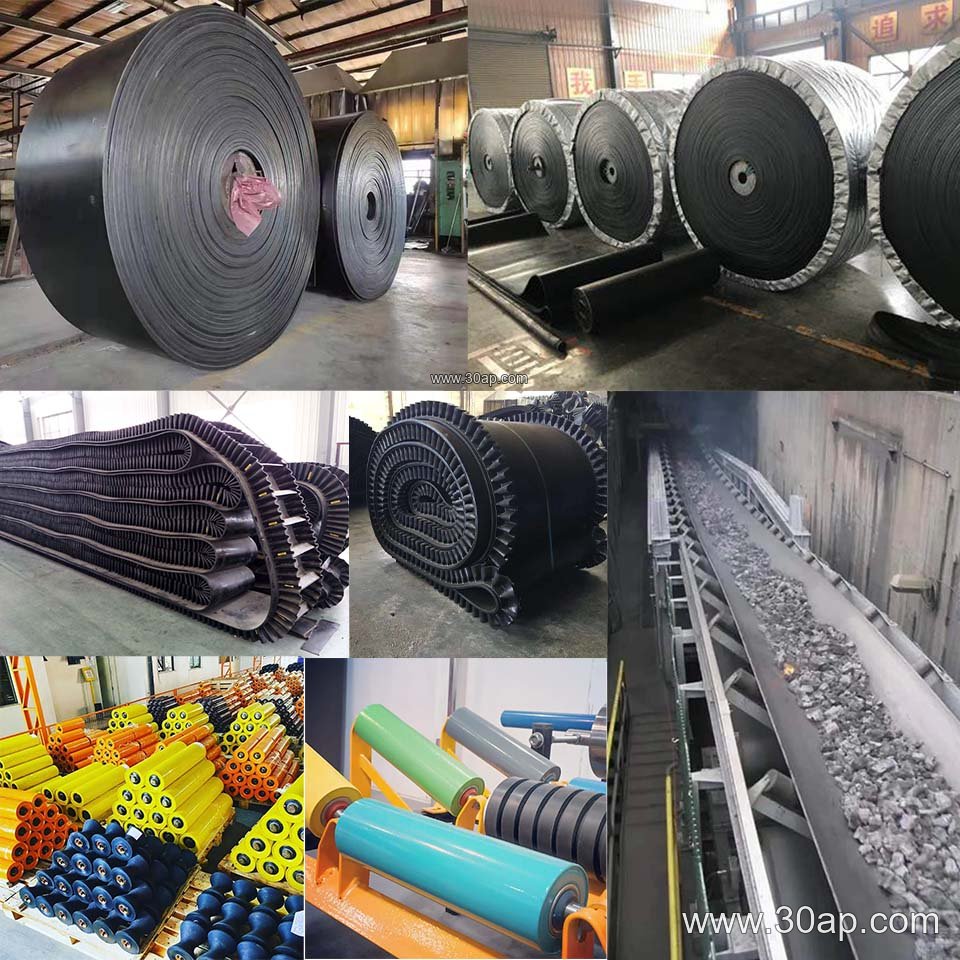
Common cover constructions in this strength class include 6+2 mm, 8+3 mm and heavier combinations, selected according to lump size, drop height and abrasion severity. Buyers should treat these as reference values; the final cover thickness is set by the conveyor design and the supplier’s data sheet.
Typical reference data
- Strength class: ST1000 (1000 N/mm)
- Carcass: steel cord, single-plane cord arrangement
- Common widths: 800 mm, 1000 mm, 1200 mm, 1400 mm, 1600 mm
- Cover grades: abrasion resistant, heat resistant, flame retardant, cold resistant
- Typical top/bottom covers: 6+2 mm, 8+3 mm
Where It Is Used
Steel cord belting of this class is common on long overland conveyors, incline shafts, stockyard feed lines and crusher discharge belts. In coal mining and underground coal mining, flame retardant and anti-static versions are usually specified. In cement plants it handles clinker and limestone; in power plants it moves coal from stockpile to bunker; in iron ore and copper ore operations it carries abrasive, heavy lump material.
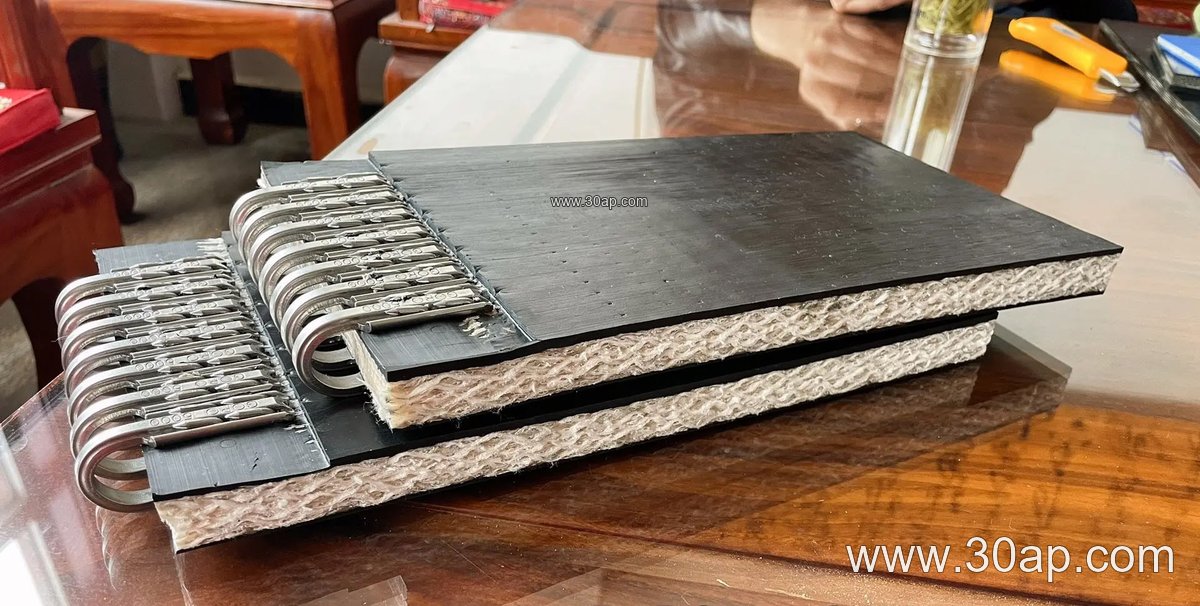
For a primary crusher discharge or a rocky quarry face, an impact resistant cover and adequate transition idler spacing matter as much as the strength class. Where the route curves, a pipe conveyor belt or a corrugated sidewall design may be considered instead, but these are different constructions and should not be treated as substitutes for a standard ST1000 belt.
Selection Points for Buyers
Belt strength is only one input. The conveyor calculation should confirm the working tension with a suitable safety factor, then check take-up travel, pulley diameters and the transition distance from the tail pulley to full troughing. A 1000 N/mm belt is not tied to one pulley size or one shaft diameter; those values follow the conveyor design, the cord pitch and the manufacturer’s recommendations.
Other points worth confirming:
- Cover grade matched to the material: abrasion resistant for stone and ore, heat resistant for clinker, oil resistant where lubricants or oily cargo are present.
- Splice method and cord spacing, since steel cord belts are usually spliced on site.
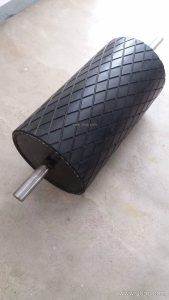
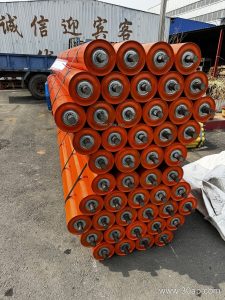
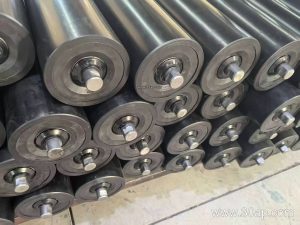
- Compatibility with existing conveyor pulleys, idler rollers and conveyor brackets.
- Belt width and edge condition, especially on troughed sections and curves.
Installation and Maintenance Notes
Steel cord belts need correct alignment during installation. Misalignment accelerates edge wear and can damage the cords at the splice. Keep the conveyor pulley surfaces clean, check idler roller rotation regularly, and inspect the belt at the splice and at loading points where impact is highest.
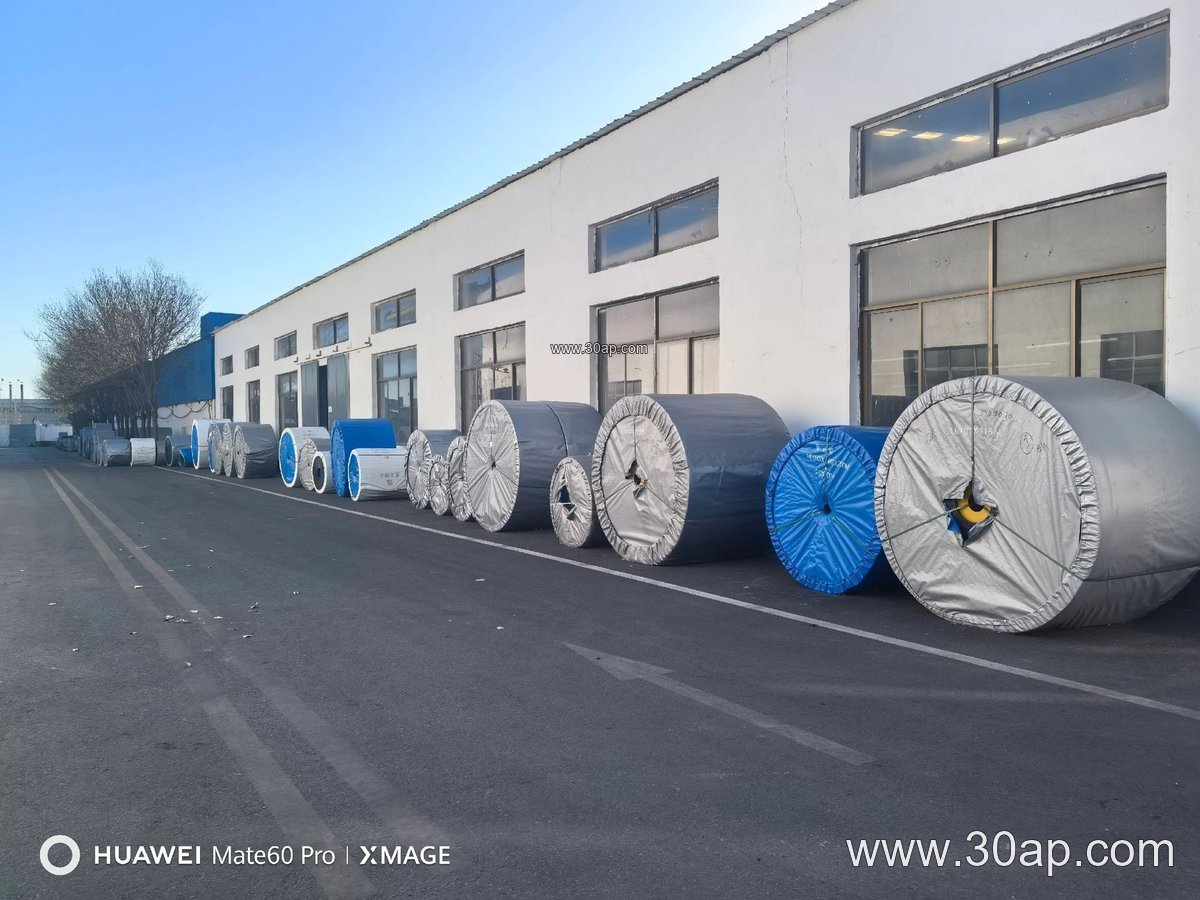
Track cover wear and cord exposure; once cords are visible, plan replacement. Store spare belts on a dry, flat surface and avoid sharp bends that could kink the cords. For long-haul systems, a planned inspection routine is usually more cost-effective than reactive repairs.
For related components such as conveyor pulleys, idler rollers and conveyor brackets, match the specification to the belt’s tension and load profile rather than to belt width alone. At www.wearbelts.com, ST1000 conveyor belt enquiries are usually handled together with these matching parts.
Whether the site is an underground mine, a cement kiln line or a port stockyard, the ST1000 Conveyor Belt is a workhorse class of steel cord belting when the duty calls for high strength, low stretch and reliable long-distance haulage.