What a Conveyor Equipment Idler Does on the Line
A conveyor equipment idler is the rotating support that carries the belt and the material load between the head and tail of a conveyor. It looks simple, but it sets the running resistance, belt tracking behavior and the service life of the whole line. In a quarry, a cement plant or a power plant coal yard, a few poorly matched idlers can raise power draw and shorten belt life. The same component is also called a belt conveyor idler or simply an idler roller, and that second name is useful when talking about the roller body itself rather than the complete station.
How a Station Is Put Together
A carrying station usually combines a steel frame, one or more rollers, bearing housings and a sealing arrangement. The roller shell is commonly steel tube, with nylon, ceramic or rubber ring surfaces available where wear or build-up is a concern. Bearings such as 6204, 6205, 6305, 6306, 6308 or 6310 appear across the range, matched to shaft and load rather than to belt width alone. A labyrinth or contact seal keeps fines and water out, which matters most in crushing circuits and wash plants where dust is constant.
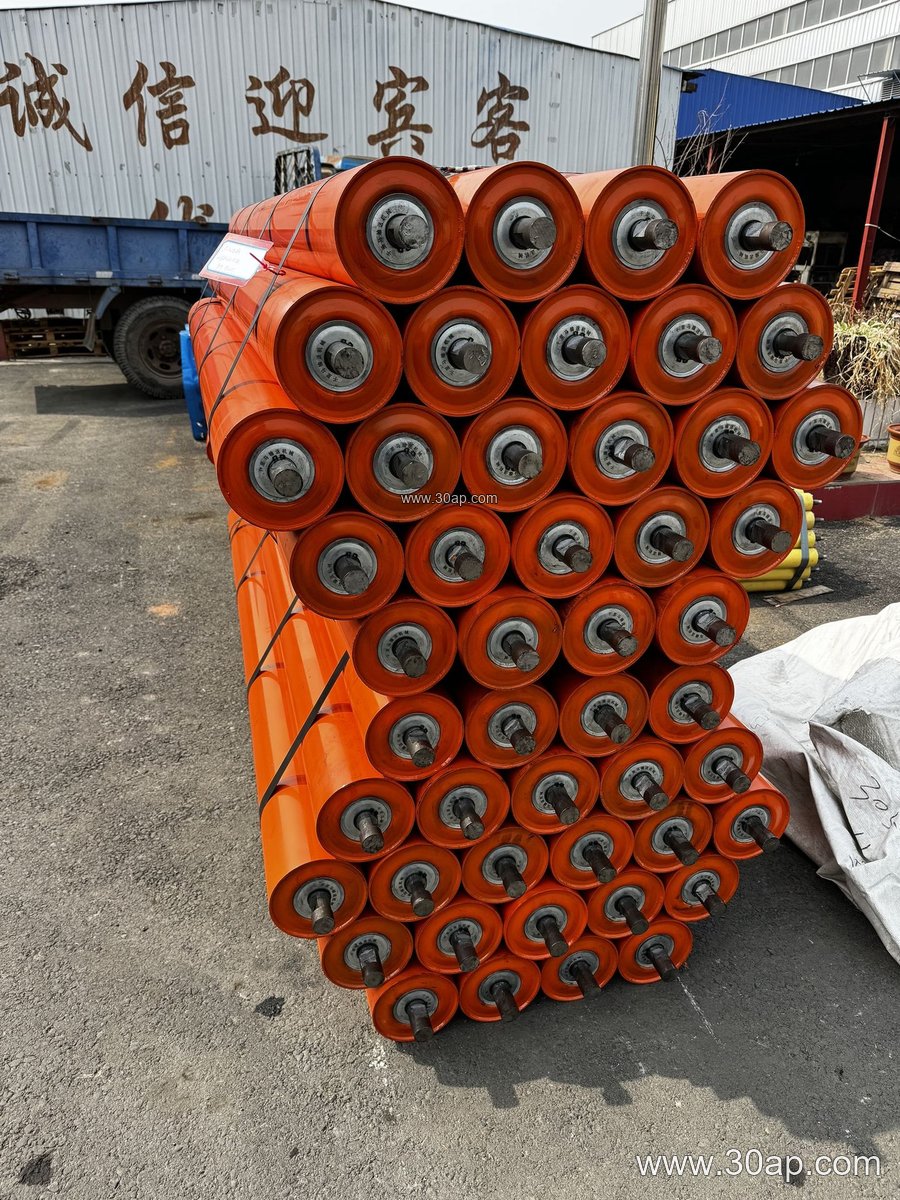
Stations are built as single-roller, two-roller or three-roller trough sets. The trough angle is normally 20, 30, 35 or 45 degrees, and it controls how the material sits on the belt. A deeper trough holds a fuller load and reduces spillage on a fast aggregate conveyor belt, while a shallower angle suits wider, flatter loads.
Common Idler Types and Where They Sit
- Troughing and carrying idlers support the loaded strand on the main run.
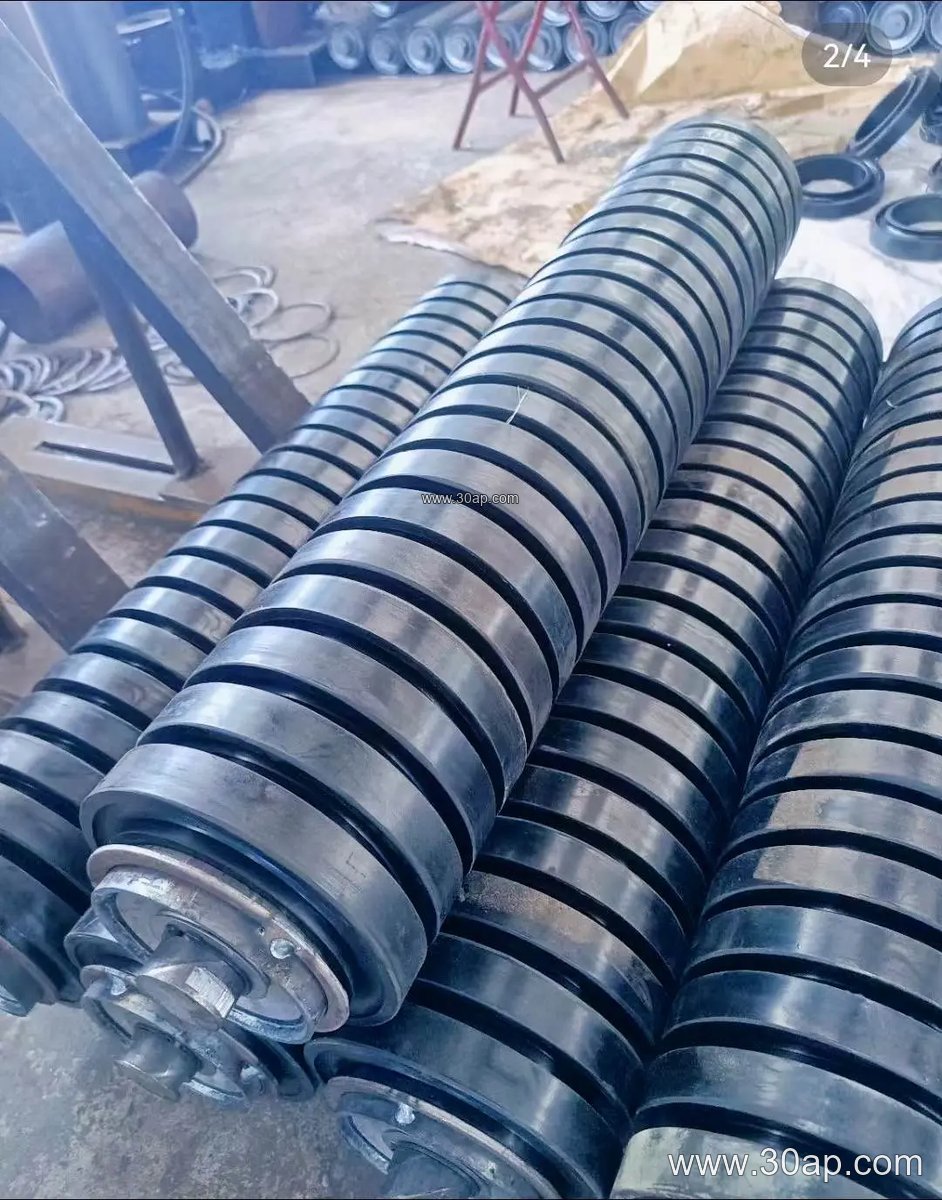
- Impact idlers with rubber rings sit under the loading point, protecting the belt from lump impact.
- Return idlers support the empty strand; flat and V-type forms are both used.
- Training idlers, including friction and tapered designs, correct belt drift.
- Transition idlers ease the belt from flat to troughed profiles near pulleys.
- Spiral and comb idlers help where sticky material tends to build up on the shell.
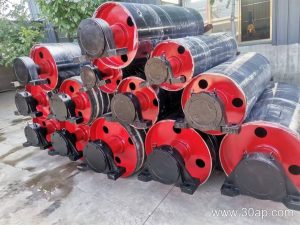
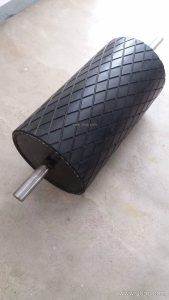
These are not interchangeable with the conveyor pulley at the drive, tail or bend position. A drive pulley transmits torque, a tail pulley forms the return end, and a bend pulley changes belt direction. They are separate components from the idler roller, even though both appear on the same conveyor frame.
Matching Roller Diameter, Belt Width and Roll Length
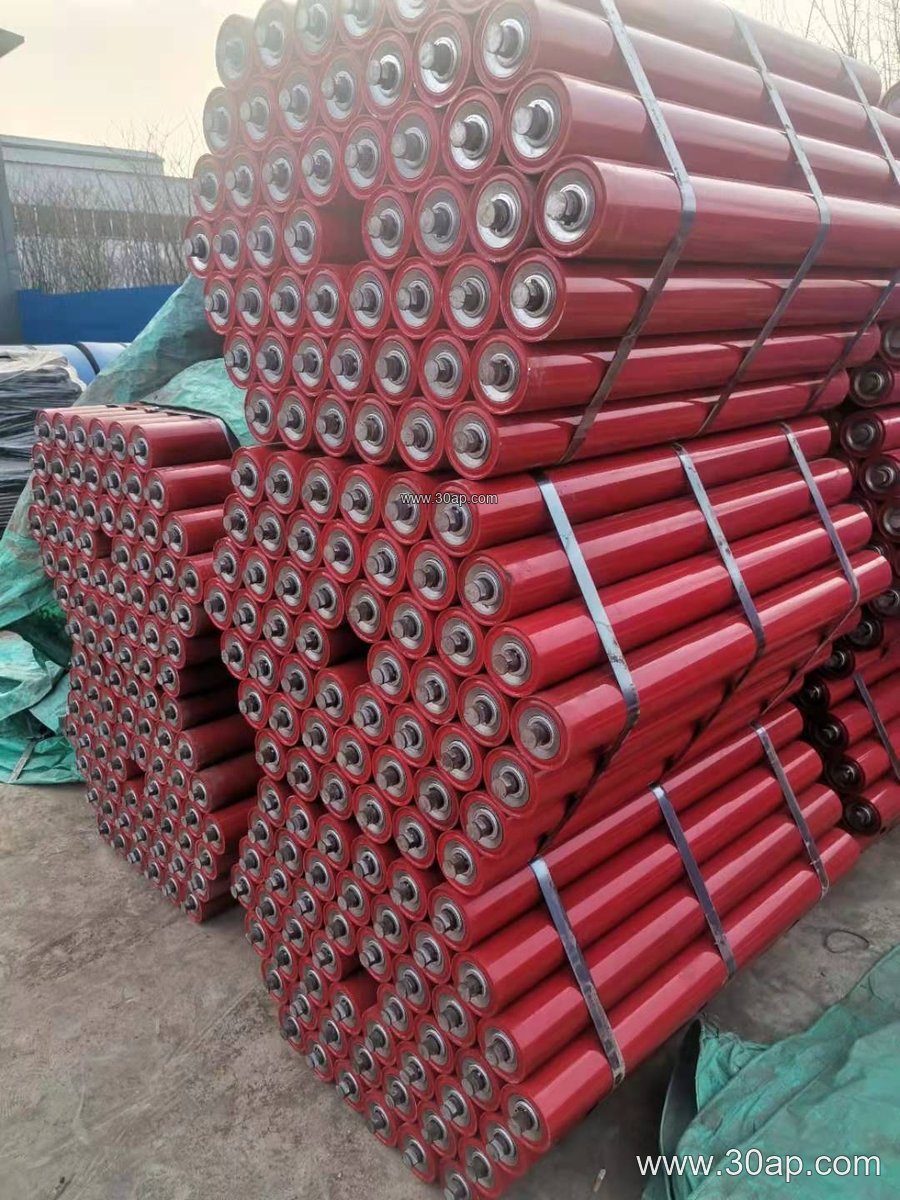
Roller diameter is selected from belt speed, load and available space. Typical shell diameters include 63, 76, 89, 102, 108, 127, 133, 159, 178, 194 and 219 mm. Wider belts and heavier loads generally call for larger diameters, but there is no rule that fixes one diameter to one belt width. Roll length follows belt width, trough angle and station form. In three-roller trough sets, common roller lengths are roughly 200 mm for B500, 250 mm for B650, 315 mm for B800, 380 mm for B1000, 465 mm for B1200, 530 mm for B1400, 600 mm for B1600, 670 mm for B1800 and 750 mm for B2000. Side rollers and the center roller can differ, so these figures are examples rather than fixed pairings.
Choosing Idlers for a Specific Duty
Start with the material. An iron ore or copper ore line running a heavy-duty mining conveyor belt needs robust shells and seals, while a cement plant handling hot clinker may need heat-resistant bearings and careful clearance. A coal mining conveyor belt in an underground roadway usually calls for flame retardant components and compact frames. A food grade or fertilizer application puts more weight on clean running and corrosion protection.
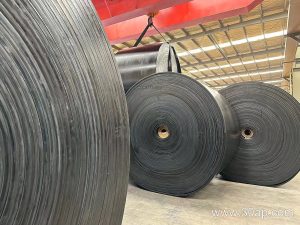
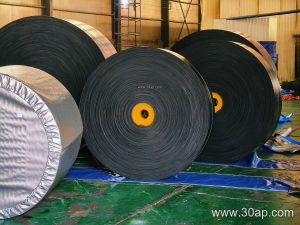
Check the belt itself. A steel cord conveyor belt and a multi-ply fabric core belt behave differently over the same trough, and an EP conveyor belt may tolerate a tighter transition than a stiff steel cord belt. Very wide belts, such as 1800 mm or 2000 mm, need enough idler stations to keep sag low. Belt speed, lump size and loading method all affect spacing and impact protection.
Maintenance Points Buyers Should Confirm
Ask how the bearing housing is sealed and whether the roller can be replaced without removing the whole frame. Confirm that the conveyor bracket matches the existing stringer spacing and bolt pattern. Check that the roller is balanced for the intended belt speed and that the shell runout is controlled. On site, listen for noisy or seized rollers, watch for belt wander and inspect impact zones after each heavy campaign. Replacing a worn return idler early is far cheaper than repairing a damaged belt.
For a complete picture, the idler works with the conveyor belt, the conveyor pulley and the conveyor bracket as one system. Specify them together, and the line will run quieter and longer in quarries, mines, ports and processing plants alike.