What Is an NN200 Conveyor Belt
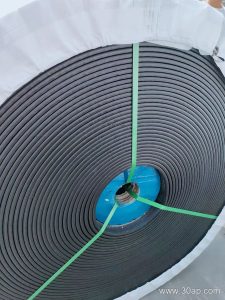
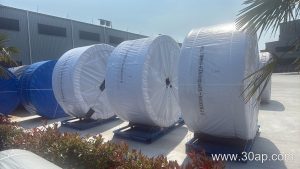
An NN200 Conveyor Belt is a fabric-core belt built with nylon (NN) warp and weft cords, rated for a tensile strength of 200 N/mm per ply. It belongs to the broader family of NN Conveyor Belt products, which are valued for their high strength-to-weight ratio and excellent fatigue resistance. The nylon fabric carcass absorbs impact and flexes easily around pulleys, making this belt a practical choice for aggregate, mining, and cement operations where loads are heavy and operating conditions are demanding.
Because the nylon plies are strong yet relatively thin, an NN200 belt can often use fewer plies than a comparable cotton or EP belt, which reduces overall belt weight and allows smaller pulley diameters in some designs. This is a key reason why the NN Conveyor Belt is frequently specified for primary and secondary crushing circuits, as well as for long overland conveyors in sand and gravel plants.
Construction and Key Parameters
The belt consists of multiple plies of nylon fabric bonded with rubber skim compound, topped and bottomed with cover rubber. Typical cover thickness combinations include 3+1.5 mm, 4+2 mm, 5+2 mm, 6+2 mm, and 8+3 mm, selected according to the abrasiveness and lump size of the material. The carcass usually contains 2 to 6 plies, depending on the required belt width and the load profile.
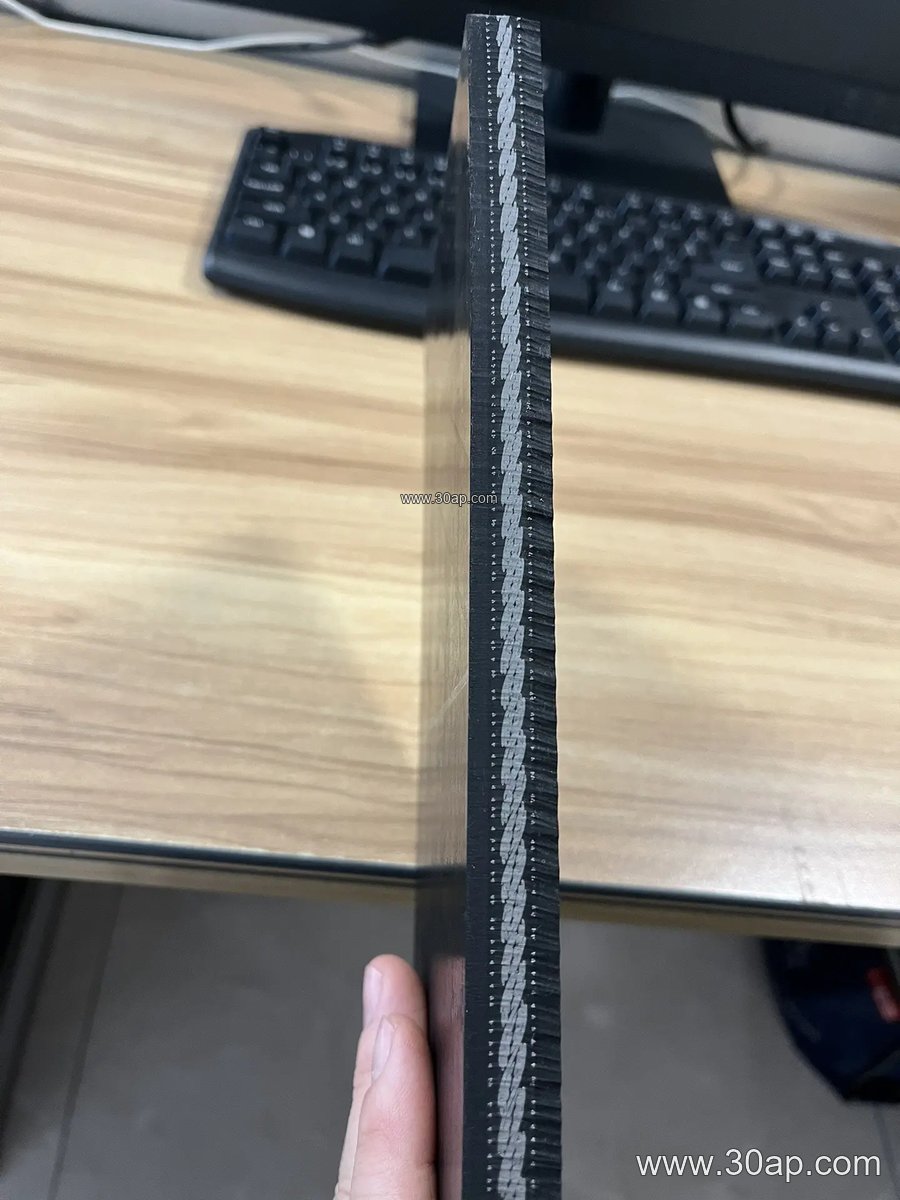
Common belt widths for NN200 include B500, B650, B800, B1000, B1200, B1400, B1600, B1800, and B2000. The table below summarizes typical reference data; actual values are determined by the conveyor design and should be confirmed with the manufacturer.
| Parameter | Common Reference Range |
|---|---|
| Strength rating | NN200 (200 N/mm per ply) |
| Number of plies | 2 to 6 (often 3 to 5) |
| Belt width | B500 to B2000 mm |
| Cover thickness (top + bottom) | 3+1.5, 4+2, 5+2, 6+2, 8+3 mm |
| Cover rubber grade | Abrasion resistant, heat resistant, flame retardant, oil resistant, anti-static, cold resistant (as required) |
Other belt types such as EP Conveyor Belt and Steel Cord Conveyor Belt serve different strength ranges and applications; an NN200 belt is not a substitute for those where higher tension or special construction is needed. For example, a Steel Cord Conveyor Belt is chosen for very long conveyors with high tension, while the NN200 remains a workhorse for medium-duty and heavy-duty fabric-core applications.
Where NN200 Belts Are Used
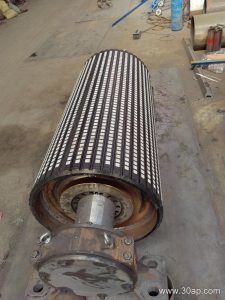
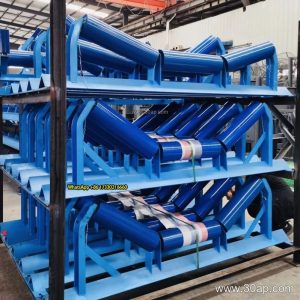
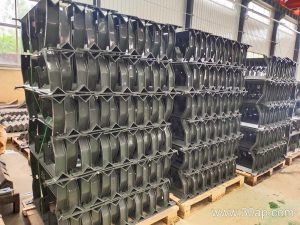
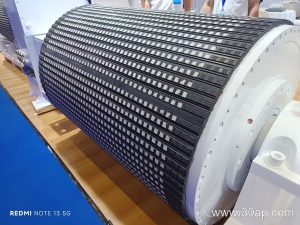
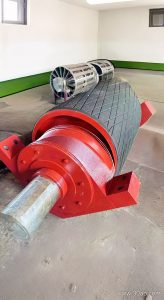
The NN200 Conveyor Belt is widely used in mines, coal preparation plants, cement works, power stations, quarries, and sand and gravel yards. It handles bulk materials such as crushed stone, ore, clinker, limestone, and coal. In a typical crushing circuit, the belt runs over a series of idler rollers supported by conveyor brackets, and is trained by a head pulley, tail pulley, and bend pulleys. Each pulley type has a distinct role and is not interchangeable with the others.
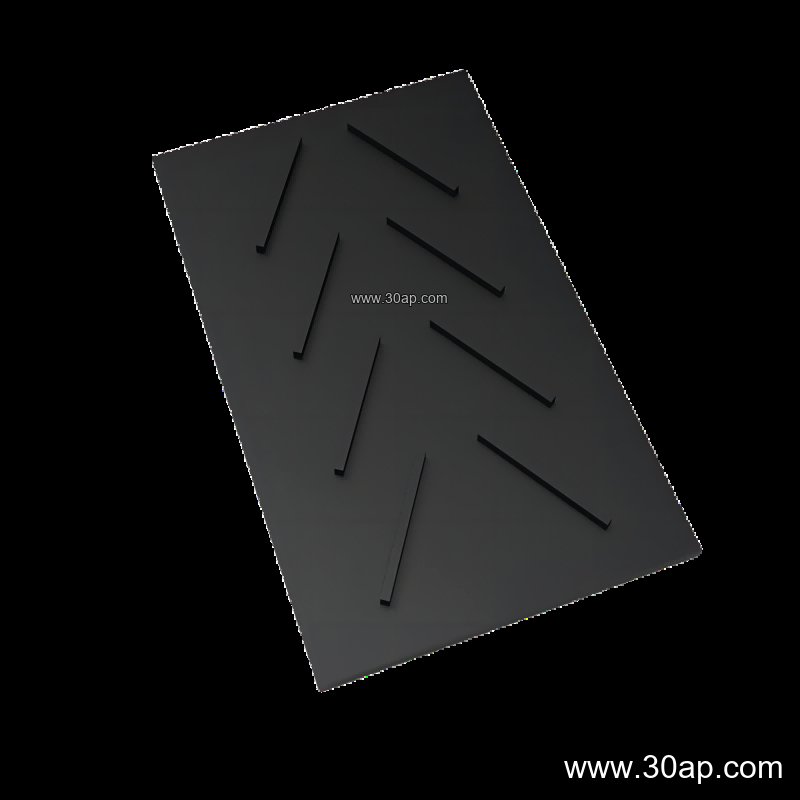
For abrasive materials like iron ore or copper ore, an Abrasion Resistant Conveyor Belt grade of cover rubber is often selected. In coal mining, a Flame Retardant Conveyor Belt or Fire Resistant Conveyor Belt version may be required for underground use. When the belt must resist oily or chemical exposure, an Oil Resistant Conveyor Belt or Acid Resistant Conveyor Belt compound can be specified. These variants share the same NN carcass but differ in cover compound and sometimes in antistatic properties.
Selection and Maintenance Tips
Buyers should consider the maximum lump size, material temperature, and the presence of oil or chemicals when choosing the cover grade. The conveyor pulley diameters, troughing angle of the idler roller sets, and transition distances all influence belt life. Always match the belt strength to the calculated tension with a suitable safety factor; do not assume that a given belt width automatically dictates a specific pulley diameter or shaft size, as those are determined by the conveyor design engineer.
Proper storage, careful splicing, and regular inspection of the idler rollers and pulleys help prevent edge damage and premature wear. Keeping the belt aligned and avoiding material spillage at transfer points will extend service life. For replacement or new projects, consult the belt manufacturer with the conveyor specifications, and consider whether an EP Conveyor Belt or other fabric-core option might better suit the particular tension and elongation requirements.