What a Cement Conveyor Belt Has to Handle
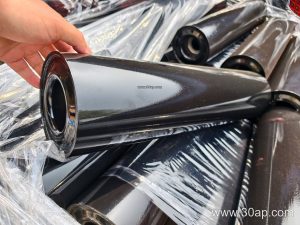
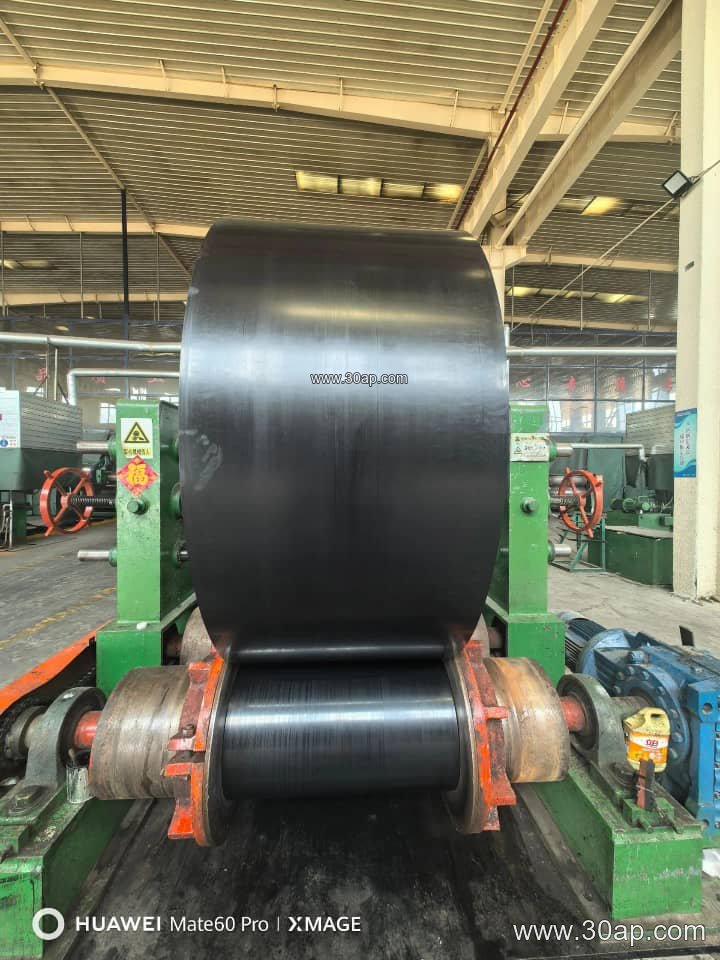
A cement conveyor belt is the working surface of a bulk handling line that moves clinker, limestone, gypsum, raw meal, slag and packed material between crushers, silos, preheater towers and loading points. The duty is rarely gentle. Cement plants combine fine abrasive dust with sharp clinker lumps, hot material from the kiln area and occasional oil or grease drips from nearby machinery. A belt chosen only by width and price often fails early in this environment, so buyers usually compare cover compound, carcass construction and edge protection together. At sites where the same line handles several materials, an abrasion resistant conveyor belt is the common starting point, while heat resistant or oil resistant grades are added on the specific sections that need them. Many operators also keep a spare roll of rubber conveyor belt on hand so a damaged section can be spliced without stopping the whole plant.
Construction and Carcass Options
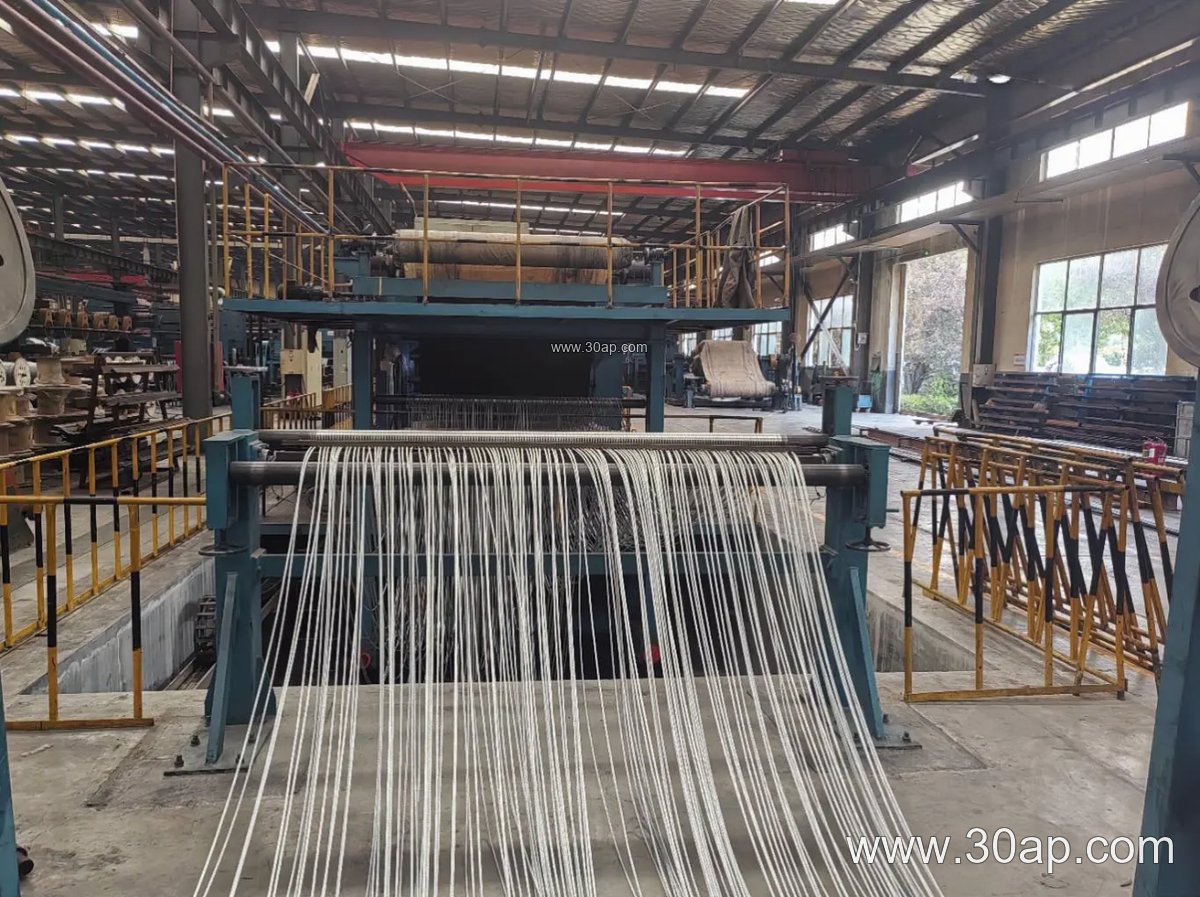
The belt body is built from a fabric or steel carcass covered with rubber on both faces. Fabric carcasses are supplied as EP conveyor belt (polyester warp, polyamide weft) or NN conveyor belt (nylon both ways), and both are common in cement plant conveyor lines. A multi-ply fabric core conveyor belt spreads impact load across several layers, which suits transfer points under crushers and screens. For long overland lines, steep inclines or very high tension, a steel cord conveyor belt carries more load per unit width and reduces the number of splice points.
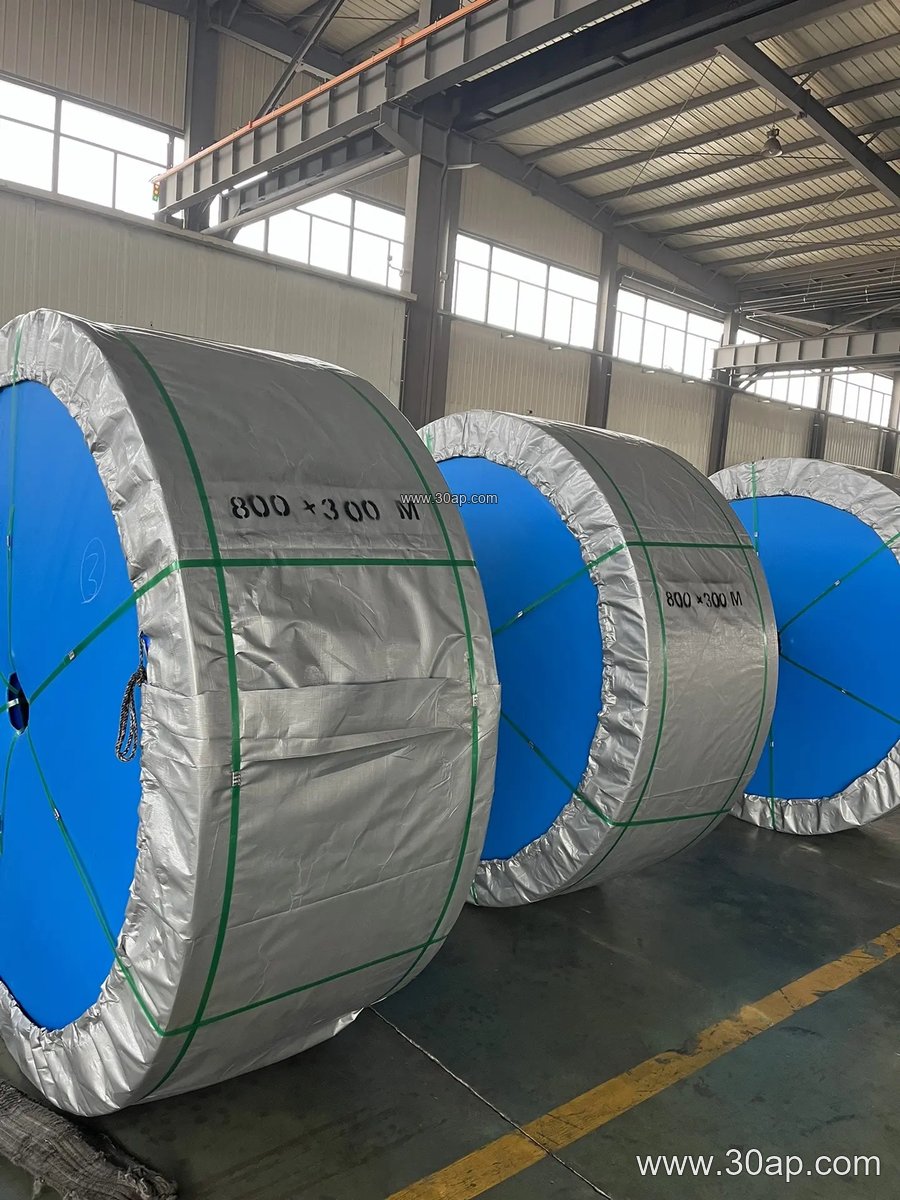
Cover thickness and grade protect the carcass. Typical top and bottom combinations are 3+1.5 mm, 4+2 mm, 5+2 mm, 6+2 mm and 8+3 mm, with 2 to 6 plies in the fabric body; heavier covers are usual where clinker falls from height. Edge wear is a frequent cause of failure in dusty plants, so some buyers specify a thicker bottom cover or a belt with reinforced edges. On inclines that cannot be avoided, a chevron conveyor belt or a corrugated sidewall belt keeps material from rolling back, and a skirted conveyor belt helps contain dust at loading chutes.
Reference Strength and Width Ranges
The table below lists values often quoted in catalogues. They are reference data, not a fixed specification for any project, and final selection depends on the conveyor design, material density and operating hours.
| Parameter | Common reference values |
|---|---|
| EP strength grades | EP200, EP315, EP400, EP500, EP630, EP800, EP1000, EP1250, EP1600, EP2000 |
| Belt width | B500, B650, B800, B1000, B1200, B1400, B1600, B1800, B2000 mm |
| Cover thickness | 3+1.5, 4+2, 5+2, 6+2, 8+3 mm |
| Fabric plies | 2 to 6 layers, depending on strength grade |
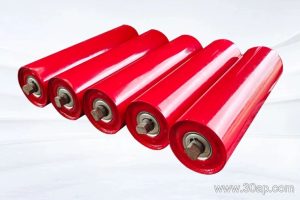
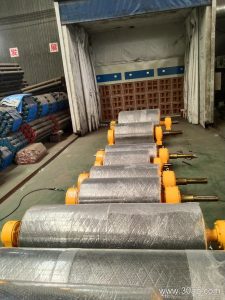
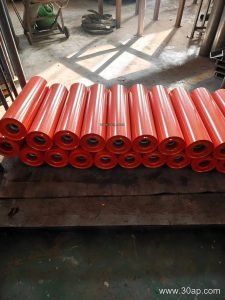
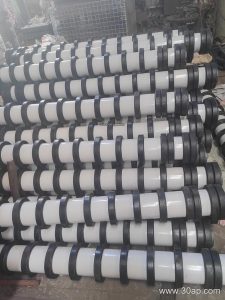
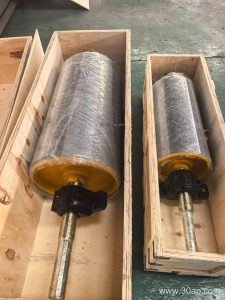
Width and pulley size are matched by the conveyor designer, not by a single rule. A 1000 mm belt may run on different pulley diameters on different conveyors, and shaft size follows the calculated load rather than the belt width alone. Where a very wide face is required, an extra-wide belt can be produced, but the supporting idler roller, conveyor pulley and conveyor bracket must be rated for the same duty.
Applications Across Heavy Industry
Cement is not the only user of this belt class. The same construction appears in quarry conveyor belts, aggregate conveyor belts and crusher conveyor belts, and in power plant conveyor belts handling coal and limestone. Mining conveyor belts moving ore from underground mining or open pits often share the steel cord or heavy fabric build. In cement works, belts link the limestone yard, raw mill, kiln feed, clinker cooler and packing plant, and each section may need a different cover. A flame retardant conveyor belt is often requested for enclosed galleries and coal handling, while an anti-static belt is considered where dust clouds and static build-up are a concern.
Buyer Checklist Before Ordering
- List the material type, lump size, temperature range and moisture at every transfer point.
- Confirm the required tensile strength, belt width and cover thickness with the conveyor designer.
- State whether the line needs heat, oil, abrasion or flame resistance, and in which sections.
- Check pulley and idler condition before fitting a new belt; worn conveyor pulleys shorten splice life.
- Decide between an open-ended roll and an endless conveyor belt if the drive is fixed and splicing space is limited.
- Ask for the manufacturer’s data sheet for the exact grade rather than relying on general catalogue figures.
For cement plant operators, a sensible spare policy, correct tracking and regular inspection of the belt edge and splice area usually matter more than a marginal difference in cover thickness.