What a V-Type Idler Bracket Does
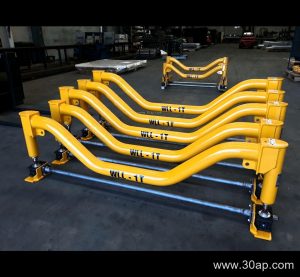
A V-Type Idler Bracket is the support frame that holds two return-side idler rollers in a shallow V configuration beneath the carrying run of a conveyor belt. Instead of letting the belt return flat against a single roller, this bracket cradles it in a gentle trough, which helps the belt track straighter and sheds loose material that would otherwise build up on the return strand. Maintenance crews in limestone quarries, cement plants and coal handling systems often reach for this bracket when flat return support is not holding the belt centered.
The same component is frequently called a V-return idler bracket, and both names describe the identical product. It should not be confused with troughing brackets on the carrying side, nor with transition or self-aligning frames, which serve different positions on the conveyor.
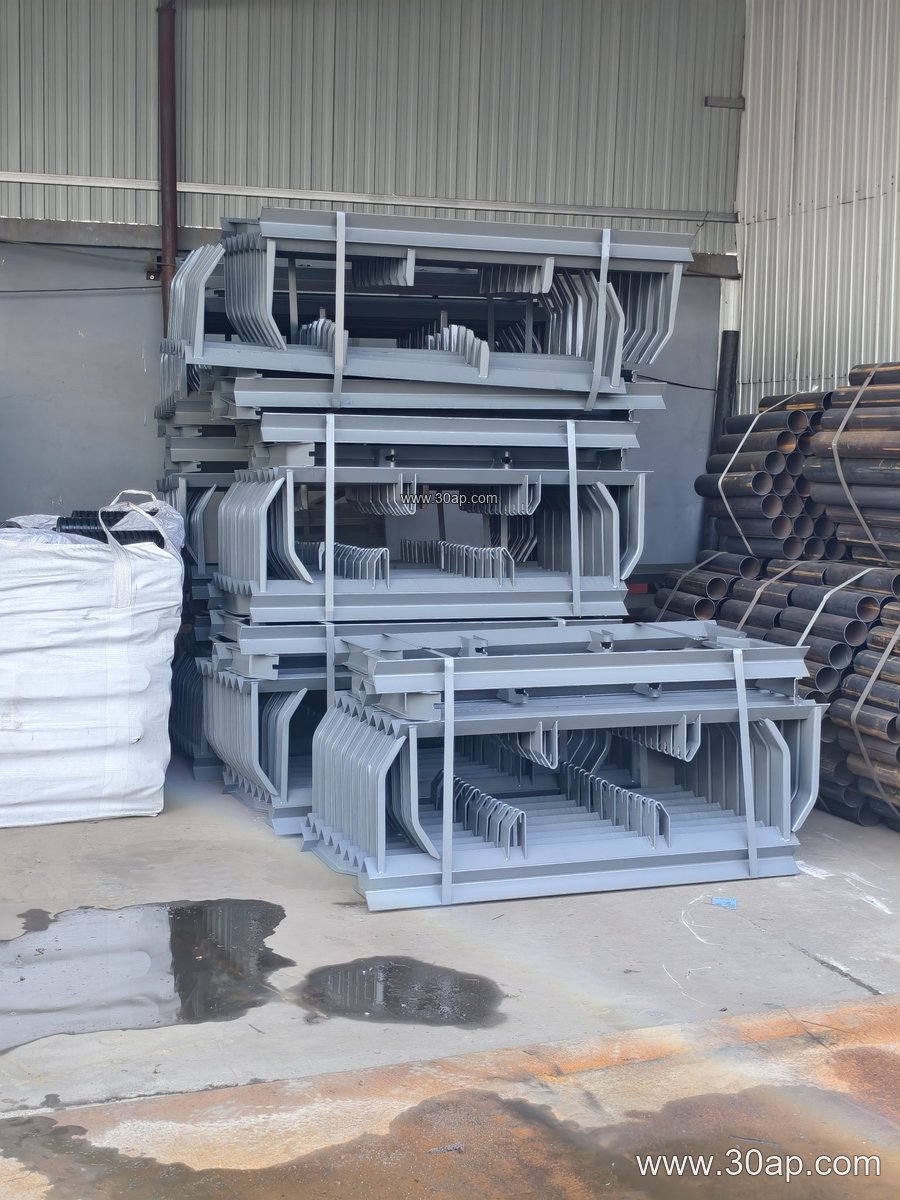
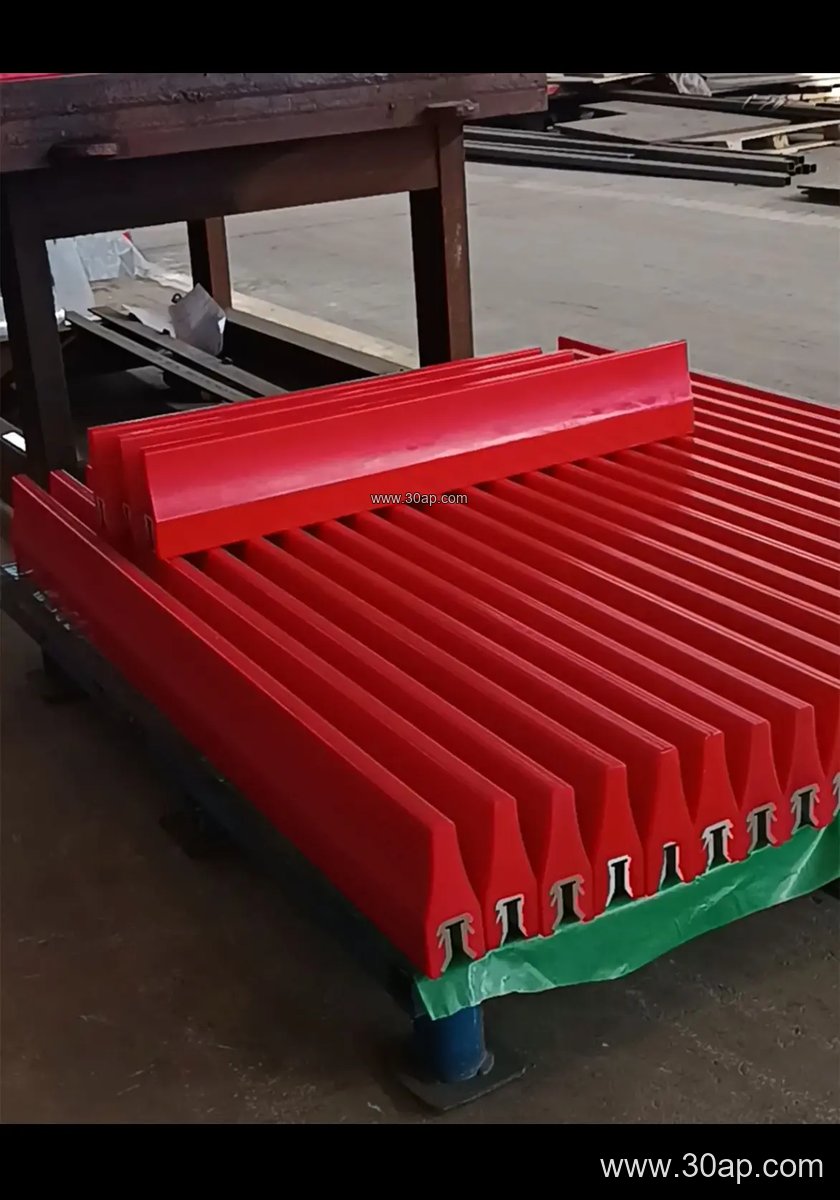
How the Bracket Is Built
Most units are fabricated from angle steel, channel steel or folded steel plate, welded into a rigid V-shaped cradle with mounting pads or slots at each end. The two inclined arms position the idler rollers at an angle that forms the V, and the frame bolts to the conveyor stringer or cross beam. Roller seats are usually slotted or drilled so the idler shaft ends sit securely while still allowing replacement without cutting the frame.
Typical build details include:
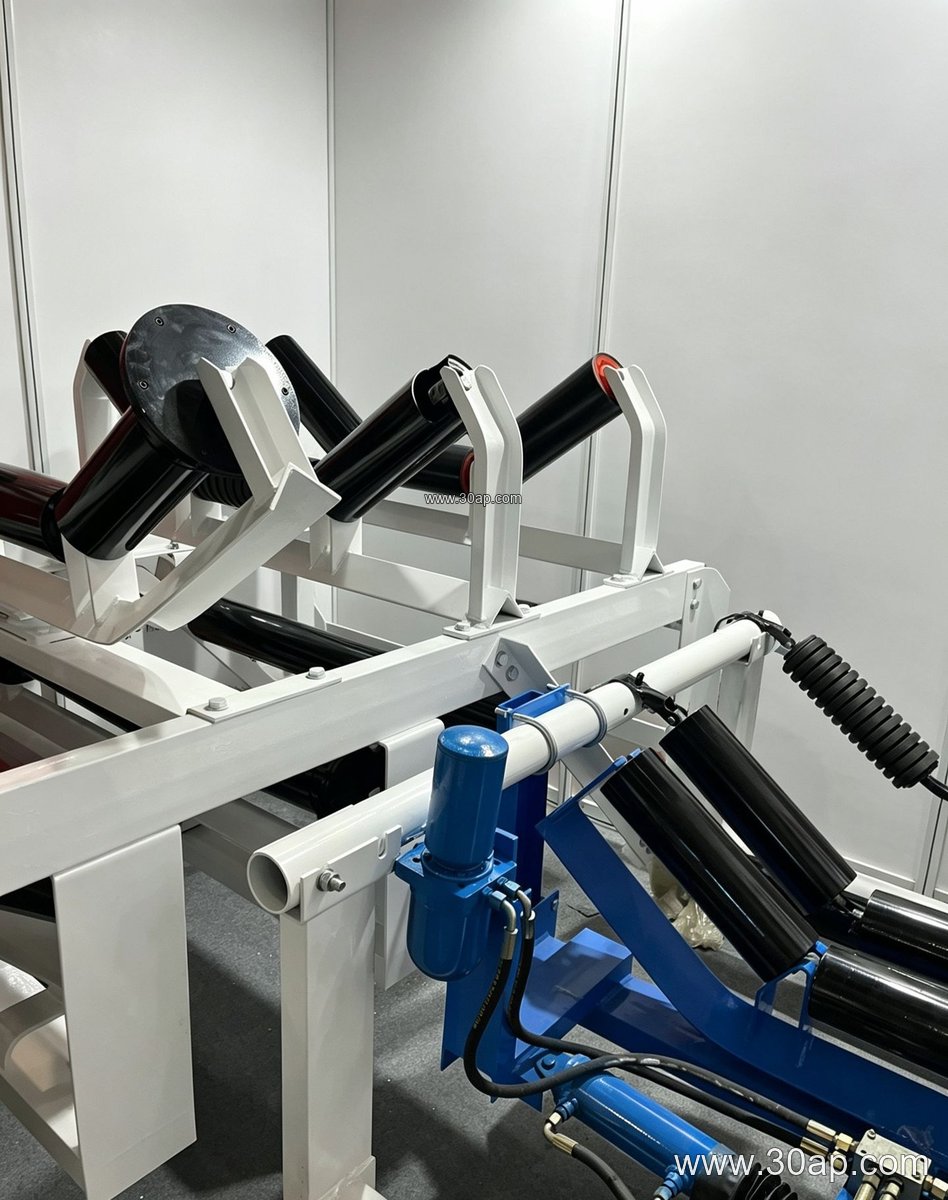
- Welded steel construction with painted or galvanized finish
- Two inclined roller seats forming the V profile
- Slotted mounting holes to suit the stringer spacing
- Optional adjustable versions that alter the V angle or roller position
Where It Fits on the Conveyor
The bracket belongs on the return strand, generally spaced at regular intervals between the head and tail of the conveyor. In a stone crushing line it keeps fines from clinging to the belt underside; in a power plant coal handling gallery it reduces spillage along the return path. Because the V shape encourages the belt to center itself, it is a practical choice on long runs where flat return rollers allow drift. It works together with the conveyor belt, idler roller and conveyor pulley to keep the whole circuit running smoothly, and it mounts independently of the drive, tail and bend pulleys.
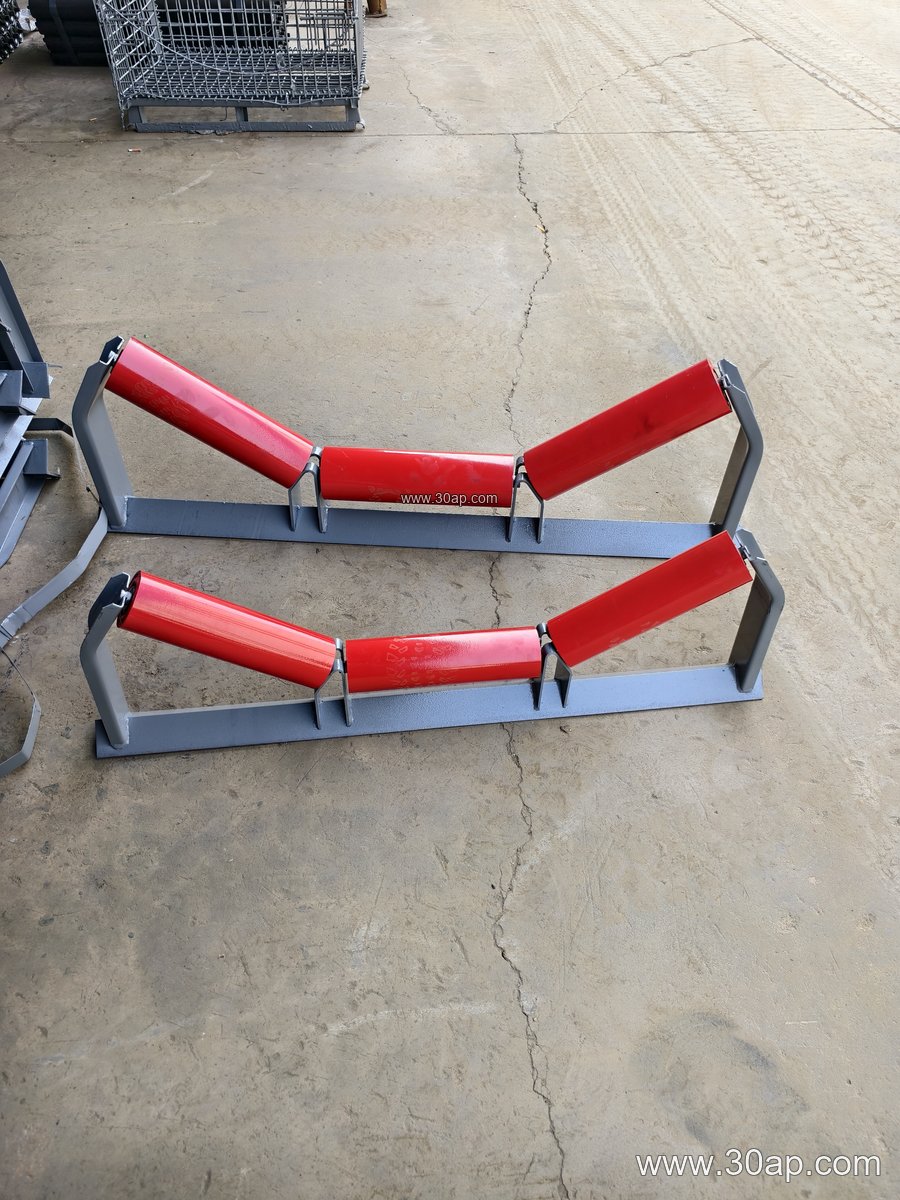
Choosing the Right Frame
Selection starts with belt width, required V angle and the roller diameter the frame must accept. Common belt widths range from B500 up to B2200, and roller diameters such as Ø89, Ø108, Ø133, Ø159 and Ø194 appear across different duty levels. A frame might be described as B800 with Ø108 rollers, or B1200 with Ø133 rollers, but these are examples rather than fixed pairings. Mounting hole spacing and beam length change with belt width and V angle, so the frame drawing should always be confirmed against the conveyor layout.
| Parameter | Common Reference Range |
|---|---|
| Belt width | B500 to B2200 |
| Roller diameter | Ø89, Ø108, Ø133, Ø159, Ø194 |
| V angle | Typically 10 to 20 degrees per side, by design |
| Material | Angle steel, channel steel, folded plate |
| Mounting | Bolted to stringer, slotted holes |
Fixed Versus Adjustable Frames
A fixed V-Type Idler Bracket holds the rollers at one preset angle and is the simpler, lower-maintenance option. An adjustable version lets the fitter change the roller position or V angle to fine-tune belt tracking after installation. Adjustable frames suit conveyors that see changing loads or where alignment is difficult to predict during design. For most standard return runs, the fixed frame is adequate; the adjustable type earns its place where belt wander has been a recurring issue.
Buyer Checklist
- Confirm belt width and the roller diameter the frame accepts
- Check mounting hole spacing against the existing stringers
- Decide between fixed and adjustable V angle
- Match frame finish to the environment, such as wet or dusty service
- Ask for a dimensional drawing before ordering in volume
When the return strand carries abrasive dust from an iron ore or aggregate operation, pairing the bracket with a suitable abrasion resistant conveyor belt and quality idler rollers extends service life. Buyers sourcing frames alongside belting often review options such as EP conveyor belt or steel cord conveyor belt at www.beltconveyorparts.com to keep the whole conveyor matched. A well-chosen V-return frame is a small part of the system, but it protects the belt edge, reduces spillage and keeps the return run tracking true.