What the Ø159 Conveyor Idler Is
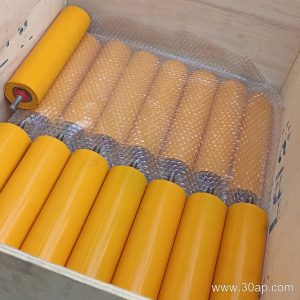
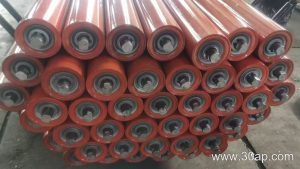
The Ø159 conveyor idler is a heavy-duty carrying roller with a shell diameter of 159 mm, commonly used in bulk material handling systems where loads are high and belt widths are large. It is often referred to as a 159mm conveyor roller or Ø159 idler roller. This size sits in the upper range of standard idler diameters, making it suitable for main haulage conveyors in mines, quarries, cement plants, and power stations. While it can be used on both the carrying and return sides, it is most frequently specified for the carrying side of three-roll troughing sets on wide belts.
Construction and Key Components
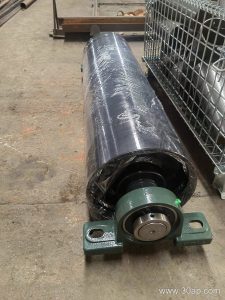
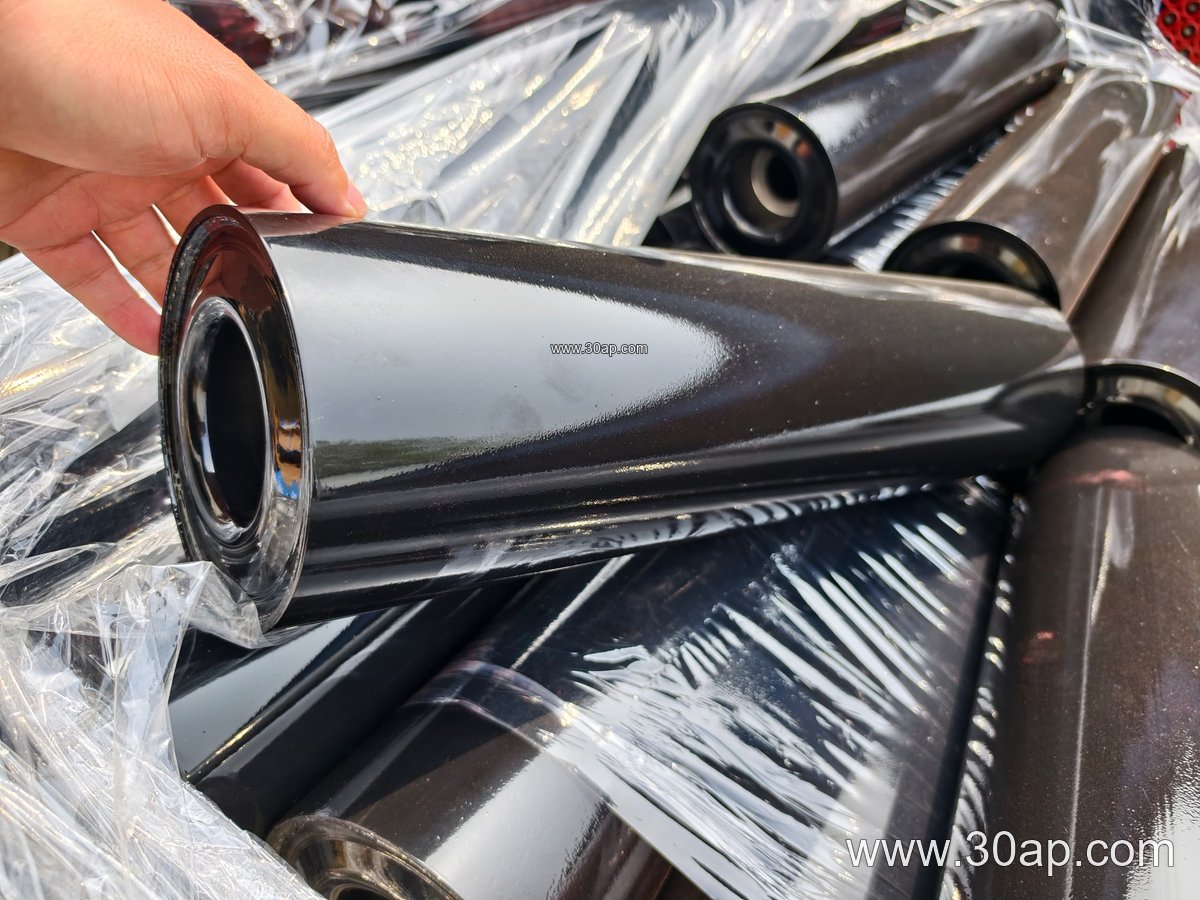
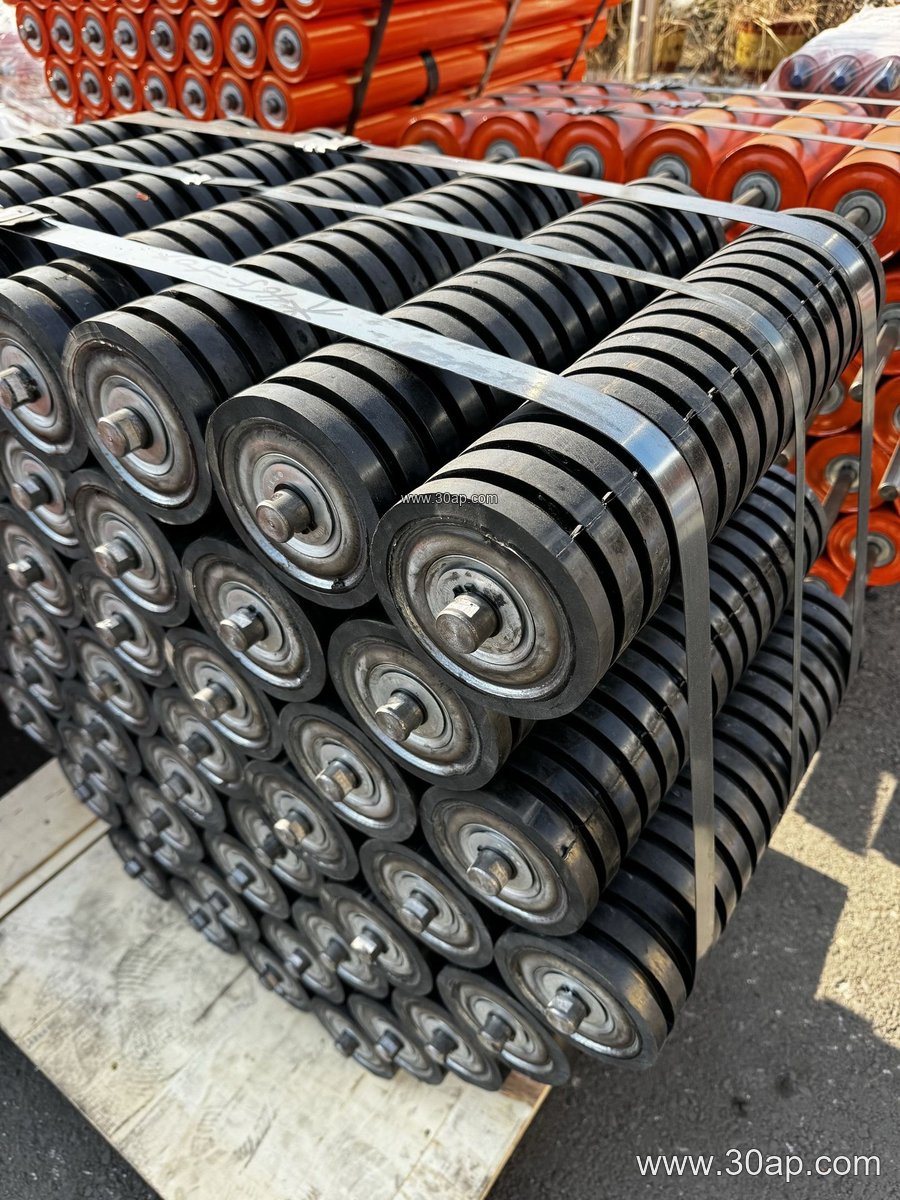
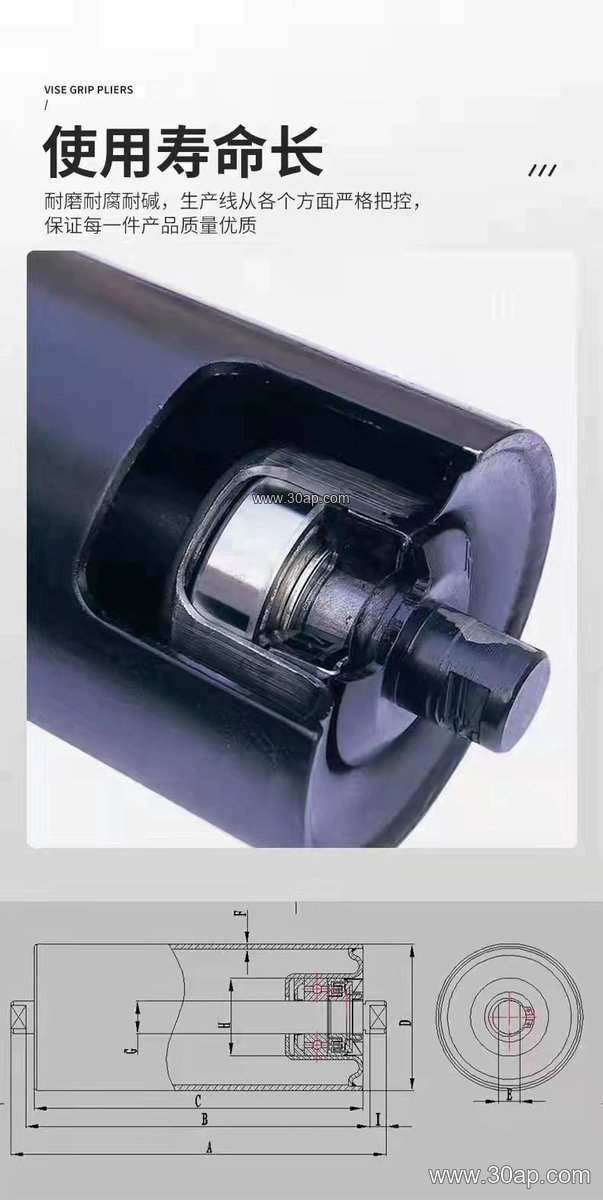
A typical Ø159 conveyor idler consists of a steel tube shell, bearing housings, a shaft, and a sealing arrangement. The shell is usually made from seamless or welded steel pipe, machined at the ends to accept the bearing housing. Bearings such as 6308, 6310, or larger are common, depending on the load and speed requirements. Seals are critical in dusty environments; labyrinth seals or high-performance contact seals help protect the bearing from fines and moisture. Roller surfaces may be plain steel, nylon-coated, or fitted with rubber rings for impact absorption; ceramic lagging is also available for high-wear areas.
Where It Fits in the Conveyor Structure
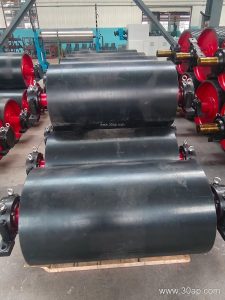
The Ø159 idler is mounted in a conveyor bracket or frame, usually as part of a troughing set. Three-roll sets with a 30° or 35° trough angle are common for wide belts. The roll length of each idler is determined by belt width, trough angle, and roll arrangement. For example, a three-roll 35° set on a 1200 mm wide belt often uses rolls around 465 mm long, while a 1400 mm belt may use rolls around 530 mm. These are typical examples, not fixed rules; side rolls and center rolls can differ. The Ø159 idler is also used in transition zones and as a return roller in some heavy-duty applications, but it is not a substitute for a bend pulley or tail pulley.
Typical Applications
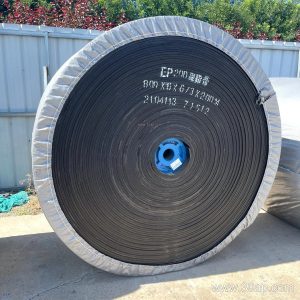
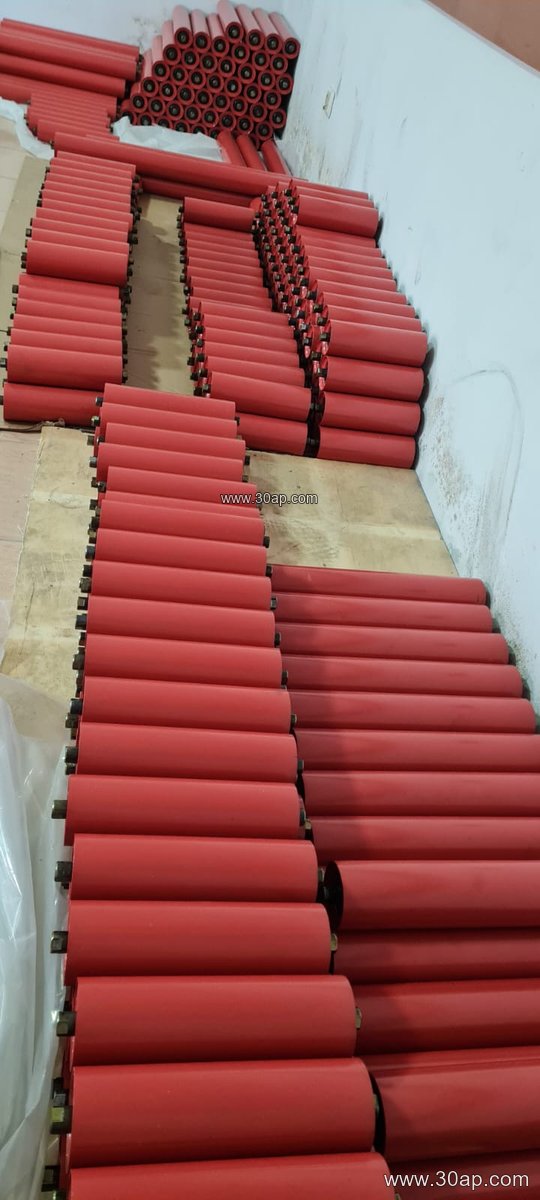
This idler size is well suited to abrasive and heavy materials. In a quarry or limestone mine, it supports conveyor belts moving crushed rock and aggregate. In a coal washing plant or underground coal mining operation, flame retardant conveyor belts and abrasion resistant conveyor belts run over Ø159 idlers to maintain stable belt support. Cement plants use them on clinker and raw meal conveyors, while power plants rely on them in coal handling systems. The larger diameter helps reduce bearing speed and improves roll life under high loads, especially when paired with heavy-duty conveyor belts such as steel cord conveyor belt or high-strength EP conveyor belt constructions.
Selection and Sizing Notes
Buyers should match the idler to the belt width, belt speed, material lump size, and load. The Ø159 idler is often used with belt widths from about 800 mm up to 2000 mm or more, but the exact roll length and bearing size must be confirmed by the conveyor designer. Common bearing options for this diameter include 6308 and 6310, but bearing selection depends on load and speed, not on diameter alone. Trough angles of 20°, 30°, 35°, and 45° are available; the choice affects material containment and belt training. Surface options include plain steel, rubber rings for buffer zones, and ceramic for high abrasion. When replacing idlers, check the shaft diameter, bracket mounting dimensions, and seal type to ensure compatibility.
Maintenance and Buyer Checklist
Regular inspection of idler rotation, seal condition, and shell wear helps prevent belt damage and downtime. A seized idler can wear through the belt cover quickly, especially on abrasive materials. Buyers should request the idler drawing, bearing designation, seal type, and shell thickness. For corrosive or wet conditions, consider nylon or ceramic surfaces and enhanced sealing. The Ø159 conveyor idler is not a one-size-fits-all component; it should be specified as part of a complete conveyor system design that considers the conveyor pulley, belt type, and loading conditions. For more information on compatible belting and components, visit conveyor idler and conveyor belt resources.