What a Lagged Pulley Does on a Conveyor
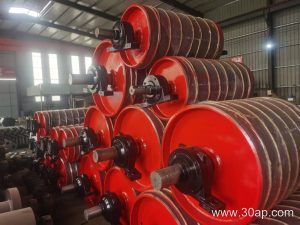
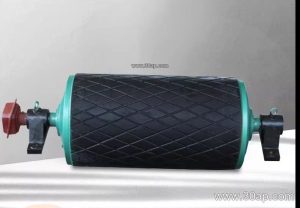
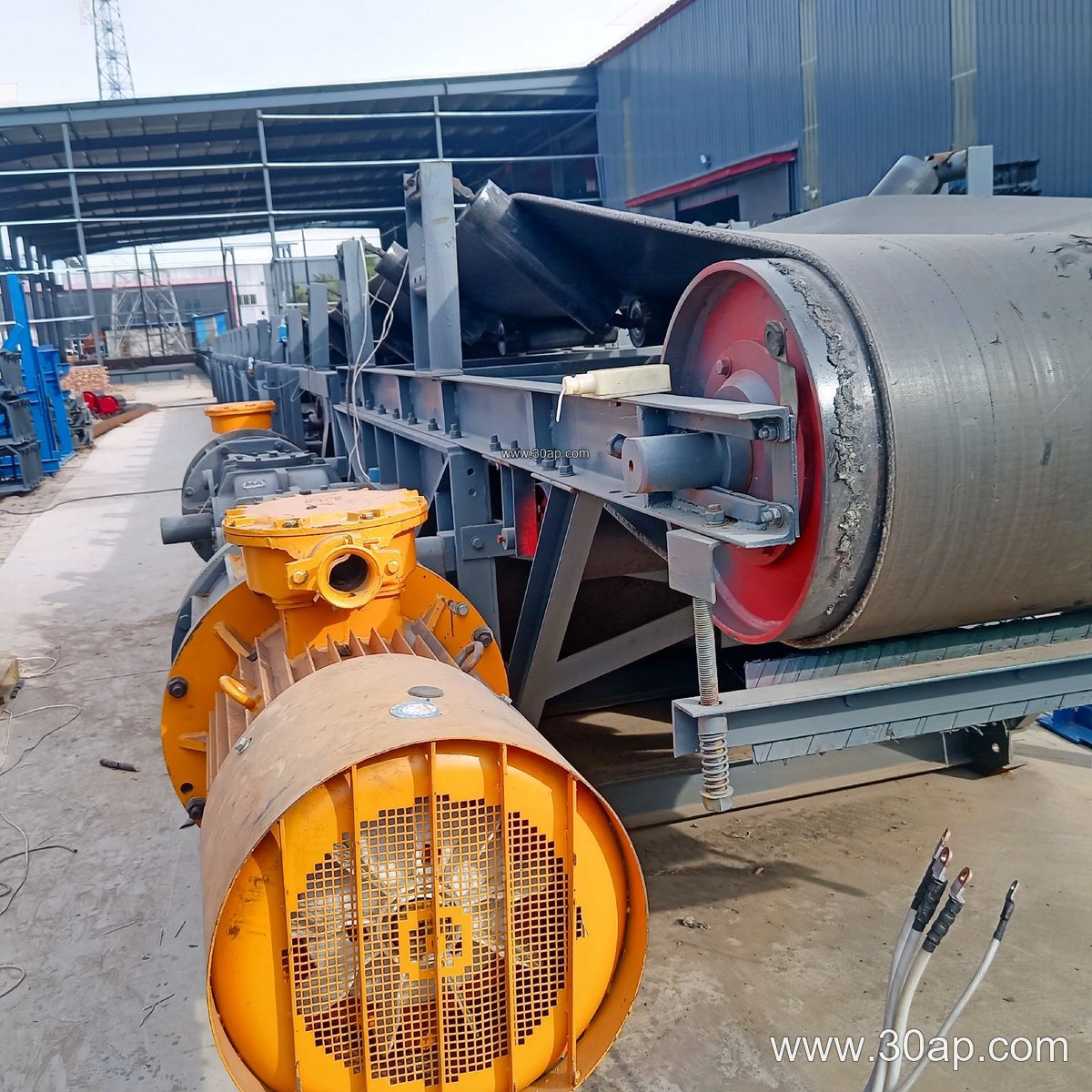
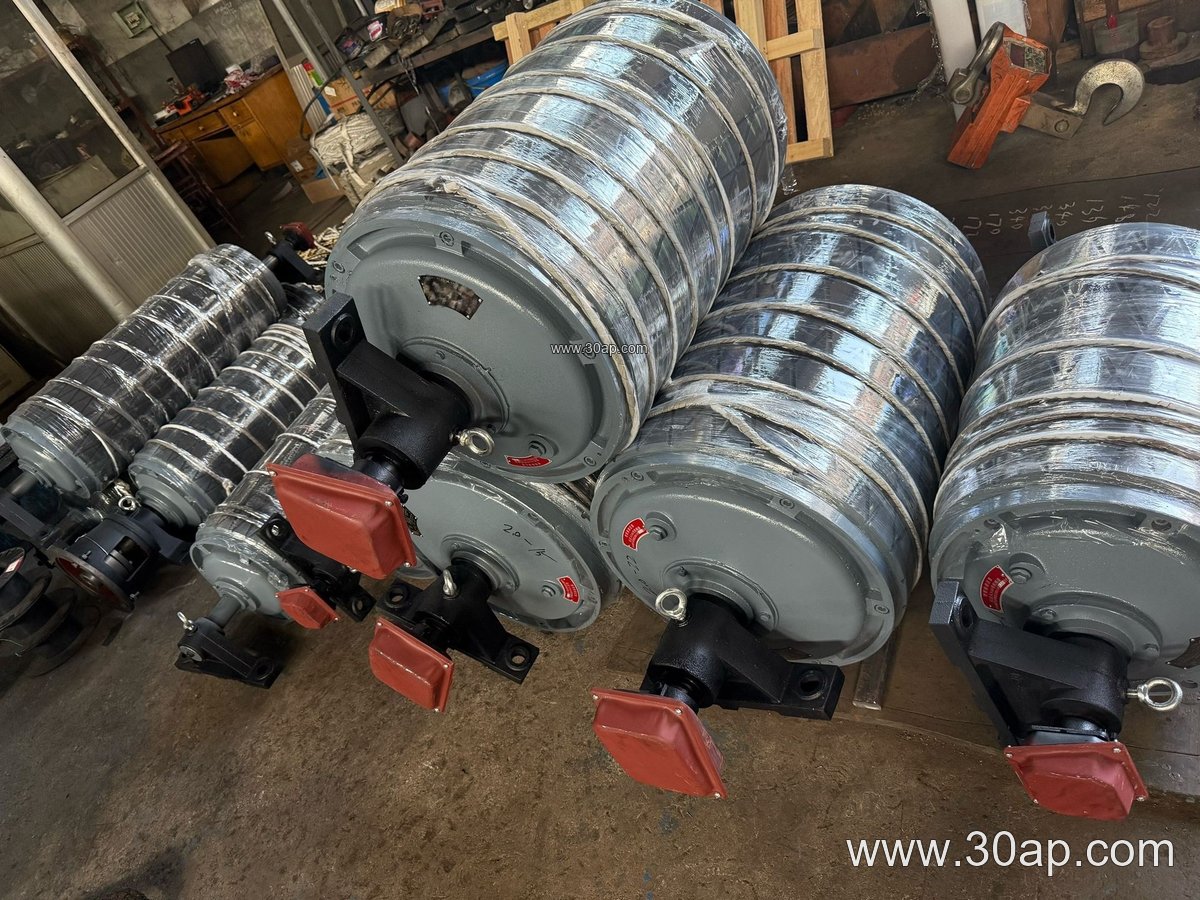
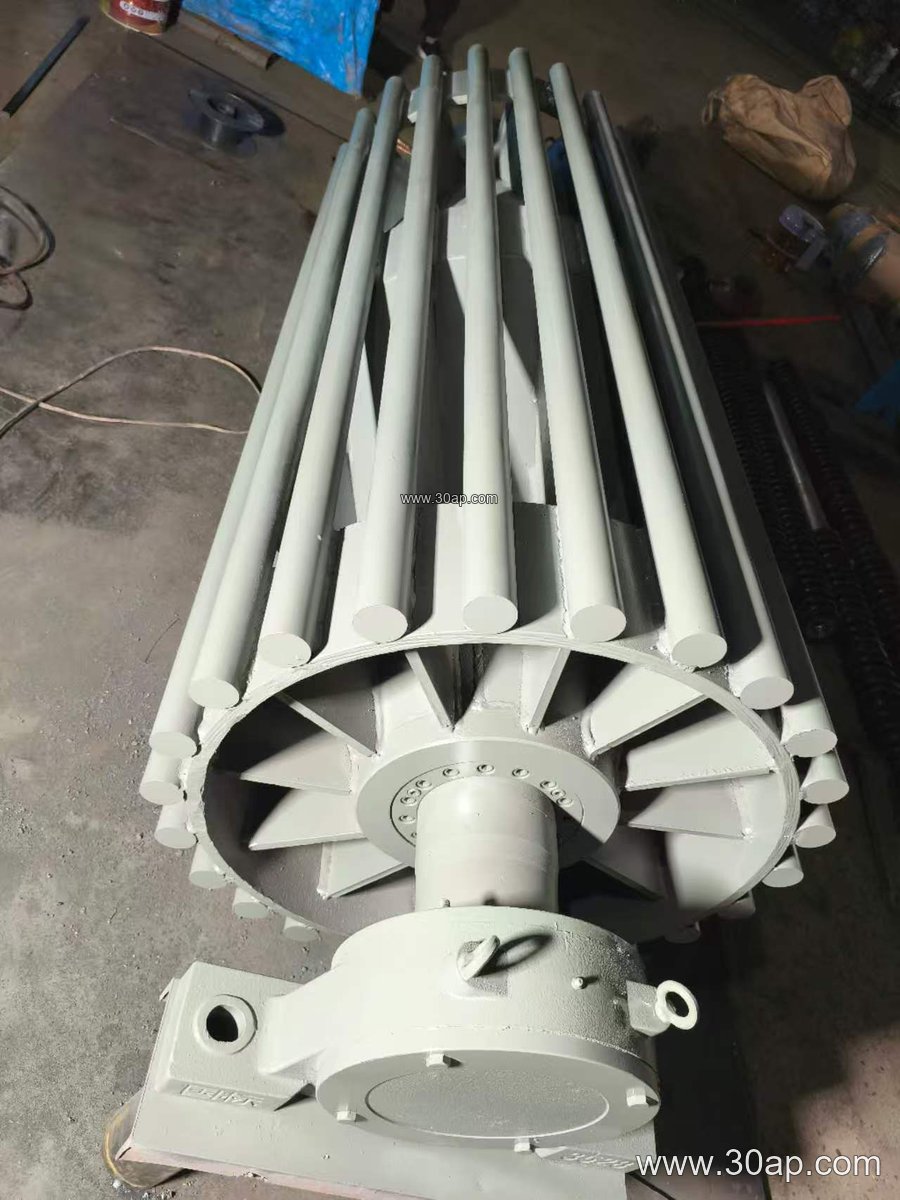
A conveyor belt lagged pulley is a drum with a rubber or ceramic layer bonded to its shell. That layer, called lagging, raises friction between the drum face and the belt, protects the shell from wear, and helps shed water and fine dust. On a drive pulley, the lagging is what lets the motor transmit torque without belt slip; on a tail or bend pulley, it mainly extends service life and improves belt tracking. The drum itself is a welded steel cylinder with shafts, bearing housings, and a hub structure, and it spins on bearings carried by a conveyor bracket or frame.
Lagged drums are common anywhere a conveyor belt carries bulk material: a quarry feeding a crusher, a coal handling system in a power plant, a cement plant clinker line, or a port loading bulk cargo. Each position on the conveyor asks something different of the lagging, which is why the surface form and thickness should be chosen per duty rather than copied from another line.
How the Lagging Is Built
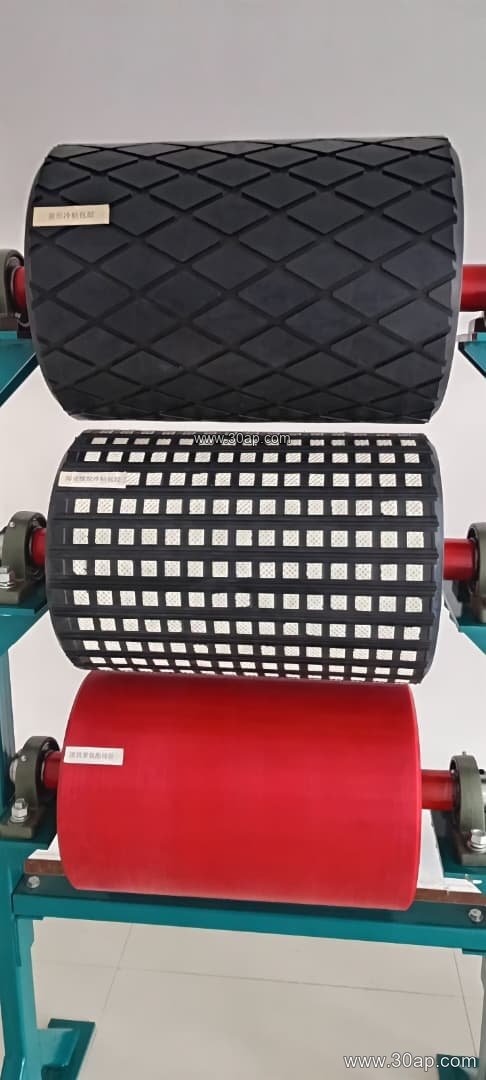
Three construction routes dominate. Hot vulcanized rubber is pressed and cured onto a prepared shell for a strong, seamless bond. Cold bonded rubber uses an adhesive system and suits field repair or smaller batches. Cast lagging is poured directly onto the drum. Thickness commonly falls between 8 mm and 20 mm; thin layers suit light duty, while 15 mm and 20 mm are typical where torque is high or the belt is heavy.
Surface patterns matter as much as thickness. Plain (flat) lagging works well on clean, dry belts. Diamond grooving improves water evacuation on wet lines. Herringbone grooves push water toward the edges and help self-cleaning. Ceramic tiles embedded in rubber give the highest wear resistance for abrasive, gritty service. The right choice depends on whether the risk is slip, wear, or material build-up.
Matching Pulley Position to Surface Form
Drive and head pulleys carry the highest torque, so they usually get thicker rubber or ceramic lagging. Tail pulleys see less torque but more exposure to carryback and grit, so abrasion resistance and good cleaning matter. Bend and take-up pulleys rarely need aggressive patterns; a moderate plain or diamond layer is often enough. A snub or pressure pulley may need only a thin cover to protect the shell. These positions are not interchangeable, and each should be specified by its own load case.
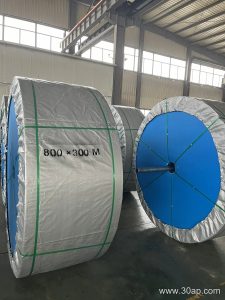
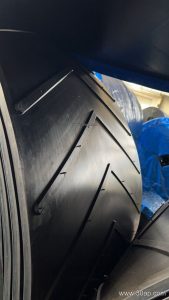
Belt type also shapes the decision. A heavy-duty mining conveyor belt or an abrasion resistant conveyor belt with a thick cover needs a drum that can grip without marking the belt surface. A steel cord conveyor belt needs a firm, even contact face, while a fabric core conveyor belt tolerates a wider range of patterns. Flame retardant conveyor belts used in underground coal mining often pair with rubber lagging that meets the same fire-safety expectations for the installation.
Common Diameter and Width References
Shell width is normally a little wider than the belt. The table below lists typical pairings seen in catalogues and drawings; these are reference values, not fixed rules, and every job should be confirmed by the conveyor designer.
| Belt width | Typical shell width | Common pulley diameters |
|---|---|---|
| B500 | about 600 mm | Ø250, Ø315, Ø400 |
| B650 | about 750 mm | Ø315, Ø400, Ø500 |
| B800 | about 950 mm | Ø400, Ø500, Ø630 |
| B1000 | about 1150 mm | Ø500, Ø630, Ø800 |
| B1200 | about 1400 mm | Ø630, Ø800, Ø1000 |
| B1400 | about 1600 mm | Ø800, Ø1000, Ø1250 |
| B1600 | about 1800 mm | Ø1000, Ø1250, Ø1400 |
| B1800 | about 2000 mm | Ø1250, Ø1400, Ø1600 |
Shaft diameter is sized from torque and bearing load, not from belt width alone. Common shaft sizes run from Ø50 up to Ø200 mm, and a given belt width may legitimately use more than one shaft size depending on the drive arrangement. A B1200 × Ø1000 drive drum and a B800 × Ø500 tail drum are both normal combinations, but neither is a universal pairing.
What Buyers Should Check Before Ordering
- Position and duty: confirm whether the drum is a drive, tail, bend, take-up, or snub pulley, and state the belt tension and torque.
- Lagging specification: surface pattern, rubber type, thickness, and whether ceramic is needed for abrasive service.
- Belt compatibility: note the belt construction and cover so the lagging does not damage it; a food grade conveyor belt or oil resistant conveyor belt may need a different rubber compound.
- Dimensions: shell width, diameter, shaft size, keyway, bearing type, and mounting centres.
- Environment: wet, dusty, hot, or corrosive conditions change the choice of cover and bonding method.
Pairing the drum with well-chosen idler roller and conveyor pulley components across the whole line keeps belt training stable and reduces downtime. For a fuller picture of related equipment, see conveyor pulley and conveyor belt references. Regular inspection of lagging wear, groove depth, and bond integrity is the simplest way to avoid unexpected slip on a working conveyor.