What a Quarry Conveyor Belt Does
A quarry conveyor belt is the load-carrying element that moves blasted rock, crushed stone, sand and gravel between the crusher, screens, stockpiles and load-out points. Unlike a general-purpose belt in a warehouse, this is a heavy-duty mining conveyor belt built for sharp edges, lump impact and constant abrasion. In a stone crushing line the belt often works as a crusher conveyor belt, receiving material directly from the jaw or impact crusher where impact energy is highest. In sand and aggregate plants the same belt family is described as an aggregate conveyor belt or rock conveyor belt, and in ore operations it may carry iron ore or copper ore as an ore conveyor belt.
The working environment matters as much as the material. Dust, moisture, temperature swings and occasional oil or chemical spillage all influence the rubber compound and the carcass choice.
Construction of the Belt
The belt is a composite: a tension-bearing carcass, top and bottom cover rubber, and often an edge treatment. The carcass determines strength and elongation, while the covers resist wear and cutting.
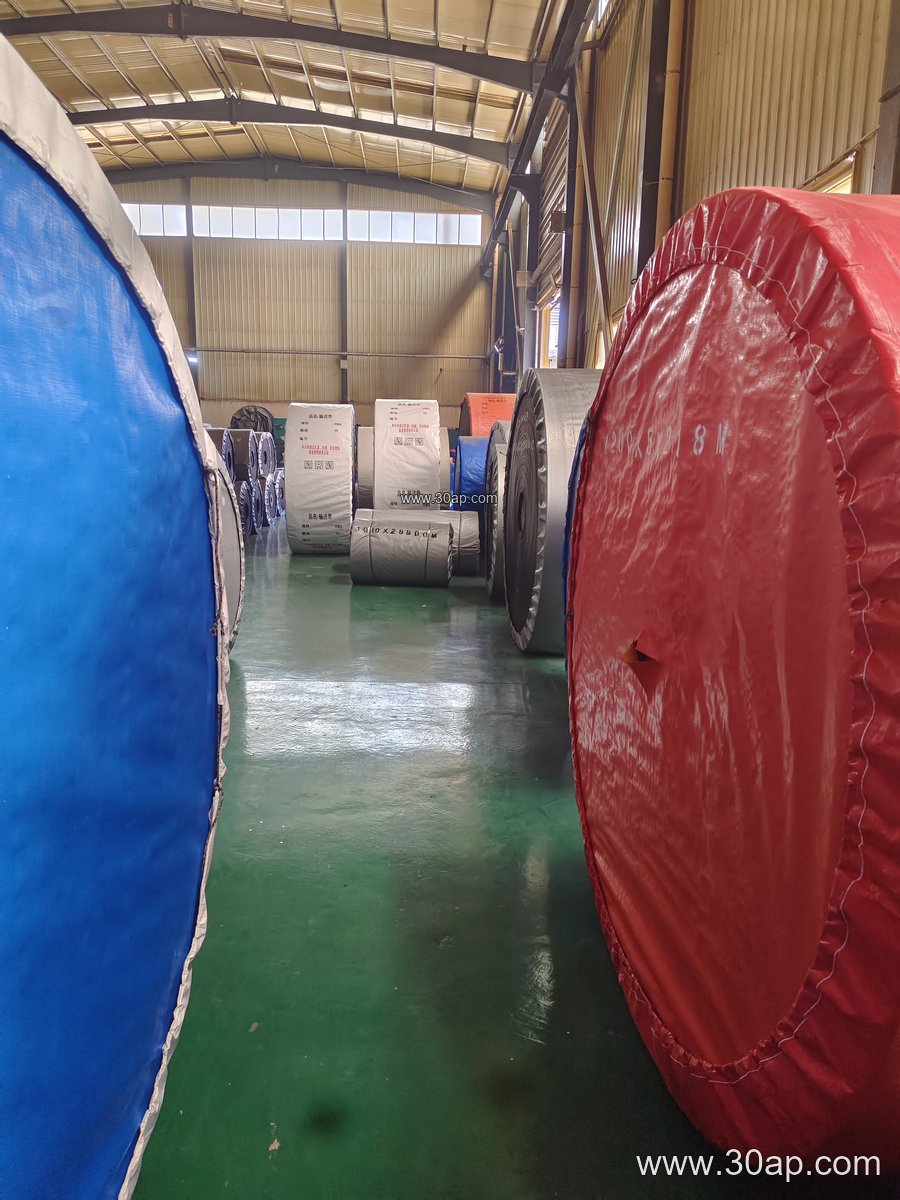
- Fabric cores – EP conveyor belt (polyester warp, nylon weft) and NN conveyor belt (nylon warp and weft) are common choices for quarry lines of moderate to long length. Multi-ply constructions with 2 to 6 plies are typical.
- Steel cord – a steel cord conveyor belt suits very long hauls and high tension, for example long overland runs from the pit to the plant.
- Solid woven – PVC conveyor belt and PVG conveyor belt are used where flame resistance and lower weight matter, particularly in underground coal mining conveyor belt duties.
- Surface forms – a chevron conveyor belt or patterned belt helps on inclines, while a corrugated sidewall belt or skirted conveyor belt keeps material from spilling on steep or confined routes.
Cover thickness is usually stated as top plus bottom, for example 4+2 mm, 5+2 mm or 6+2 mm, with 8+3 mm appearing in severe impact zones. A thick conveyor belt is not automatically better: too much cover can stiffen the belt and load the pulleys.
Matching the Belt to the Duty
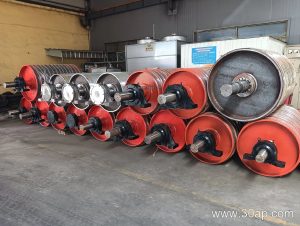
Selection starts with the material, the tonnage, the incline and the pulley diameters. The belt must be flexible enough to wrap the smallest pulley in the drive, tail and bend positions without ply separation. Drive pulleys, tail pulleys and bend pulleys are separate components with their own diameters, and none of them should be treated as interchangeable with another.
Typical belt widths in quarry work run from B500 and B650 up to B1200, B1400 and B1800, with wider belts used in high-capacity primary crushing stations. Strength grades such as EP200, EP400, EP630, EP1000 and EP1250 are commonly quoted, and steel cord grades like ST1250 or ST2000 appear on long-haul systems. These figures are reference points, not fixed rules; final choice follows the conveyor design.
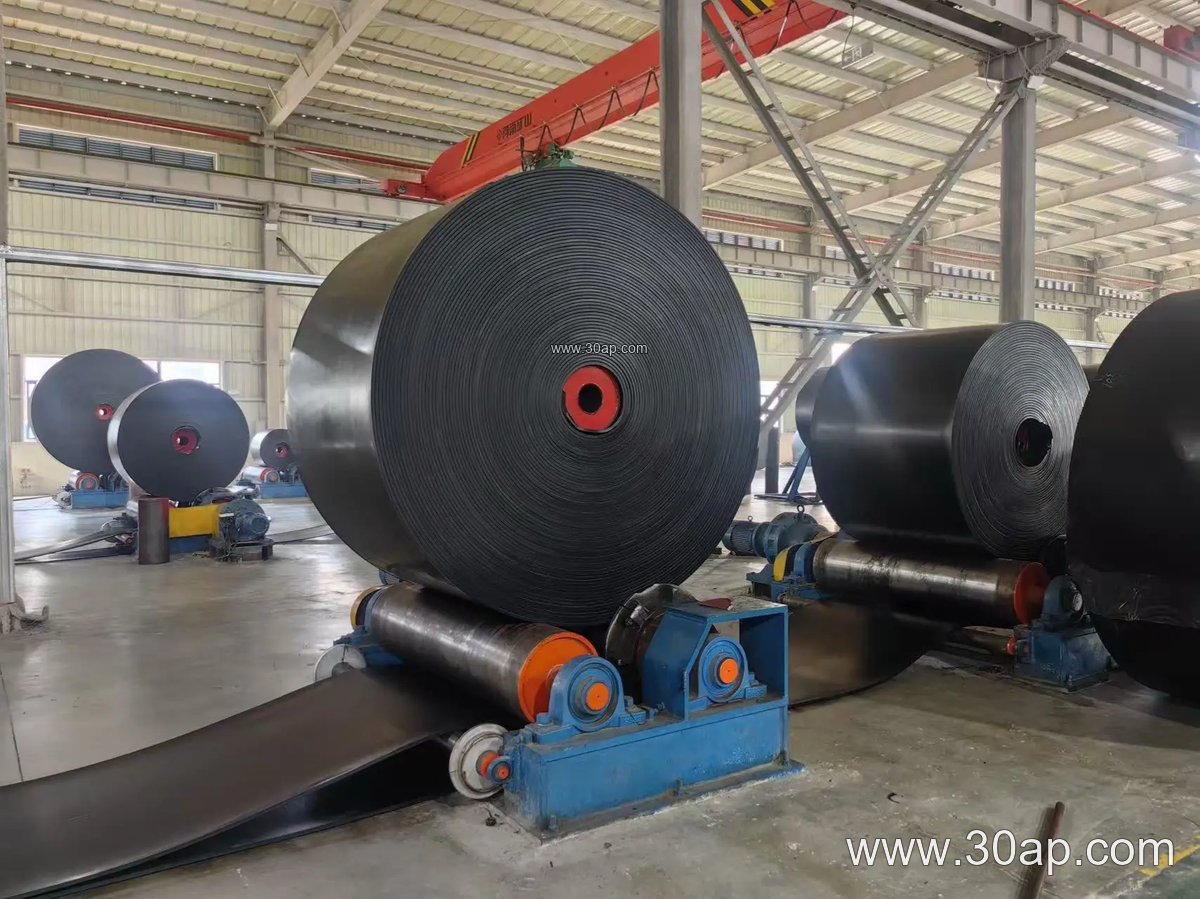
Cover compound options
- Abrasion resistant conveyor belt – the default for crushed stone and gravel.
- Impact resistant conveyor belt – under crusher discharge points.
- Heat resistant conveyor belt – after dryers or in cement plant and power plant circuits.
- Oil resistant, acid resistant or chemical resistant conveyor belt – where spillage is expected.
- Flame retardant conveyor belt and anti-static conveyor belt – required in coal mining and underground mining conveyor belt applications.
- Cold resistant conveyor belt – for winter operation in northern pits.
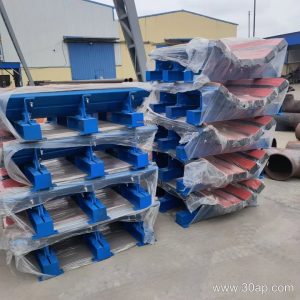
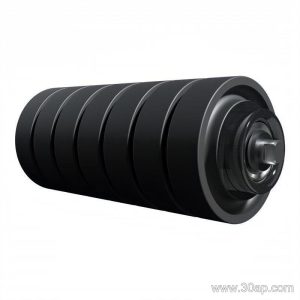
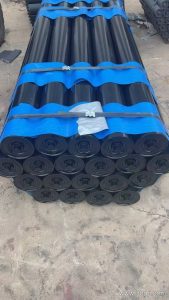
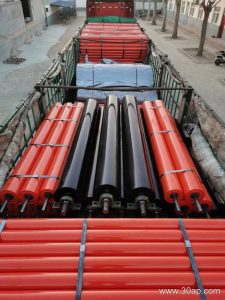
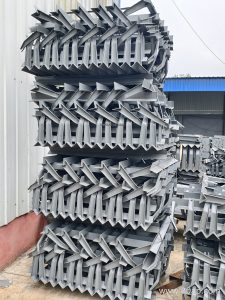
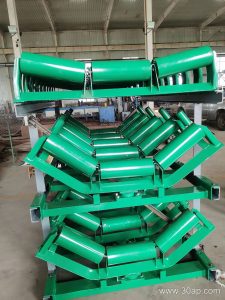
The supporting hardware deserves attention too: idler roller alignment, conveyor pulley condition and conveyor bracket rigidity all affect belt life. A misaligned frame can destroy a new belt within weeks. If you are comparing suppliers for a quarry conveyor belt, check the conveyor belt, idler roller, conveyor pulley and conveyor bracket as one system rather than buying each item in isolation.
Buyer Checklist
Before ordering, confirm the material size and lump weight, the expected throughput, the incline angle, the smallest pulley diameter, the ambient temperature and any fire or oil exposure. Ask for the carcass type, ply count, cover thickness and strength grade in writing. Confirm whether the belt will be supplied as an endless conveyor belt spliced on site or in open length for mechanical fastening. For steep inclines, discuss chevron or sidewall options early, because retrofitting later is costly.
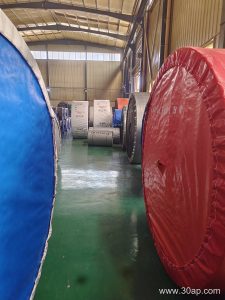
Finally, plan storage and handling. Belts should be stored on a dry, shaded surface, and heavy rolls should be lifted with a proper spreader rather than a single sling. Good handling protects the carcass before the belt ever reaches the conveyor.