What a High-Strength Idler Is
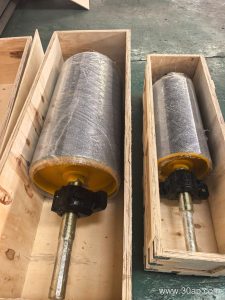
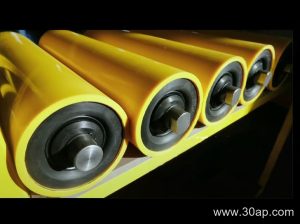
A high-strength idler is a load-bearing roller built to carry a conveyor belt and its material without deforming, seizing, or wearing out early. It is still an idler roller in the ordinary sense, but the tube, shaft, bearing seat, and sealing arrangement are chosen for heavier loads, longer spans, or harsher conditions than a light-duty roller would tolerate. In a belt conveyor, the idler set supports the belt on the carrying side and returns it on the lower run, so the strength of each roller directly affects belt tracking and power consumption.
Buyers sometimes confuse idlers with pulleys. A drive pulley, a tail pulley, and a bend pulley each do a different job, and none of them is an interchangeable name for an idler. Where a comparison helps, think of the drive pulley as the component that transmits motion, while the high-strength idler mainly supports and guides the belt along the route.
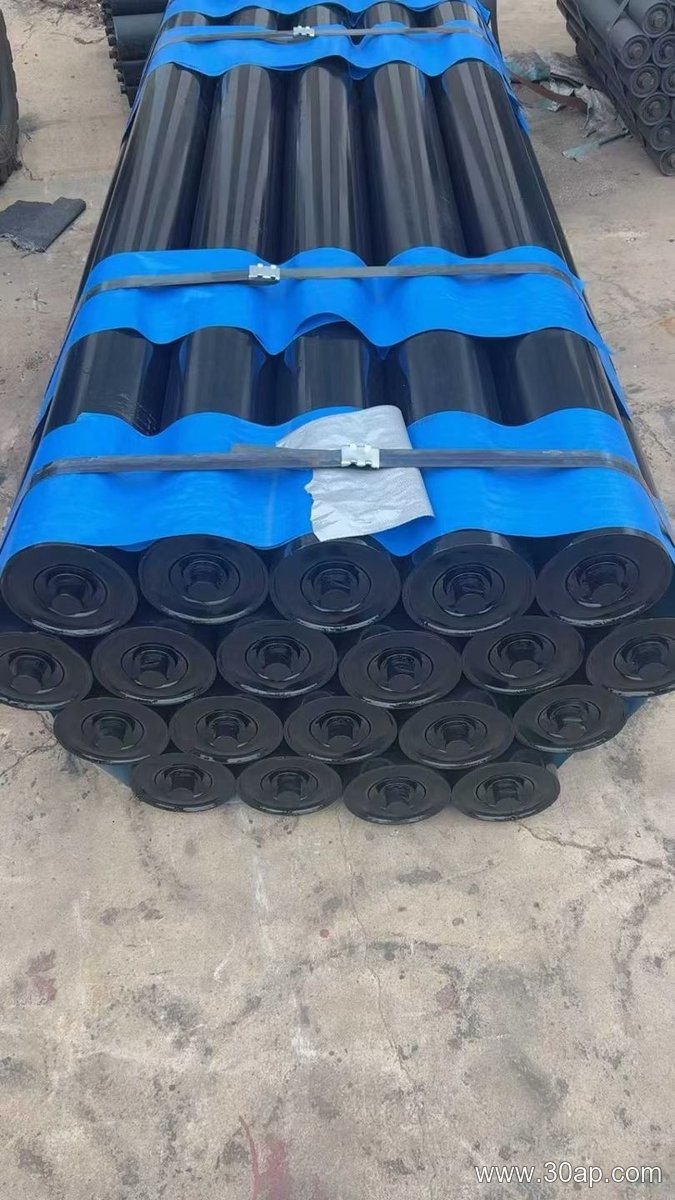
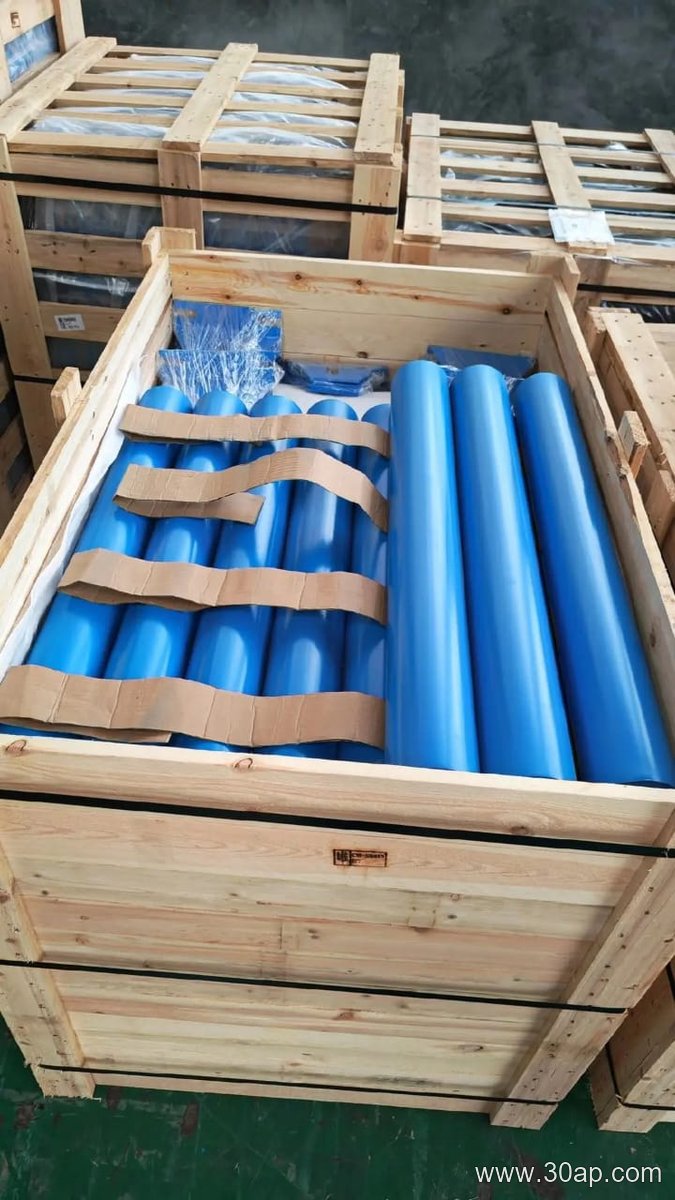
How the Roller Is Built
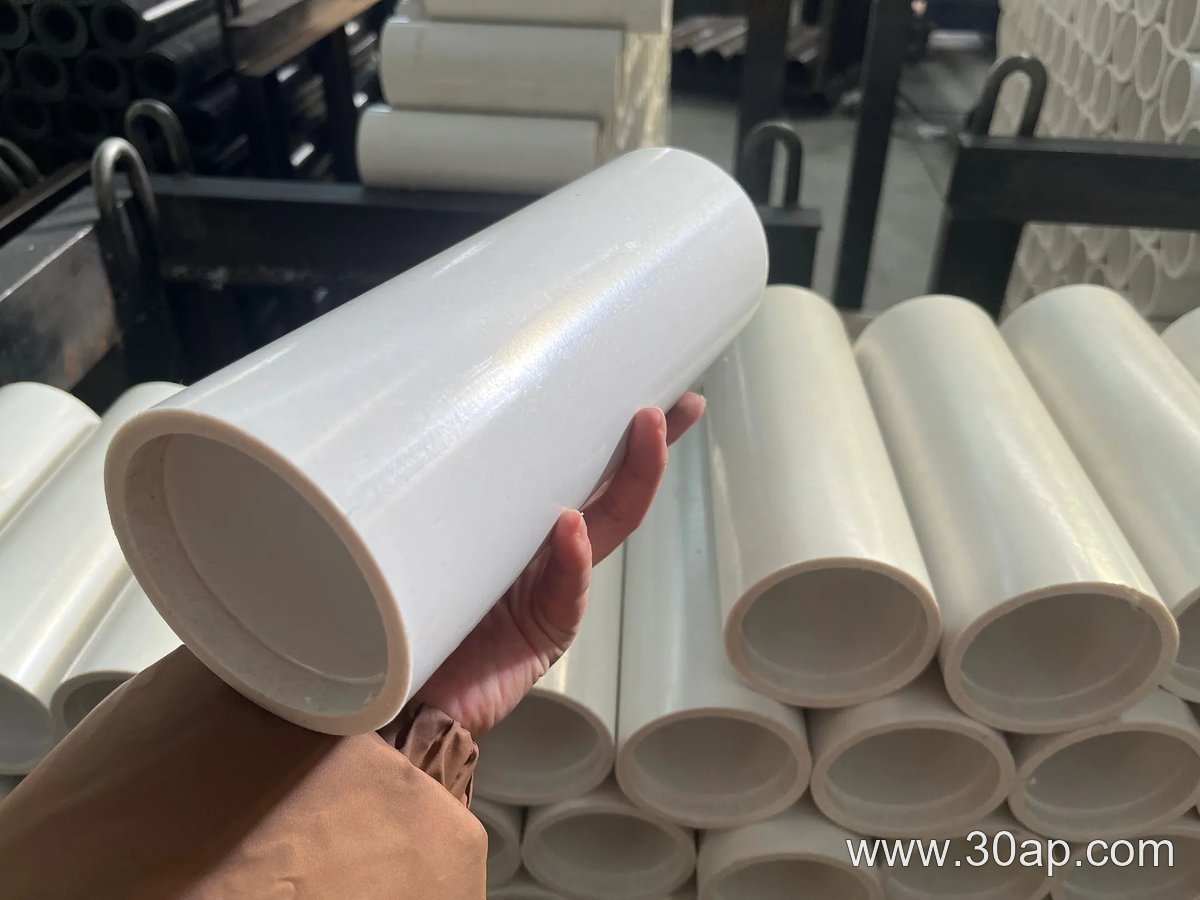
The basic body is usually a steel tube, with end caps welded or pressed in and a shaft running through the centre. Common tube-surface options include plain steel, nylon, ceramic, and rubber rings, and the choice depends on whether abrasion, sticking, or impact is the main concern. Bearing housings commonly use deep-groove ball bearings such as 6204, 6205, 6305, 6306, 6308, or 6310, but the bearing number should be matched to the actual load and speed rather than copied from a table.
Sealing is often what separates a long-lasting high-strength idler from a cheap one. Labyrinth seals, contact seals, and grease-filled cavities keep fines and moisture away from the bearing. On a quarry or a coal-handling line, that detail matters more than a small difference in tube thickness.
Where It Fits on the Conveyor
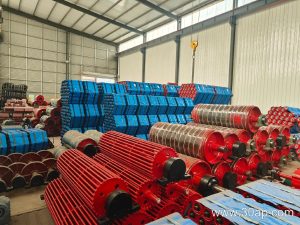
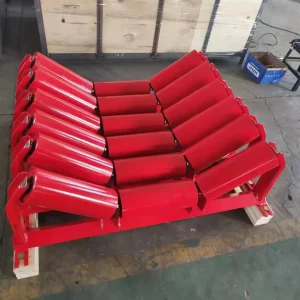
These rollers appear in troughing sets, return sets, and transition zones. A three-roll troughing arrangement with a 20, 30, 35, or 45 degree trough angle is common for carrying bulk material, while a flat or V-return set supports the empty belt underneath. Roller length changes with belt width, trough angle, and set design; for example, a three-roll troughing set may use a roll of roughly 200 mm on B500, 250 mm on B650, 315 mm on B800, 380 mm on B1000, 465 mm on B1200, 530 mm on B1400, 600 mm on B1600, 670 mm on B1800, or 750 mm on B2000. Side rolls and centre rolls can differ, so these are common references, not fixed pairings.
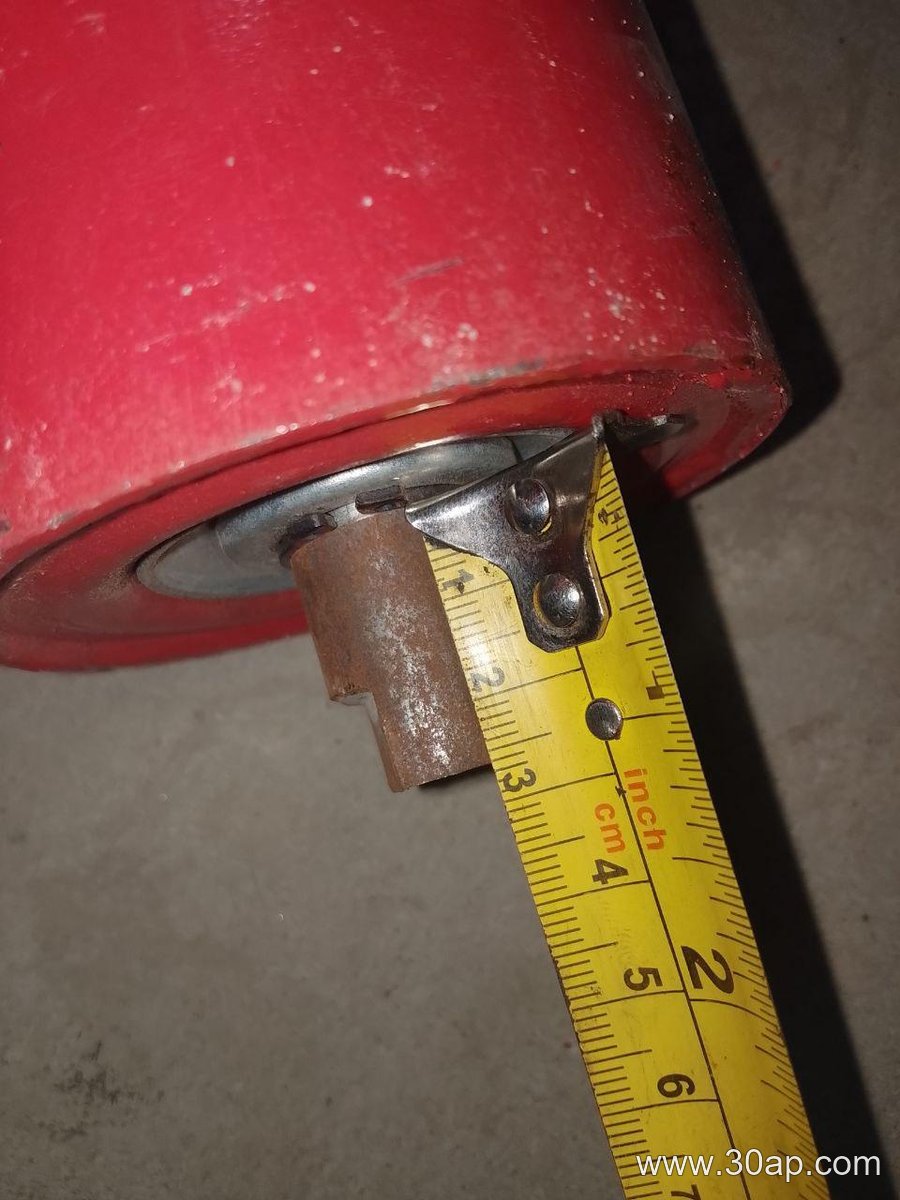
Typical roller diameters run from smaller sizes such as Ø63, Ø76, Ø89, Ø102, and Ø108 up to Ø127, Ø133, Ø159, Ø178, Ø194, and Ø219 for heavier duty. A larger diameter can reduce rotation speed and improve bearing life, but it also raises the frame height, so selection is a design decision rather than a rule.
Applications in the Field
One common home for a high-strength idler is a sand and gravel aggregate line, where the belt carries sharp, heavy rock and the rollers take continuous impact. Another is a coal washing plant, where moisture and fine particles attack seals and bearings. In both settings, a reinforced roller with good sealing and a wear-resistant surface usually outlasts a standard unit. The same logic applies in a crushing and screening circuit, a cement plant, or a port bulk terminal, though each site stresses the roller differently.
What a Buyer Should Check
- Confirm the belt width, trough angle, and set type before choosing roll length.
- Match the roller diameter and bearing size to the load, belt speed, and material weight.
- Check the shaft end and bracket dimensions against the existing conveyor bracket.
- Ask how the seal works, since contamination is a leading cause of idler failure.
- Consider the surface: steel for general duty, rubber rings for impact, ceramic or nylon where abrasion or build-up is a problem.
A high-strength idler is not simply a thicker tube. It is a balanced package of tube, shaft, bearing, and seal that suits the conveyor it serves. Selecting it by application rather than by a single number gives the best chance of long, quiet service.