What Is a Trough Idler Bracket?
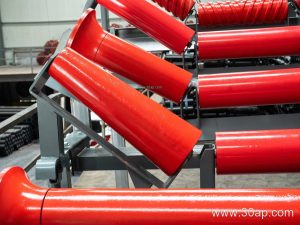
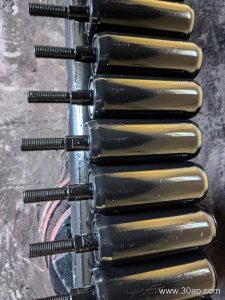
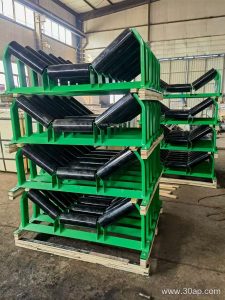
A trough idler bracket is the structural component that holds the inclined and horizontal idler rollers in a troughing set, giving the conveyor belt its trough shape. Also called a troughing idler bracket or simply trough bracket, it mounts to the conveyor frame and positions the idlers at a specific trough angle to support the belt and its load. This bracket is a key interface between the idler roller, the conveyor belt, and the supporting structure.
In industries such as mining, coal preparation, cement plants, power plant coal handling, and aggregate yards, the trough idler bracket helps maintain belt alignment and load stability. It differs from a return bracket or a transition bracket, each of which serves a distinct position in the conveyor system.
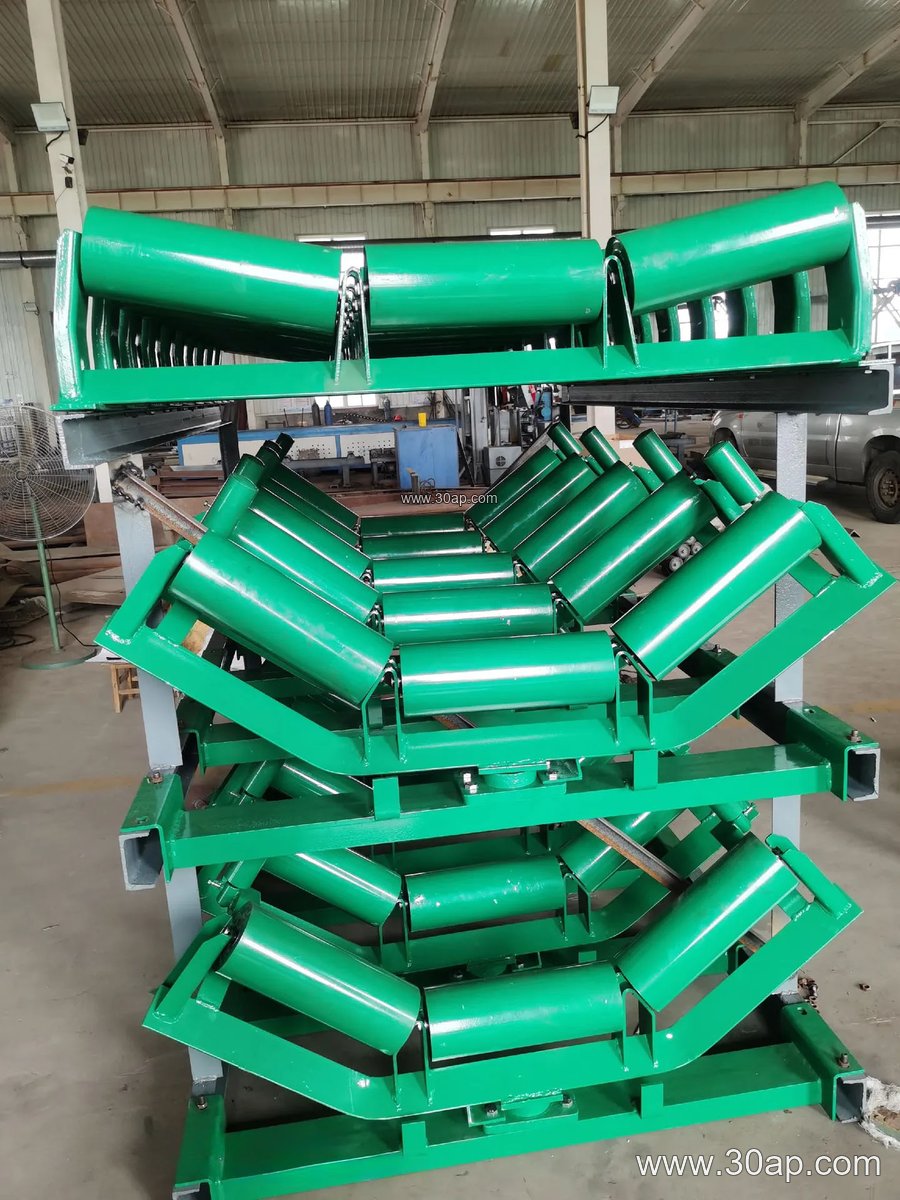
Construction and Materials
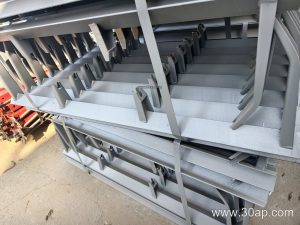
Most trough idler brackets are fabricated from angle steel, channel steel, or bent steel plate. The material choice depends on load requirements and environmental conditions. Common surface treatments include painting or galvanizing to resist corrosion in dusty or humid settings.
Key features often include:
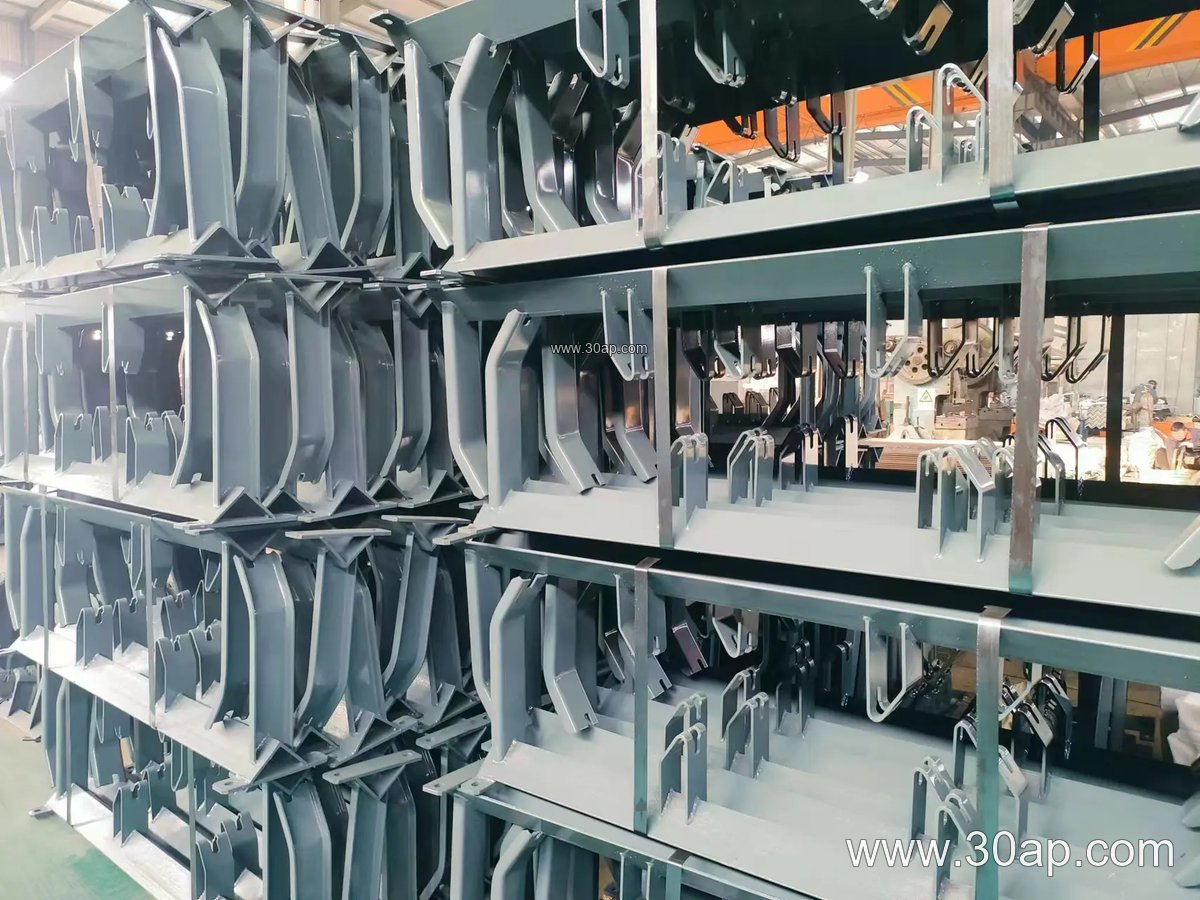
- Slotted or pre-drilled mounting holes for adjustment
- Reinforced bends or gussets for rigidity
- Provisions for 20°, 30°, 35°, or 45° trough angles
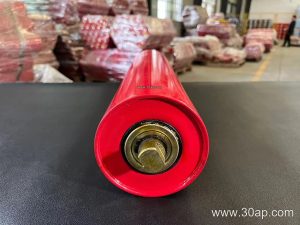
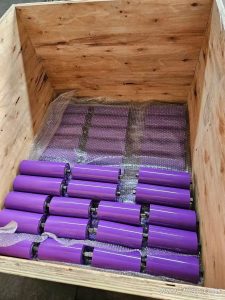
- Compatibility with idler roller diameters such as Ø89, Ø108, Ø133, Ø159, or Ø194
Adjustable brackets allow the trough angle to be changed within a range, while fixed brackets lock in one angle. Both types are available for belt widths from B500 to B2200, with mounting hole spacing and beam length determined by the specific belt width and trough angle.
Where It Is Used
You will find trough idler brackets on the carrying side of belt conveyors in a wide range of bulk material handling operations. In a quarry or stone crushing line, they support conveyors moving aggregate and rock. In a coal mining or underground mining application, flame retardant conveyor belts and heavy-duty idler rollers rely on sturdy brackets to keep the belt profile stable.
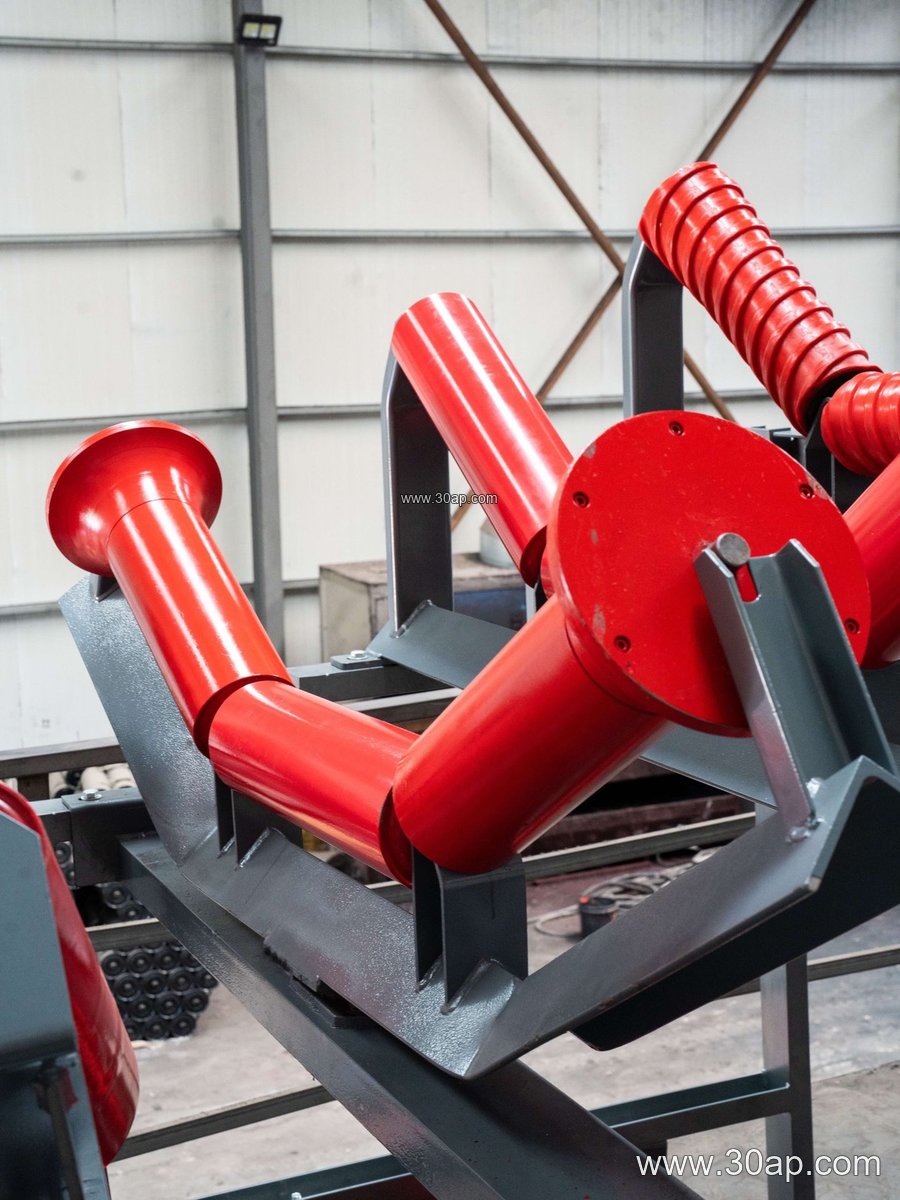
Other typical settings include cement plants handling clinker and raw meal, power plant coal yards, port ship loading systems, and steel plant sinter lines. The bracket works together with the conveyor belt, idler roller, and conveyor pulley to ensure smooth material flow.
Selection and Sizing Notes
Choosing the right trough idler bracket involves matching belt width, trough angle, and idler diameter to the conveyor design. There is no single mandatory combination; for example, a B800 belt may use 35° troughing with Ø108 idlers in one plant and a different angle in another. The table below shows common reference combinations, but actual values should be confirmed by design.
| Belt Width | Common Trough Angle | Common Idler Diameter |
|---|---|---|
| B500 | 20°–30° | Ø89 |
| B650 | 30° | Ø89 |
| B800 | 35° | Ø108 |
| B1000 | 35° | Ø108–Ø133 |
| B1200 | 35°–45° | Ø133 |
| B1400 | 35°–45° | Ø133–Ø159 |
| B1600 | 35°–45° | Ø159 |
| B1800 | 35°–45° | Ø159–Ø194 |
| B2000 | 35°–45° | Ø194 |
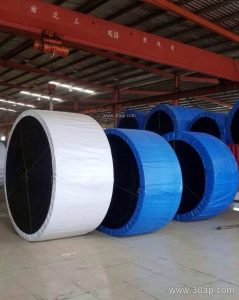
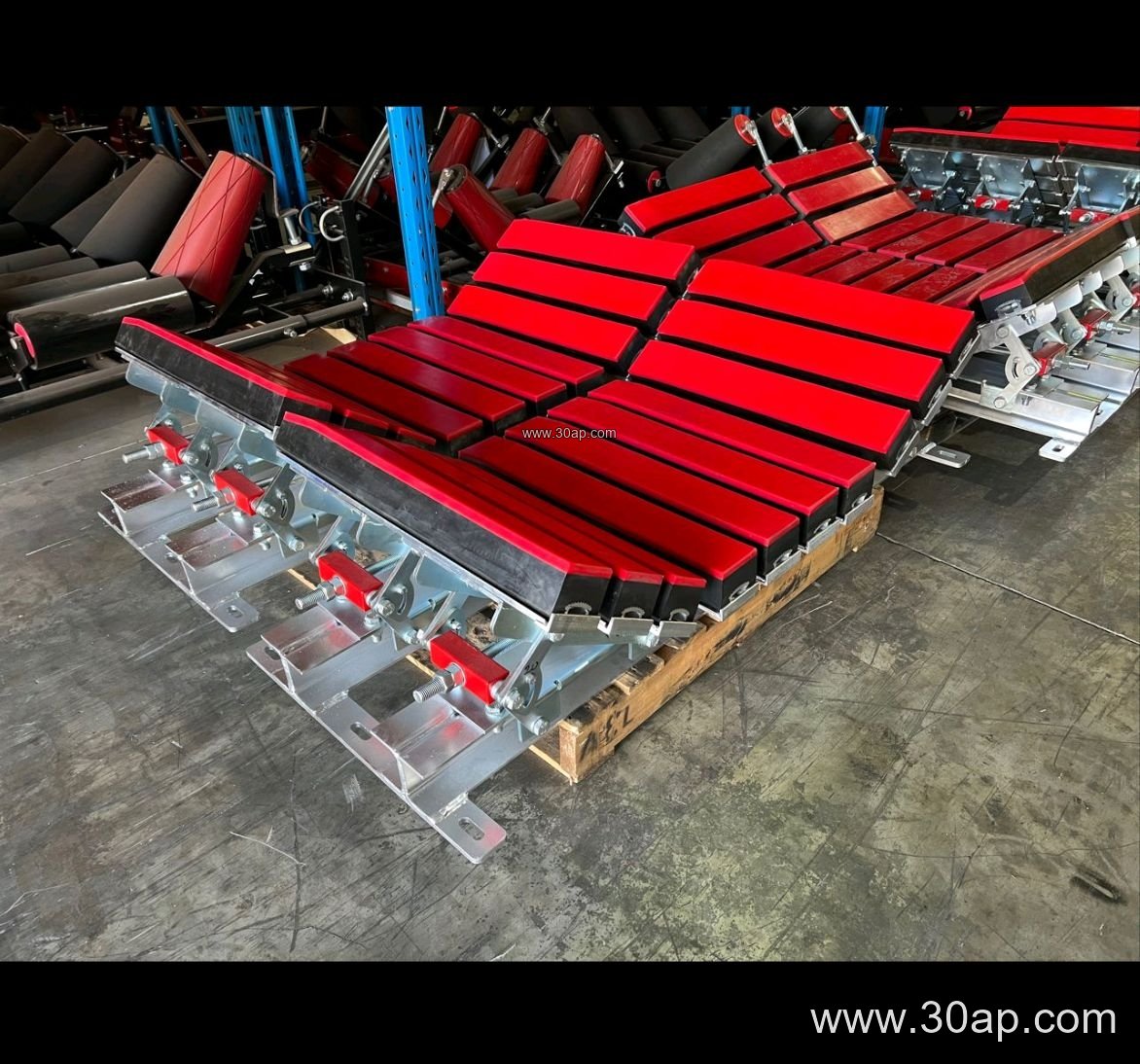
Buyers should also consider the conveyor belt type in use. A heavy-duty mining conveyor belt or steel cord conveyor belt may require more robust brackets than a lightweight EP conveyor belt. In dusty or wet conditions, corrosion-resistant finishes are advisable. For abrasive materials, impact-resistant conveyor belts and cushion idler brackets can reduce wear.
Installation and Maintenance Tips
Proper alignment of trough idler brackets is essential for belt training. Install brackets square to the conveyor centerline and check that all idlers in a set sit at the same height. Adjustable brackets should be locked securely after setting the trough angle. Regular inspection for loose bolts, bent brackets, or worn mounting holes helps prevent belt misalignment and premature idler failure.
When replacing idlers, verify that the new roller diameter matches the bracket’s mounting slots. Using the correct trough idler bracket with compatible idler rollers and a suitable conveyor belt ensures reliable performance in demanding environments such as mining, quarrying, and cement production.