What a Large-Diameter Conveyor Idler Does
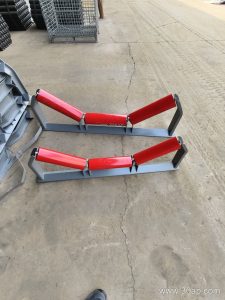
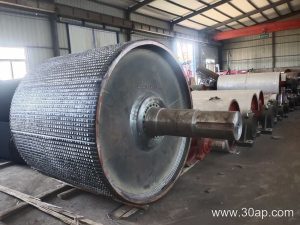
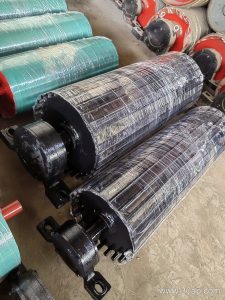
A large-diameter conveyor idler is a load-bearing roller with an outside diameter typically from Ø159 mm up to Ø219 mm, used where standard idlers would wear too fast or create too much rolling resistance. In a coal mining conveyor belt system or a quarry conveyor belt line, these larger rollers support the belt and material load while keeping the belt tracking stable. The larger circumference reduces revolutions per minute for the same belt speed, which can extend bearing life and lower noise in continuous duty. The idler roller is not a conveyor pulley; it supports the belt between the head and tail, while the drive pulley pulls the belt and the bend pulley changes its direction. Each has a distinct role and should not be confused.
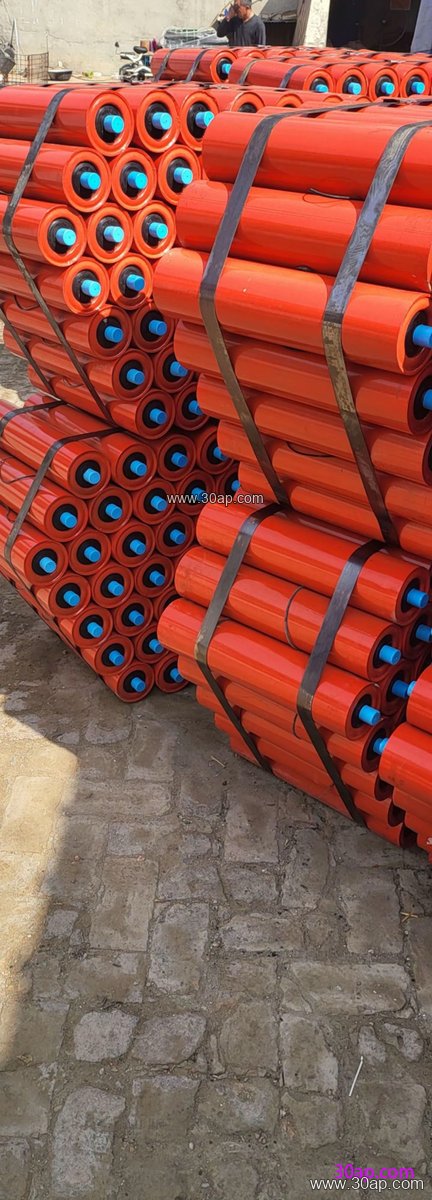
Construction and Surface Options
The body is usually a steel tube with machined ends, fitted with sealed bearings and a shaft. Common bearing sizes include 6205, 6305, 6306, 6308 and 6310, matched to the shaft and load rating rather than to belt width alone. The roller surface may be plain steel, nylon, ceramic or rubber rings. Rubber-ring impact idlers are a separate subtype used at transfer points; they are not a replacement for the large-diameter troughing idler under normal carrying conditions. For abrasive bulk material such as iron ore or copper ore, a wear-resistant shell and good labyrinth seal matter as much as diameter.
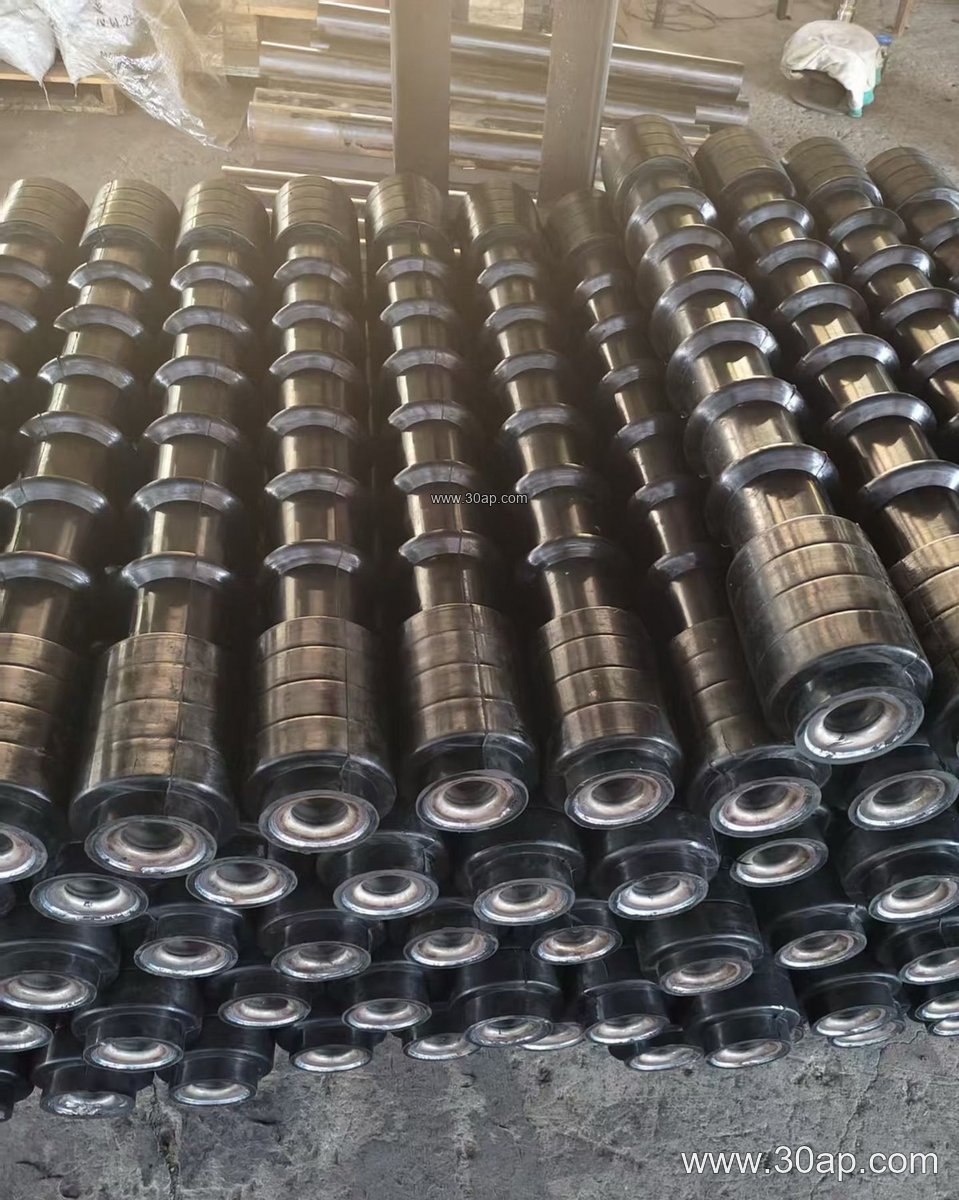
Where Large-Diameter Idlers Fit
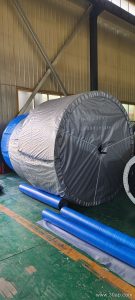
These idlers appear in high-tonnage circuits: iron ore and copper ore plants, coal preparation, cement plants, power plant coal handling, and port ship-loading conveyors. They are also used on wide belt lines where a 1200mm wide conveyor belt or a 1500mm wide conveyor belt needs stable support across three rolls. A heavy-duty mining conveyor belt carrying lump ore benefits from larger rollers because the contact pressure between belt and roller is spread over a longer arc. In a limestone quarry or aggregate conveyor belt line, the same logic applies when belt speed and tonnage are high.
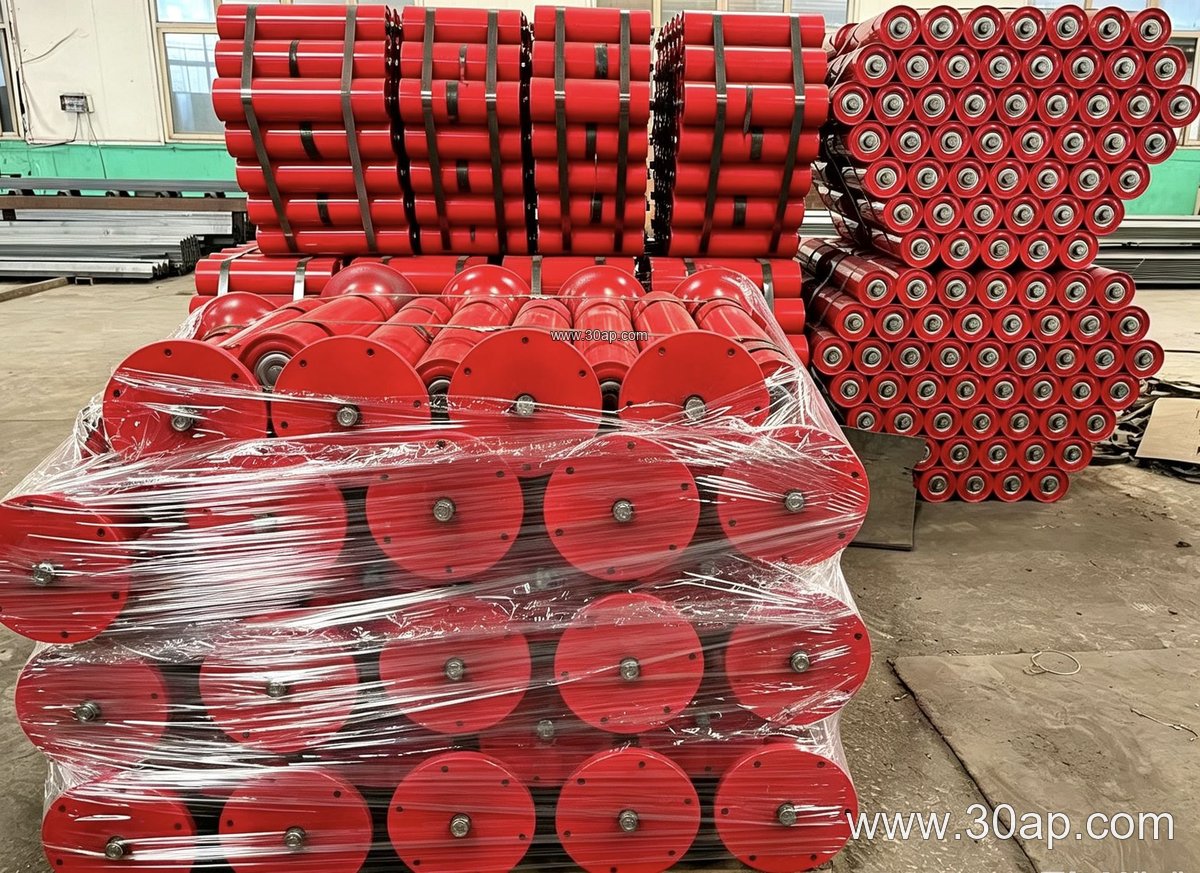
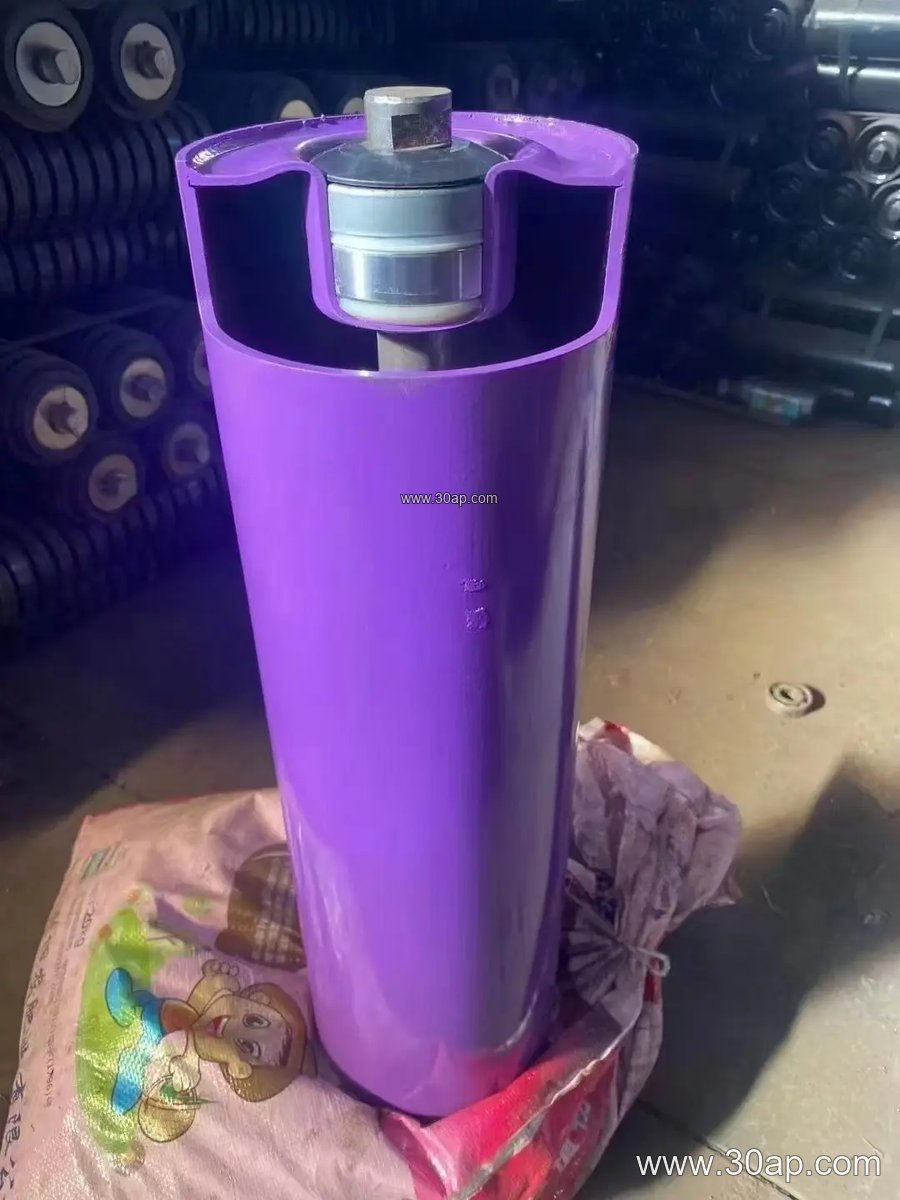
Matching Diameter, Belt Width and Roll Length
Roll length depends on belt width, trough angle and the idler set arrangement. A three-roll troughing set has a different centre roll and side roll length. The following values are common examples, not fixed pairings; final dimensions are confirmed by design.
- B500 belt: centre roll about 200 mm
- B650 belt: centre roll about 250 mm
- B800 belt: centre roll about 315 mm
- B1000 belt: centre roll about 380 mm
- B1200 belt: centre roll about 465 mm
- B1400 belt: centre roll about 530 mm
- B1600 belt: centre roll about 600 mm
- B1800 belt: centre roll about 670 mm
- B2000 belt: centre roll about 750 mm
Trough angles of 20, 30, 35 and 45 degrees are common. A 35-degree trough is often used for general bulk material, while 45 degrees can help contain a wider belt load. The idler diameter should be selected with belt speed, load and bearing life in mind; one belt width does not dictate one pulley diameter or one shaft size.
Buyer Checklist
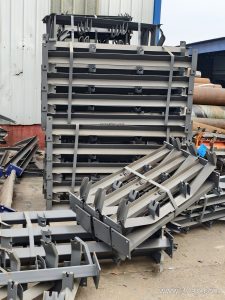
Ask for the shaft diameter, bearing type, seal design and roller wall thickness, not only the outside diameter. Confirm the idler set form: single roll, two-roll or three-roll troughing. Check whether the application needs a flame retardant conveyor belt or heat resistant conveyor belt nearby, because temperature and fire safety affect roller seal and grease choice. For a pipe conveyor belt or corrugated sidewall conveyor belt, idler geometry is different; do not substitute a large-diameter troughing idler into those systems without engineering review. Spare parts for a conveyor bracket should match the installed frame. Finally, compare the cost of a larger roller against the maintenance interval it may deliver on your conveyor belt line.