What a Conveyor Belt Guide Idler Does
A conveyor belt guide idler is a carrying-side roller assembly that does more than support the loaded belt. It is positioned to steer the belt gently back toward the center line, usually by tilting its rollers slightly in the direction of travel. In a stone crushing line or a cement plant, a belt that wanders a few centimeters off center can rub the frame, fray the edge, and spill material along the whole run. The guide idler corrects that drift before it becomes a maintenance problem.
This component is sometimes called a self-aligning carrying idler or a training idler for the top strand. It is not a drive pulley, a tail pulley, or a bend pulley; those are different parts of the conveyor and are not interchangeable with it. Keeping that distinction clear helps when ordering spares, because the guide idler works with the belt, not with the drive system.
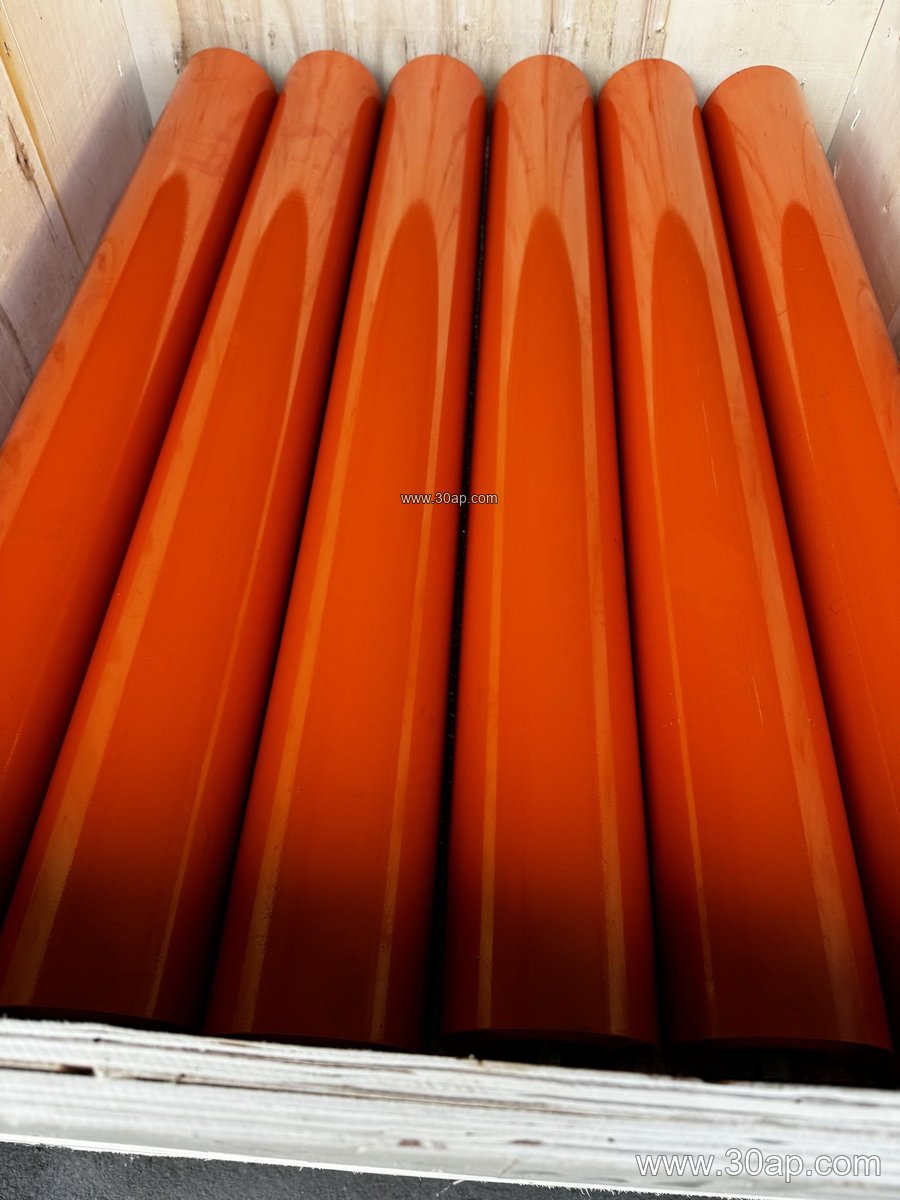
How the Assembly Is Built
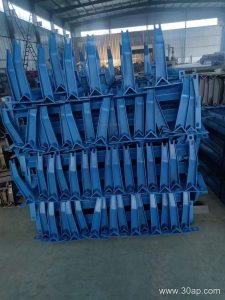
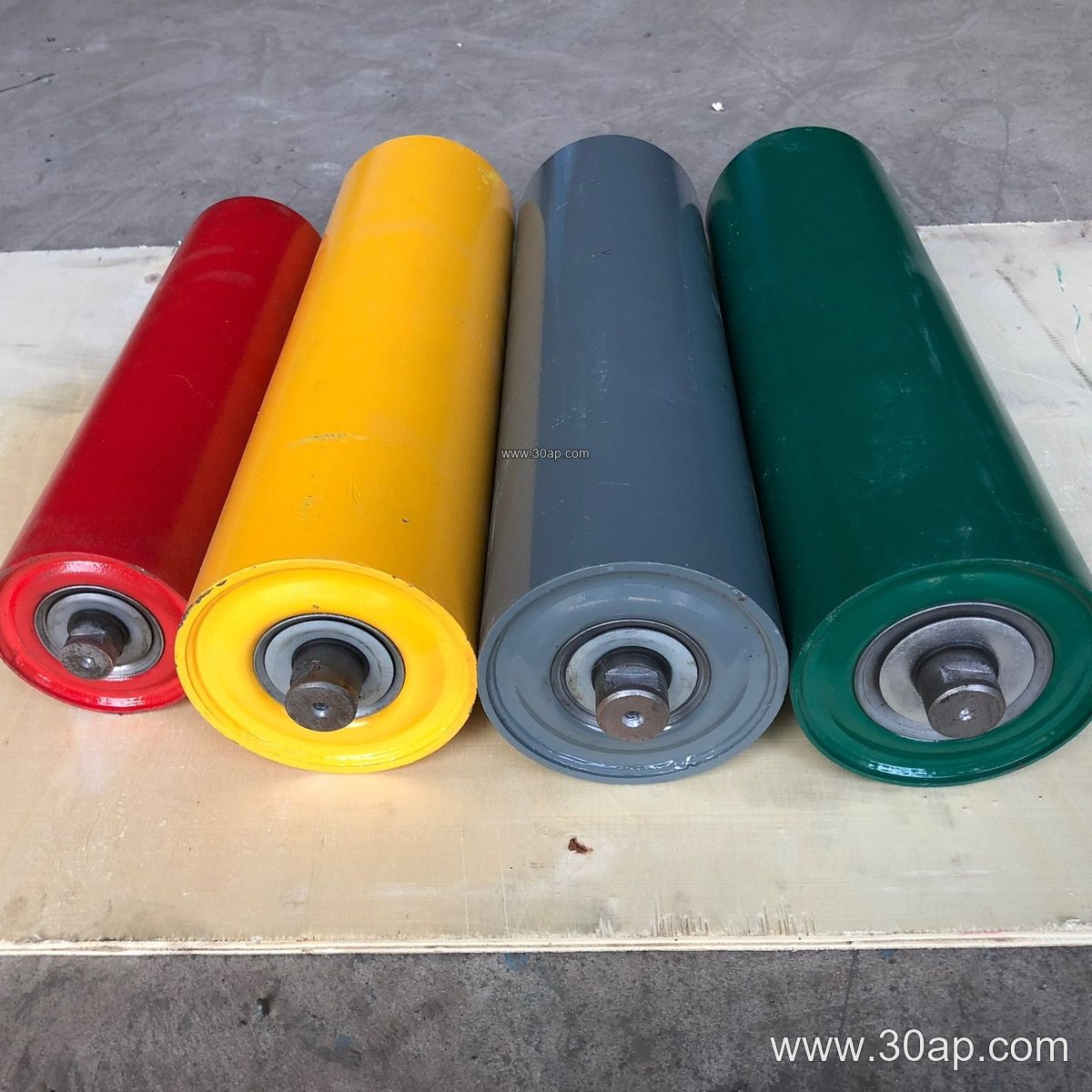
A typical unit combines two or three rollers mounted in a frame that can pivot or skew. Common roller diameters for carrying positions include Ø89, Ø108, Ø127, and Ø133, with larger sizes such as Ø159 or Ø178 used on wide, heavy belts. The roller shell may be plain steel tube, nylon, or rubber-covered, depending on whether the priority is low friction or grip. Bearings are usually sealed deep-groove types such as 6204, 6205, 6305, or 6308, chosen by load and shaft design rather than by belt width alone.
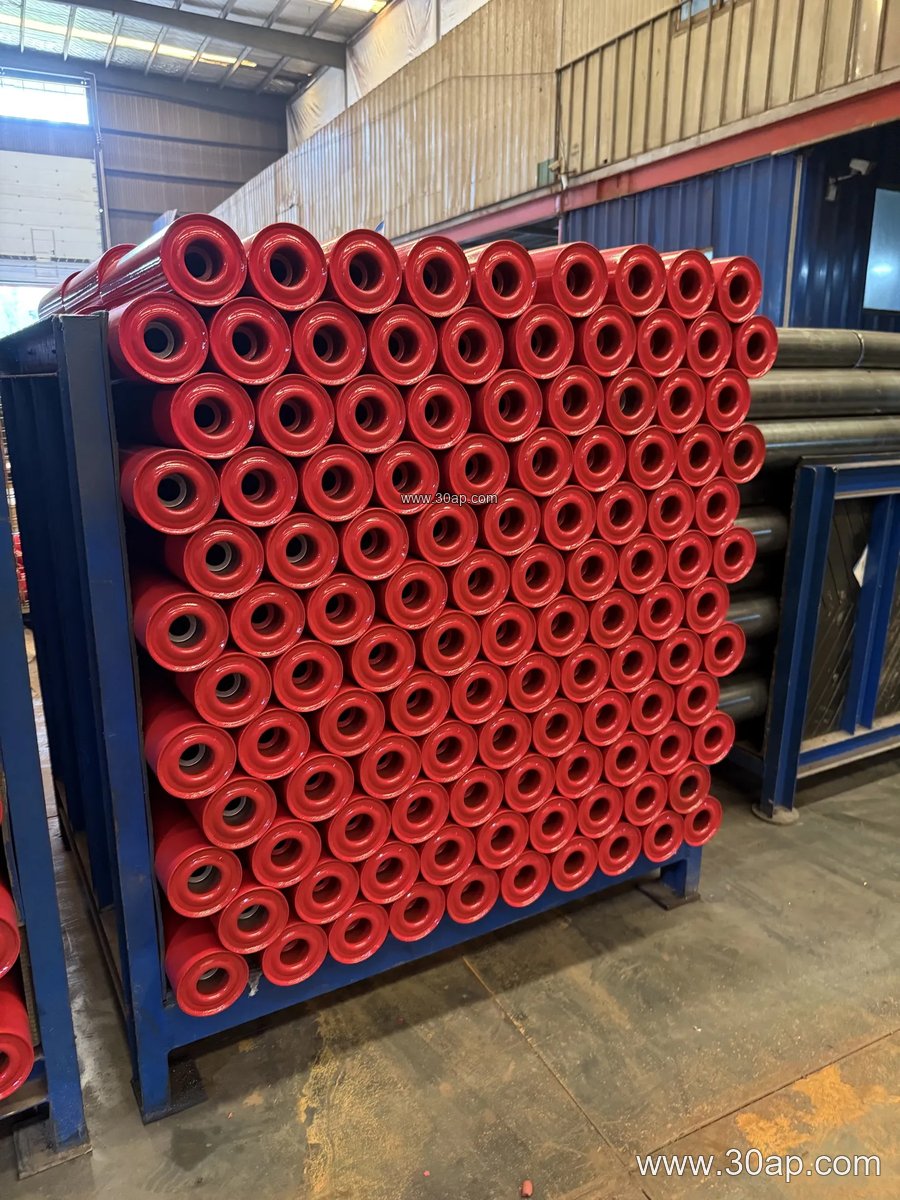
A small forward tilt, often about 1.5 to 2 degrees, is what produces the centering effect. The frame is normally fixed to the conveyor bracket or stringer with bolts that allow adjustment during installation. Because the pivot and the tilt both matter, the mounting surface should be flat and the brackets should be aligned before the idler is set to work.
Where It Fits in a Conveyor Line
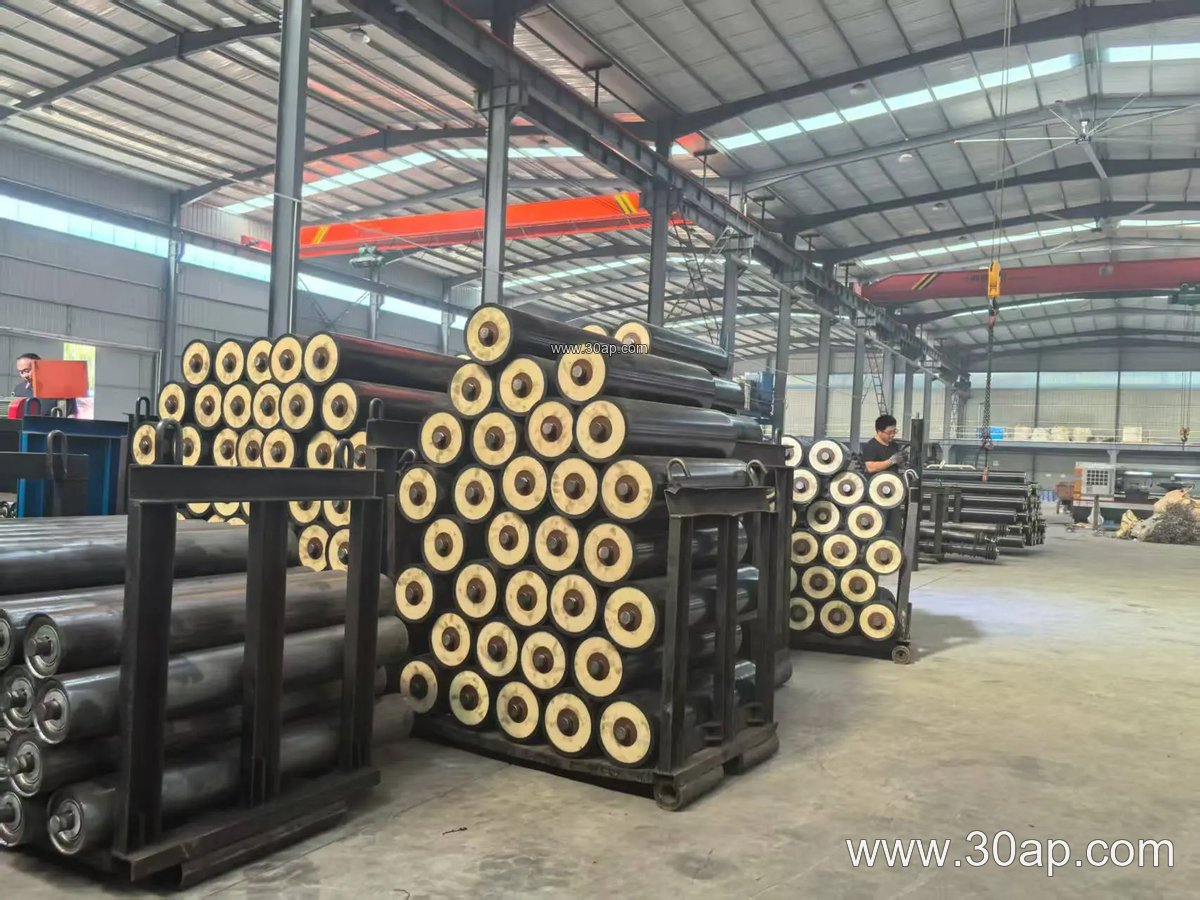
Training idlers are most useful on long carry runs, on conveyors that receive uneven loading, and on belts that are exposed to side winds or crosswinds at transfer points. In a coal handling system feeding a power plant, or in an iron ore transfer house, a slight misalignment at the load point can push the belt off center for hundreds of meters. A guide idler placed after the loading zone and repeated at intervals along the carry side gives the belt a chance to correct itself.
On a quarry conveyor carrying abrasive rock, the same assembly has to survive dust and grit. Sealed bearings and a sturdy frame matter as much as the centering action. Where the belt is a heavy-duty mining conveyor belt or a high abrasion resistant conveyor belt, the guide idler should be matched to the belt’s stiffness and load, not simply copied from a lighter line.
Sizing and Selection Points
Buyers should treat roller diameter, roller length, and trough angle as a set that follows the conveyor design. A three-roll troughing guide idler on a B800 belt commonly uses rollers around 315 mm long, while a B1200 arrangement often uses about 465 mm. These are reference figures, not fixed rules, and the side rollers may differ from the center roller. Trough angles of 20, 30, 35, or 45 degrees change the belt profile and therefore the load on each roller.
| Parameter | Common Reference Range | Note |
|---|---|---|
| Roller diameter | Ø63 to Ø219 | Larger sizes for wider, heavier belts |
| Belt width | B400 to B2400 | Roller length follows belt width and trough form |
| Trough angle | 20 to 45 degrees | Affects belt shape and material containment |
| Bearing | 6204, 6205, 6305, 6306, 6308, 6310 | Selected by load and shaft, not belt width alone |
| Roller surface | Steel, nylon, ceramic, rubber ring | Rubber rings help grip and reduce wear |
It also helps to check the belt type on the same line. A flame retardant conveyor belt used underground may need a guide idler with non-sparking or antistatic considerations, while a heat resistant conveyor belt on a clinker line may call for a different roller arrangement near hot zones. A pipe conveyor belt or a corrugated sidewall conveyor belt has its own tracking behavior and should not be assumed to work with a standard training idler without review.
Installation and Maintenance Habits
- Align the frame square to the belt center line before tightening the conveyor bracket bolts.
- Check that the tilt direction matches the desired correction; reversing it pushes the belt the wrong way.
- Inspect rollers for build-up of sticky material, which can defeat the centering action.
- Listen for bearing noise and check for play during routine walk-arounds.
- Replace worn rollers as a set when the frame or shaft shows damage.
A guide idler is a small part of the conveyor, but it protects the belt edge, the frame, and the material load. Matching it to the belt width, trough angle, and operating environment is the practical way to keep a line running straight in a sand and gravel plant, a copper mine, or a port loading system. For related components such as the conveyor pulley and the idler roller set, the same principle applies: specify by duty, not by habit.