What a Corrosion-Resistant Idler Is
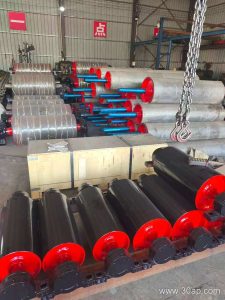
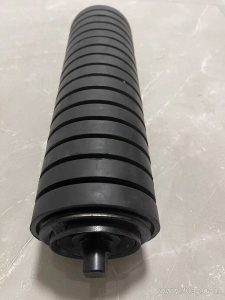
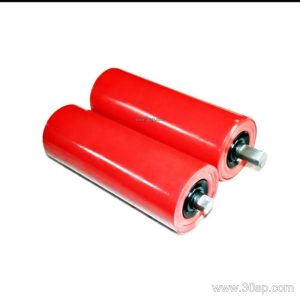
A corrosion-resistant idler is a carrying or return roller built to survive moisture, salt, acid mist, and other aggressive conditions that shorten the life of a standard roller. In a belt conveyor, the idler roller supports the conveyor belt and keeps it tracking along the line. When water drips from washed stone, slurry splashes near a transfer point, or chemical dust settles on the frame, ordinary painted steel can pit and seize. A corrosion-resistant idler uses protective materials and sealed bearings to keep turning in that environment.
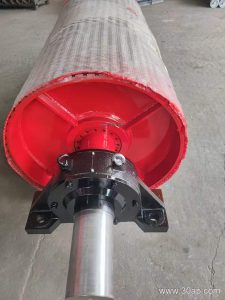
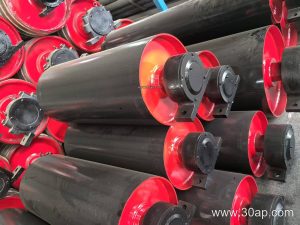
The product is still a roller, not a pulley. A drive pulley, tail pulley, and bend pulley each do a different job at the ends and curves of the conveyor, and none of them replaces an idler. The same is true inside the roller family: a troughing idler, return idler, and impact idler are separate designs, and each is selected for its own position on the conveyor.
Construction Details That Matter
Corrosion protection starts at the shell and ends at the bearing. Common approaches include polymer-coated steel tubes, galvanized shells, stainless steel for severe service, and nylon or ceramic roll surfaces where sticking and wear are concerns. The bearing housing and seal are often the weak point. Labyrinth seals, additional dust lips, and moisture-resistant grease help keep water and fine particles out of the bearing.
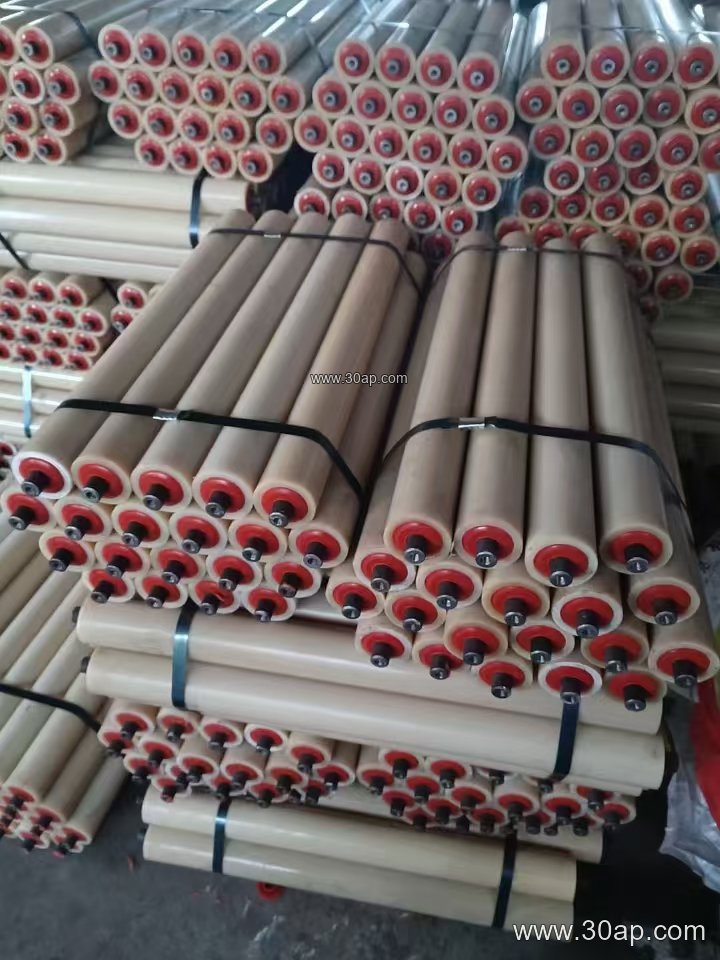
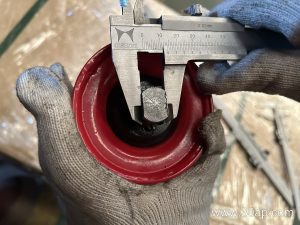
Typical roller diameters include Ø63, Ø76, Ø89, Ø102, Ø108, Ø127, Ø133, Ø159, and larger sizes for heavy belts. Bearings are usually chosen to suit the load, with 6204, 6205, 6305, 6306, 6308, and 6310 among the common sizes. These values are reference points, not fixed pairings; a bearing number should always be confirmed against the actual shaft and load design.
Where It Fits on the Conveyor
Wet and corrosive duty shows up in many plants. In a sand and gravel line, spray bars and washing screens keep the belt and rollers damp. In a coal preparation plant, water and fine solids can coat the return side. Fertilizer plants, port terminals exposed to salt air, and power plant coal handling systems also test roller durability. A quarry conveyor belt carrying damp aggregate may need protected idlers on the return run, while a cement plant may see alkaline dust rather than direct water.
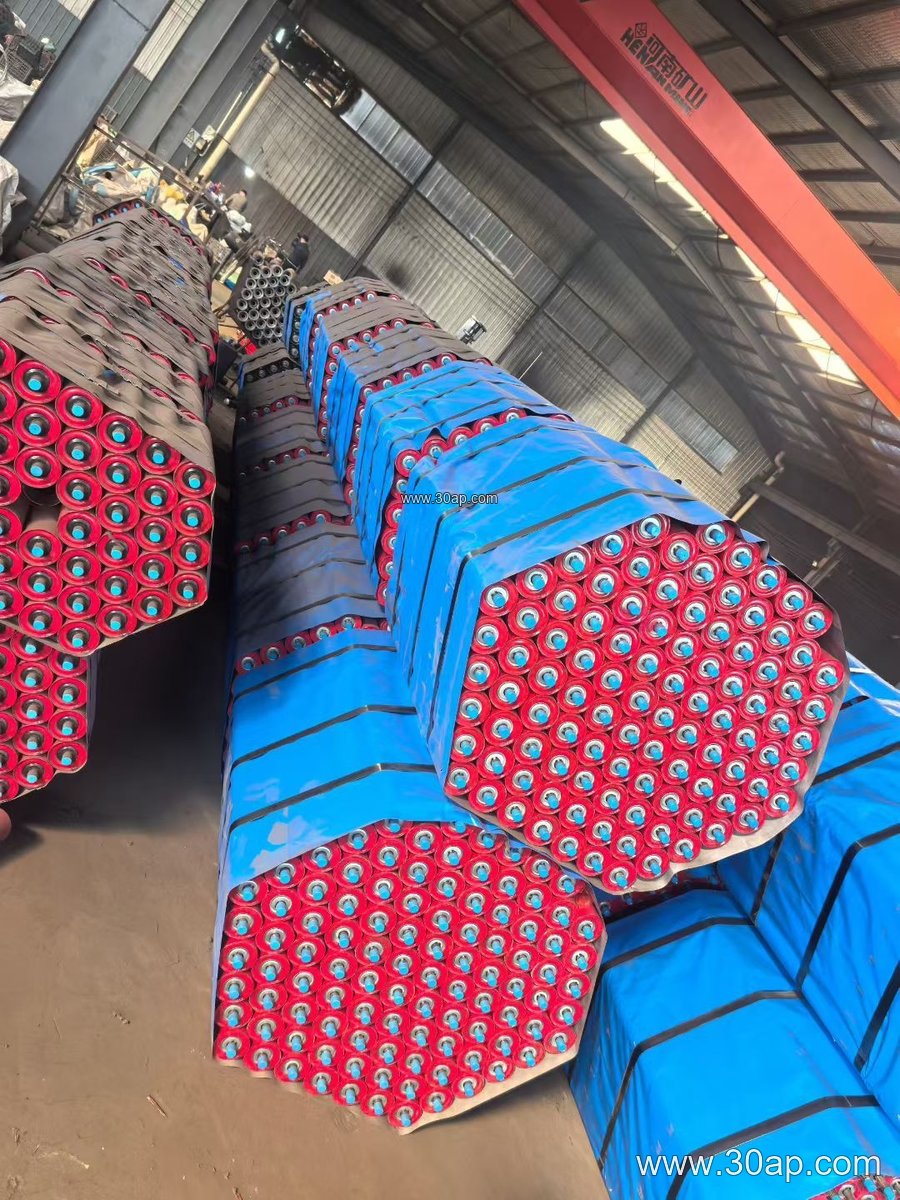
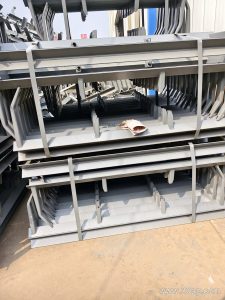
Position matters. Troughing idlers carry the loaded belt, return idlers support the empty side, and impact idlers absorb shock below a loading chute. A corrosion-resistant idler can be supplied in these forms, but the corrosion protection is the shared feature, not the position. Where a conveyor pulley sits nearby, it should be specified separately for its own duty.
Matching Roller Size to Belt Width
Roller length is not chosen from belt width alone. It depends on belt width, trough angle, and the idler arrangement. Three-roll troughing sets are common, and the following examples show typical roll lengths rather than mandatory matches.
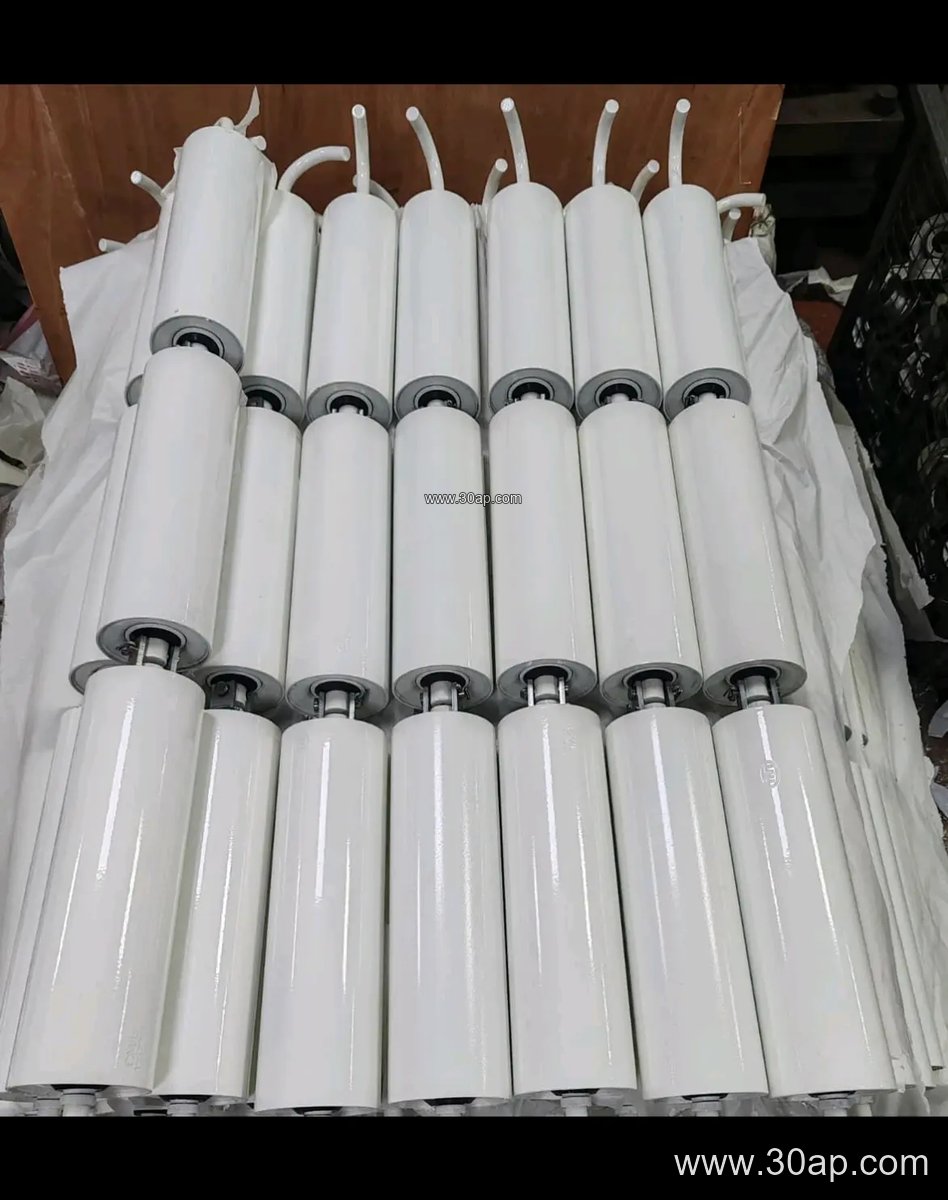
- B500 belt: about 200 mm roll length
- B650 belt: about 250 mm
- B800 belt: about 315 mm
- B1000 belt: about 380 mm
- B1200 belt: about 465 mm
- B1400 belt: about 530 mm
- B1600 belt: about 600 mm
- B1800 belt: about 670 mm
- B2000 belt: about 750 mm
Side rolls and center rolls can differ, and a two-roll or single-roll set will use other lengths. Trough angles of 20, 30, 35, and 45 degrees change the belt profile and the load capacity. A forward tilt of about 1.5 to 2 degrees is sometimes used on training idlers to help centering, but it is a design choice, not a default.
Selection and Maintenance Notes
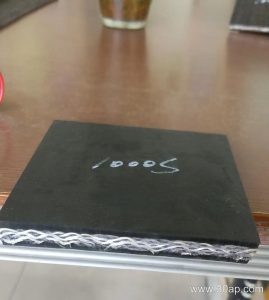
Buyers should state the environment first: fresh water, salt spray, acid or alkali exposure, wash-down frequency, and temperature range. Then confirm the belt width, trough angle, roller diameter, shaft size, and bearing type. The conveyor bracket and frame also need compatible protection, because a coated roller on a rusting frame still creates problems. On the belt side, choose a cover that suits the cargo, such as an abrasion resistant conveyor belt for sharp aggregate or a heat resistant conveyor belt near hot material. A flame retardant conveyor belt is common in underground coal mining conveyors, and an anti-static belt may be needed where static buildup is a concern.
During operation, check that rollers turn freely, listen for squealing bearings, and look for material buildup on the shell. Seized rollers can wear the belt cover and increase power draw. Re-greasing intervals depend on the seal design and duty; sealed-for-life units should not be forced with extra grease. Spare rollers should match the original diameter, length, and bearing arrangement so the belt line stays level.
For more information on idler roller selection and compatible conveyor components, visit the site and compare options against your actual belt width and site conditions.