What a Sand and Gravel Conveyor Idler Does on the Line
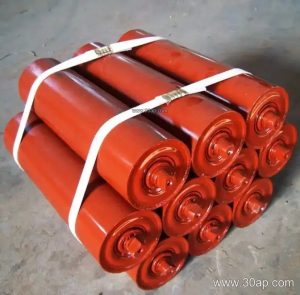
On a quarry conveyor or an aggregate conveyor belt, the sand and gravel conveyor idler carries the loaded belt and controls its path. It is not the drive pulley at the head or the tail pulley at the return end; those parts transmit tension and motion. The idler is a rotating support, usually a steel tube with bearings and seals, mounted in a frame or bracket. In a sand and gravel plant, the right idler set keeps the conveyor belt centered, reduces spillage and protects the belt cover from uneven wear.
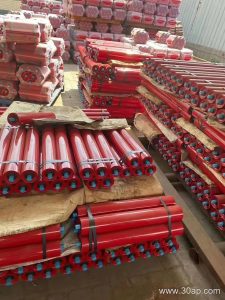
The same rotating support is often called a conveyor idler roller. Both names describe the same product. In a crushing and screening circuit, several idler forms work together: troughing idlers on the carrying side, return idlers underneath, and impact idlers at the loading point. Each has a different job, so a buyer should specify the position and duty, not just the diameter.
Construction Details That Matter in Wet or Dusty Conditions
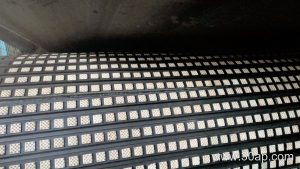
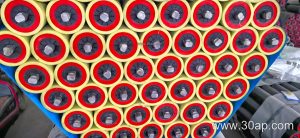
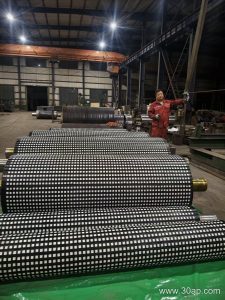
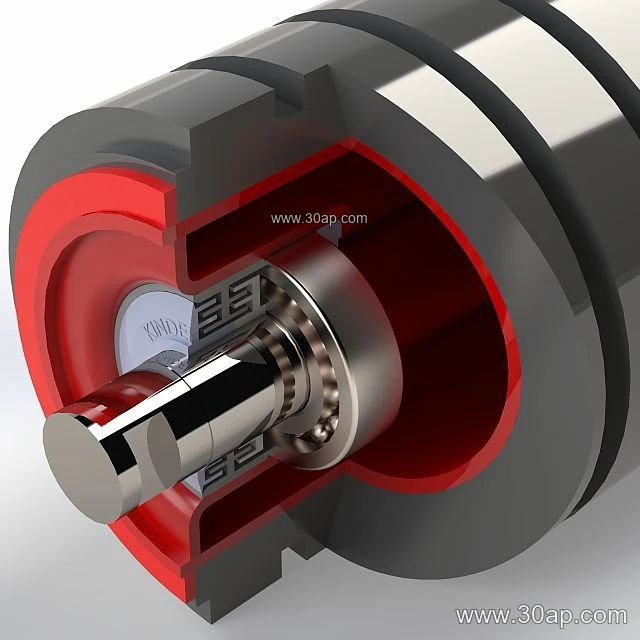
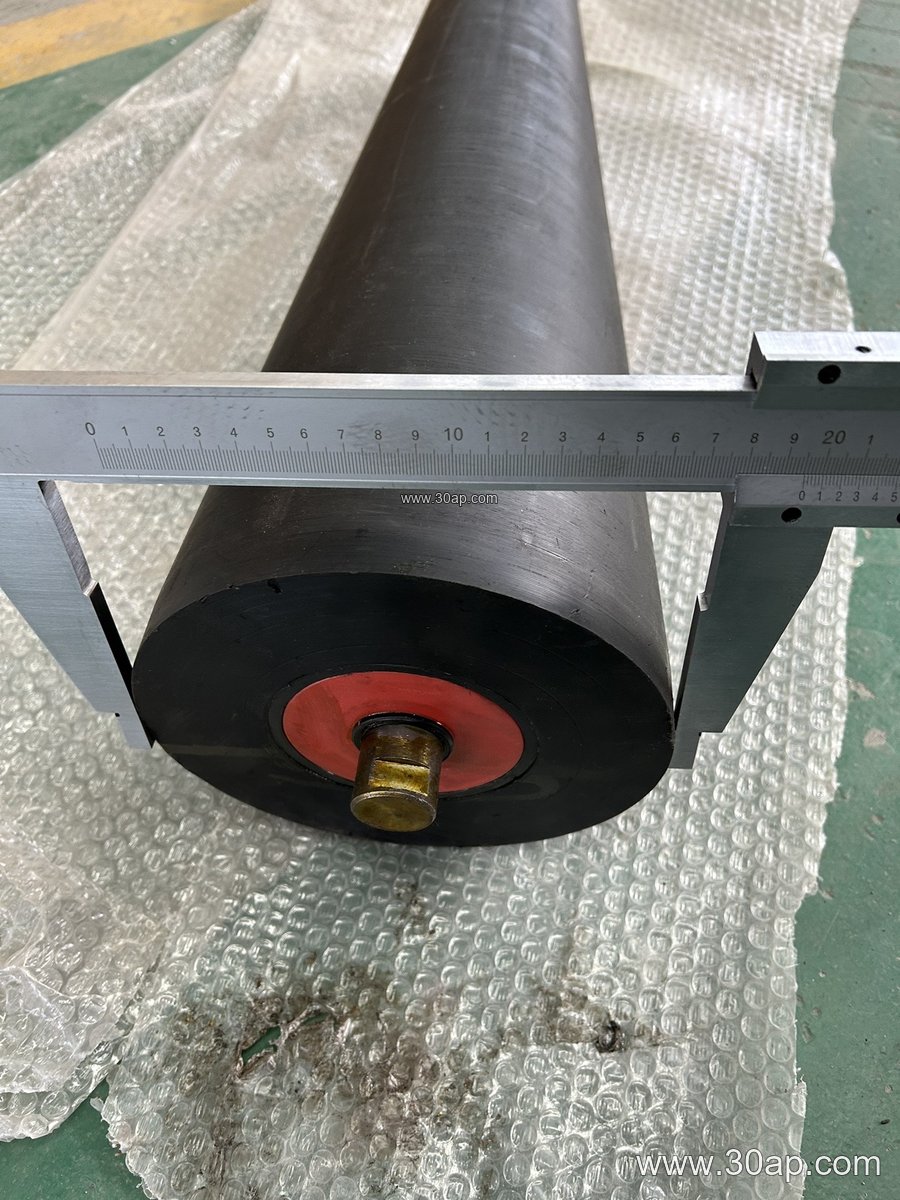
A typical sand and gravel conveyor idler includes a steel shell, a shaft, bearing housings, and a sealing arrangement. Roller surfaces may be plain steel, nylon, ceramic, or rubber rings. Rubber-ring impact idlers are common below a crusher discharge or a transfer chute, where lumps fall onto the belt. Seals matter in sand and gravel plants because fine grit and wash water attack bearings quickly. A good labyrinth seal and a protected bearing cavity often matter more than a small difference in roller diameter.
Common bearing sizes include 6204, 6205, 6305, 6306, 6308, and 6310. These are reference sizes, not a fixed match to one roller diameter. The bearing choice should follow the load, speed, and expected service life. The roller diameter is usually selected with belt width and frame design in mind; a 500mm conveyor belt and a 1200mm conveyor belt will not use the same idler set.
Matching Idler Form to the Conveyor Section
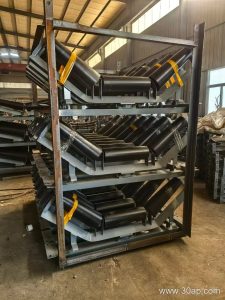
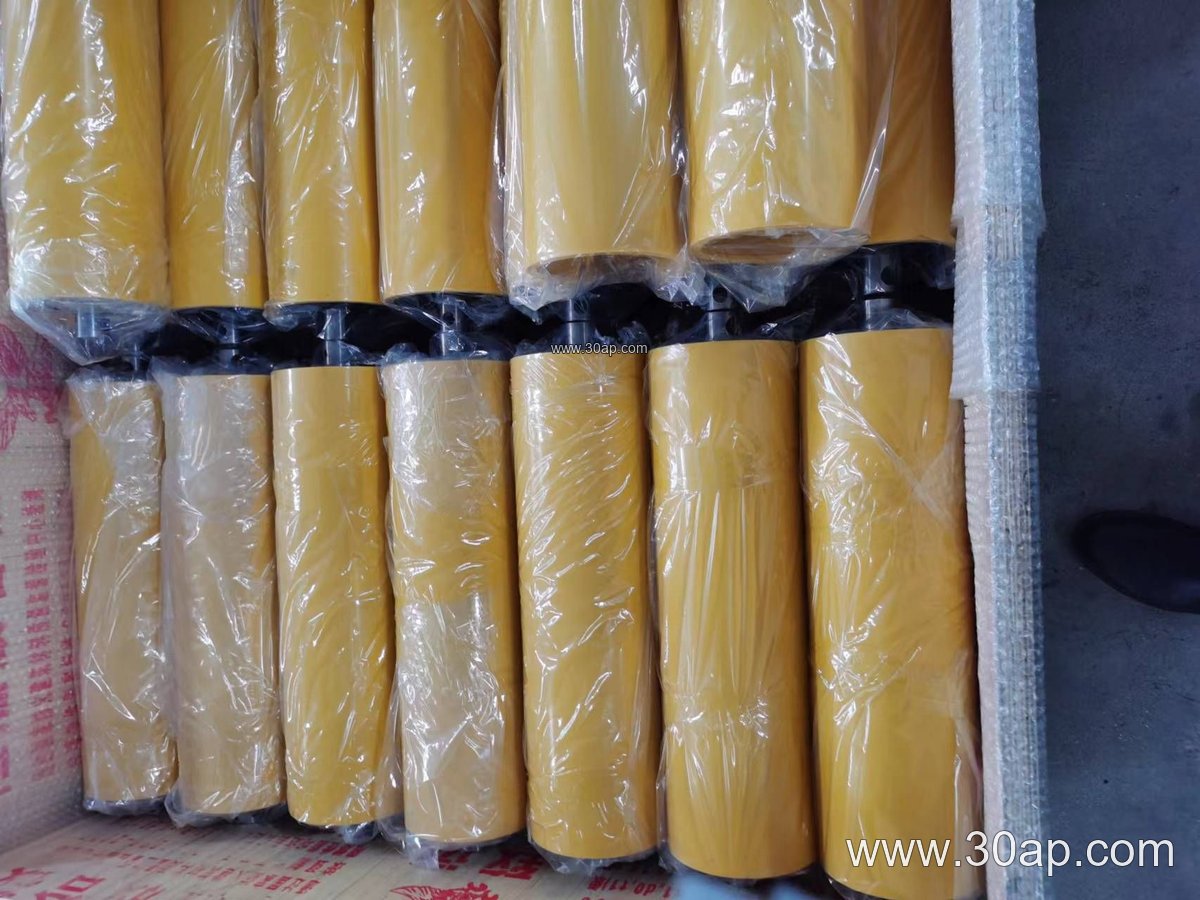
On the carrying run, three-roll troughing sets are common. A 20-degree, 30-degree, or 35-degree trough angle changes how the material sits on the belt; a 45-degree trough can suit certain high-capacity transfer points but is not a universal choice. Transition idlers are used near pulleys to help the belt change from flat to troughed without stress. On the return side, flat return idlers, V-return idlers, and spiral return idlers are used to support the belt and shed loose material.
Self-aligning idlers, including friction and tapered types, help correct belt drift on long runs. They are not a substitute for proper pulley alignment or adequate belt tension. In a sand and gravel operation, a small amount of misalignment can cause edge damage and spillage, so training idlers are often placed at intervals along the conveyor.
Common Reference Dimensions
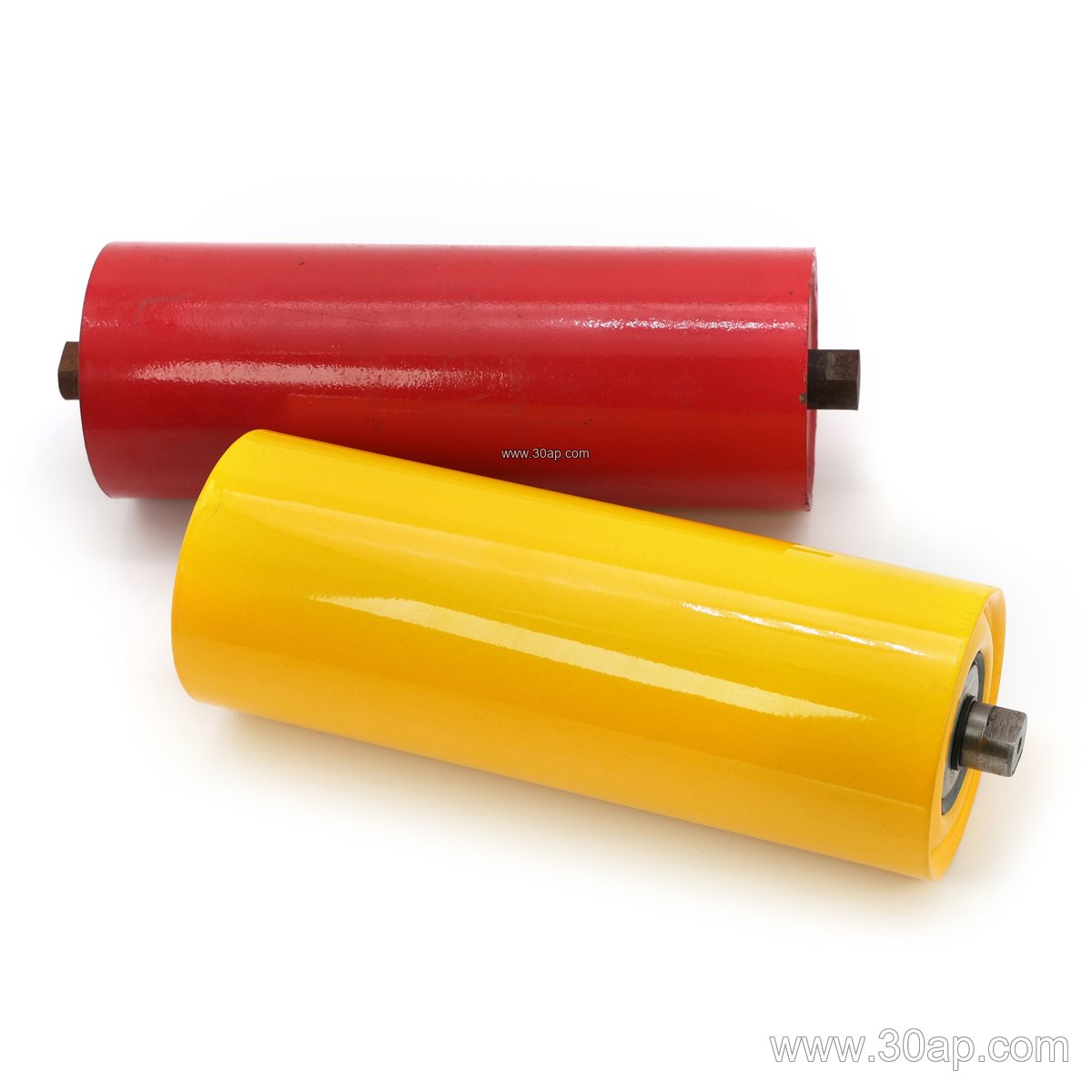
The table below gives common examples for troughing idler rolls. Roll length varies with belt width, trough angle, and frame type, so these are starting references, not fixed combinations. Side rolls and center rolls can differ.
| Belt width reference | Common roll length example | Typical idler group |
|---|---|---|
| B500 | 200 mm | Three-roll troughing |
| B650 | 250 mm | Three-roll troughing |
| B800 | 315 mm | Three-roll troughing |
| B1000 | 380 mm | Three-roll troughing |
| B1200 | 465 mm | Three-roll troughing |
| B1400 | 530 mm | Three-roll troughing |
| B1600 | 600 mm | Three-roll troughing |
| B1800 | 670 mm | Three-roll troughing |
| B2000 | 750 mm | Three-roll troughing |
Idler diameters commonly range from Ø63 to Ø219, including Ø89, Ø108, Ø127, Ø133, Ø159, and Ø178. A larger diameter can improve roll life in heavy-duty mining conveyor service, but it must fit the existing brackets and clear the belt path. Do not assume that one belt width can only match one pulley diameter or one shaft size.
Where Sand and Gravel Idlers Are Used
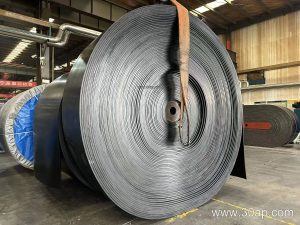
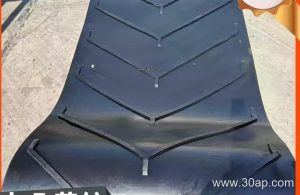
These idlers appear in sand and gravel pits, stone crushing plants, concrete batch plants, and port loading systems. In a wash plant, sealed idlers resist water and fine slurry. In a dry screening plant, dust control and bearing protection are the main concerns. The same idler family is used on aggregate conveyor belts, quarry conveyor belts, and crusher conveyor belts. For abrasive stone, an abrasion resistant conveyor belt may be paired with well-sealed idlers to reduce maintenance. In cement plants and power plant coal handling, flame retardant conveyor belt and EP conveyor belt constructions are common, but the idler selection still follows load and environment.
When specifying a sand and gravel conveyor idler, provide the belt width, trough angle, idler position, expected load, and environmental conditions. Ask for the bearing size and seal type. Check that the roller surface suits the material: rubber rings for impact, plain steel for general duty, and ceramic or nylon where build-up or wear is a concern. Keep spare idlers for the most heavily loaded sections, especially at transfer points and near the head pulley.
For related conveyor components, match the idler frame to the conveyor bracket and confirm clearance with the conveyor pulley and belt path. A consistent idler specification across a plant simplifies spare parts and maintenance.