What a Feed Point Impact Idler Does
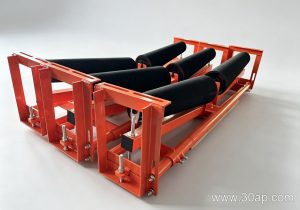
The feed point is where material hits the conveyor belt with the most force. A feed point impact idler is the roller assembly placed directly under that loading zone to absorb shock, protect the belt, and keep the belt line stable. Also called a buffer idler or shock-absorbing roller, it is not a standard carrying idler moved into position; it is a dedicated support built for repeated impact.
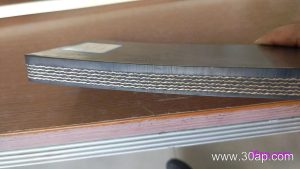
In a quarry, limestone mine, or crushing and screening plant, the drop height and lump size can be severe. Without proper impact support, the conveyor belt can suffer cover damage, splice fatigue, and premature failure. The impact idler reduces that risk by cushioning the load at the point of contact.
How It Is Built
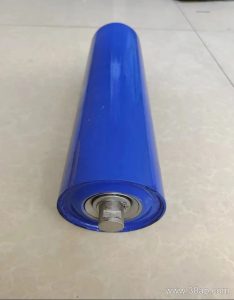
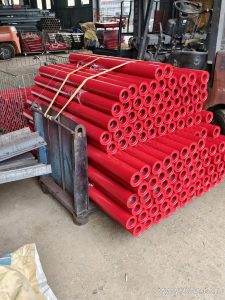
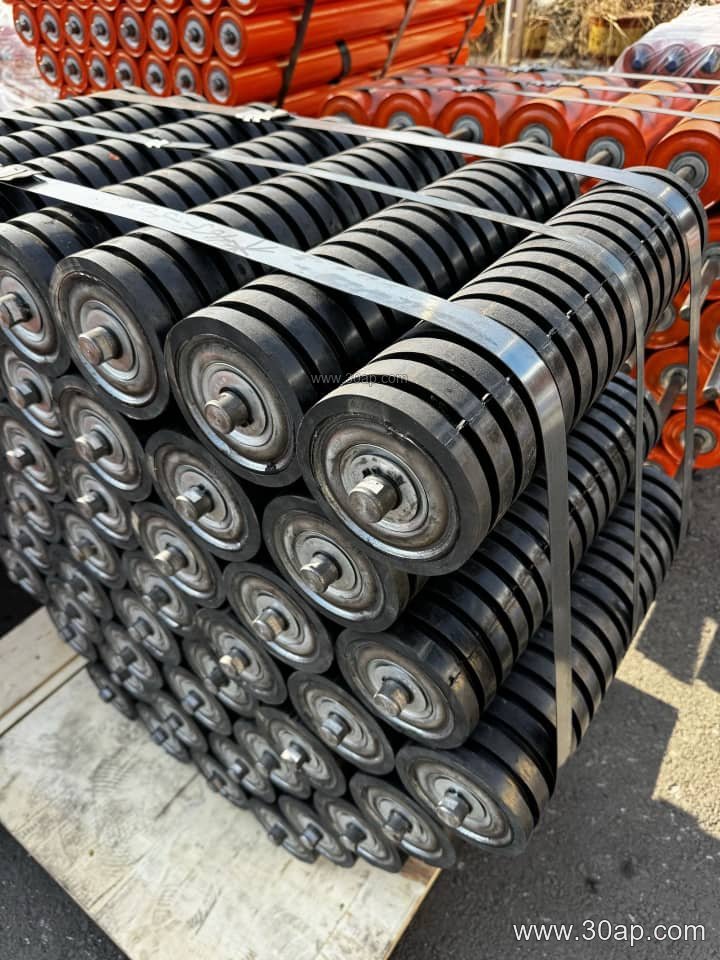
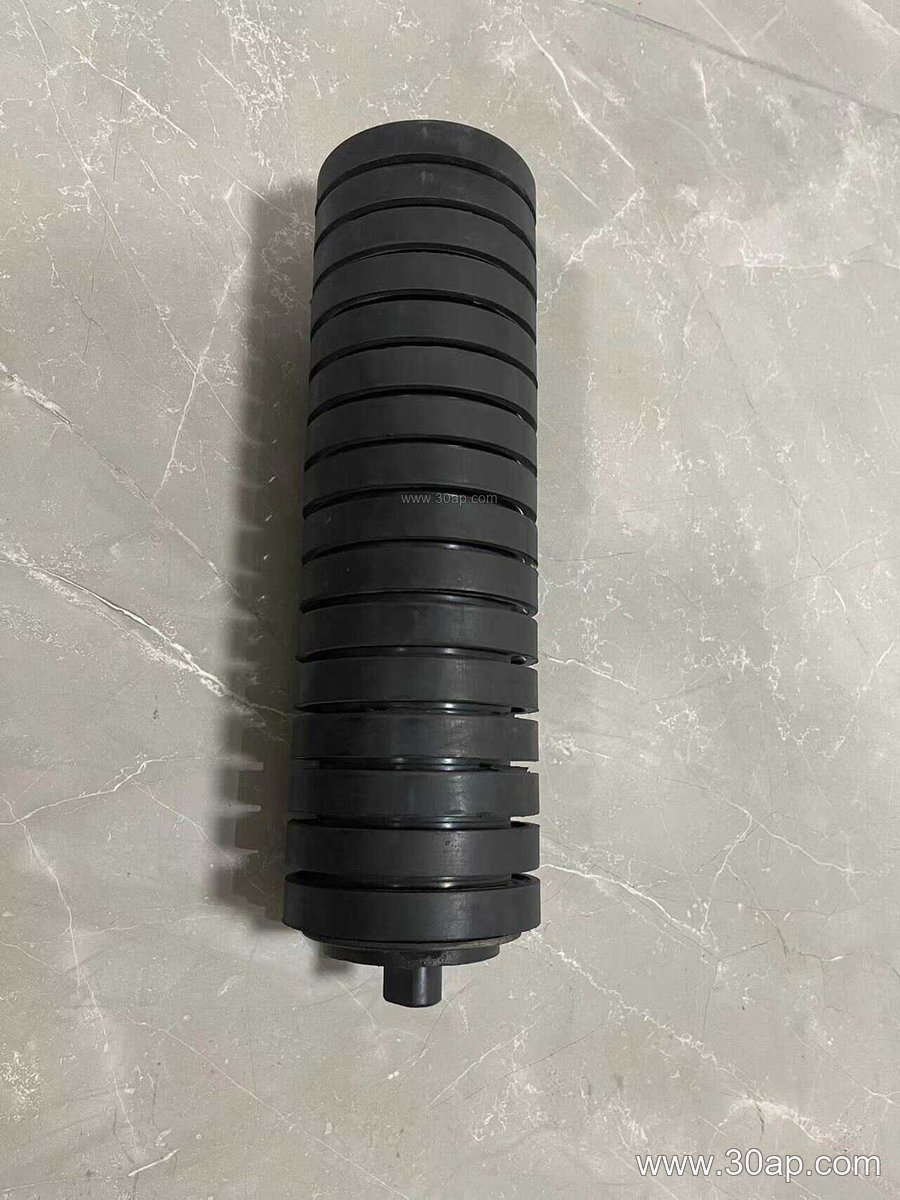
Most feed point impact idlers use a steel tube body fitted with rubber rings or a rubber disc surface. The rubber absorbs energy and reduces the direct shock transferred to the belt. Some designs use nylon or ceramic surfaces for different wear conditions, but rubber remains common in hard rock and aggregate service.
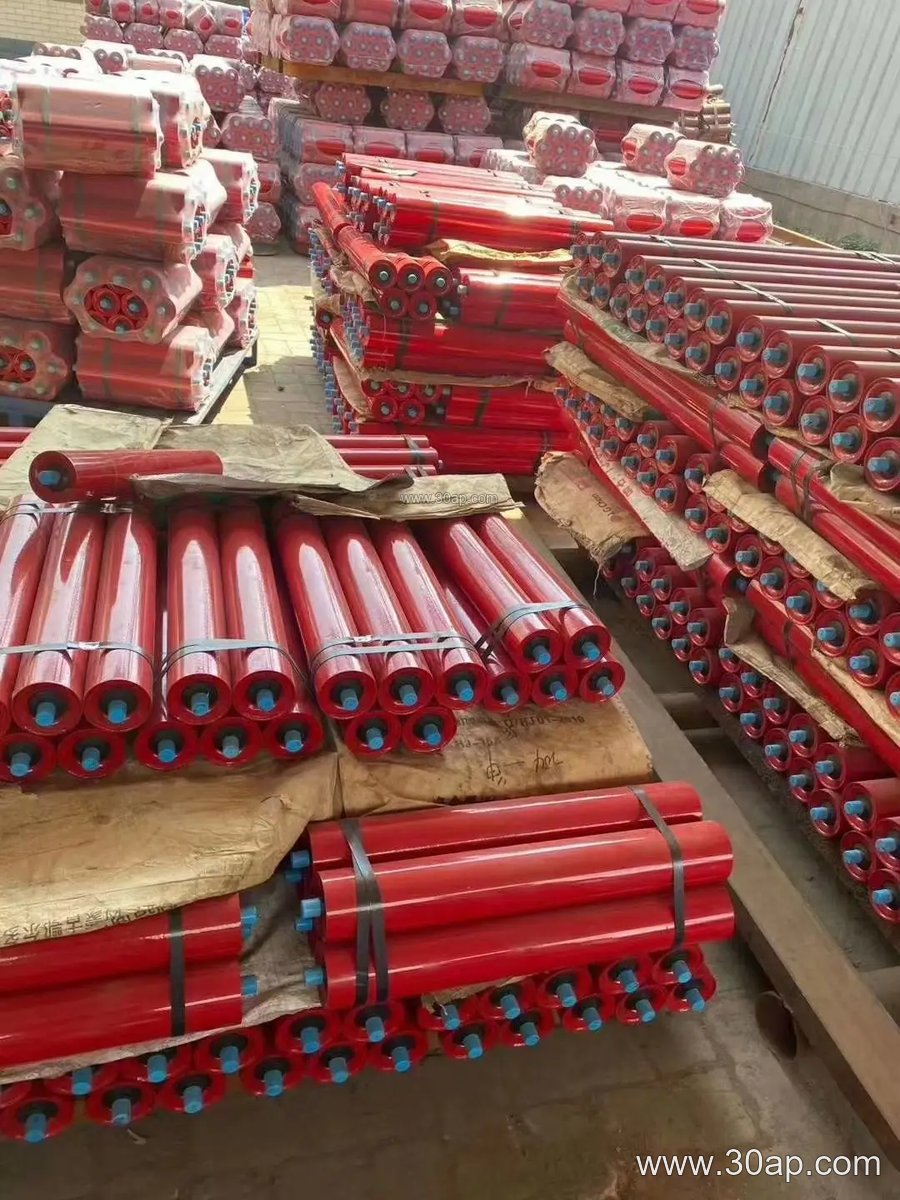
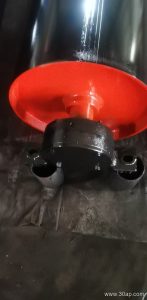
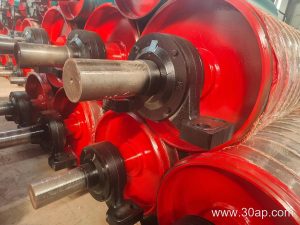
Inside, the roller runs on bearings such as 6205, 6305, 6306, or 6308, depending on the load and shaft design. Bearing selection is not fixed by roller diameter alone; the manufacturer matches it to the idler series and duty. The shaft, housing, and sealing arrangement are also heavier than a standard idler in many impact models.
The idler is mounted on a conveyor bracket or frame that keeps it aligned under the chute. The assembly may be a single roller or a multi-roller set. In a three-roller trough configuration, the side rollers and center roller can have different lengths. For example, a B800 belt might use a center roller around 315 mm long, while a B1200 belt might use a center roller around 465 mm. These are common examples, not universal rules.
Where It Fits on the Conveyor
The feed point impact idler sits in the loading section, just downstream of the tail pulley and below the chute. It is often followed by transition idlers that help the belt move from the flat or troughed shape into the full trough angle. The belt then continues over standard carrying idlers.
This roller is not a drive pulley, tail pulley, or bend pulley. Those are different components with different functions. An impact idler supports and cushions the belt; a drive pulley transmits power, a tail pulley returns the belt, and a bend pulley changes direction. They are not interchangeable.
In a coal washing plant, power station coal yard, or port terminal, the loading zone may also include a skirtboard and wear liner. The impact idler works with those parts, but it does not replace them. In a cement plant or steel sinter line, the same principle applies: control the drop and support the belt.
Common Sizes and Configurations
Feed point impact idlers are made in many roller diameters and belt widths. The table below shows common reference values, but actual selection depends on belt width, trough angle, material lump size, and drop height.
| Belt Width | Common Roller Diameter | Typical Trough Angle | Example Center Roller Length |
|---|---|---|---|
| B500 | Ø63, Ø76, Ø89 | 20°, 30°, 35° | 200 mm |
| B650 | Ø76, Ø89, Ø102 | 20°, 30°, 35° | 250 mm |
| B800 | Ø89, Ø102, Ø108 | 30°, 35°, 45° | 315 mm |
| B1000 | Ø102, Ø108, Ø127 | 30°, 35°, 45° | 380 mm |
| B1200 | Ø108, Ø127, Ø133 | 30°, 35°, 45° | 465 mm |
| B1400 | Ø127, Ø133, Ø159 | 30°, 35°, 45° | 530 mm |
| B1600 | Ø133, Ø159, Ø178 | 30°, 35°, 45° | 600 mm |
| B1800 | Ø159, Ø178, Ø194 | 30°, 35°, 45° | 670 mm |
Larger diameters are often used where impact energy is high, because the larger roller can spread the load and run at lower rotational speed. However, a larger diameter is not automatically better for every conveyor. The belt width, speed, and material characteristics all matter.
Surface forms include plain steel, rubber ring, and rubber disc. Rubber ring impact idlers are widely used in mining and aggregate applications. Spiral and comb idlers are different subtypes used for cleaning or special discharge, not as direct replacements for impact rollers.
What a Buyer Should Check
- Drop height and lump size: Higher drops and larger lumps require more impact absorption.
- Belt width and trough angle: The idler set must match the belt and the existing frame.
- Roller diameter and bearing: Confirm the shaft and bearing fit the bracket and load.
- Surface material: Rubber is common for impact; nylon or ceramic may suit other conditions.
- Mounting dimensions: Check the bracket hole spacing and frame width before ordering.
A feed point impact idler is a wear part, so maintenance access matters. If the loading zone is difficult to reach, replacement becomes slow and costly. In a sand and gravel line or tunnel muck handling system, keeping spares on hand can reduce downtime.
For any project, the final selection should come from the conveyor design, not from a single size chart. The values above are common references. The right impact idler for a specific belt is the one that matches the actual load, speed, and structure.