What a Conveyor System Pulley Does
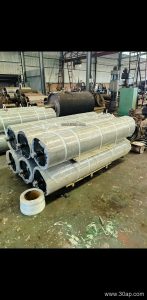
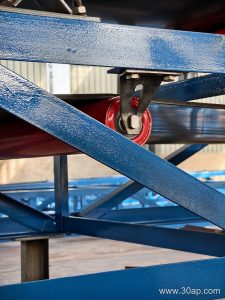
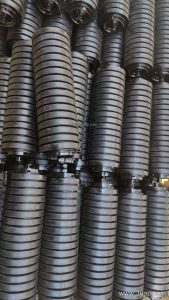
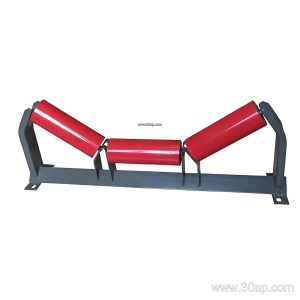
A conveyor system pulley is the rotating drum that drives, tensions, or redirects the conveyor belt. In a typical bulk handling line, it works together with the conveyor belt, idler roller, and conveyor bracket to keep material moving from one point to another. The pulley is not just a wheel; it transfers torque, maintains belt tension, and guides the belt along its path. In industries such as coal mining, cement plants, power stations, and quarry operations, the reliability of this component directly affects uptime and safety.
While people often use the term loosely, different positions have distinct roles. A drive pulley, also called a head pulley, transmits power to the belt. A tail pulley sits at the loading end and helps maintain tension. A bend pulley changes the belt direction without driving it. These are not interchangeable names; each has a specific function and design consideration.
Construction and Key Components
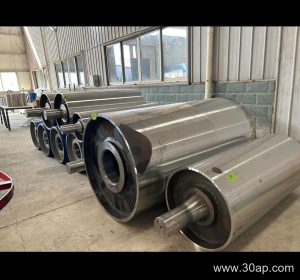
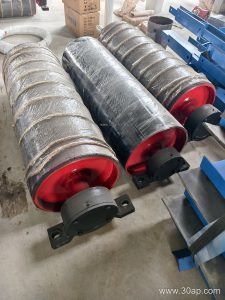
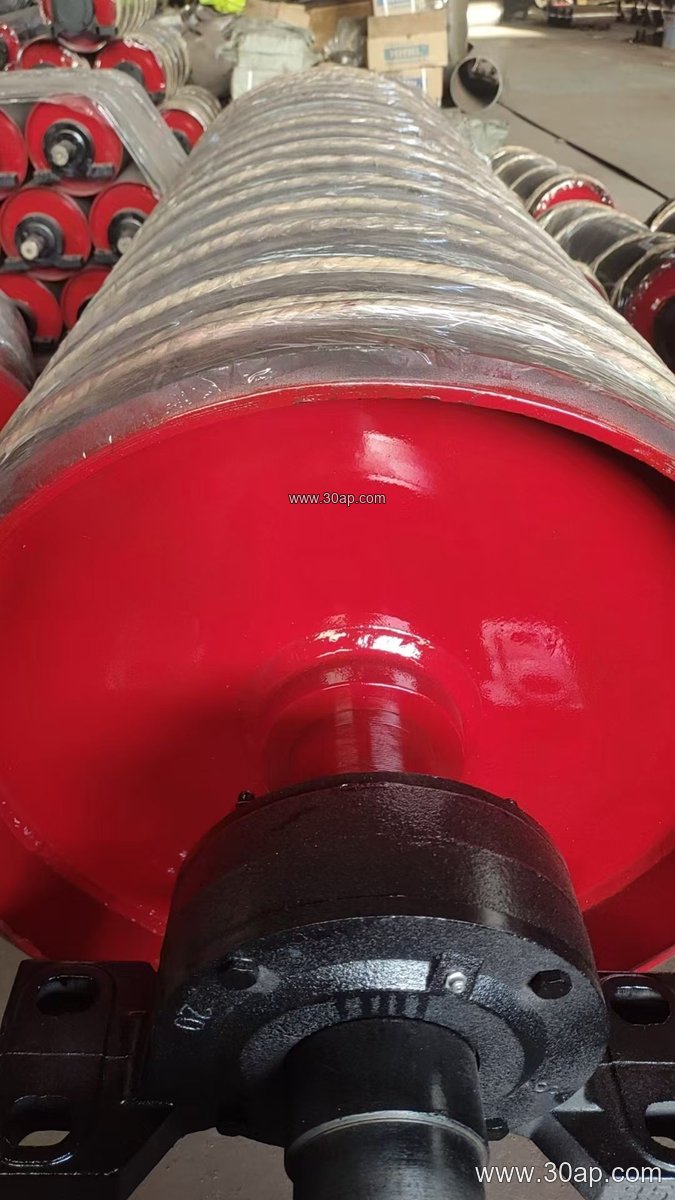
A standard conveyor system pulley consists of a cylindrical shell, end discs, a shaft, and bearing housings. The shell is usually made from steel pipe or rolled plate, machined for balance. The shaft is sized according to torque and load, not simply by belt width. Common shaft diameters include Ø50, Ø60, Ø70, Ø80, Ø90, Ø100, Ø120, Ø140, Ø160, Ø180, and Ø200 mm, but the final choice depends on the drive power and belt tension.
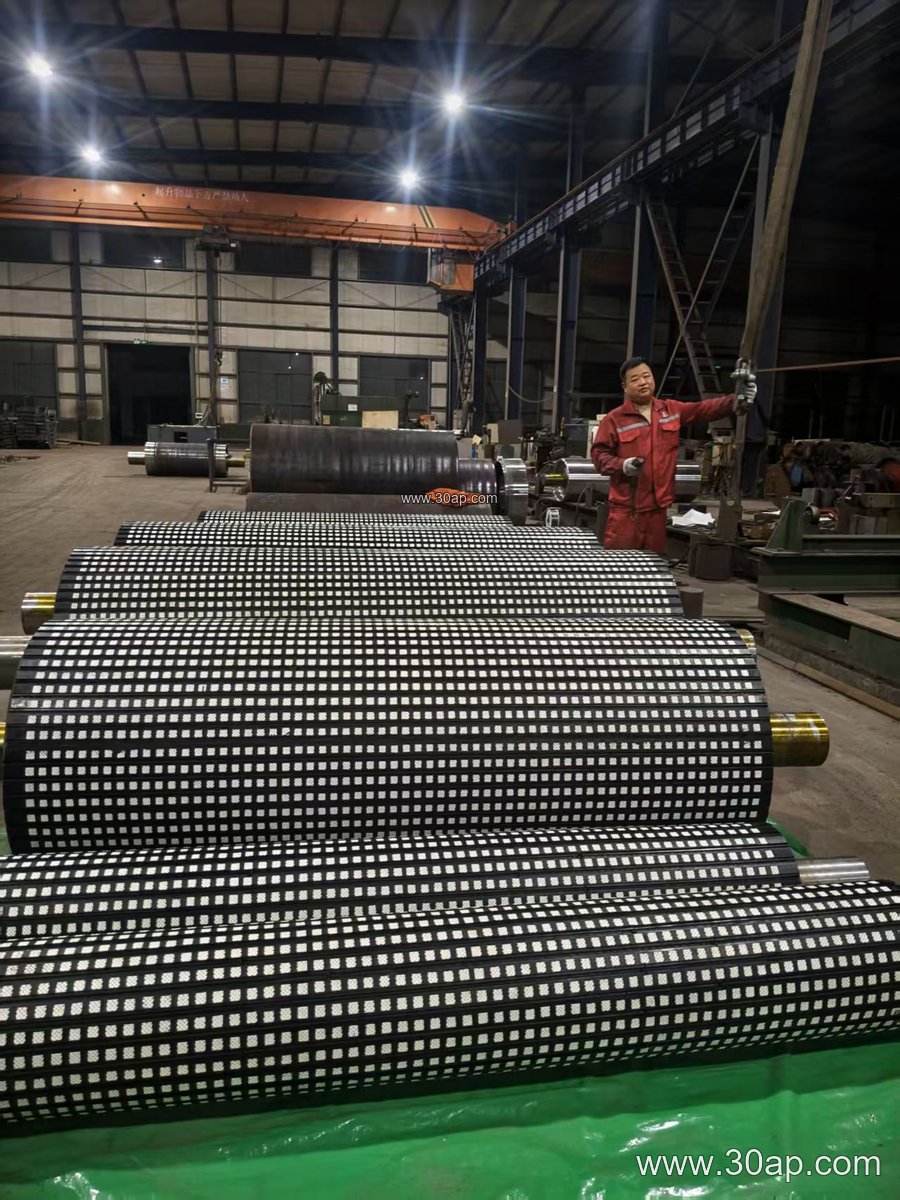
Surface treatment is critical for grip and wear life. Pulleys may be supplied plain, with rubber lagging applied by cold bonding or hot vulcanizing, or with ceramic lagging for high abrasion conditions. Lagging thickness commonly ranges from 8 mm to 20 mm. The pulley face width is normally wider than the belt; for example, a B800 belt often matches a pulley face of about 950 mm, and a B1200 belt may use a face around 1400 mm. These are typical references, not fixed rules.
Common Types and Their Places in the Line
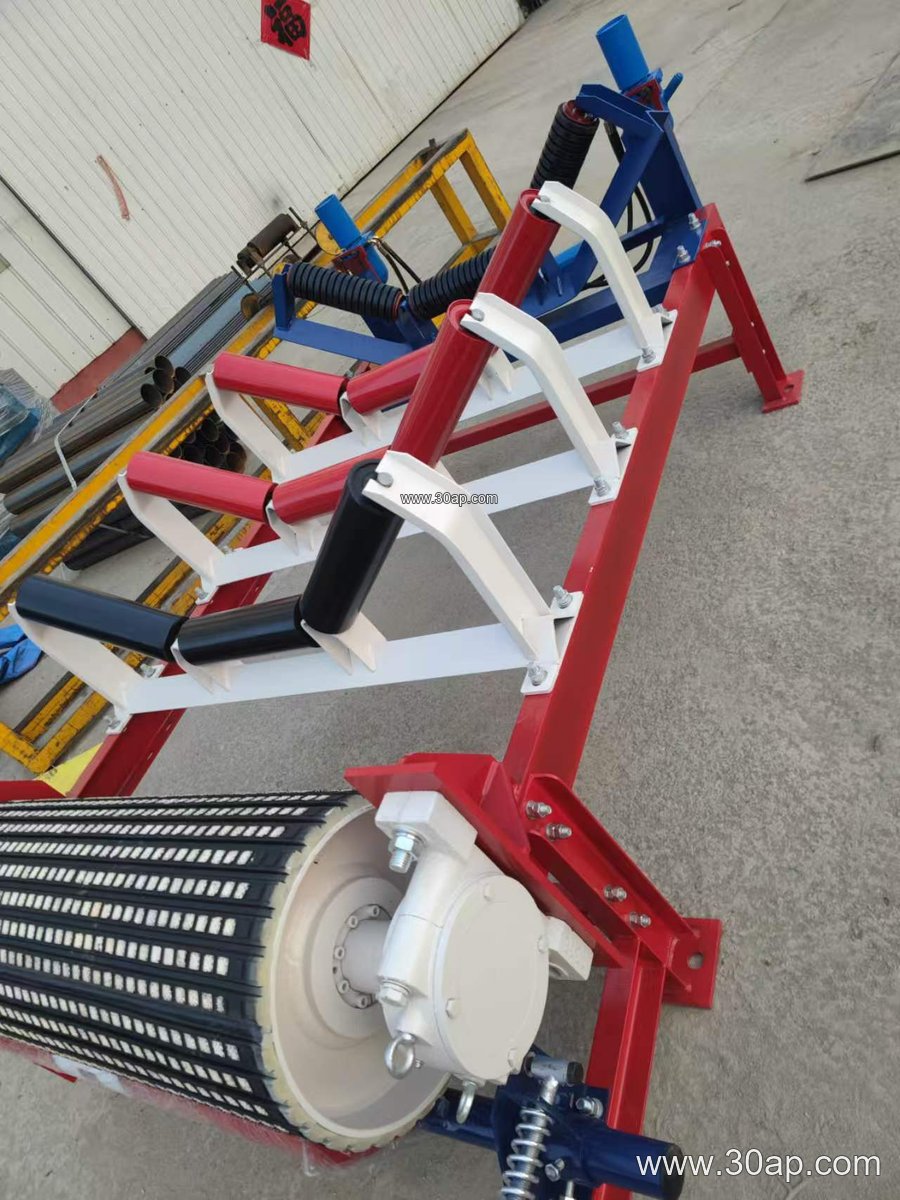
Beyond the drive and tail positions, several other types serve specific needs. A tension pulley is used in take-up systems to maintain belt slack. A snub pulley increases wrap angle around the drive pulley, improving traction. An electric drum motor integrates the motor inside the pulley, saving space. Wing pulleys are self-cleaning and suit sticky materials. Each type has a role, but they should not be confused with the main drive or tail pulley.
Typical Diameter and Belt Width Combinations
The table below shows common reference combinations. Actual selection depends on belt speed, material, and load.
| Belt Width (mm) | Common Pulley Diameter (mm) | Typical Application |
|---|---|---|
| B500 | Ø250, Ø315 | Small aggregate lines |
| B650 | Ø320, Ø400 | Stone crushing plants |
| B800 | Ø400, Ø500 | Cement plant clinker transport |
| B1000 | Ø500, Ø630 | Coal mining conveyors |
| B1200 | Ø630, Ø800, Ø1000 | Power plant coal handling |
| B1400 | Ø800, Ø1000 | Port bulk terminals |
| B1600 | Ø1000, Ø1250 | Iron ore and copper ore lines |
Note that a single belt width can accommodate several pulley diameters; the correct size is determined by the required belt wrap, tension, and space. For instance, a B1200 conveyor might use a Ø1000 drive pulley and a Ø800 bend pulley in the same system.
Where Conveyor System Pulleys Are Used
In a limestone quarry, a conveyor system pulley at the head end drives a heavy-duty mining conveyor belt carrying crushed rock. In a coal-fired power plant, pulleys work with flame retardant conveyor belt and idler rollers to move coal from stockpile to boiler. The pulley must resist dust, moisture, and impact. In cement plants, heat resistant conveyor belt may be used near kilns, and the pulley lagging must handle high temperatures. Each industry places different demands on the pulley, so selection should consider the material and environment.
Other common settings include sand and gravel pits, underground coal mining, steel plants, and port ship loaders. In all these, the pulley works in harmony with the belt, idlers, and brackets to ensure smooth operation.
Buyer Checklist for Conveyor System Pulleys
When specifying a pulley, buyers should provide the belt width, expected belt tension, shaft load, and environmental conditions. Clarify the pulley position: drive, tail, bend, or tension. Specify the lagging type and thickness if needed. For abrasive materials, ceramic or diamond lagging may extend service life. For food or clean applications, plain or rubber lagging may be preferred. Remember that shaft diameter is calculated from torque, not copied from belt width.
Also consider maintenance. Pulleys with removable bearing housings simplify replacement. Proper alignment and regular inspection of lagging wear prevent belt mistracking. In dusty operations, sealed bearings are advisable.
For more information on conveyor components and belt selection, visit our conveyor pulley page or explore related products such as EP conveyor belt and steel cord conveyor belt. Our team can help match the right pulley to your conveyor system.