What a Comb Return Idler Does
A comb return idler is a return-side roller fitted with a series of serrated or comb-like discs along its shell. Instead of presenting one smooth cylinder to the belt, it presses a row of toothed rings against the underside of the return strand. The result is a self-cleaning action: fines, damp dust and sticky carryback that would normally build up on a plain return roller are broken up and shed as the belt passes over the comb profile.
In a conveyor line, this component sits on the return run, the same stretch supported by a flat return idler or a V-shaped return roller. It is not a drive pulley, a tail pulley or a bend pulley. Those are conveyor pulleys that transmit power and change belt direction, and they are not interchangeable with any return idler. A comb return roller is also distinct from a troughing idler on the carrying side, and the two should not be treated as substitutes for one another.
Construction and Typical Materials
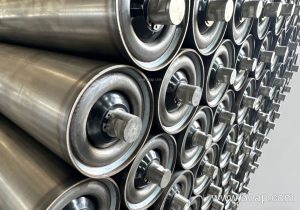
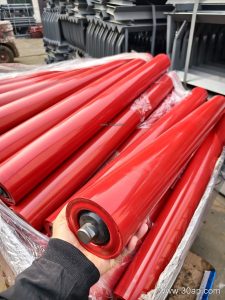
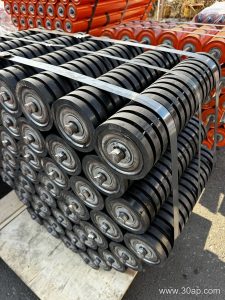
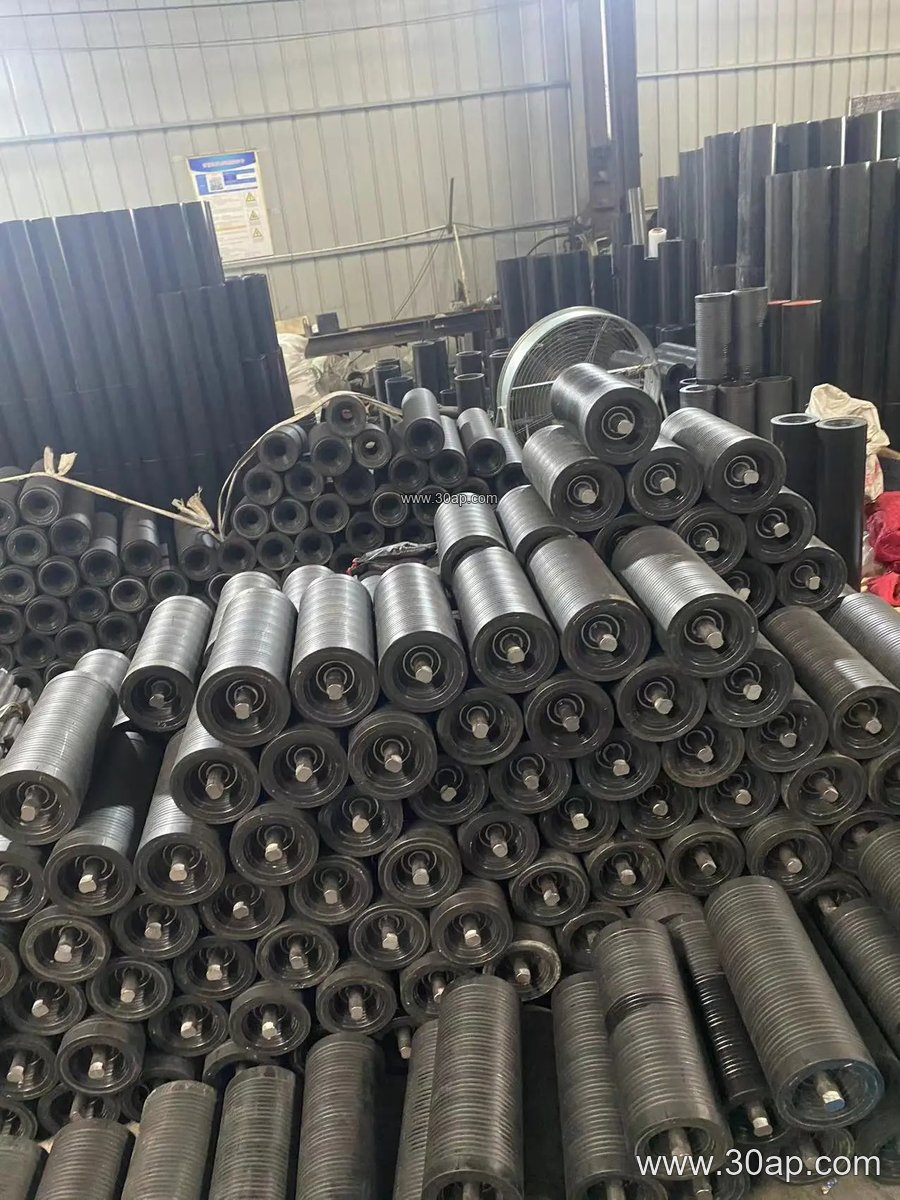
The body is usually a steel tube with welded end discs and a through shaft, and the distinguishing feature is the comb element. This can take several forms: rubber or polyurethane rings moulded with teeth, stacked steel discs, or spiralled segments that combine cleaning with a slight self-aligning effect. Many designs are built around the same bearing housings used on standard idlers, with labyrinth seals and grease-retained ball bearings.
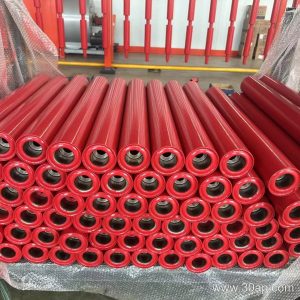
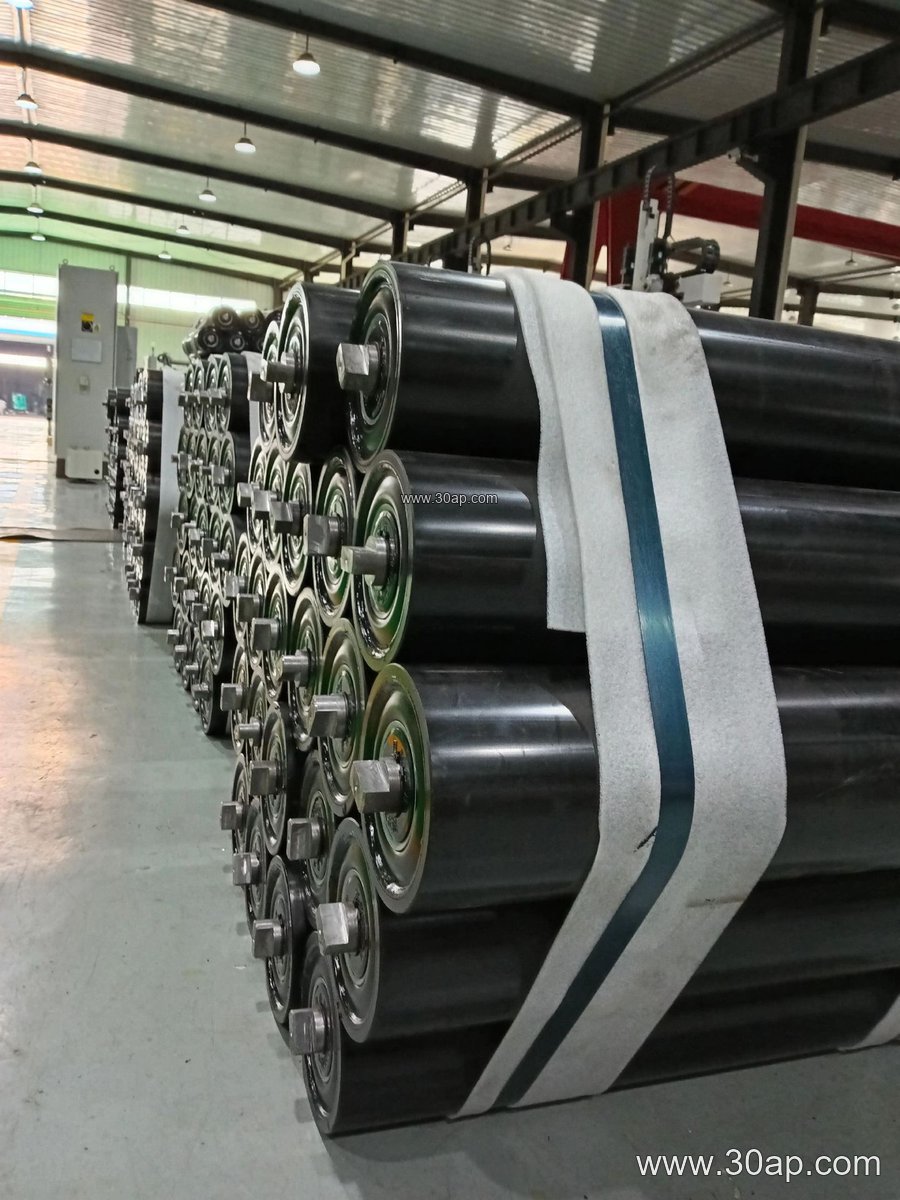
Common reference dimensions for return rollers in this family are shown below. They are typical ranges, not fixed rules, and actual selection follows belt width, load and frame design.
- Roller diameter: Ø89, Ø102, Ø108, Ø127, Ø133, Ø159 mm
- Belt width: B500, B650, B800, B1000, B1200, B1400 mm
- Bearing: 6204, 6205, 6305, 6306, 6308
- Roll surface: rubber comb rings, nylon, steel, ceramic-faced variants
Roller length changes with belt width and frame type. For a three-roll troughing set, common side roller lengths run roughly 200 mm at B500 up to about 530 mm at B1400, but return idlers usually use a single full-width roller instead, so the comb roller length should be matched to the actual bracket spacing rather than copied from a troughing table.
Where It Fits in the Plant
Comb return idlers are most useful wherever the return strand is exposed to wet, sticky or abrasive material. In a coal preparation plant or a power station coal yard, fine coal and slurry tend to cling to a smooth return roller and form an uneven sleeve, which then causes belt tracking problems. The comb profile keeps the shell closer to its original diameter.
The same reasoning applies in a limestone quarry, a cement plant raw mill feed line, a sand and gravel aggregate line, and a crushing and screening circuit where dust is constant. Port ship loading conveyors handling damp bulk cargo also benefit, and tunnel spoil conveyors often use them where mud is present. In these duties a heavy-duty mining conveyor belt or an abrasion resistant conveyor belt is common, and the return roller must cope with the same fines that the belt carries.
When the conveyed material is hot, such as clinker or sinter, a heat resistant conveyor belt may be specified, but the comb rings themselves must be checked for temperature rating. For oily cargo, an oil resistant conveyor belt reduces swelling, yet residual oil can still soften rubber comb elements, so material compatibility matters as much as roller geometry.
Selection Points for Buyers
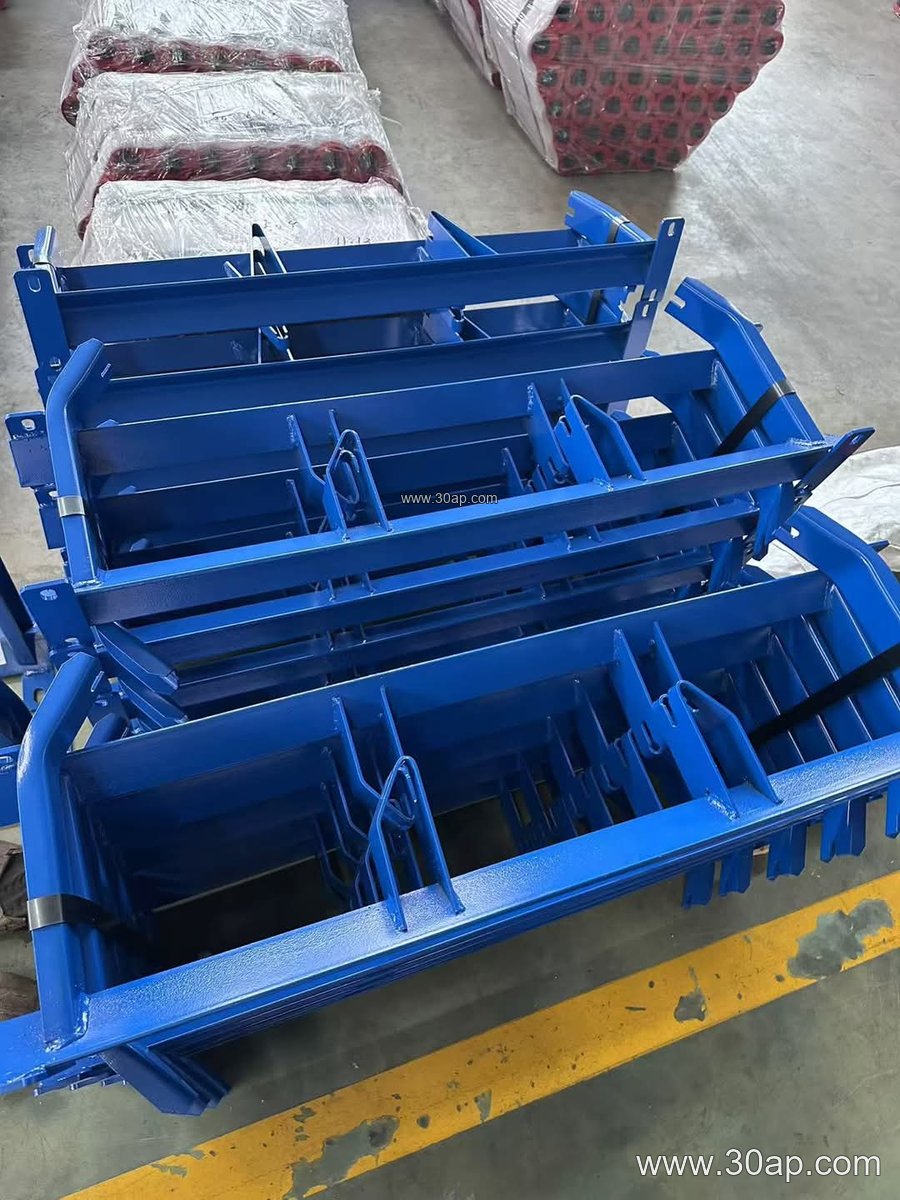
Start with the belt width and the existing return bracket. A comb return idler normally uses a single roller spanning the frame, supported by a conveyor bracket at each end, so the shaft ends must match the bracket slot. Confirm the shaft diameter and the fixing centres rather than assuming they follow from belt width alone.
Next, consider the cleaning duty. Light dust may only need a simple toothed rubber sleeve; sticky clay or wet coal may justify a wider comb pitch or a spiral arrangement. Check that the outside diameter of the comb rings does not exceed the clearance under the belt, and that the roller does not sit so high that it lifts the belt off adjacent return rollers.
Bearing protection is the second critical factor. In wet or dusty service, ask about seal type, grease retention and the housing material. A sealed bearing with a multi-stage labyrinth generally lasts longer in a washdown or dusty environment than an open arrangement. Where the belt is running at high speed or is very wide, balance and concentricity of the comb rings matter, because an out-of-balance roller will vibrate and wear the belt edge.
Installation and Maintenance Notes
Mount the comb return idler square to the belt centreline. A skewed roller will steer the belt sideways regardless of how well the comb cleans. Check that the roller is free to rotate by hand before tensioning, and confirm that no comb tooth contacts the belt splice or the belt edge.
Inspect periodically for worn or missing comb segments, because a broken ring leaves a gap that allows carryback to accumulate. Re-grease according to the bearing type and the plant’s lubrication schedule, and replace the roller when the shaft shows fretting at the bracket seat. Because the comb element is the wearing part, some designs allow the sleeve to be renewed without replacing the whole roller, which can simplify spares planning.
Used alongside well-chosen conveyor belting such as an EP conveyor belt or a multi-ply fabric core conveyor belt, a comb return roller helps keep the return run clean and the belt centred. For plant operators dealing with sticky bulk material, it is a small component with a direct effect on belt life and downtime. Learn more about matching rollers and belts at gdconveyor.com.