What a 500mm Diameter Conveyor Pulley Does
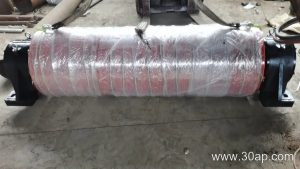
A 500mm diameter conveyor pulley is a mid-to-large drum that drives, tensions, or redirects a conveyor belt in bulk material handling. At this diameter, the pulley offers enough wrap area and surface contact to handle moderate belt tensions while keeping the belt path smooth. It appears in quarry conveying lines, coal preparation plants, cement clinker transport, and power station coal feed systems where reliable belt tracking matters.
The same product is also called a Ø500 conveyor drum or a 500mm belt conveyor pulley. These names describe the drum diameter, not the pulley’s position on the conveyor, so a buyer should always confirm whether the unit is a drive pulley, tail pulley, or bend pulley before ordering.
How the Drum Is Built
A typical 500mm diameter conveyor pulley consists of a cylindrical shell, end discs, a shaft, and bearing housings. The shell is usually rolled from steel plate and welded to the end discs. The shaft passes through the drum and connects to the conveyor bracket through pillow block bearings. Surface finish is selected according to the duty: plain steel for light contact, or rubber lagging for grip and wear protection.
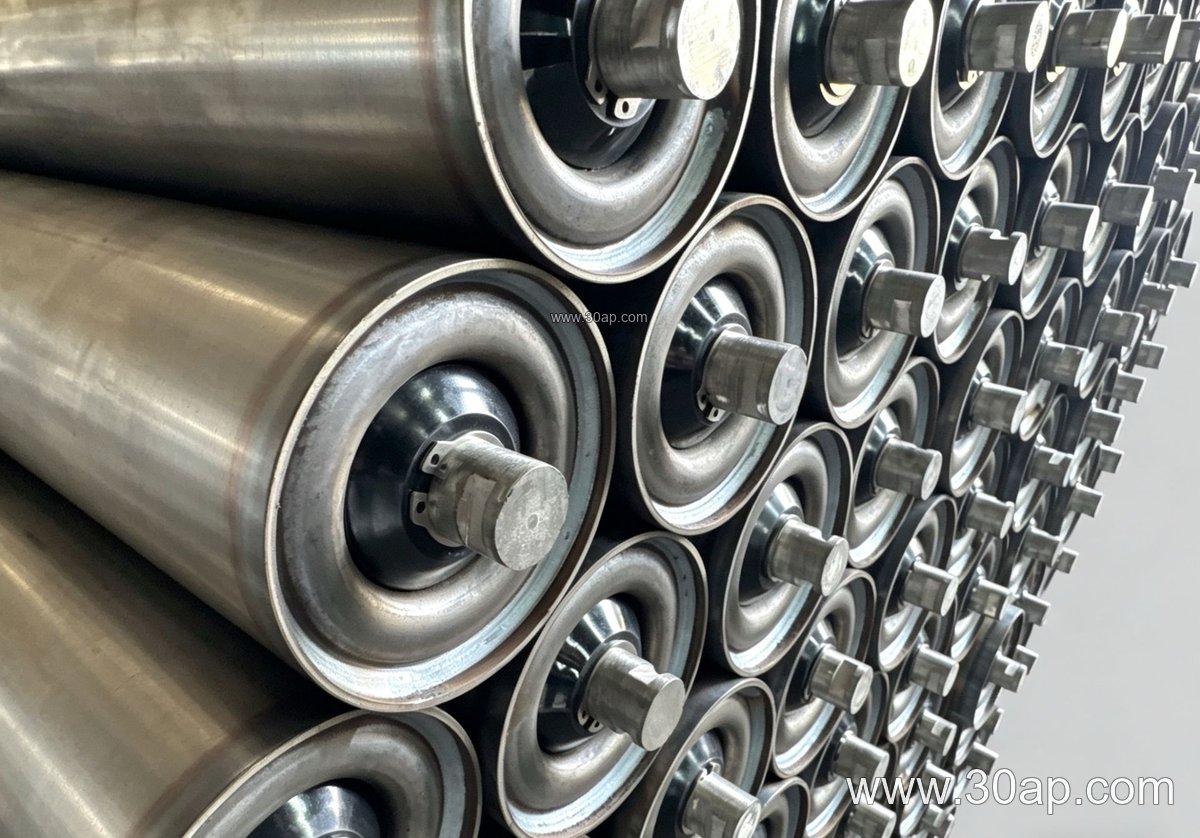
- Shell material: carbon steel, sometimes with wear-resistant lining
- Lagging options: plain, cold-bonded rubber, hot-vulcanized rubber, diamond pattern, herringbone, or ceramic
- Common lagging thickness: 8, 10, 12, 15, or 20 mm
- Shaft diameter: determined by torque and load, commonly Ø80 to Ø160 for this size range
The shaft size should never be guessed from belt width alone. A B800 conveyor and a B1000 conveyor may both use a Ø500 drum, but the shaft diameter depends on the actual drive torque, belt tension, and bearing span.
Where It Fits on the Conveyor
Position decides the pulley’s role. A drive pulley at the head transmits motion to the conveyor belt; a tail pulley at the loading end returns the belt; a bend pulley changes belt direction where space is tight. A 500mm diameter conveyor pulley can serve in any of these positions, but the design details differ, especially lagging, shaft, and bearing selection.
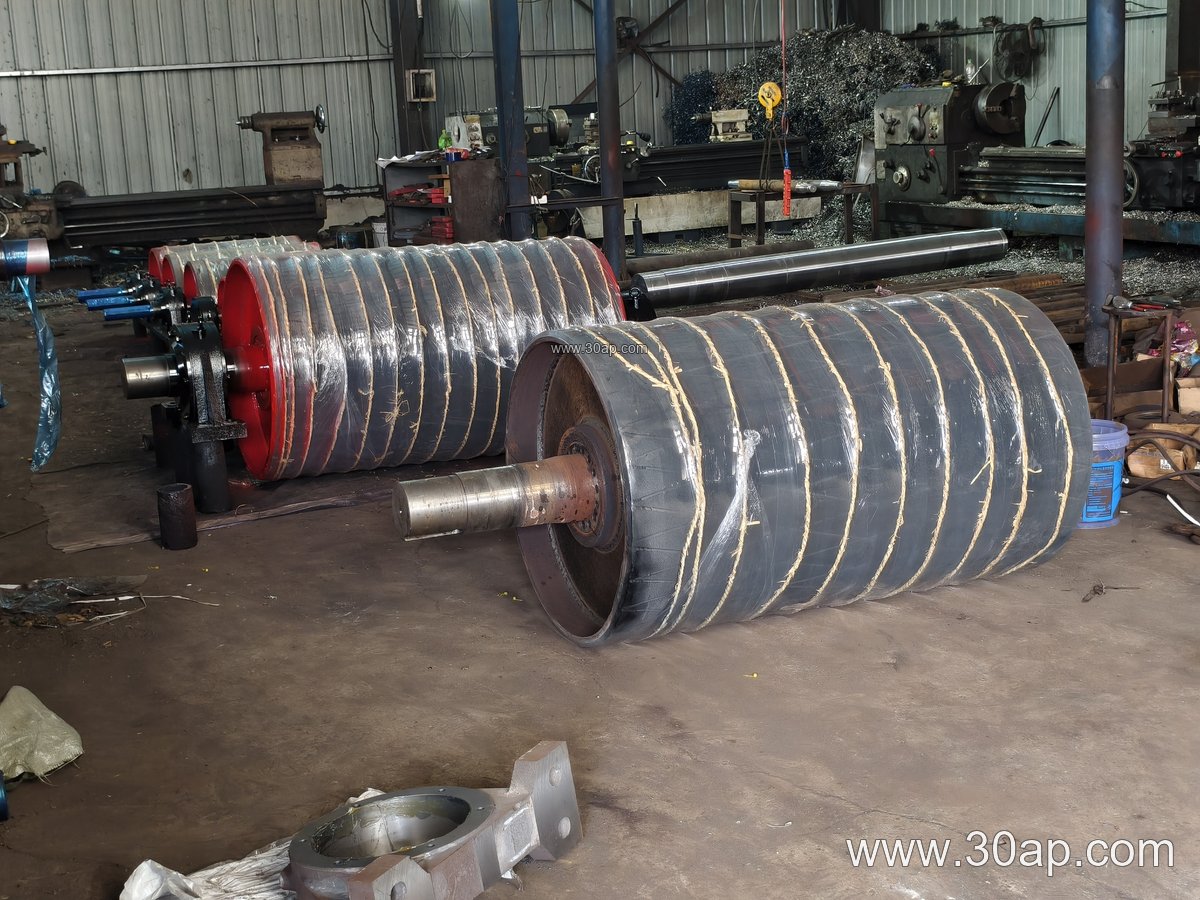
For comparison, a smaller bend pulley may be used purely for routing, while a drive pulley of the same diameter needs more grip and a stronger shaft connection. A wing pulley is a different subtype used for self-cleaning in sticky material, and it should not be treated as a substitute for a standard drum in a drive position.
Common Size Combinations
Pulley diameter and belt width are related but not fixed pairs. The drum face width is normally wider than the belt. The table below shows reference combinations that appear in conveyor design work; actual values follow the conveyor layout.
| Belt width | Typical drum face width | Example pulley size |
|---|---|---|
| B500 | about 600 mm | B500 × Ø500 |
| B650 | about 750 mm | B650 × Ø500 |
| B800 | about 950 mm | B800 × Ø500 |
| B1000 | about 1150 mm | B1000 × Ø500 |
| B1200 | about 1400 mm | B1200 × Ø500 |
These are reference figures, not universal rules. A B1200 belt can also run on a Ø630 or Ø800 drum when the duty requires it, and a Ø500 pulley may appear on narrower belts in light service. The conveyor designer sets the final combination based on belt tension, wrap angle, and available space.
Surface Choices for Different Materials
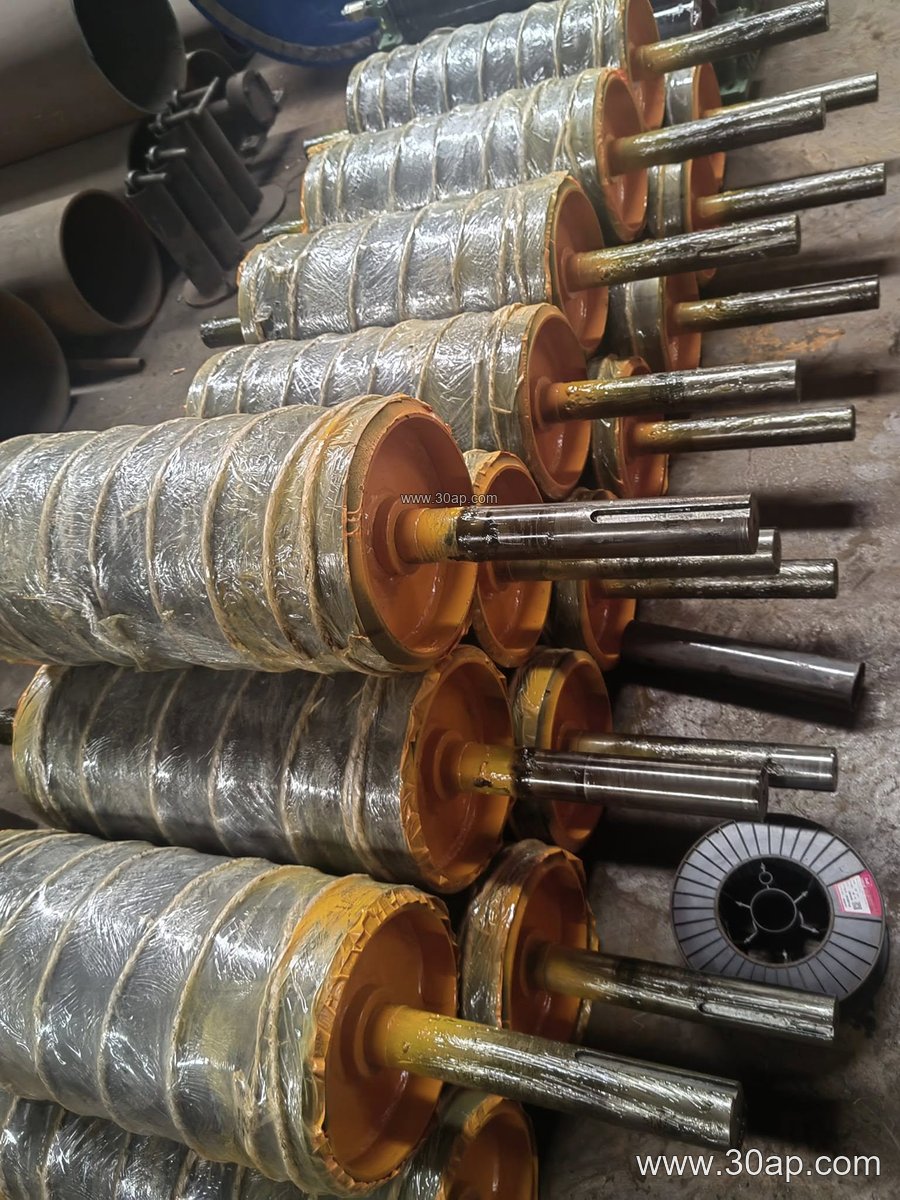
In a sand and gravel plant, a plain or lightly lagged 500mm diameter conveyor pulley often works well on the return side. In a coal preparation plant or a cement clinker line, diamond or herringbone lagging helps shed fines and maintain grip. Ceramic lagging is chosen where abrasive material and slip risk are both high. Rubber lagging thickness of 10 to 15 mm is common for general duty, while 20 mm may be specified for heavier wear.
The lagging should match the belt cover, not just the material. A rough, aggressive surface can wear a thin belt cover faster, so the pulley and conveyor belt specification should be reviewed together.
What Buyers Should Check
- Confirm the pulley position: drive, tail, or bend, since each has different load assumptions
- State the belt width, belt speed, and material handled
- Provide the required shaft diameter or the torque figure so the supplier can size it correctly
- Specify lagging type and thickness if grip or wear resistance is important
- Check bearing type and conveyor bracket mounting dimensions against the existing frame
- Ask for the balancing grade and runout tolerance if the pulley will run at higher speed
A 500mm diameter conveyor pulley is a versatile drum size for medium-duty conveying, but it is not a one-size-fits-all part. Matching it to the belt, the load, and the mounting position is what keeps a conveyor line running in a quarry, a coal plant, or a cement works.