What a Gold Mining Conveyor Belt Does on Site
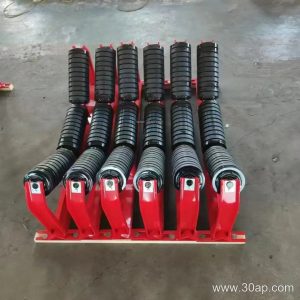
A gold mining conveyor belt moves crushed ore, mill feed, and screened rock between the pit, stockpile, mill, and tailings area. The duty is rarely gentle: sharp quartz, wet slurry carryback, and heavy lumps all attack the cover and carcass. That is why a Gold Mining Conveyor Belt is usually specified as a heavy-duty mining conveyor belt with an abrasion resistant cover and a carcass strong enough for the duty. It is a full conveyor belt assembly, not a single rubber strip, and its performance depends on how the belt, idler roller, conveyor pulley, and conveyor bracket work together.
Construction of the Belt
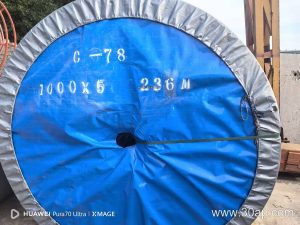
The belt is built from three main parts. The top and bottom covers protect the carcass from cutting, abrasion, and moisture. The carcass carries the tension. The bond between them keeps the layers from separating under repeated flexing over the tail and bend pulleys. Common carcass options include EP conveyor belt (polyester-nylon), NN conveyor belt (nylon-nylon), and steel cord conveyor belt for long, high-tension routes. Multi-ply fabric core conveyor belt constructions are typical for moderate spans, while steel cord designs suit high lift and long center distances.
Cover thickness is selected from the duty, not from habit. Common combinations include 4+2 mm, 5+2 mm, 6+2 mm and 8+3 mm. The first number is the top cover and the second is the bottom cover. A thicker top cover helps where ore impact and abrasion are severe; a thicker bottom cover helps where the return side runs over many idlers.
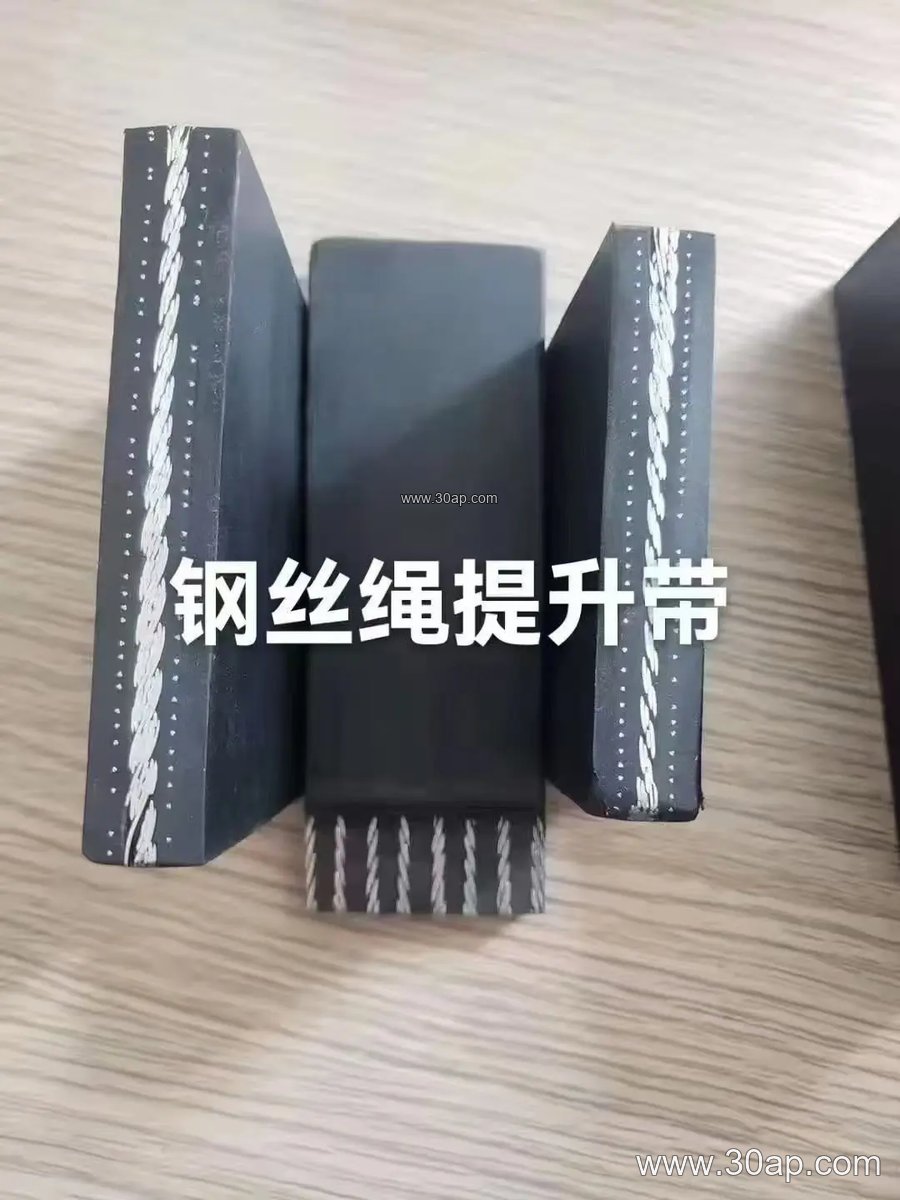
Belts for Different Gold Plant Duties
- Primary crushing and pit feed: high impact and lump size call for a heavy-duty belt with good cut resistance, often an abrasion resistant conveyor belt in a multi-ply or steel cord build.
- Mill feed and fine ore: stable, moderate tension duty; EP or NN carcass belts are common.
- Inclined transfers: a chevron conveyor belt or corrugated sidewall conveyor belt can hold material on steep inclines.
- Enclosed routes: a pipe conveyor belt controls dust and spillage near the mill and load-out points.
- Wet or oily conditions: an oil resistant or cold resistant cover may be needed where temperatures or lubricants are present.
- Underground or confined areas: flame retardant and anti-static covers are usually specified for safety.
Where gold ore is processed with heat or chemicals, a heat resistant conveyor belt or chemical resistant cover may appear on specific runs, but each case should be checked against the actual temperature and exposure.
Widths, Strength Grades and Reference Data
Belt width follows the tonnage and lump size. Narrow belts such as B500 and B650 suit small transfer lines; main ore belts often run at B800, B1000, B1200 or B1400. Very large plants may use B1600 to B2000. Strength grade is matched to the calculated tension, not copied from a neighbor’s plant. Reference grades for fabric belts include EP200, EP315, EP400, EP500, EP630, EP800, EP1000, EP1250 and higher. Steel cord grades such as ST1000 to ST3150 are used on long overland or high-lift routes. The table below shows example pairings, not fixed rules.
Example Reference Pairings
| Duty | Belt type | Width | Cover (top+bottom) |
|---|---|---|---|
| Fine ore transfer | EP fabric, 3-4 ply | B800 / B1000 | 4+2 mm |
| Crusher discharge | Abrasion resistant EP or NN | B1000 / B1200 | 6+2 mm |
| Long overland run | Steel cord | B1200 / B1400 | 6+2 mm / 8+3 mm |
| Steep incline | Chevron or sidewall | B800 / B1000 | 5+2 mm |
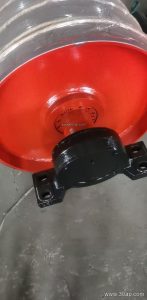
Do not assume that one belt width fixes the pulley diameter. Pulley size is set by tension, wrap angle, and shaft load, so the drive pulley, tail pulley and bend pulley are each sized on their own duty and are not interchangeable.
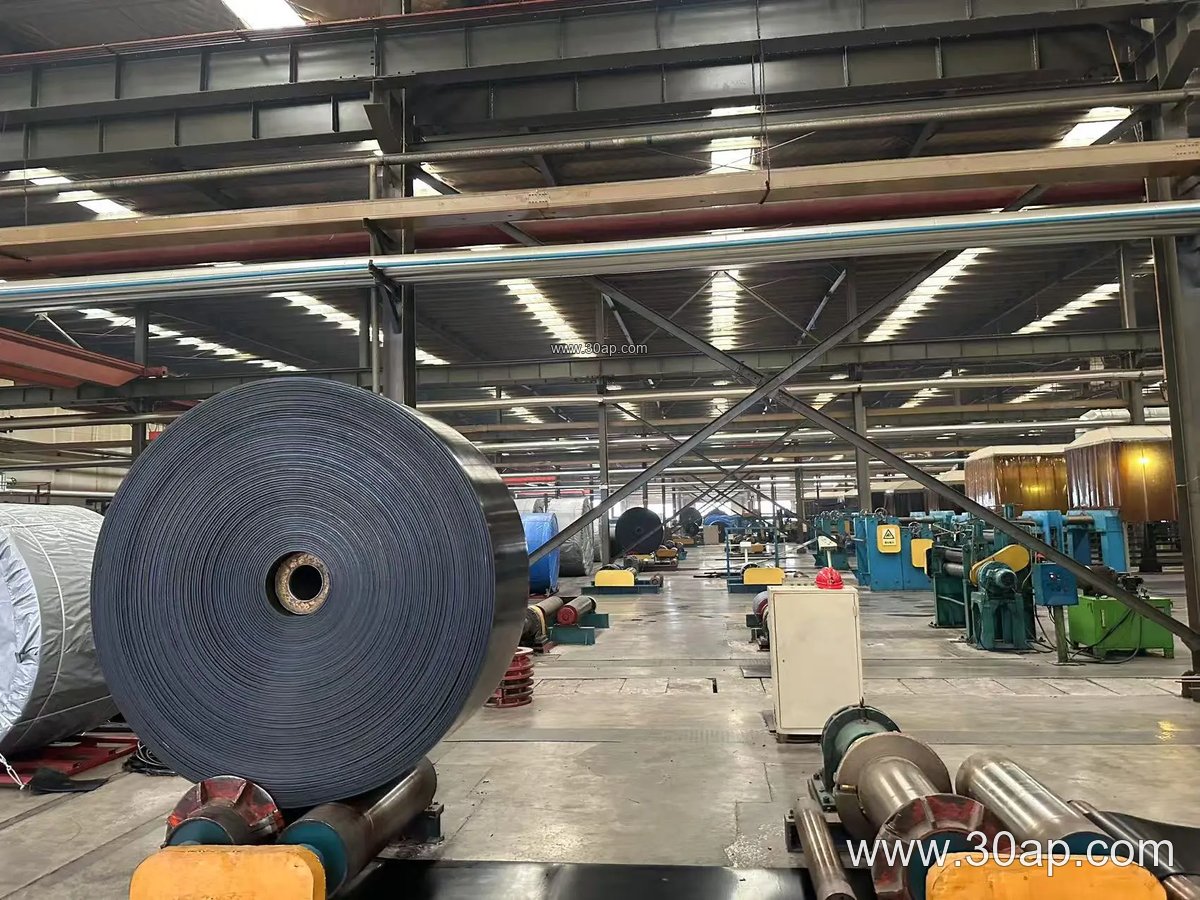
What Buyers Should Check
Start with the material: lump size, moisture, temperature, and whether the ore is wet or abrasive. Then confirm the duty tension and the take-up arrangement. Ask for the carcass type, ply count, cover thickness, and edge construction. For inclined sections, confirm whether a chevron or sidewall profile is needed. For underground use, confirm flame retardant and anti-static properties. Inspect the splice method, since a poor splice shortens belt life more than cover wear does.
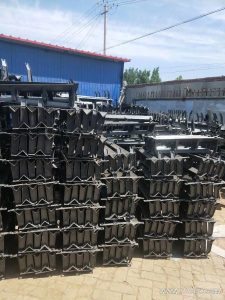
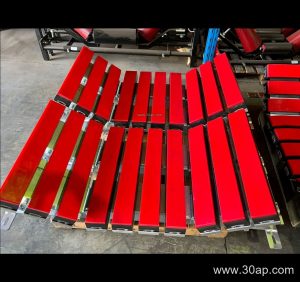
Maintenance matters as much as the initial purchase. Keep the idler roller turning freely, check the conveyor pulley lagging for wear, and confirm the conveyor bracket and frame are aligned so the belt does not train to one side. Clean carryback at the tail pulley; trapped material there damages the cover and the pulley. Track cover wear and splice condition at fixed intervals.
For more guidance on matching a Gold Mining Conveyor Belt to your ore handling line, see the belt and component resources at gold mining conveyor belt and our notes on conveyor pulley selection.