What a Conveyor Leg Does
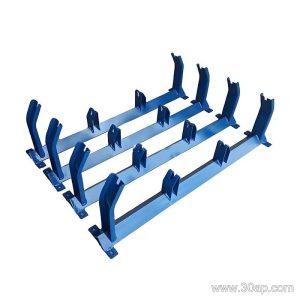
A conveyor leg is the vertical support element that carries the conveyor frame, idlers, and belt at the required elevation. In a typical belt conveyor structure, legs are bolted or welded to the stringers or cross beams, forming a stable base that keeps the belt line aligned. While often overlooked, the conveyor leg directly influences frame rigidity, belt tracking, and maintenance access, especially in demanding industries such as mining, coal preparation, cement plants, power stations, and aggregate quarries.
Construction and Materials
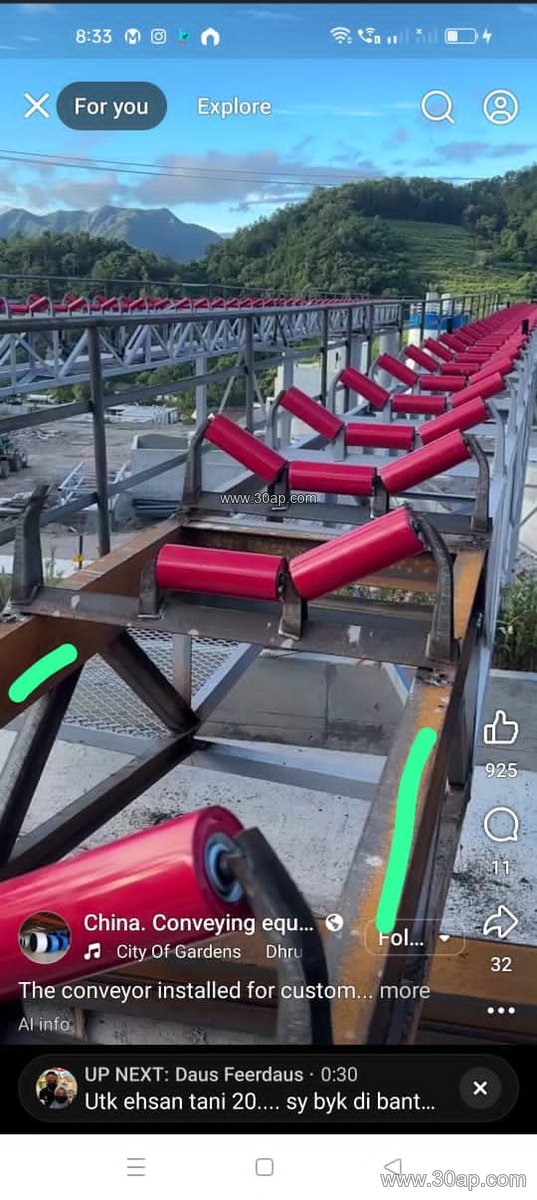
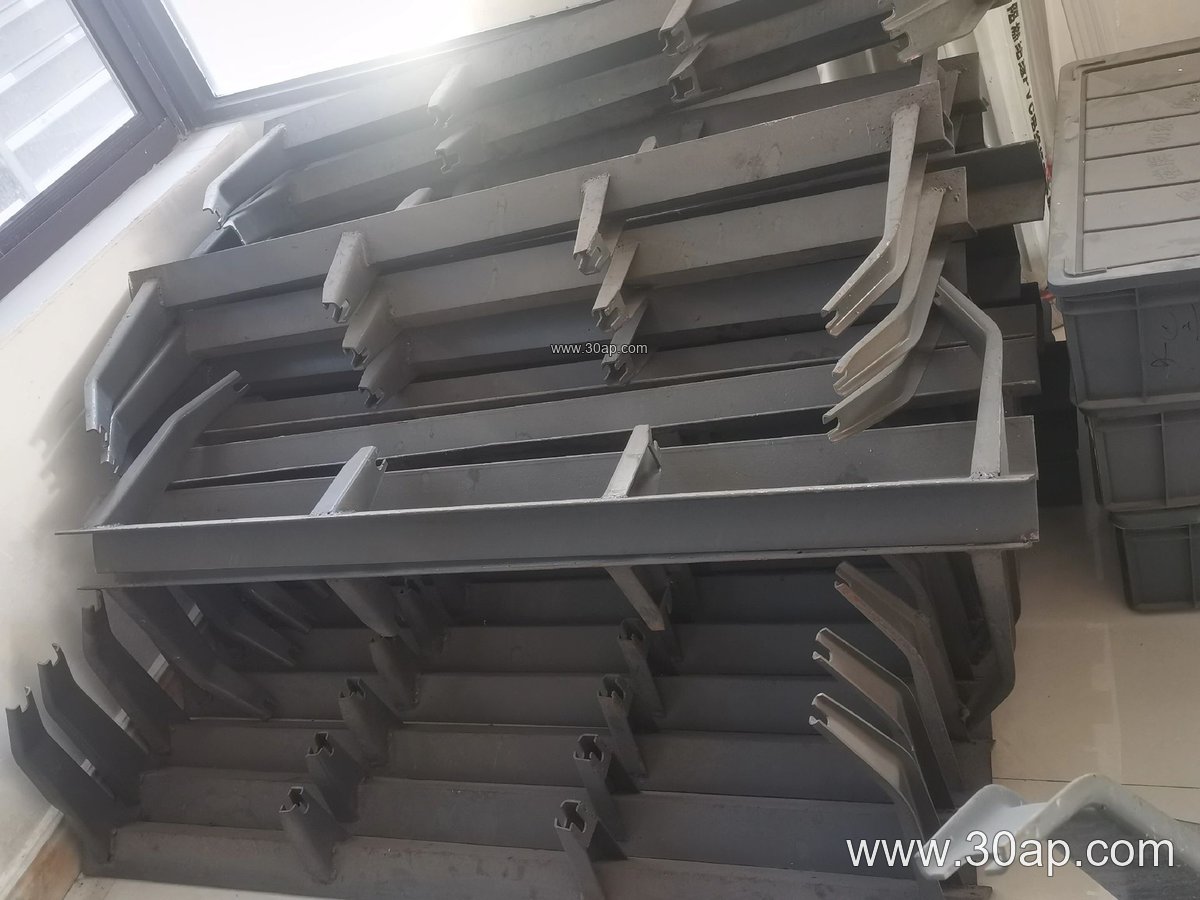
Most conveyor legs are fabricated from structural steel. Common materials include angle steel, channel steel, and folded steel plate. The choice depends on load conditions, required stiffness, and the need for corrosion resistance in wet or dusty environments. Legs may be fixed or adjustable; adjustable types allow fine-tuning of frame height to compensate for ground settlement or to set the correct incline. Mounting hole spacing and crossbeam length are not fixed—they are determined by belt width, trough angle, and the specific idler support arrangement.
Types and Configuration
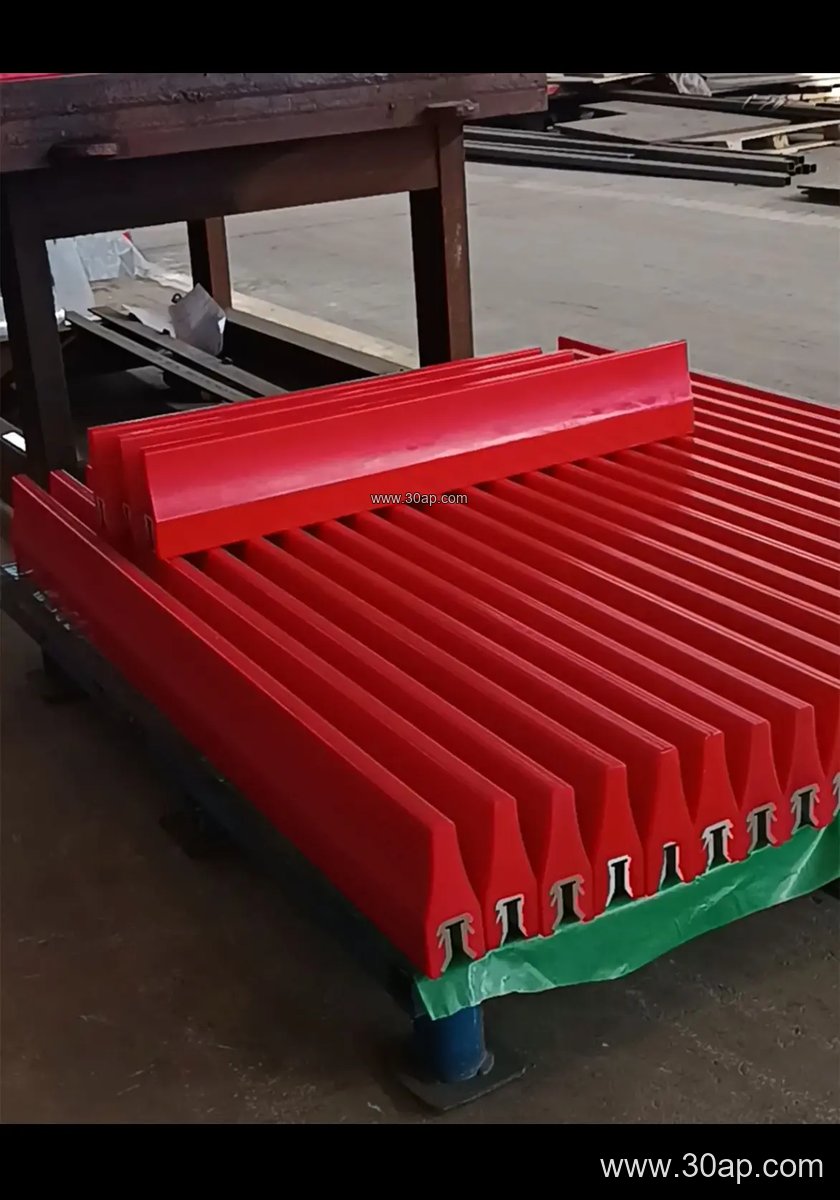
Conveyor legs are often matched to the support function of the frame section. For carrying idlers, a troughing support leg may be used; for return idlers, a return support leg is common. Other configurations include impact support legs for loading points and self-aligning support legs for critical tracking zones. Each type is designed around the idler frame it carries—never interchange a drive pulley support with a tail pulley support, as their structural roles differ. For reference, here are typical conveyor leg arrangements and their common applications:
- Fixed leg – general straight sections, permanent installations
- Adjustable leg – uneven ground, temporary setups, or where height correction is needed
- Troughing support leg – carrying side with 20°, 30°, 35°, or 45° trough angles
- Return support leg – return side with flat or V-return idlers
- Impact support leg – reinforced design for crusher discharge or transfer points
Key Parameters to Consider
When specifying a conveyor leg, several parameters work together. The belt width (B500 to B2200 are common) influences the frame span and leg spacing. Idler diameter (Ø89, Ø108, Ø133, Ø159, Ø194) affects the load height and mounting details. Trough angle (20°, 30°, 35°, 45°) determines the crossbeam geometry. Forward tilt of idlers (about 1.5° to 2°) may require slight leg positioning adjustments. The table below shows typical reference combinations, but these are not mandatory pairings—final design depends on engineering calculations.
| Belt Width (B) | Common Trough Angle | Typical Idler Diameter | Leg Type Example |
|---|---|---|---|
| B800 | 35° | Ø108 | Fixed or adjustable troughing leg |
| B1200 | 45° | Ø133 | Adjustable troughing leg |
| B650 | 30° | Ø89 | Fixed return support leg |
| B1600 | 35° | Ø159 | Impact support leg |
Note that a single belt width can accommodate different trough angles and idler diameters. Shaft diameter is not derived from belt width alone; it is calculated from load and torque requirements.
Where Conveyor Legs Are Used
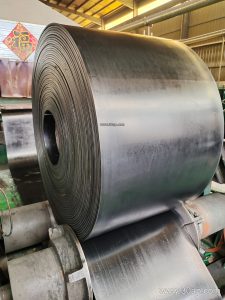
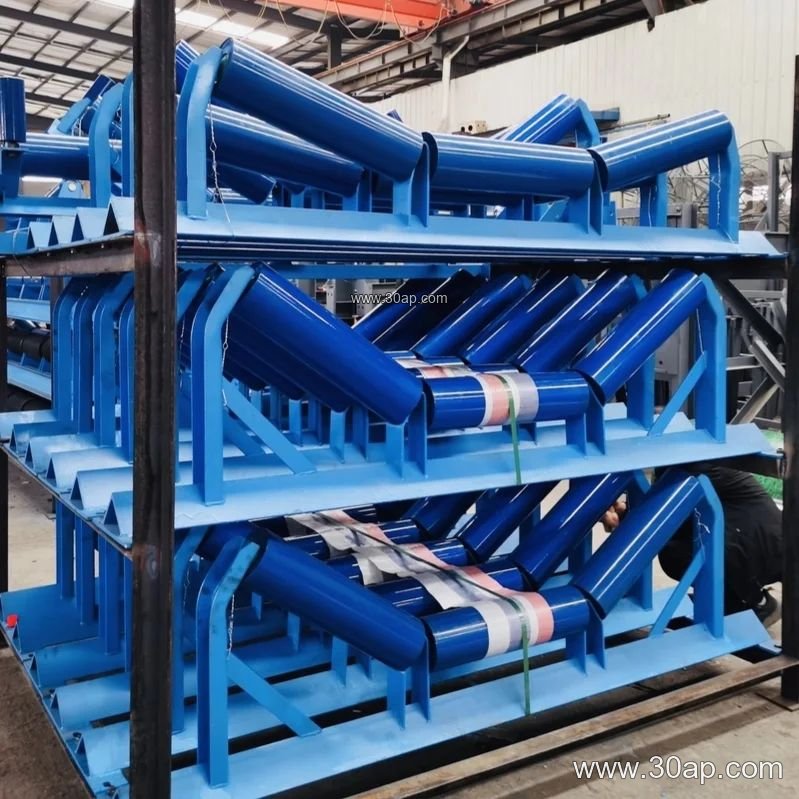
These supports are essential in bulk material handling across many sectors. In a coal preparation plant, conveyor legs must withstand constant vibration and coal dust while keeping the belt line level. In a limestone quarry or aggregate production line, legs support the conveyor through loading and transfer points, often paired with impact idlers. The same structural principle applies in cement plants, power plant coal yards, and port loading systems. When the belt carries heavy ores or uses a steel cord conveyor belt, the leg spacing and foundation design must be more robust.
Selection and Maintenance Tips
Choose a conveyor leg that matches the frame section and idler type rather than forcing an unrelated bracket. Check that the leg height corresponds to the required belt elevation and that adjustable legs have sufficient travel. During installation, ensure the legs are plumb and anchored to a stable foundation; misalignment can cause belt drift and premature idler wear. Regular inspection should include checking for loose bolts, corrosion, and deformation, especially in high-moisture or corrosive environments. For conveyors using a flame retardant conveyor belt in underground mining, leg maintenance also contributes to overall fire safety by preventing belt rubbing against structures.
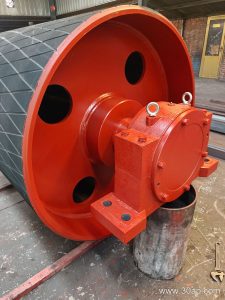
Related components such as the conveyor pulley, idler roller, and conveyor bracket work together with the leg to maintain belt stability. A well-chosen leg reduces downtime and extends the life of the entire conveyor system.