What an Extra-Wide Conveyor Belt Is
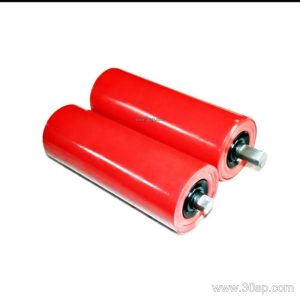
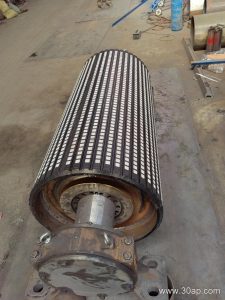
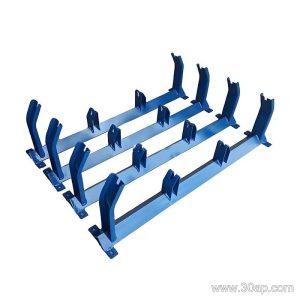
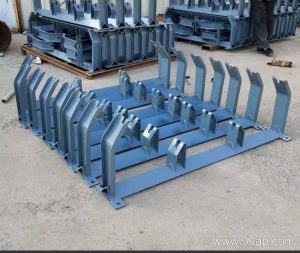
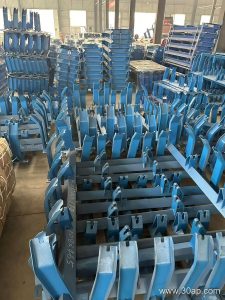
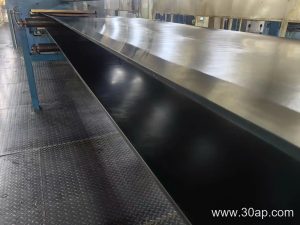
An Extra-Wide Conveyor Belt is a heavy-duty rubber conveyor belt built with a broad cross-section, typically used where a single conveyor line must carry a large volume of bulk material without doubling up on parallel systems. In practice, plants refer to this as a wide conveyor belt once the width moves beyond the common 1000mm or 1200mm range and into territory such as 1400mm, 1600mm, 1800mm, 2000mm, or wider. The wider the belt, the more attention the whole conveyor structure needs, from the idler roller frames to the conveyor pulley alignment and the conveyor bracket supports.
The product itself is still a fabric-core or steel-cord belt. The width is the distinguishing feature, and it changes how the belt is manufactured, transported, installed, and maintained.
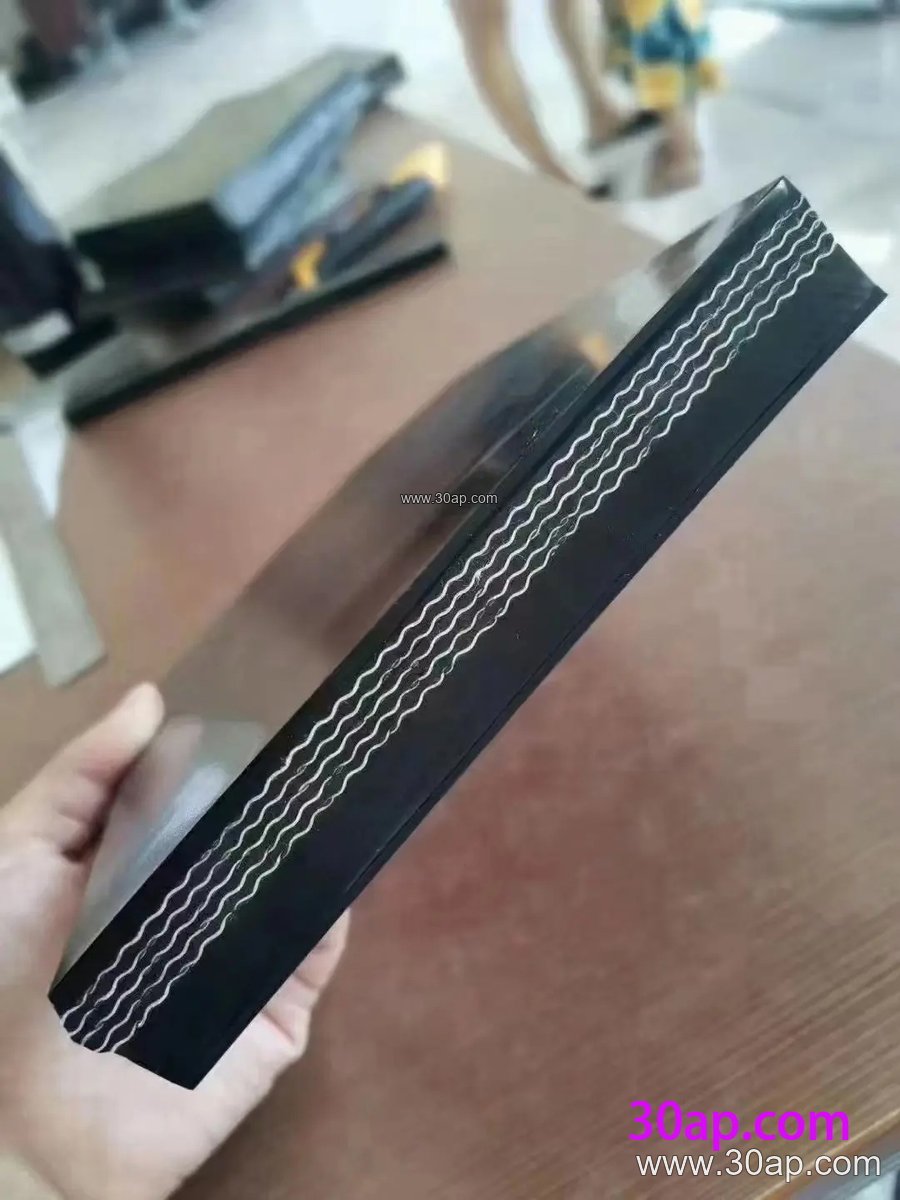
Construction and Common Specifications
Most extra-wide belts use a multi-ply fabric core or a steel cord core. Fabric Core Conveyor Belt designs in EP or NN are common for moderate tension and long transitions, while Steel Cord Conveyor Belt constructions suit very high tension and long-center applications. Cover rubber grade is selected by the duty: Abrasion Resistant Conveyor Belt for ore and aggregate, Heat Resistant Conveyor Belt for cement clinker and sinter, Flame Retardant Conveyor Belt for coal mining and underground work, and Oil Resistant Conveyor Belt for recycled material or oily feedstock.
Typical reference figures, which vary by manufacturer and should be confirmed per design, look like this:
| Parameter | Common Reference Range |
|---|---|
| Belt width | B1400, B1600, B1800, B2000 (also 1200mm wide conveyor belt and 1500mm wide conveyor belt as transition sizes) |
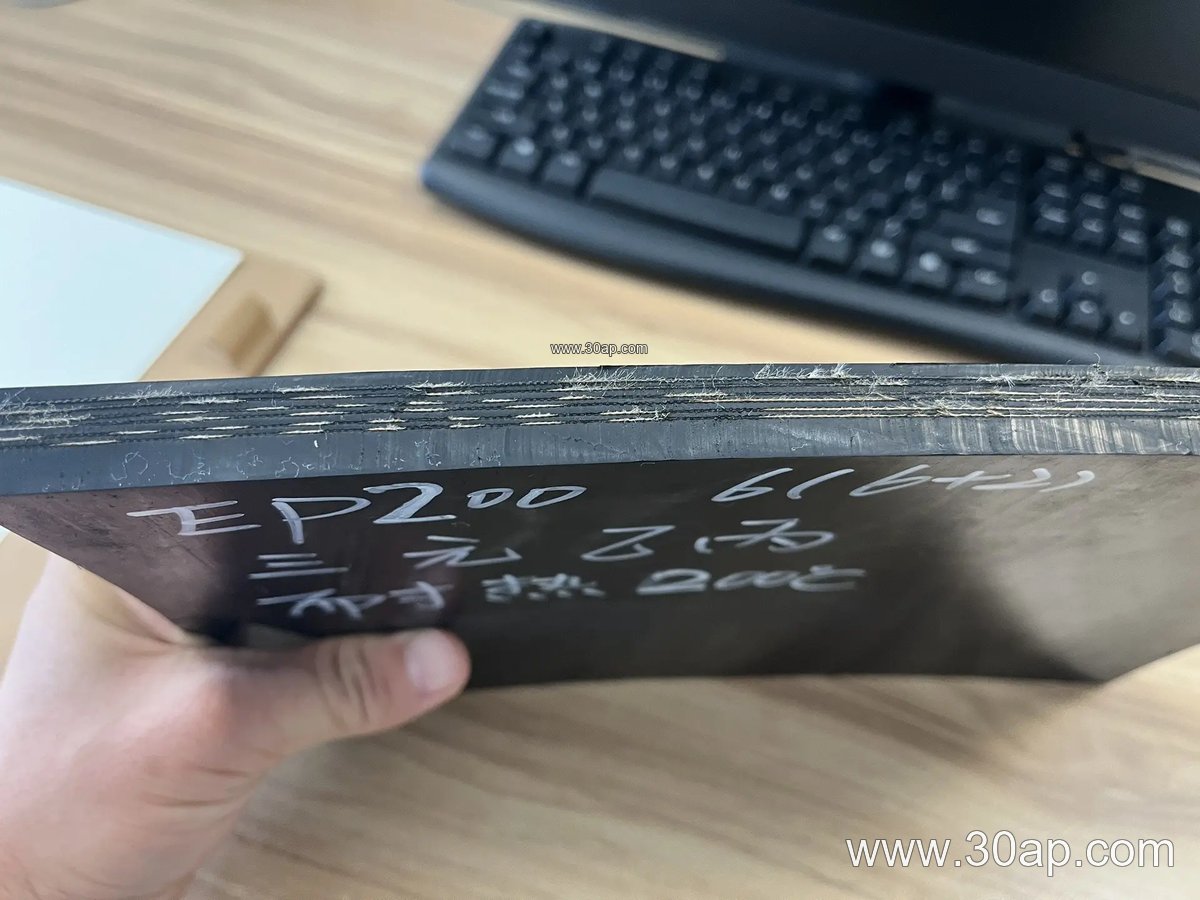
| Fabric core strength | EP200 to EP2000, NN100 to NN400 |
| Steel cord strength | ST1000 to ST3150 |
| Cover thickness | 4+2, 5+2, 6+2, 8+3 mm |
| Ply count | 2 to 6 layers, sometimes more for heavy-duty mining conveyor belt duty |
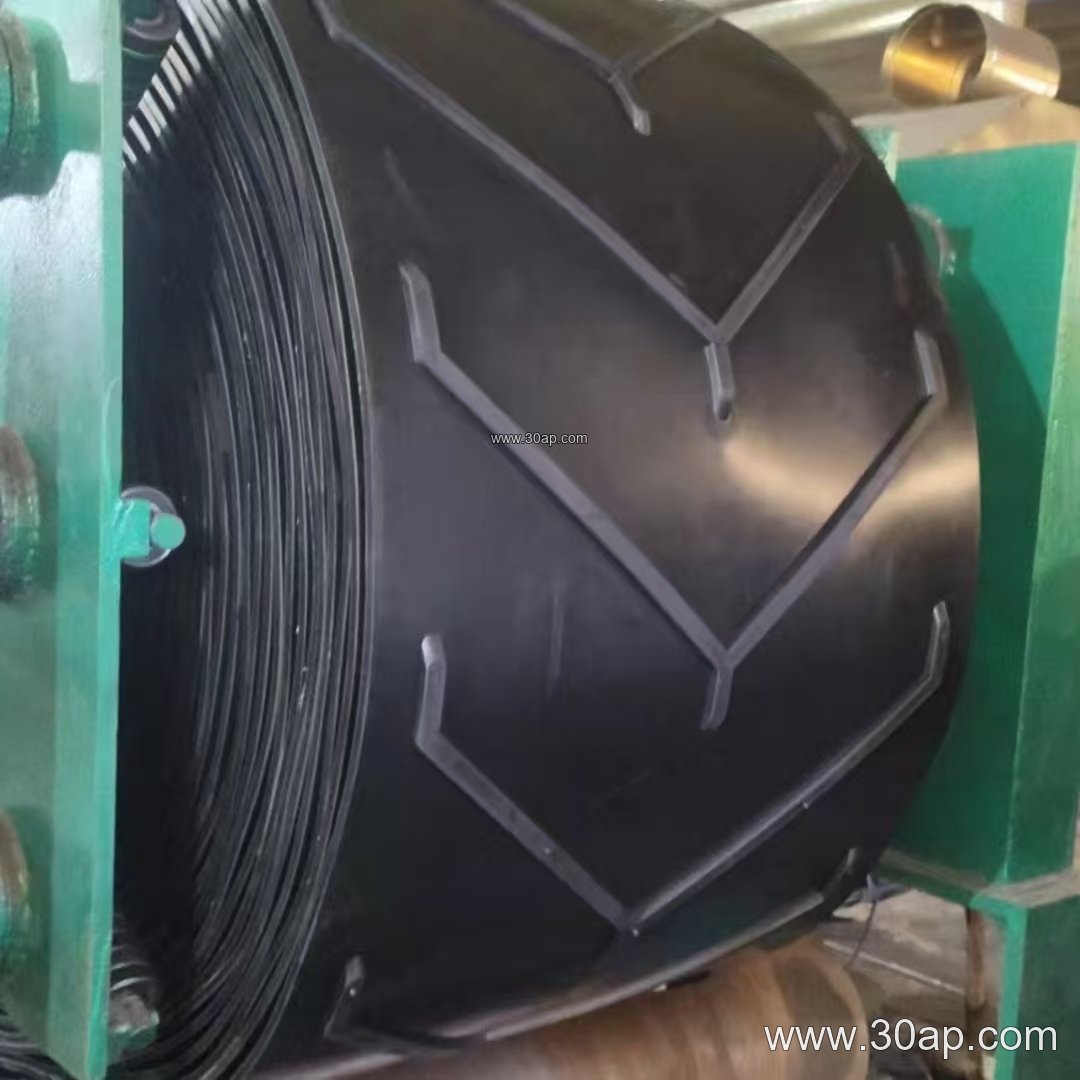
| Special constructions | Chevron Conveyor Belt, Corrugated Sidewall Conveyor Belt, Skirted Conveyor Belt, Pipe Conveyor Belt, Endless Conveyor Belt |
These values are reference data, not a fixed catalogue promise. A 1600mm belt might use EP630 in one plant and EP1000 in another, depending on tonnage, incline, and pulley diameter.
Where Extra-Wide Belts Are Used
Wide belts earn their place where throughput per line matters. In mining and quarrying, a 1800mm or 2000mm belt can move run-of-mine ore from a primary crusher to a stockpile without a second parallel line. Cement plants use wide belts on clinker and limestone circuits, power plants on coal receiving and boiler feed, and port and ship loading terminals on bulk transfer booms. Sand and gravel operations, steel plants, and recycling facilities also adopt them when a single stream is cheaper to run than two narrow ones.
In underground coal mining, a flame retardant wide belt is common, often in PVG or PVC construction, because the whole roadway width is used and the belt must meet fire safety expectations. Above ground, high abrasion resistant and impact resistant grades handle rock and ore drop points.
Selection Points for Buyers
- Match width to structure: idler roller spacing, frame stiffness, and conveyor pulley face width must all be sized for the belt, not borrowed from a narrower line.
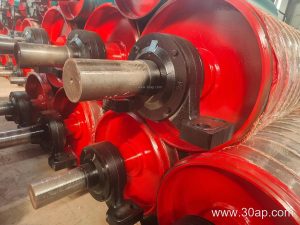
- Check pulley and shaft design: a wider belt does not automatically mean one fixed pulley diameter or shaft size; those follow tension, wrap angle, and the pulley manufacturer’s design.
- Confirm splice method: wide belts are heavy and awkward to handle, so whether the belt arrives as an Endless Conveyor Belt or is spliced on site affects installation time and tooling.
- Think about tracking: wide belts are more sensitive to misalignment, so crown and pulley alignment, plus proper conveyor bracket mounting, deserve extra care.
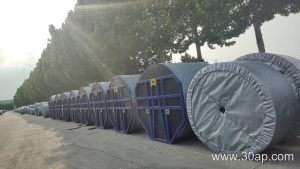
- Consider transport: a 2200mm or 2400mm wide belt may need special shipping and a crane plan; confirm coil weight and roll dimensions early.
For related hardware, specify conveyor pulley lagging, idler roller bearing type, and frame corrosion protection together with the belt, so the whole line is designed as one system. More guidance on matching belts with rollers and pulleys is available at beltconveyorsystem.com for conveyor belt selection and at beltconveyorsystem.com for idler roller and conveyor pulley coordination.
Maintenance and Long Service
Wide belts should be inspected for edge wear, cover gouges, and splice fatigue. Because a single wide belt carries so much tonnage, a small tracking error can wear an edge quickly. Keep impact beds and skirt rubber in good condition at transfer points, and check that all idler rollers turn freely. Store spare belt rolls flat and protected from sunlight and ozone. With correct alignment and grade selection, an extra-wide belt can serve for many years in demanding mining, cement, and power plant duty.