What the ST1000 Conveyor Belt Is
The ST1000 Conveyor Belt is a steel cord conveyor belt with a nominal tensile strength of 1000 N/mm per unit width. It belongs to the steel cord family, where the load-bearing skeleton is made of parallel steel wires embedded in rubber rather than woven fabric plies. In a long overland system, a quarry conveyor line, or an underground coal mining conveyor, this construction allows a relatively thin belt to carry high tension over long distances with limited stretch.
Buyers often compare it with an EP conveyor belt or an NN conveyor belt. Those fabric core products are common in medium-duty duties, while a steel cord belt such as the ST1000 is chosen when tensile demand and conveyor length grow beyond what a multi-ply fabric core conveyor belt handles comfortably. The two are not interchangeable in every design; each has its own pulley and splice requirements.
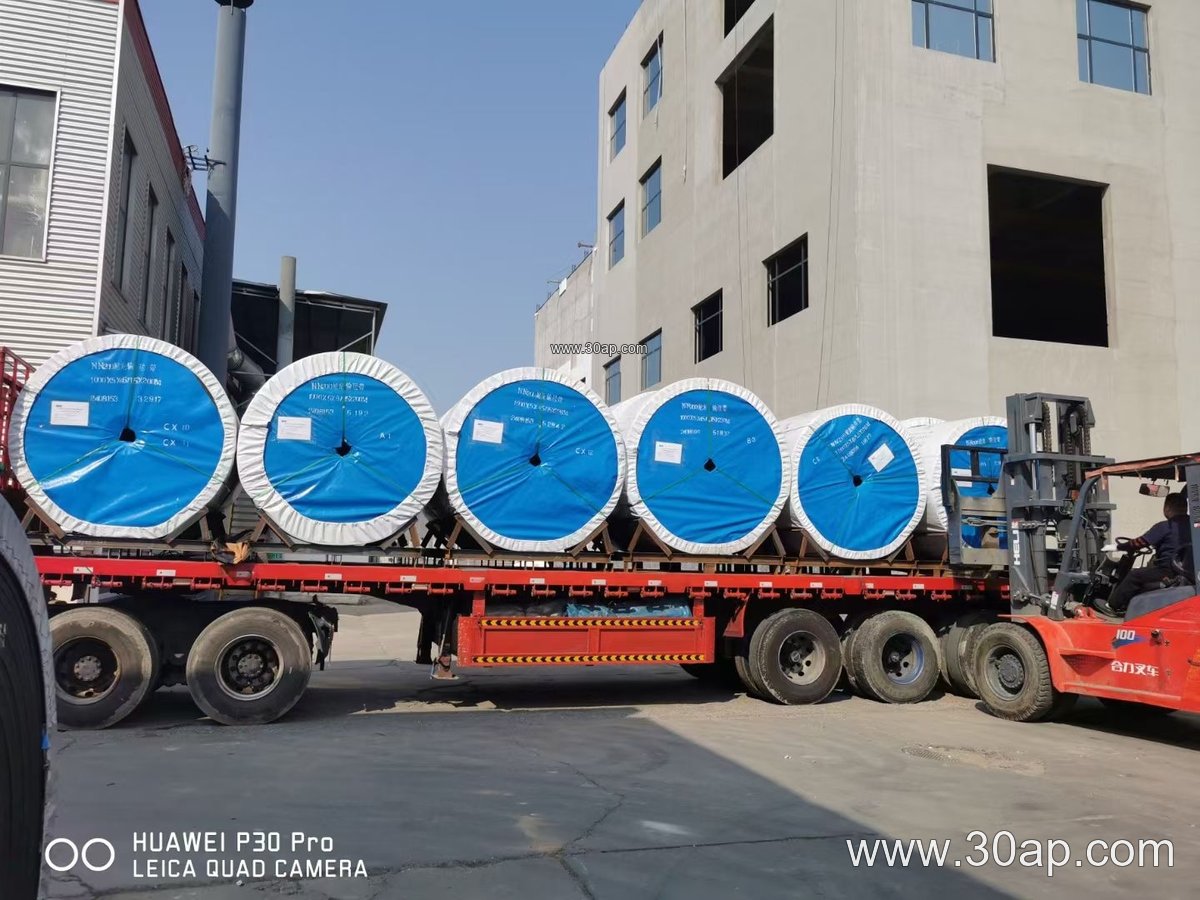
Construction and Belt Build
The core is a set of galvanized steel cords arranged at a defined pitch. Top and bottom cover rubber protect the cords from abrasion, impact, moisture, and in some cases oil or heat. Cover thickness is usually stated as a pair, for example 6+2 mm or 8+3 mm, with the first figure being the carrying side. The belt may also be supplied as a flame retardant conveyor belt or anti-static conveyor belt for underground service, or with a heat resistant cover for hot clinker and sinter.
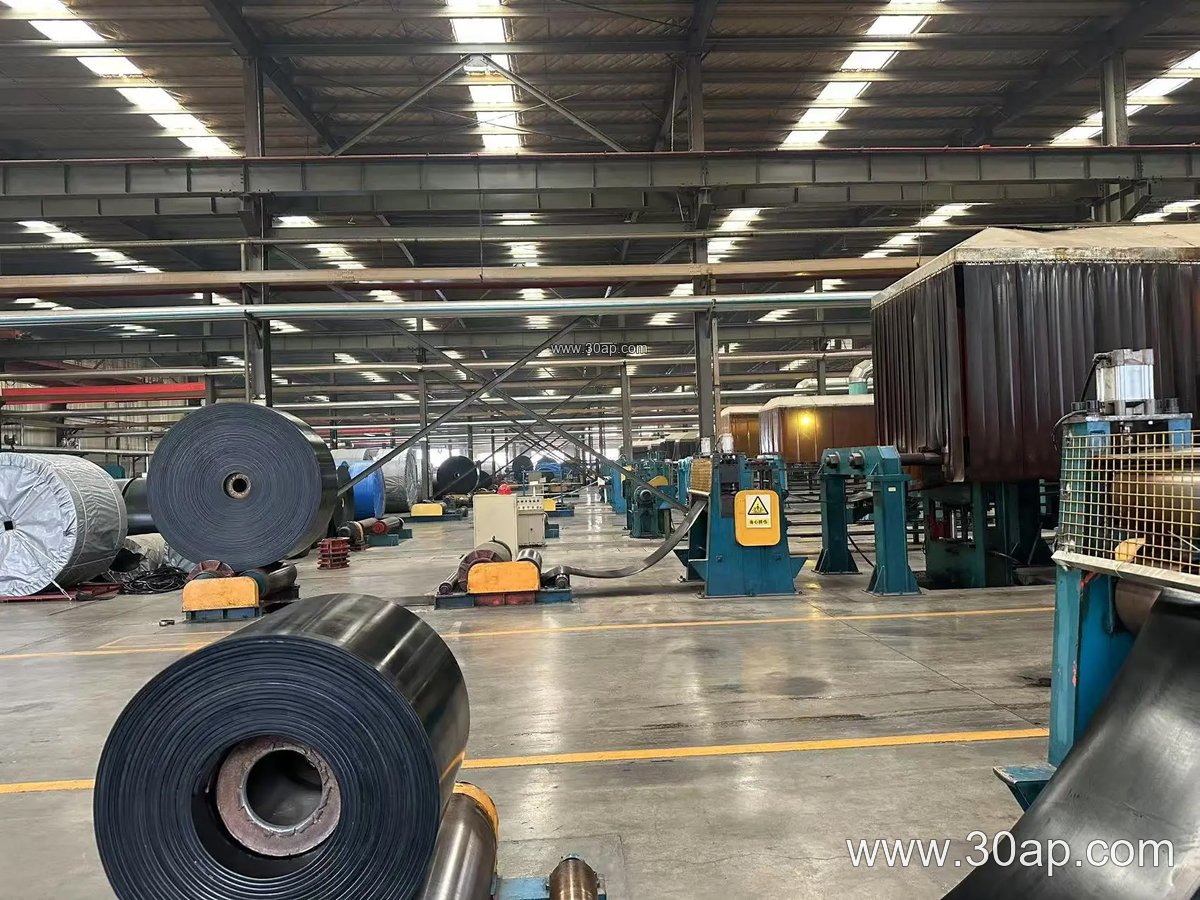
- Steel cord skeleton for high tensile load and low elongation
- Cover compounds selected for abrasion, heat, oil, or fire resistance
- Vulcanized endless splices made on site for continuous runs
- Optional corrugated sidewall or chevron profiles for inclined sections
Typical Duties and Industries
This belt is at home in mines, cement plants, power stations, steel works, ports, and large sand and gravel operations. It suits bulk material conveyor duties such as iron ore, copper ore, coal, limestone, and aggregate. In a crushing circuit it may serve as a crusher conveyor belt, and in ship loading it can form part of a long high-capacity route. Where the route climbs steeply, a chevron conveyor belt or a corrugated sidewall conveyor belt variant is sometimes considered, but the base ST1000 remains the load-carrying element.
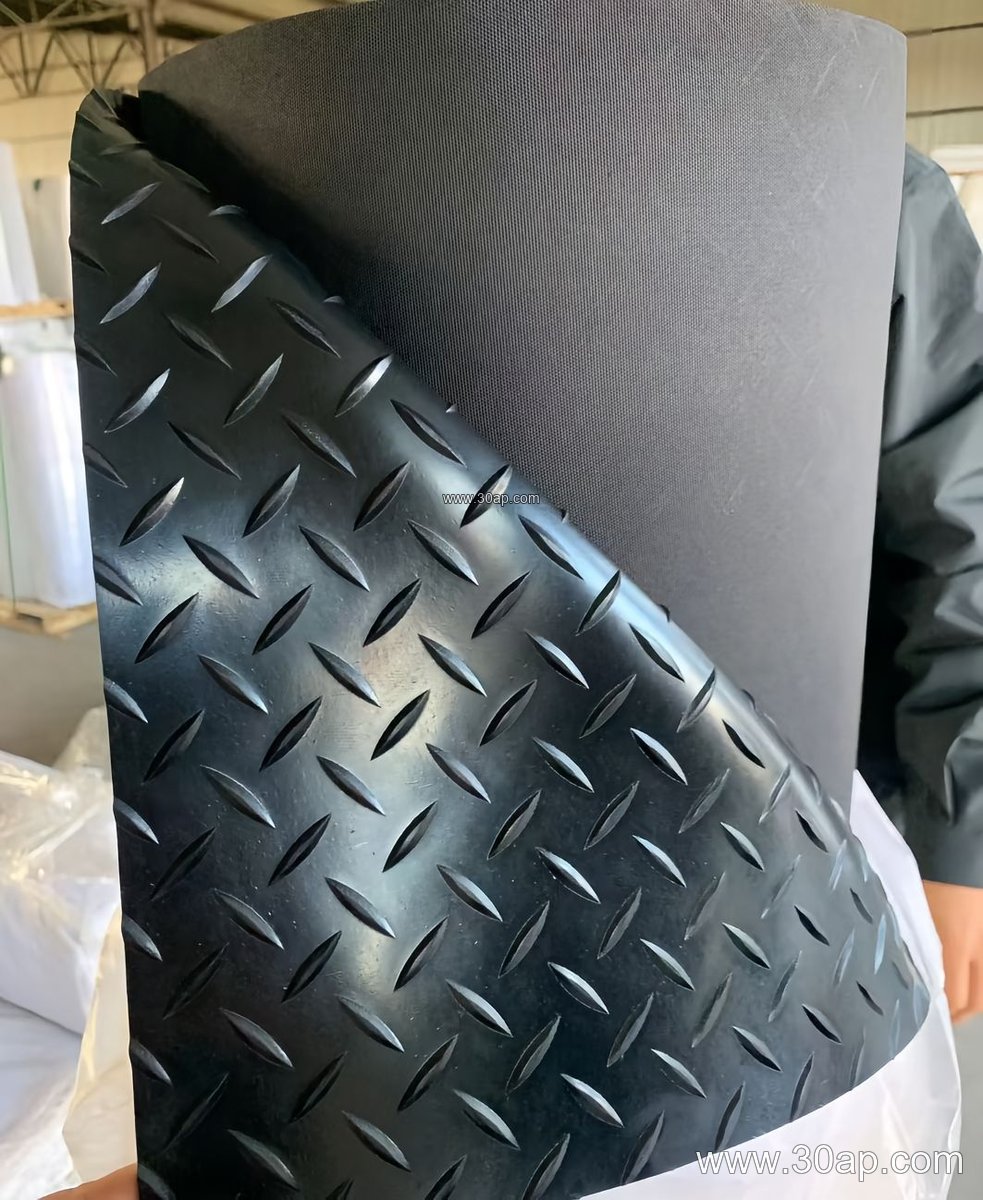
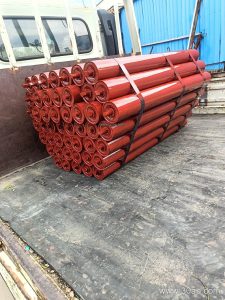
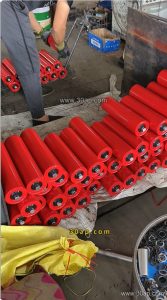
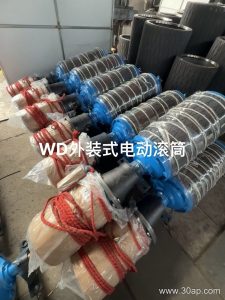
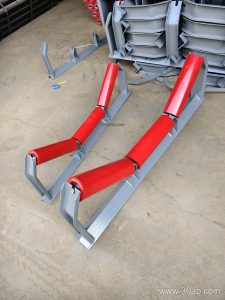
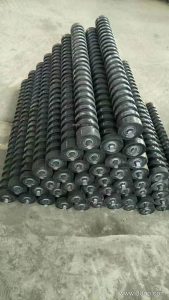
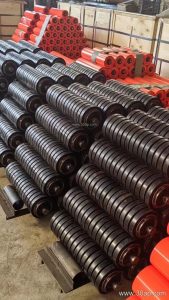
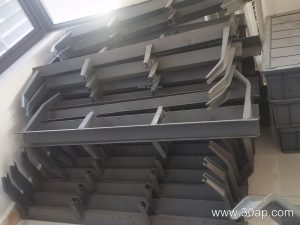
For underground coal mining, flame retardant and anti-static grades are commonly specified. Surface plants may prefer a high abrasion resistant conveyor belt cover where sharp rock is present. The conveyor pulley, idler roller, and conveyor bracket arrangement must be matched to the belt’s tension and tracking behavior.
Reference Dimensions and Related Grades
The figures below are common reference ranges, not fixed supply promises. Actual construction is confirmed by design and by the manufacturer’s data sheet.
| Parameter | Typical reference |
|---|---|
| Nominal strength | ST1000 (1000 N/mm) |
| Related steel cord grades | ST1250, ST1600, ST2000, ST2500, ST3150 |
| Belt width | B800, B1000, B1200, B1400, B1600, B1800, B2000 |
| Cover thickness | 4+2, 5+2, 6+2, 8+3 mm |
| Common cover options | Abrasion resistant, heat resistant, flame retardant, oil resistant |
Width and strength are selected together with the conveyor profile, capacity, and pulley diameters. A wider belt is not automatically paired with one pulley size; the drive pulley, tail pulley, and bend pulley each have their own diameter requirements set by the belt manufacturer.
Selection and Maintenance Notes
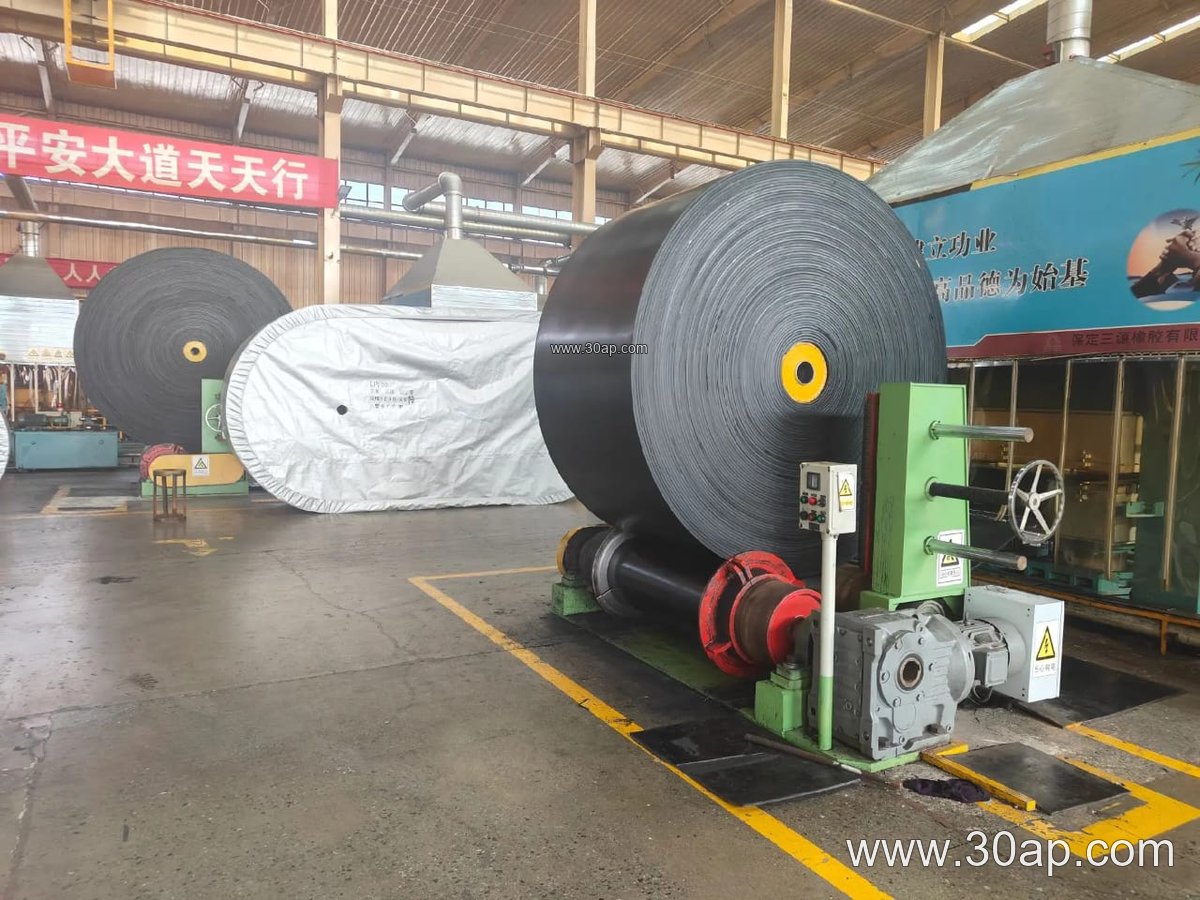
Check the maximum working tension, the safety factor, the splice method, and the minimum pulley diameters before ordering. Confirm cover grade against the real material: hot cement, oily scrap, or wet coal each call for a different compound. During operation, watch for cord exposure at the edges, cover gouges, and splice wear. Keep the idler roller turning freely and inspect the conveyor pulley lagging, since a slipping drive accelerates belt damage. Proper alignment of the conveyor bracket and frame helps prevent edge tracking, which is a common cause of premature failure on any heavy-duty conveyor belt.
When replacing a belt, record the actual measured length and width rather than relying on the original drawing. Store coils on a clean, dry surface and avoid sharp bends. A well-matched ST1000 belt, correctly spliced and maintained, gives long service in demanding bulk handling routes.