What Pulley Lagging Does on a Conveyor
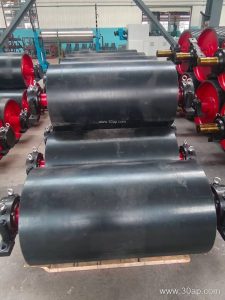
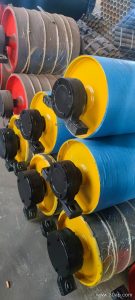
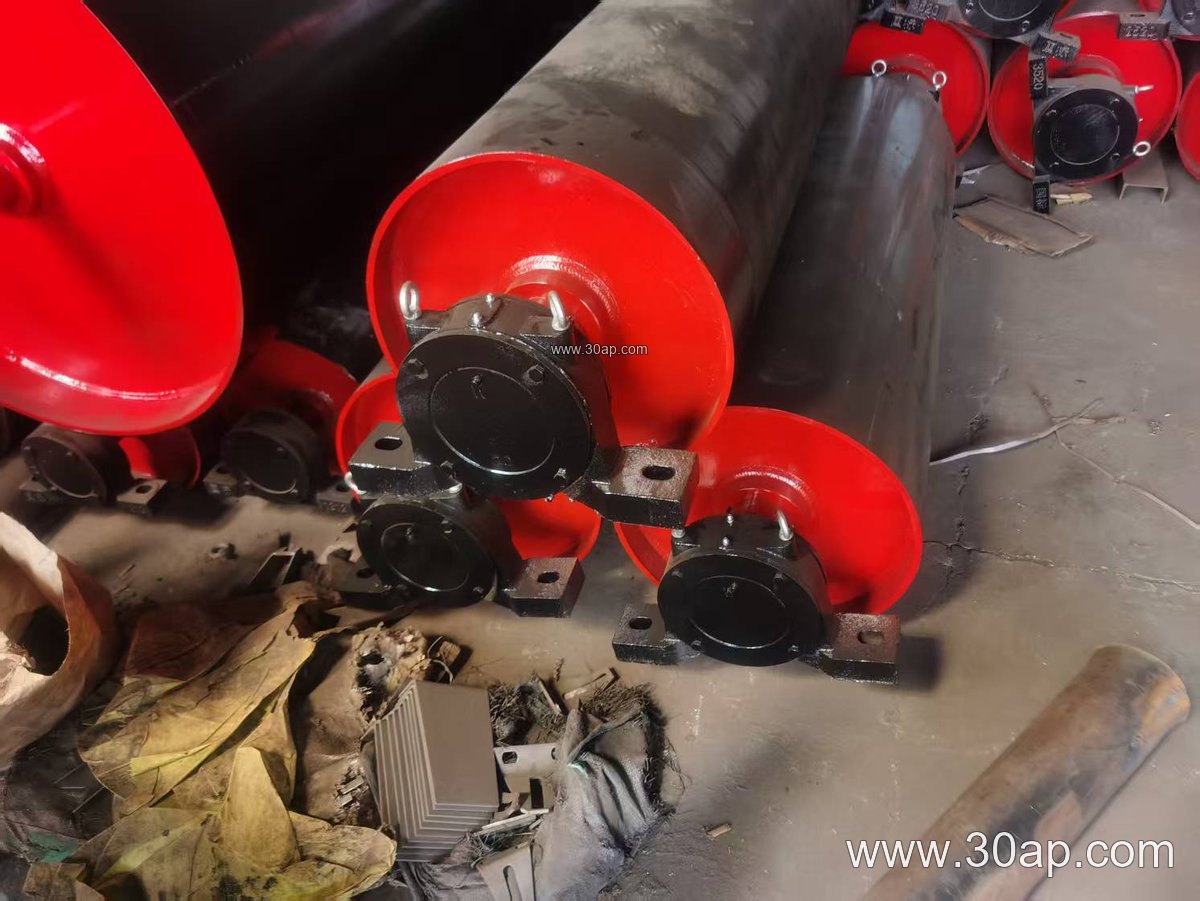
Belt conveyor pulley lagging is the rubber or ceramic layer bonded to the drum surface where the conveyor belt makes contact. It is not a cosmetic add-on. On a drive pulley, the lagging raises friction so the drum can transmit torque without slip. On a tail or bend pulley, a smooth or grooved cover helps the belt run true and sheds fines before they wrap the shell. In a quarry or a coal handling plant, a worn plain steel drum can polish and lose grip within a few months; a properly specified cover restores traction and protects the shell from abrasive carryback.
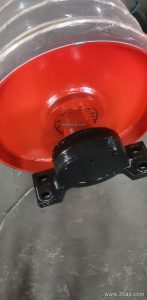
Buyers often confuse the cover with the pulley itself. The drum is the structural part; the lagging is a replaceable wear surface. That distinction matters when you plan maintenance, because re-lagging a pulley is far cheaper than replacing a complete conveyor pulley assembly.
How the Cover Is Built and Attached
Most lagging starts as a rubber sheet with a fabric or cord reinforcement, cut to the face width and bonded to the drum. Attachment methods differ, and each has a place:
- Hot vulcanized lagging is cured onto the shell under heat and pressure. It gives the strongest bond and is common on heavy-duty drive pulleys in iron ore and copper ore operations.
- Cold bonded rubber uses an adhesive system applied in the field. It suits on-site repair when removing the pulley is impractical.
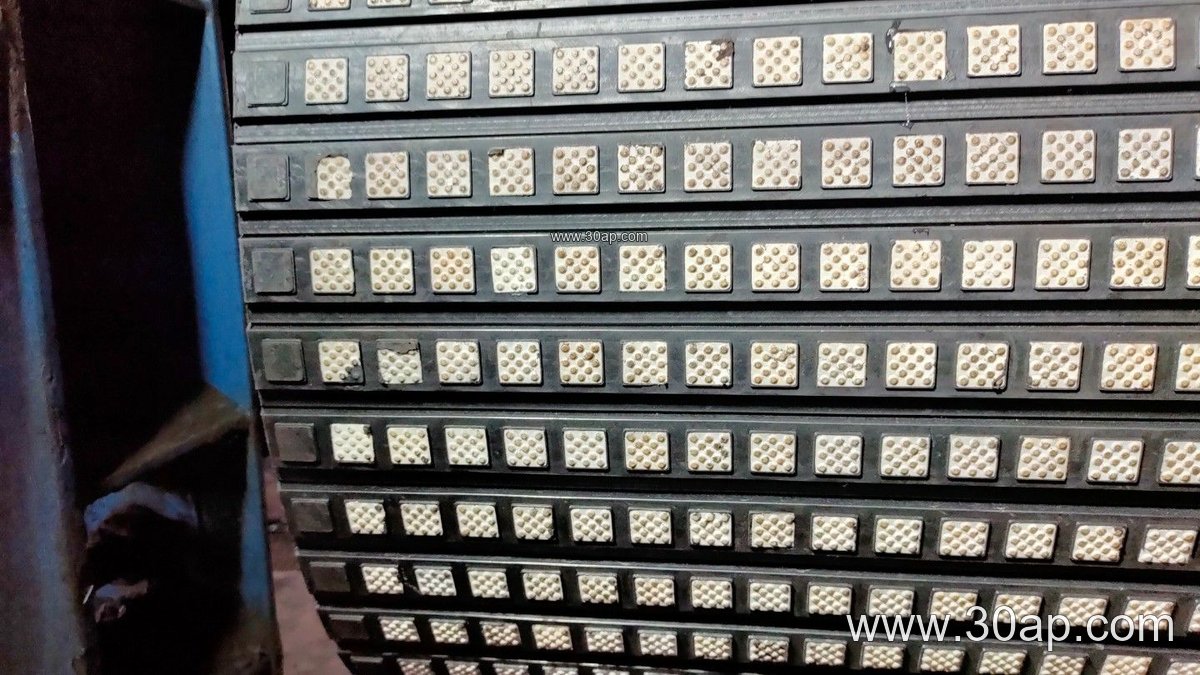
- Ceramic lagging embeds alumina tiles in a rubber matrix. The tiles bite into the belt surface and improve grip in wet or muddy conditions, such as a wash plant or a tunnel spoil line.
- Replaceable strips bolt or slide into place, allowing fast changeout on large head pulleys.
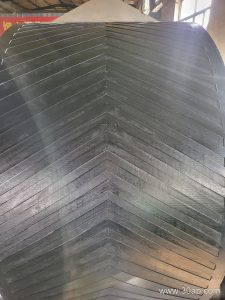
Surface patterns are chosen for the duty. Plain lagging is used where cleaning is easy and the belt is dry. Diamond or herringbone grooves channel water away and reduce slip on wet belts. Ceramic tiles are reserved for the highest torque demand. Thickness commonly ranges from 8 mm to 20 mm, and the right figure depends on belt tension, pulley diameter and expected wear life.
Matching Lagging to Pulley Position
Position on the conveyor changes the requirement. A drive pulley needs the highest friction coefficient, so diamond or ceramic covers are typical. A tail pulley sees the return side of the belt and often benefits from a plain or lightly grooved cover that does not trap material. Bend and take-up pulleys usually run with lower tension and can use thinner lagging. A snub pulley may need only a smooth cover to guide the belt.
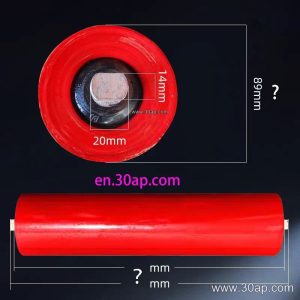
Diameter and face width follow the conveyor design, not a fixed rule. A B800 belt might run on a Ø500 drive pulley in one plant and a Ø630 drum in another, depending on wrap angle and power. Face width is normally slightly wider than the belt, for example about 950 mm for B800 or about 1400 mm for B1200. Shaft diameter is set by torque and bearing load, commonly in the Ø50 to Ø200 range, and should never be guessed from belt width alone.
Where It Is Used
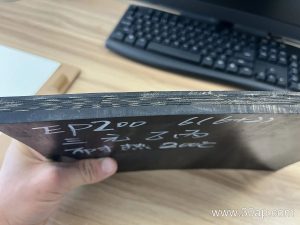
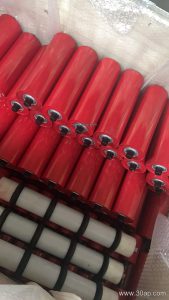
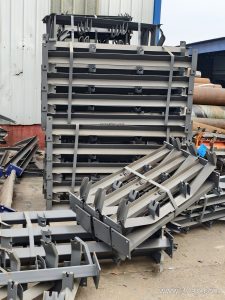
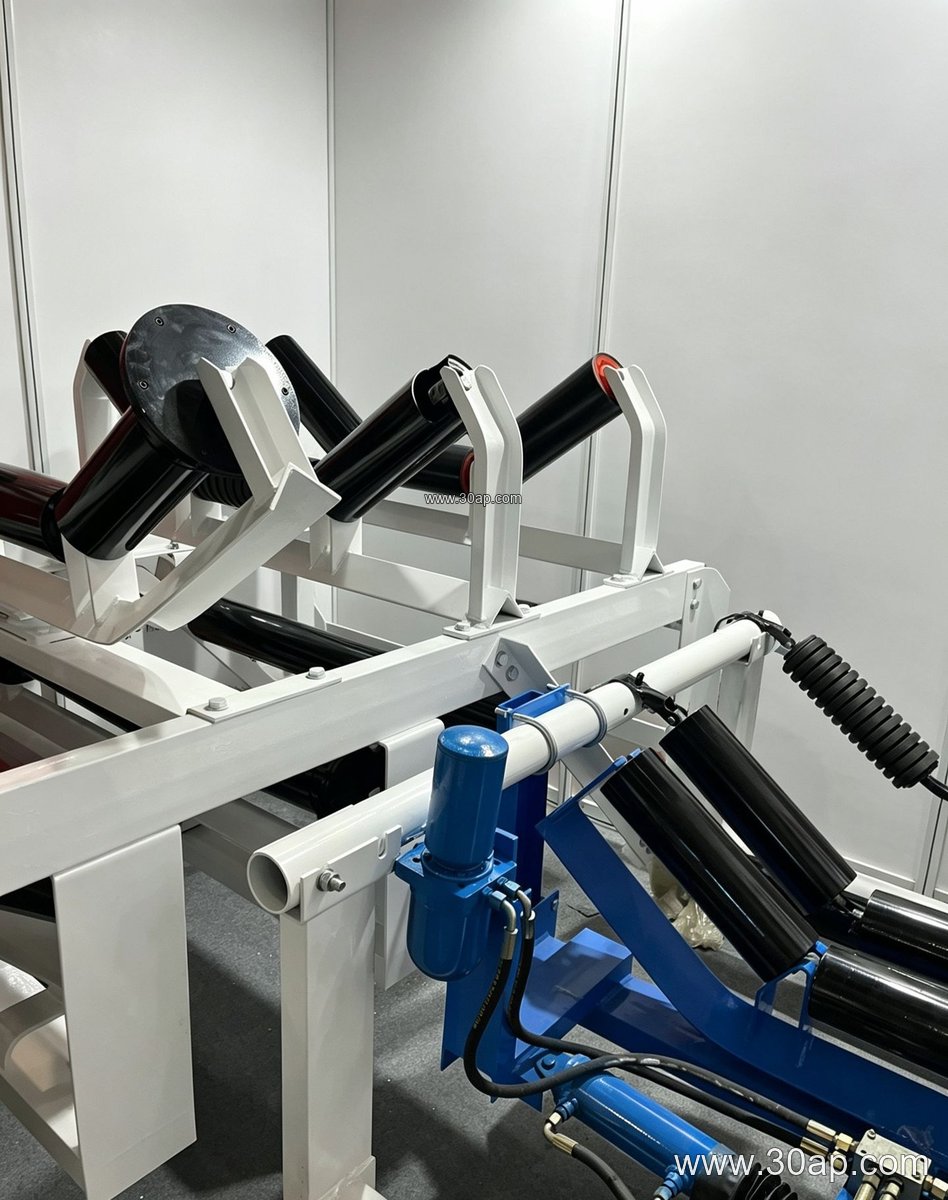
You will find lagged pulleys across bulk handling: a limestone mine feeding a crusher, a cement plant moving clinker, a power station coal yard, a port ship loader, and a sand and gravel line. The belt itself may be an EP conveyor belt, a steel cord conveyor belt, or a flame retardant conveyor belt in underground coal mining. In each case the lagging works with the conveyor belt, the idler roller frames and the conveyor bracket to keep the system aligned. A slipping drive pulley on a heavy-duty mining conveyor belt can stall the whole transfer point, so the cover is a small part with a large effect.
Buyer Checklist
- Confirm pulley role: drive, tail, bend, take-up or snub.
- State belt width, pulley diameter and face width; do not assume one belt width maps to one drum size.
- Choose surface form by condition: dry, wet, oily or abrasive.
- Specify lagging thickness and attachment method, hot vulcanized or cold bonded.
- Check shaft diameter and keyway against the actual drum drawing.
- Plan re-lagging intervals based on inspection, not on a fixed calendar.
For related components such as rubber conveyor belt, conveyor pulley and conveyor idler, keep the same duty class in mind. A lagging that suits a light aggregate line may be undersized for an underground coal mining conveyor belt. The safest approach is to match the cover to measured slip, wear and environmental conditions rather than to a catalogue default.