What the Stone Crushing Conveyor Belt Does
A stone crushing conveyor belt is the load-bearing element that links a primary crusher, screens, and stockpiles into one continuous flow. In a quarry, sand and gravel plant, or cement works, broken rock moves from the crusher discharge to the screening deck and then to the pile or loadout. The belt is often described as a crusher conveyor belt or, more generally, a quarry conveyor belt, and it is selected around the duty point, the lump size, and the material’s abrasiveness rather than around belt width alone.
Construction of the Belt
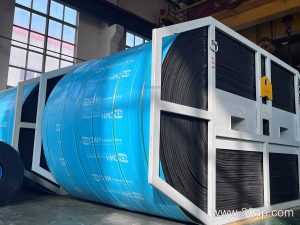
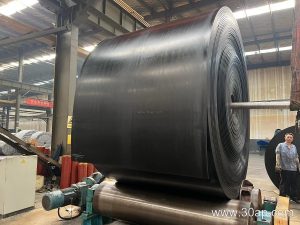
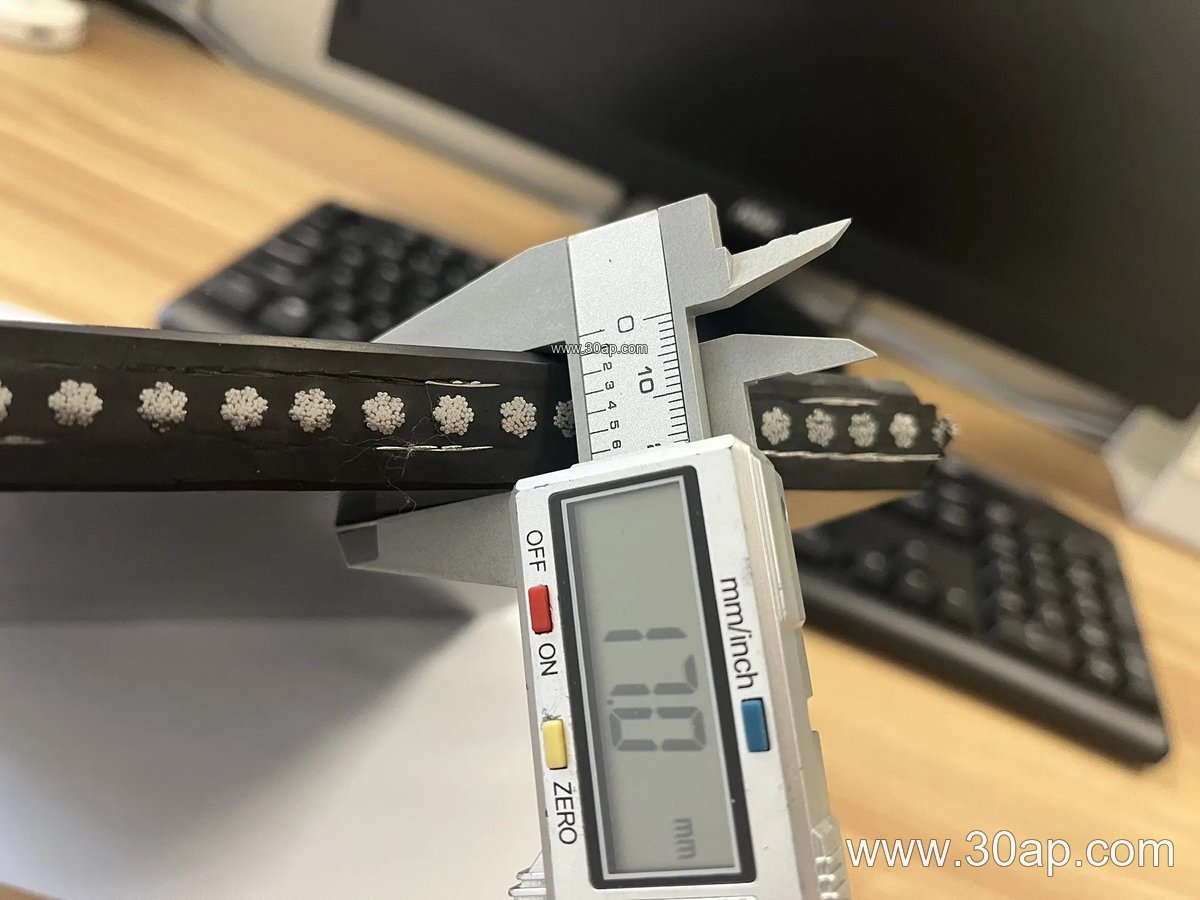
Most units in this service are fabric-core or steel-cord constructions. An EP conveyor belt uses polyester warp and nylon weft plies; an NN conveyor belt uses nylon in both directions. A steel cord conveyor belt carries high tension over long centre distances, while a multi-ply fabric core conveyor belt remains common on medium-duty crushing lines. The top cover takes the impact and abrasion, the bottom cover protects against pulley contact, and the carcass carries the tension.
Common Reference Data
Values below are typical ranges for discussion, not fixed universal specifications. Final figures come from the conveyor design.
- Belt width: B500, B650, B800, B1000, B1200, B1400, B1600, B1800, B2000
- EP strength grades: EP200, EP400, EP630, EP800, EP1000, EP1250, EP1600, EP2000
- Cover thickness: 3+1.5, 4+2, 5+2, 6+2, 8+3 mm
- Carcass plies: usually 2 to 6 layers
For example, an EP1000 belt at B1200 may suit a secondary crushing discharge, while an EP1250 at B1800 is more likely on a high-tonnage primary line. A 1200mm wide belt and a 1500mm wide belt can both be built on the same carcass grade; width and strength are chosen independently.
Cover Compounds and Special Duties
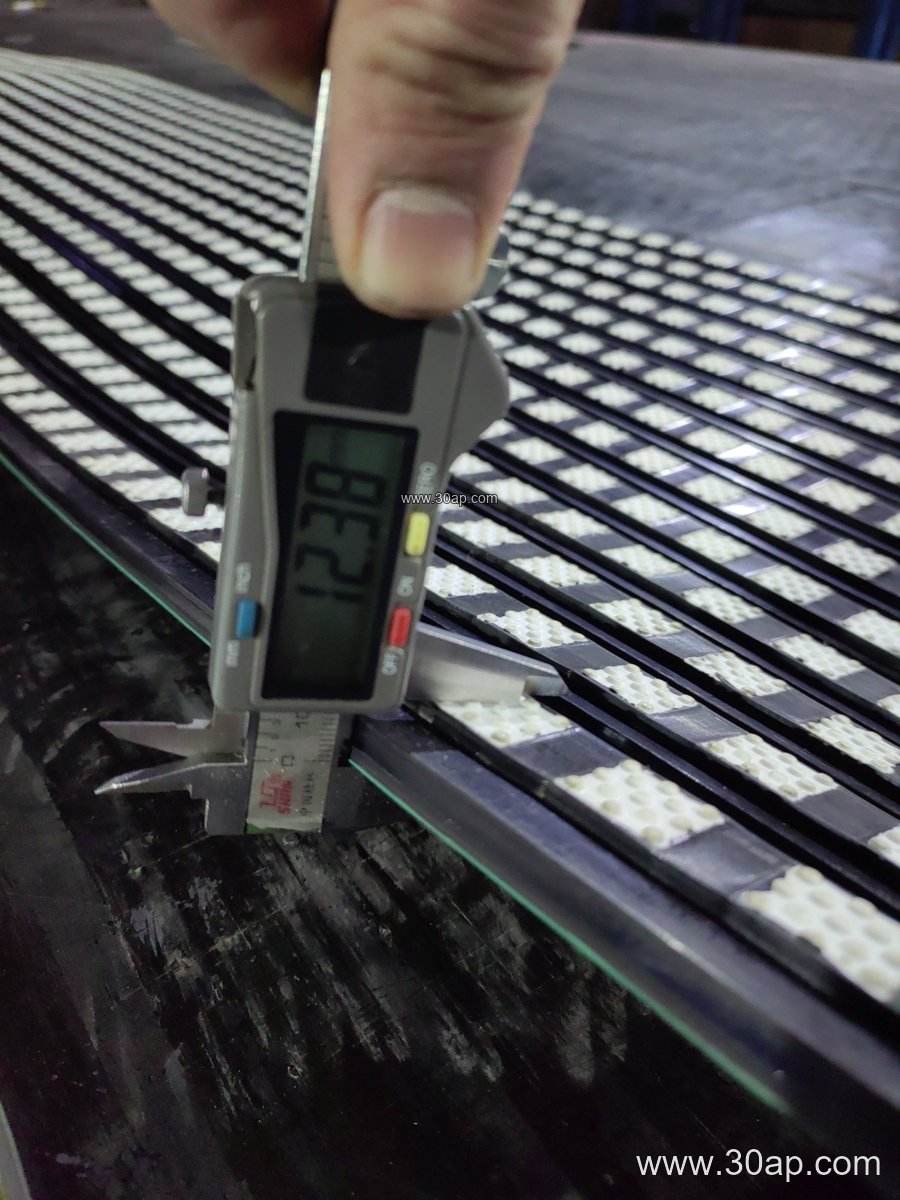
Crushed stone is abrasive and often sharp-edged, so an abrasion resistant conveyor belt or high abrasion resistant conveyor belt is the usual starting point. Where dust and fine particles are present, an anti-static conveyor belt helps control charge build-up. In cement plants and power plants handling hot clinker or ash, a heat resistant conveyor belt is required; in coal mining and underground coal mining, a flame retardant conveyor belt or fire resistant conveyor belt is specified. Cold climates call for a cold resistant conveyor belt, and oil-contaminated stone or recycled material may need an oil resistant conveyor belt.
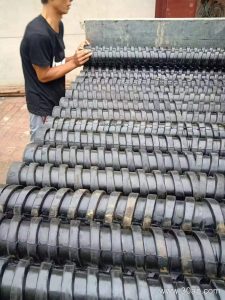
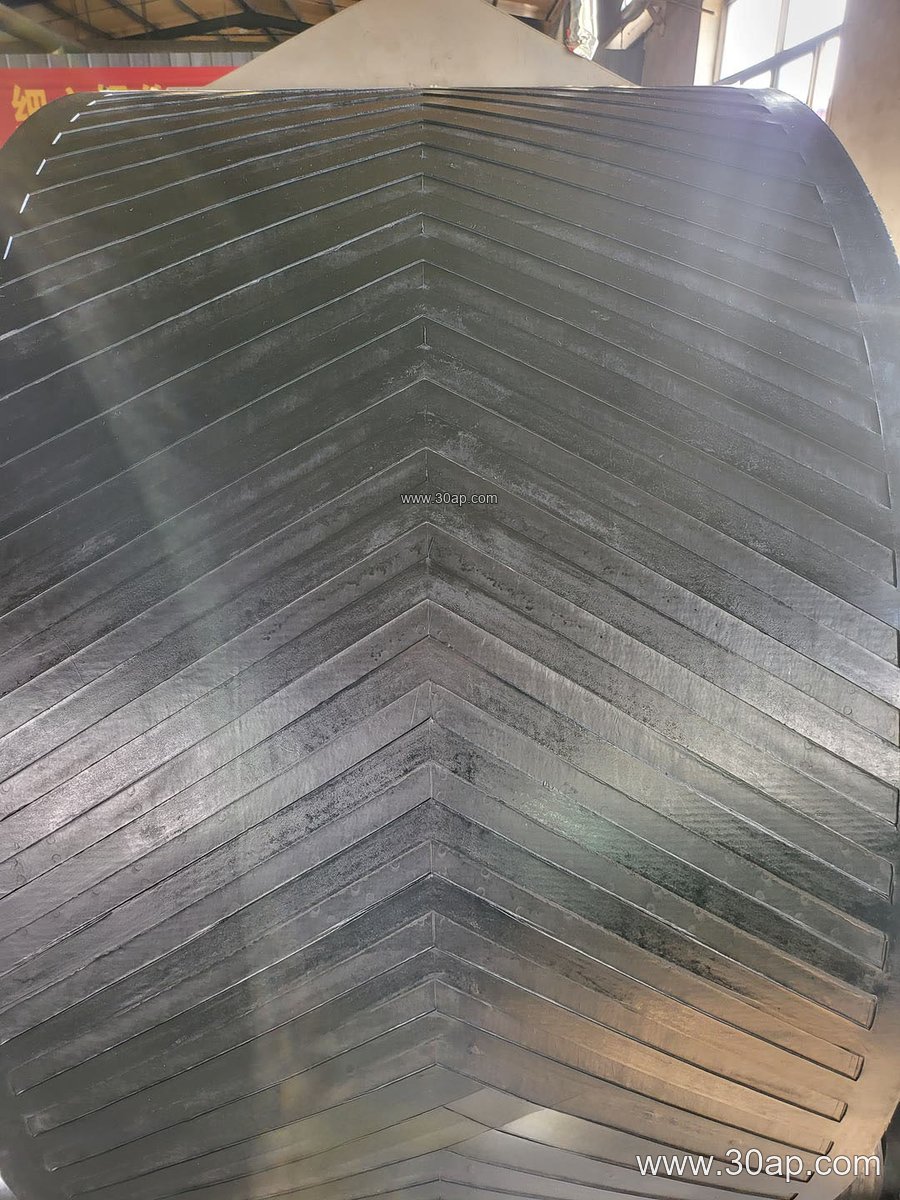
Steep inclines in a crushing circuit may use a chevron conveyor belt, while a skirted conveyor belt or corrugated sidewall conveyor belt contains material on a steep transfer. A pipe conveyor belt is sometimes chosen for enclosed routing through a plant.
Where It Is Used
Typical installations include:
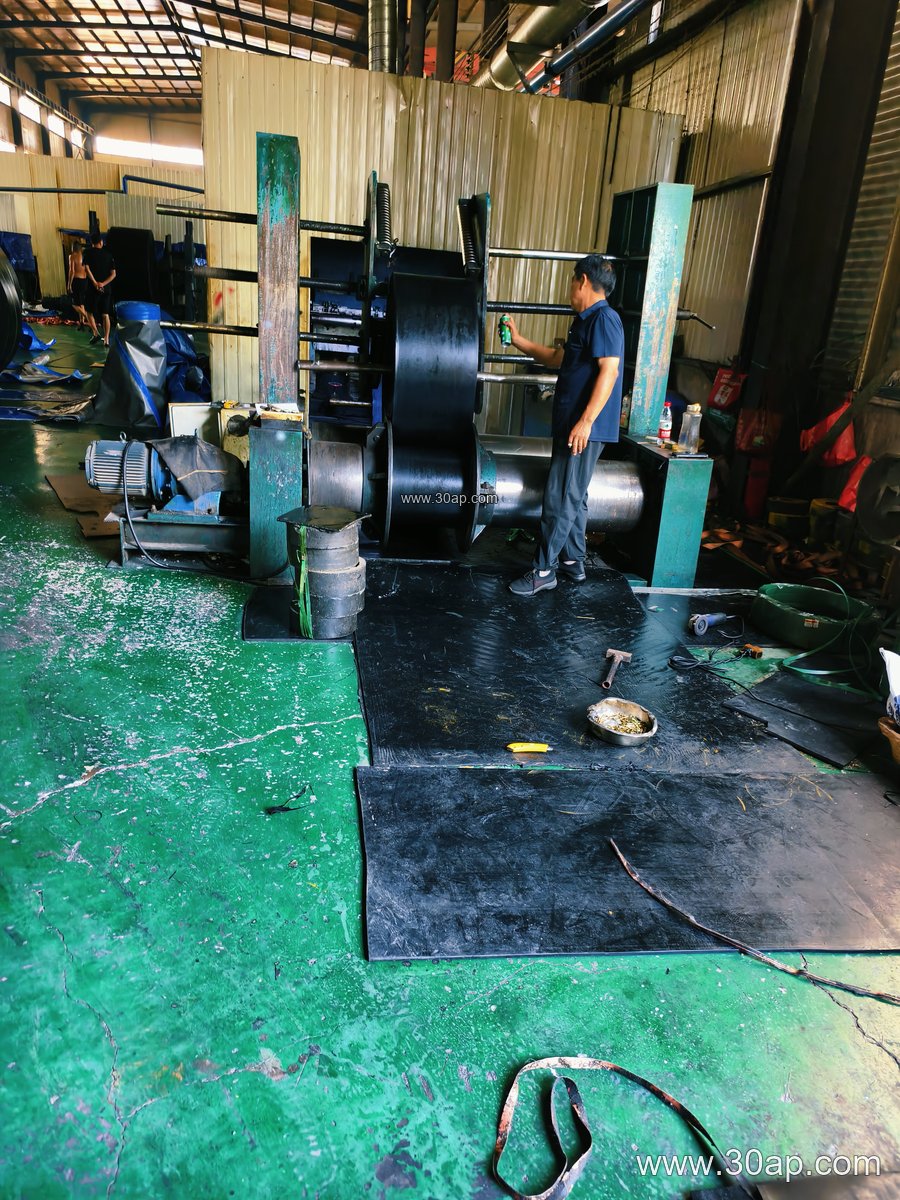
- Quarry and aggregate conveyor belt lines feeding screens and stockpiles
- Crusher conveyor belt sections between jaw, cone, and impact crushers
- Mining conveyor belt systems in iron ore, copper ore, and gold mining operations
- Cement plant and power plant bulk material conveyor belt routes
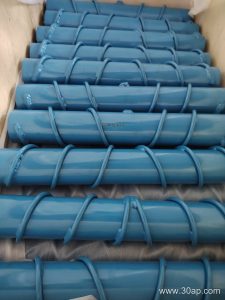
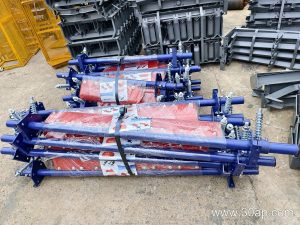
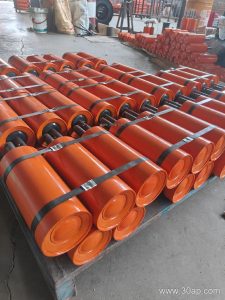
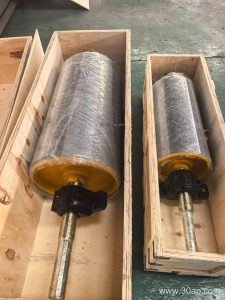
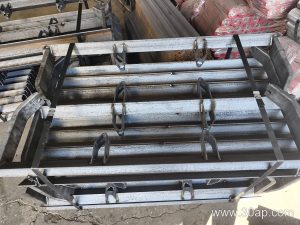
The same belt passes over conveyor pulleys, runs on idler rollers, and is held by conveyor brackets. Drive, tail, and bend pulleys each play a different role, and belt tracking depends on their alignment as much as on the belt itself.
Selection Points for Buyers
Start with the maximum lump size and drop height, because impact energy drives cover thickness and carcass choice. Then confirm the required tension rating, the centre distance, and the trough angle. A heavy-duty mining conveyor belt or heavy-duty conveyor belt grade should be matched to the actual load, not chosen by habit. Confirm cover grade against moisture, temperature, and oil exposure. Check that the splice method suits the selected construction, and ask for the belt’s recommended minimum pulley diameter rather than assuming a fixed relationship between width and pulley size.
Finally, review the maintenance plan. Idler roller condition, pulley lagging, and belt cleaner settings affect belt life more than most operators expect.
Maintenance Notes
Inspect the belt surface at the crusher discharge weekly for cuts and embedded rock. Keep conveyor pulleys clean and check lagging wear. Align idler rollers to prevent edge damage, and verify that conveyor brackets remain secure after vibration. Record cover wear so replacement is planned before the carcass is exposed.