What a Chevron Conveyor Belt Is
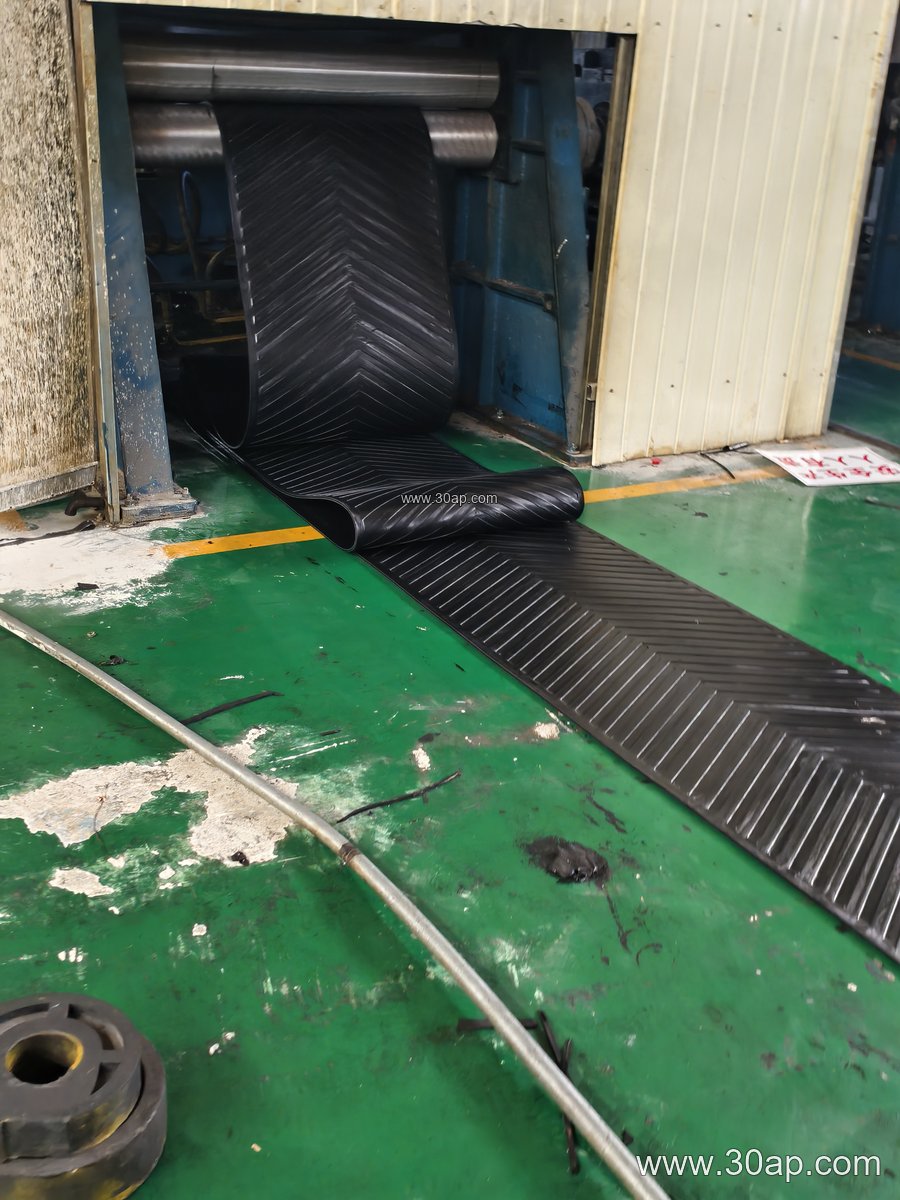
A chevron conveyor belt is a rubber conveyor belt with raised cleats molded or vulcanized onto the carrying cover in a V or herringbone pattern. The pattern is the defining feature, and it is also known as a patterned conveyor belt or profile belt in some workshops. The cleats lift the bulk material away from the smooth cover and give it a grip on inclines where a plain belt would let the load slide back. This makes the belt a practical choice for steep conveying runs in mines, cement plants, power stations, quarries, and sand and gravel yards.
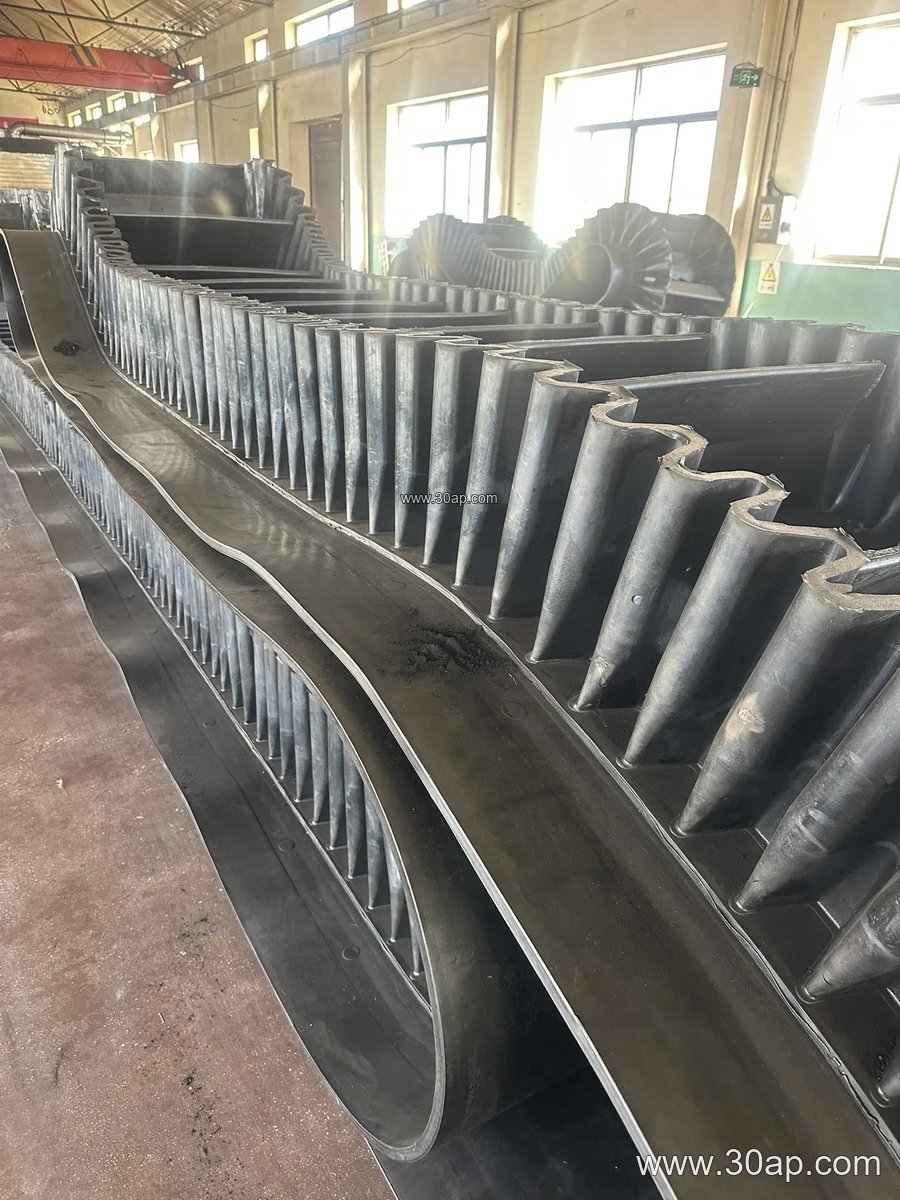
The product is not a substitute for a drive pulley, tail pulley, or bend pulley; those are separate conveyor components. Nor is it the same as a corrugated sidewall belt or a skirted conveyor belt, which use sidewalls and skirts to contain material. The chevron belt relies on its raised pattern, often combined with a fabric or steel cord carcass, to do the work.
How the Belt Is Built
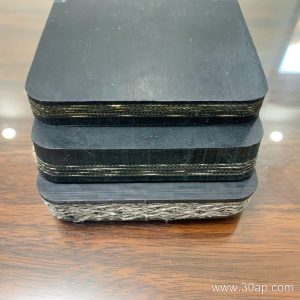
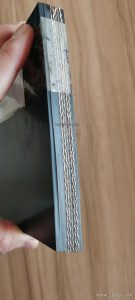
Most chevron belts start with a fabric core, and the EP Conveyor Belt and NN Conveyor Belt constructions are common bases. The carcass carries the tension, while the top cover carries the pattern and the bottom cover runs on the return idlers. A rubber cover is standard, and the pattern height, pitch, and angle are set during vulcanization so the cleats stay bonded to the cover.
Typical construction choices include:
- Fabric core with 2 to 6 plies, depending on load and incline
- Steel cord carcass for long, high-tension runs
- Cover grades such as abrasion resistant, heat resistant, oil resistant, flame retardant, and anti-static
- Cover thickness commonly in combinations such as 3+1.5 mm, 4+2 mm, 5+2 mm, 6+2 mm, or 8+3 mm
Widths are usually selected to match the conveyor frame and the loading point. Common reference widths include B500, B650, B800, B1000, B1200, B1400, B1600, B1800, and B2000, but the final choice depends on the conveyor design. A belt width does not fix a pulley diameter, and shaft sizes are determined from the conveyor layout, not from the belt alone.
Where the Pattern Helps
Inclined conveying is the main job. A chevron belt is often used on hopper feeds, crusher discharge lines, stockpile conveyors, and ship loading or port systems. In coal mining and underground mining, flame retardant and anti-static grades are frequently requested for safety reasons. In cement plants and power plants, heat resistant or abrasion resistant covers may be needed where material is warm or sharp. In sand and gravel operations, a heavy-duty patterned belt can handle wet, loose aggregate on a slope.
Patterned belts also appear in recycling lines and construction sites where space is tight and the conveyor angle is steeper than a smooth belt allows. The chevron pattern is particularly useful for bulk material conveyor belt systems that move grain, fertilizer, crushed stone, or ore up an incline.
Selection Points for Buyers
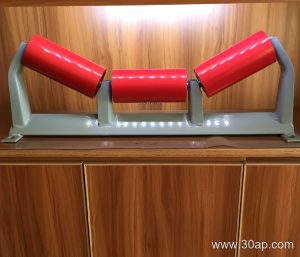
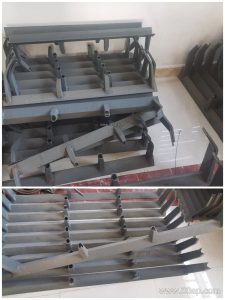
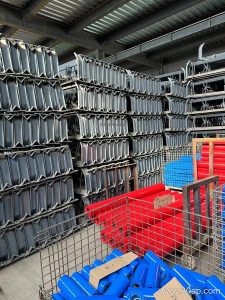
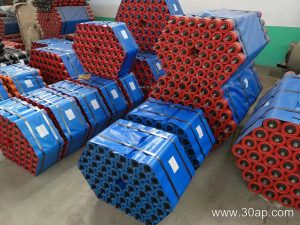
Buyers should match the belt to the conveyor, not the other way around. The key questions are the incline angle, the material size and moisture, the tonnage, the pulley diameters, the troughing idler roller arrangement, and the available take-up. A belt with a high chevron pattern may not suit small pulleys or tight bends, so the pattern height and pitch should be checked against the conveyor profile. The carcass strength should be chosen from the calculated tension, and common EP grades such as EP200, EP400, EP630, EP1000, and EP1250 are often used as reference points.
For abrasive rock, an abrasion resistant cover helps; for hot clinker or ash, a heat resistant grade is more suitable; for oily materials, an oil resistant cover is preferred. In coal mining and underground coal mining, flame retardant and anti-static properties are usually required. A cold resistant belt may be needed in freezing climates, and a food grade belt only where the application demands it.
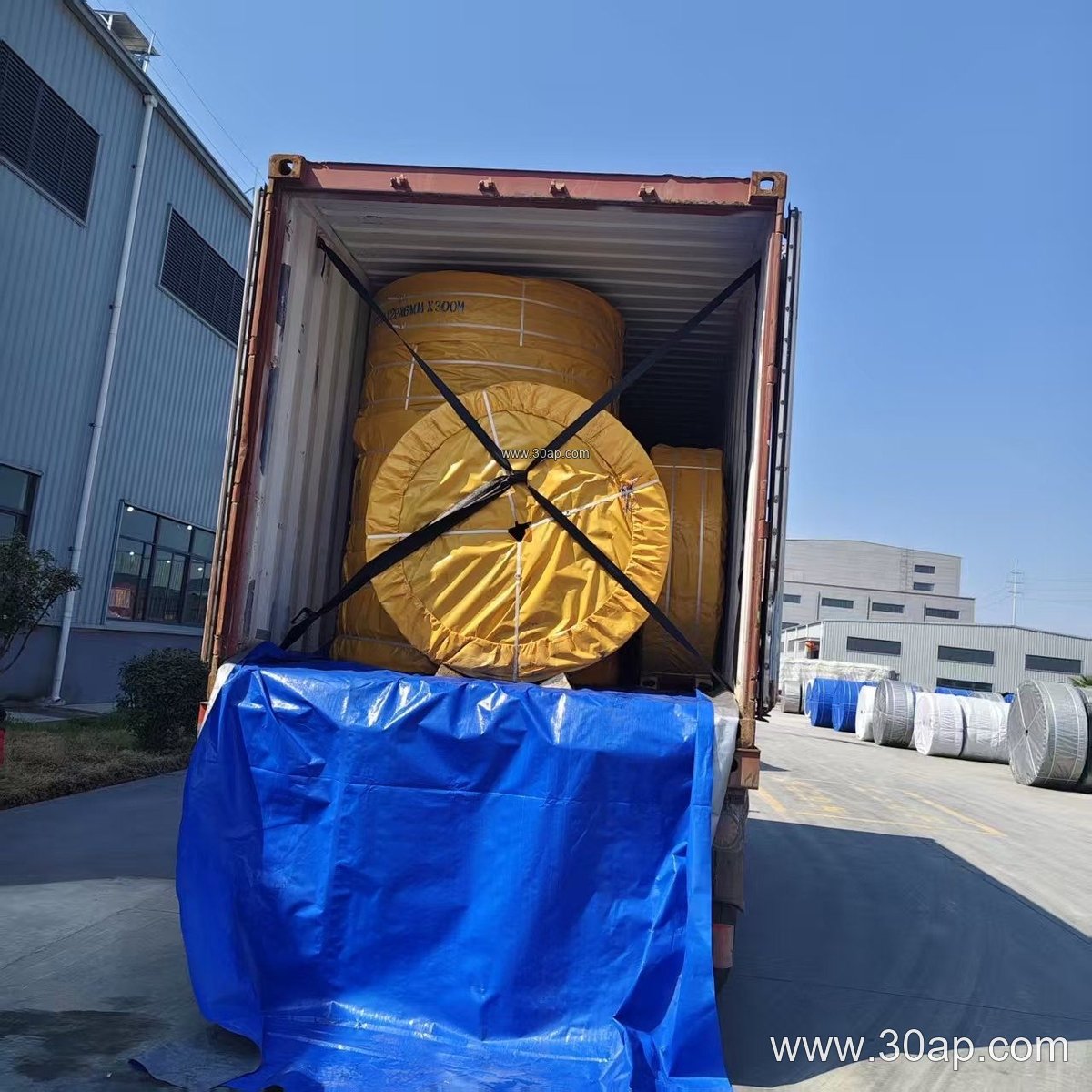
Installation matters as much as the specification. The belt should be tracked carefully, the conveyor pulley and idler roller alignment should be checked, and the conveyor bracket and frame should be square. Chevron belts are often supplied as endless conveyor belt or with open ends for field splicing, depending on the conveyor and the maintenance plan.
Maintenance and Handling
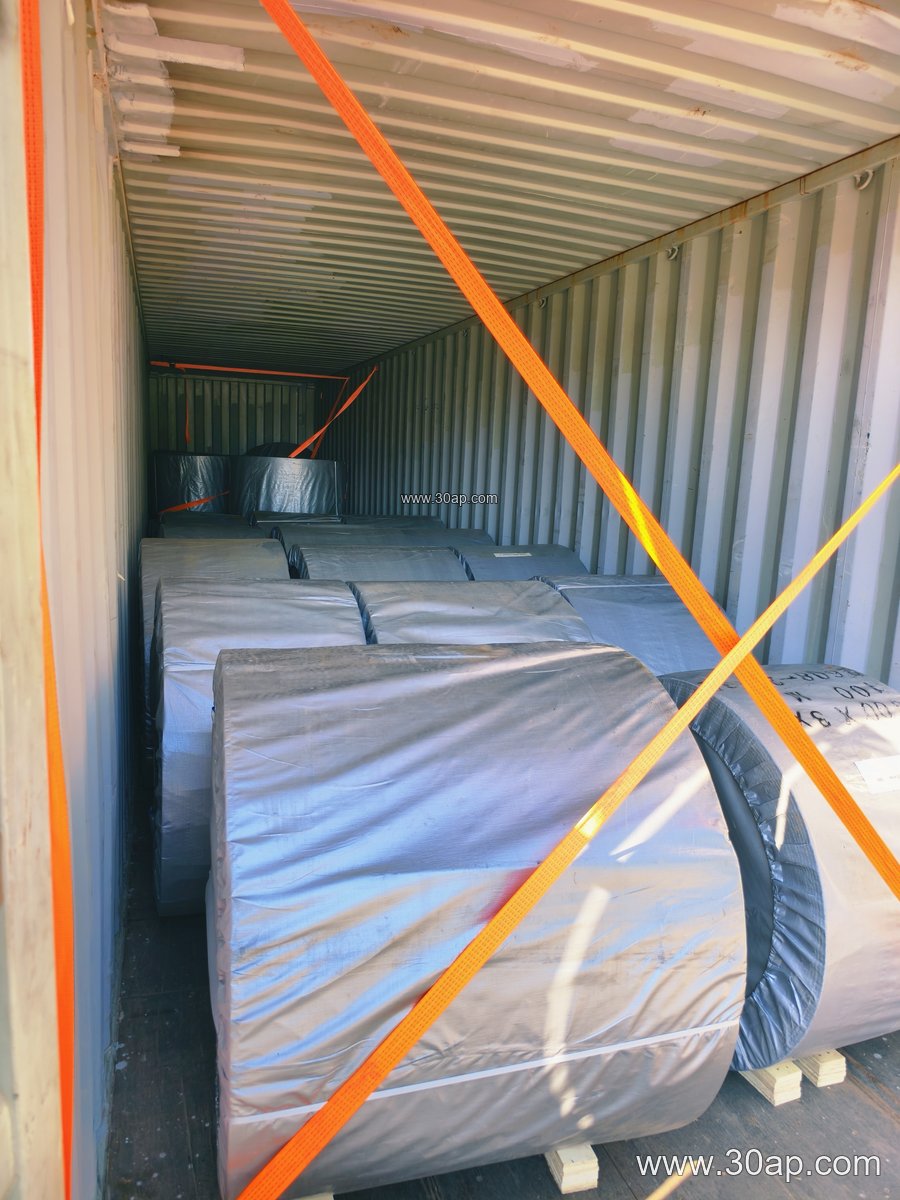
Inspect the pattern regularly for worn or torn cleats, especially at the loading point and on the incline. Worn chevrons reduce grip and can cause material rollback. Keep the return side clean, check the idler roller for seized bearings, and confirm that the conveyor pulley lagging is in good condition. Store belts flat and away from heat, and avoid sharp bends that can crack the pattern. For more product details, visit www.beltsfactory.com and search for chevron conveyor belt, rubber conveyor belt, and EP conveyor belt.