What a Recycling Conveyor Belt Does
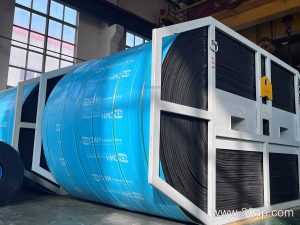
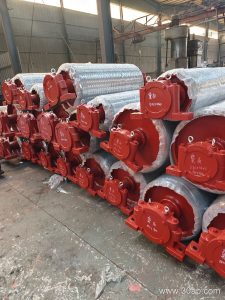
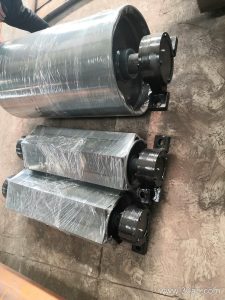
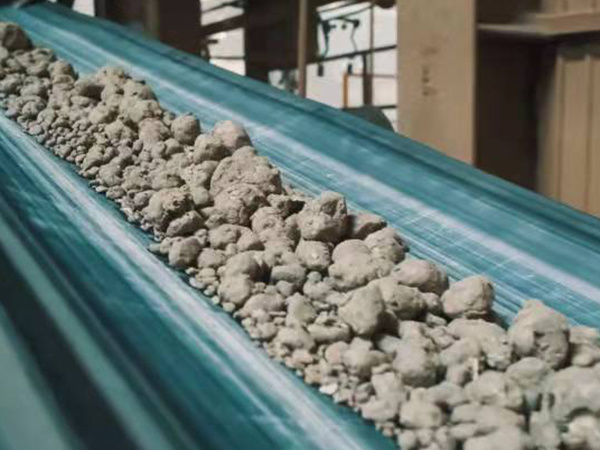
A recycling conveyor belt is the working surface of a sorting or transfer line. It carries mixed recyclables, shredded material, compost, glass cullet, or baled fiber from one process point to the next. Because the load is often abrasive, irregular, and sometimes wet, the belt has to combine tensile strength with a cover compound that resists cutting and wear. In a typical recycling plant, the belt runs on a frame fitted with idler rollers, a drive pulley at the head, a tail pulley for tension, and bend pulleys that guide the path around transitions.
The same product is also described as a conveyor belt for recycling lines or a recycling duty conveyor belt. These are equivalent names for the same item; the drive, tail, and bend pulleys remain distinct components and are not interchangeable with each other.
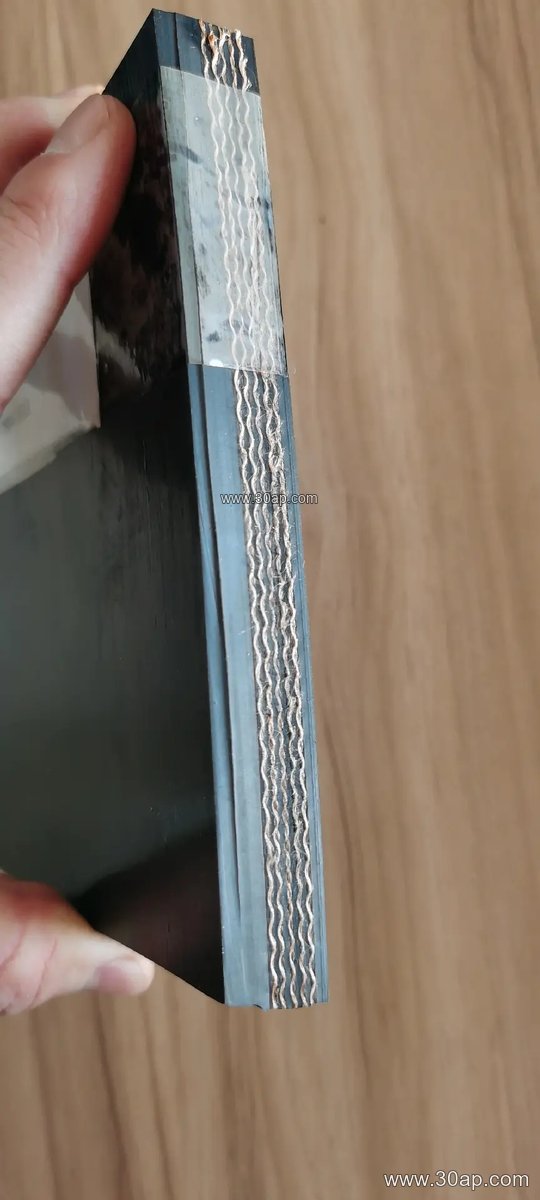
Construction and Common Specifications
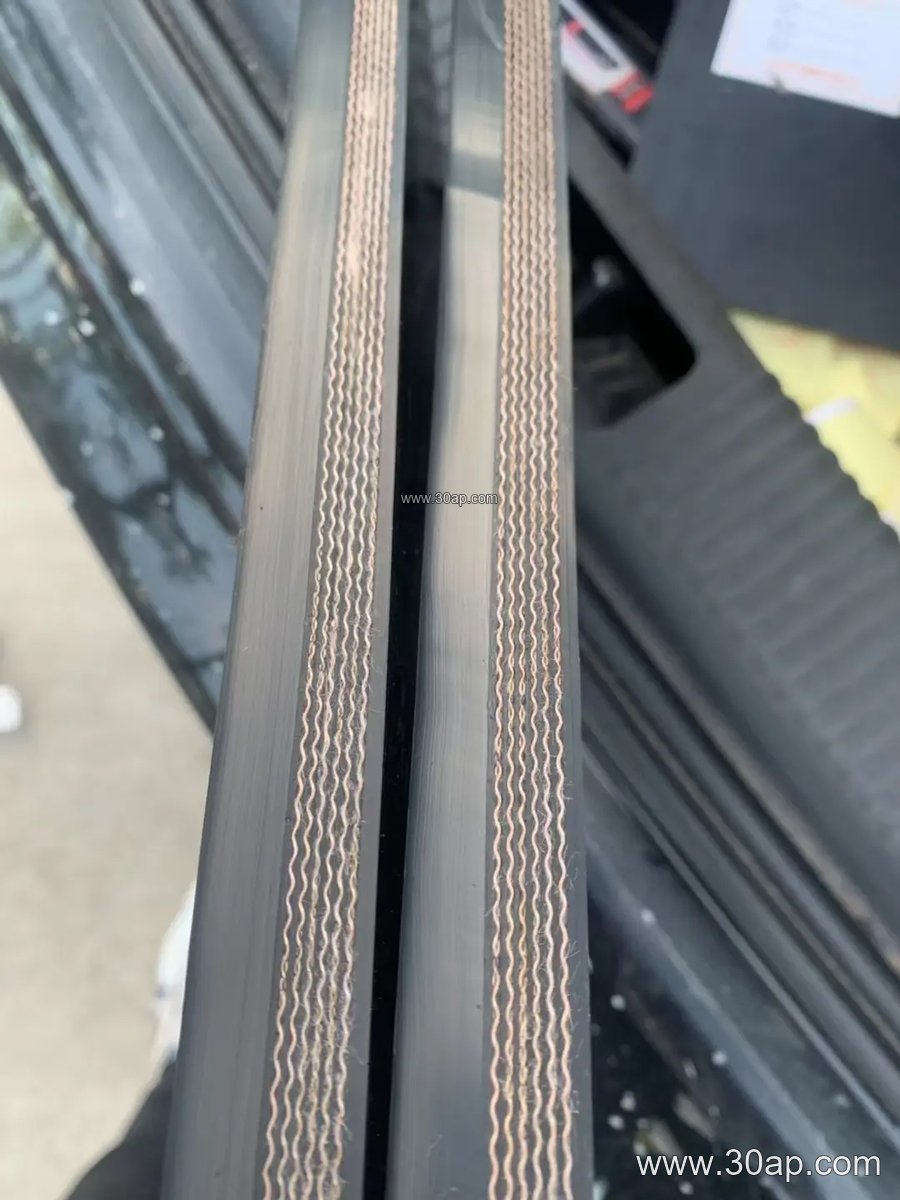
Most recycling belts use a fabric carcass, either EP (polyester-cotton) or NN (nylon-nylon), with rubber covers on both sides. Heavier duty lines may use a steel cord carcass where long centers and high tension demand it. Cover thickness is usually stated as top plus bottom, for example 4+2 mm or 6+2 mm, and the carcass may have 2 to 6 plies depending on the duty.
The table below shows reference data only. Actual values are set by the conveyor design, and different manufacturers offer different ranges.
- Belt types: EP, NN, steel cord, PVC, PVG, plus wear-resistant, heat-resistant, oil-resistant, flame-retardant, antistatic, cold-resistant, and acid-alkali resistant variants
- Strength grades: EP200, EP315, EP400, EP500, EP630, EP800, EP1000, EP1250, EP1600, EP2000
- Belt widths: B500, B650, B800, B1000, B1200, B1400, B1600, B1800, B2000
- Cover combinations: 3+1.5, 4+2, 5+2, 6+2, 8+3 mm
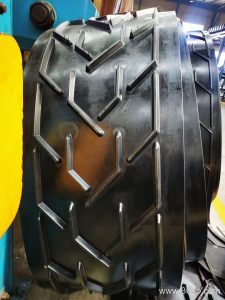
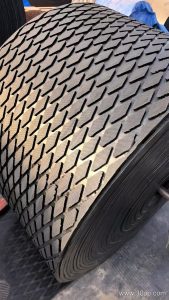
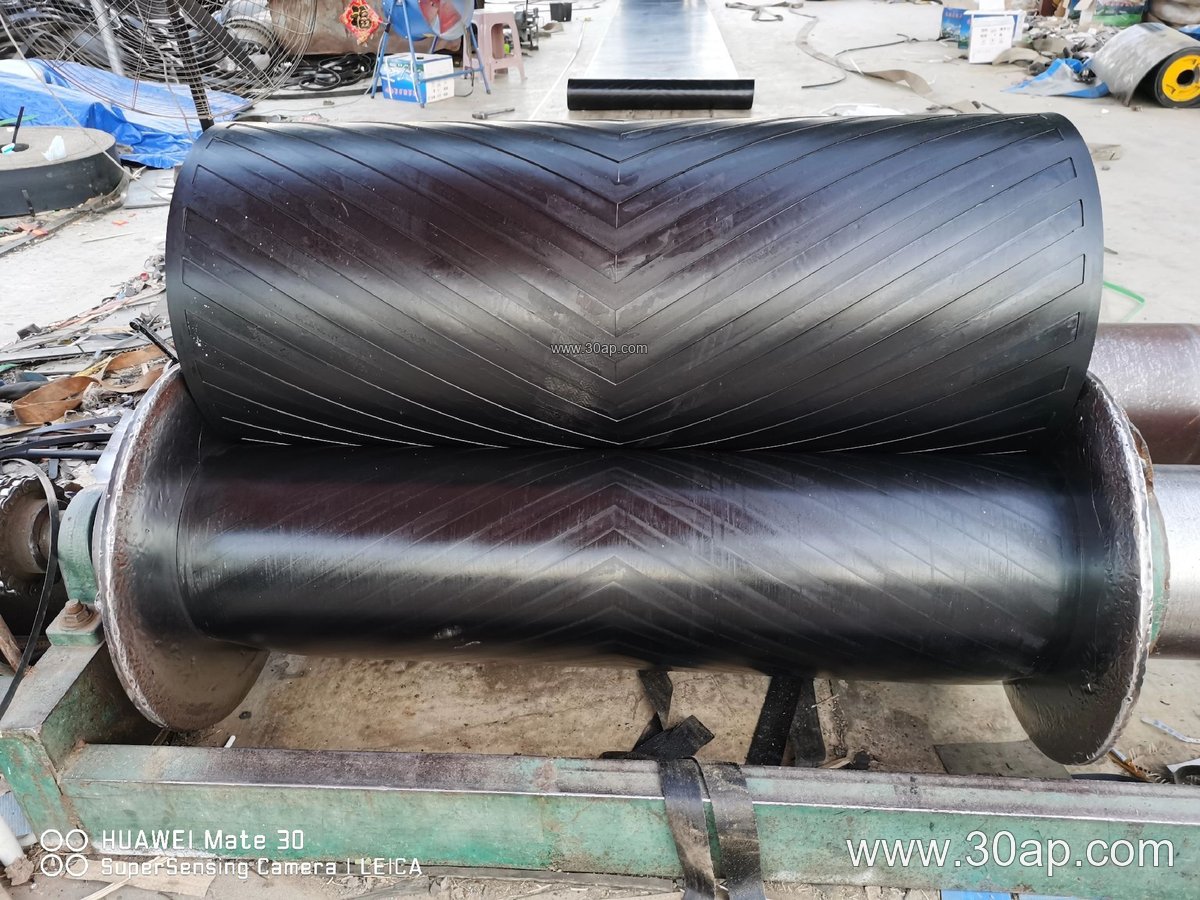
- Surface forms: smooth, patterned, chevron, and corrugated sidewall
These figures are common reference points, not verified universal specifications. A narrow belt does not dictate one pulley diameter, and belt width alone does not fix shaft size; those choices come from the full conveyor calculation.
Where Recycling Belts Are Used
Recycling conveyor belts appear across many industries that handle bulk material. In mining and coal preparation, they move crushed ore and washed coal toward screening. Cement plants use them for clinker and raw meal transfer. Power plants rely on them for fuel and ash handling. Sand and gravel yards, compost facilities, and municipal sorting halls use them for picking lines and residue transfer.
The working environment shapes the specification. Outdoor yards in cold regions call for a cold-resistant cover. Lines processing oily scrap may need an oil-resistant compound. Sorting rooms with dust and static risk often specify an antistatic or flame-retardant belt. Inclined sections benefit from a chevron or patterned surface to hold material, while steep, confined layouts may use a corrugated sidewall belt.
Buyer Checklist
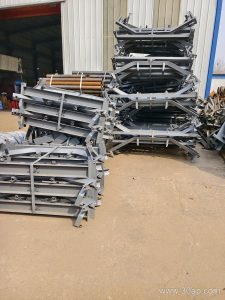
Before ordering, confirm the material being carried, its lump size, moisture, and temperature. Check the center distance, incline angle, and throughput so the strength grade and width can be matched to the duty. Ask how the belt will be spliced, since vulcanized and mechanical joints suit different tensions. Confirm the pulley and idler roller arrangement, because a belt that is misaligned with its conveyor pulley wears unevenly. Also check that the conveyor bracket and frame are rigid enough to keep the belt tracking straight.
For maintenance, keep the tail pulley clean, inspect idler rollers for seized bearings, and watch the belt edges for fraying. A spare length stored correctly reduces downtime when a replacement is needed.