When a Standard Bracket Will Not Fit
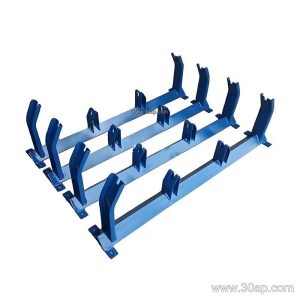
A Non-Standard Conveyor Bracket is a support component made to match a belt conveyor layout that does not follow catalog dimensions. Instead of forcing a stock bracket onto an existing frame, the bracket is designed around the actual belt width, trough angle, roller diameter and mounting hole pattern of the line. This matters in quarry, crushing and screening circuits, cement plants, power plant coal handling, and port bulk terminals, where conveyors are often modified, extended or rebuilt around existing steelwork.
The bracket works together with the conveyor belt, idler roller and conveyor pulley to keep the belt tracking correctly and the load stable. A poorly matched bracket can cause roller misalignment, edge wear and spillage, so getting the detail right is more than a cosmetic issue.
How the Bracket Is Built
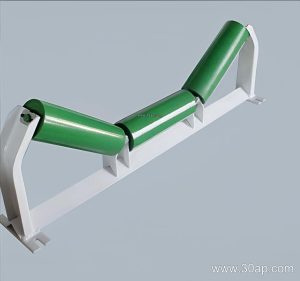
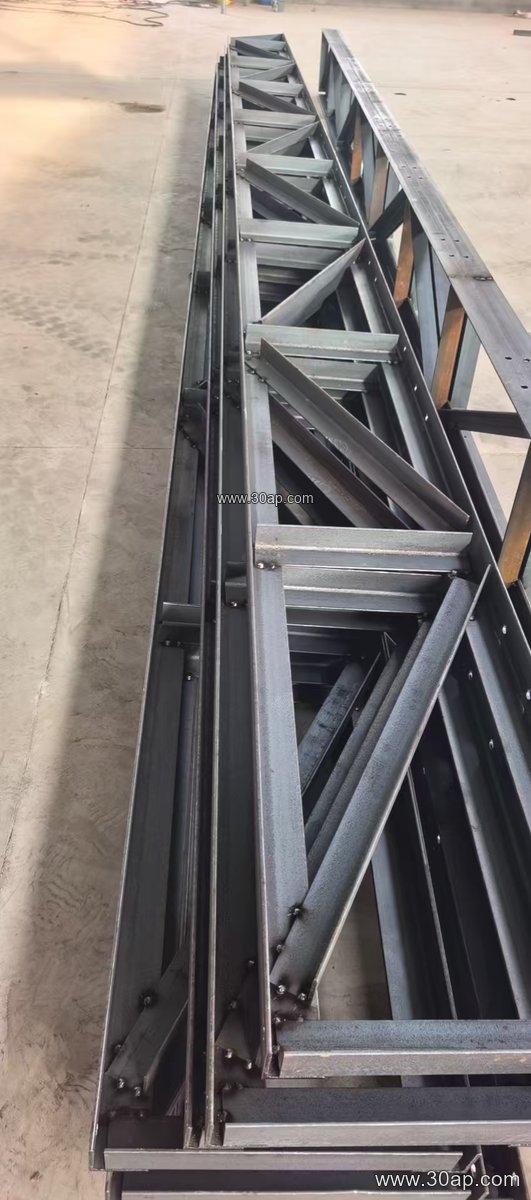
Most units are fabricated from angle steel, channel steel or folded steel plate, then drilled or punched to suit the roller shaft and frame. Because the bracket is non-standard, the hole spacing, crossbeam length and roller cradle position are usually confirmed against a drawing or site measurement rather than taken from a fixed table. Typical references used during design include:
- Belt width, such as B500, B800, B1200 or B1600
- Trough angle, commonly 20, 30, 35 or 45 degrees
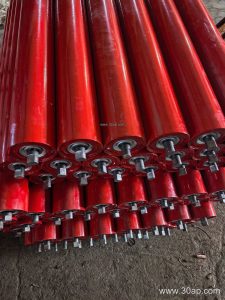
- Roller diameter, for example Ø89, Ø108, Ø133 or Ø159
These values are starting points, not fixed pairings. A B1200 line may run at 35 degrees with Ø133 rollers in one plant and a different combination elsewhere. Installation hole distance and beam length change with belt width and trough angle, so they should always be confirmed by design.
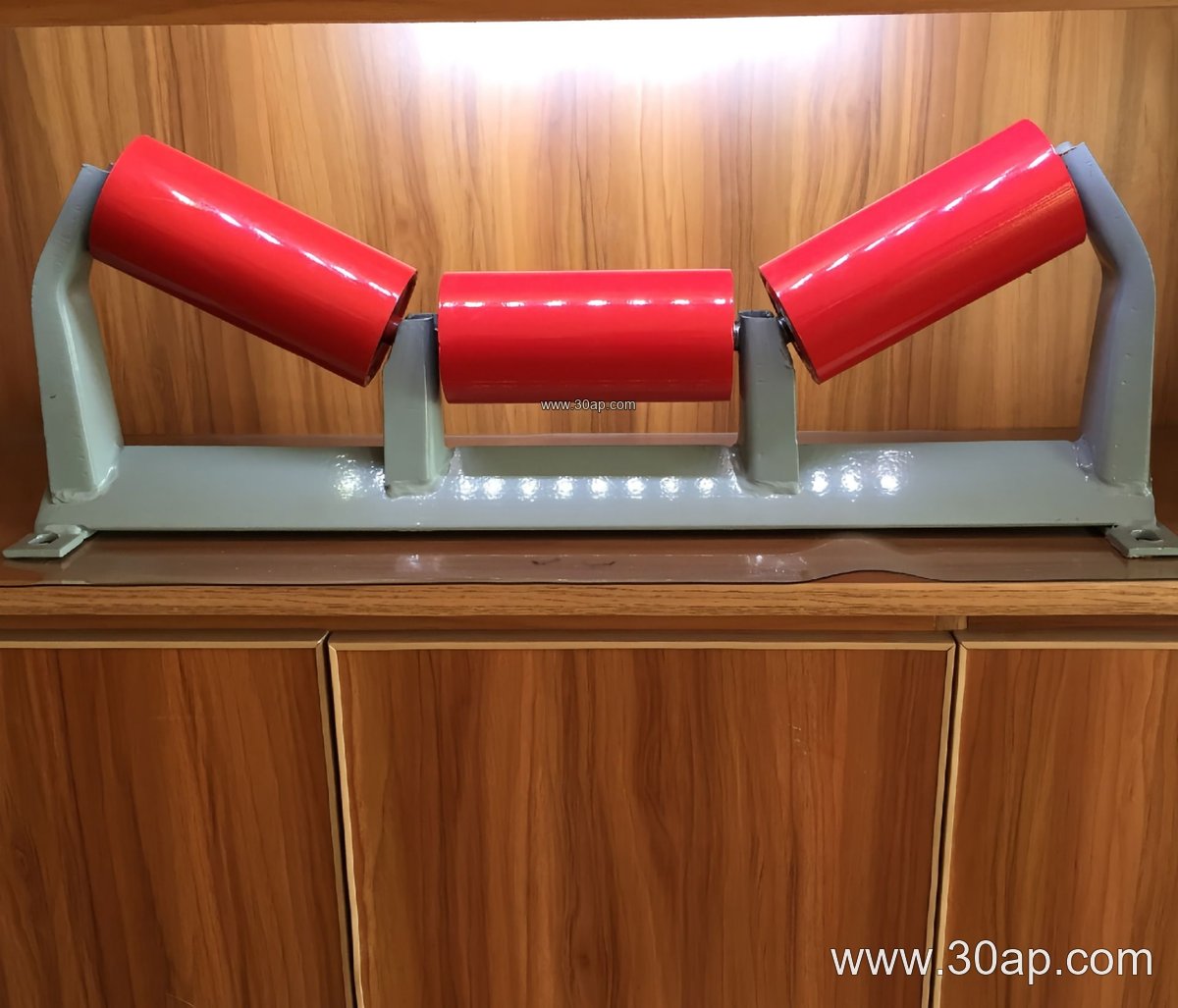
Common Bracket Forms
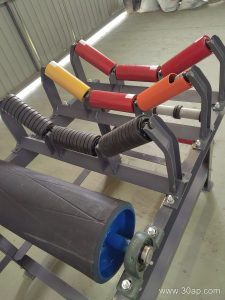
The non-standard approach applies across several support styles. Trough brackets carry the upper idlers, while return brackets support the belt on the way back. Transition brackets sit near pulleys to guide the belt from flat to troughed, and impact brackets are used under loading points where a heavy-duty conveyor belt takes direct material fall. Adjustable brackets allow the trough angle to be set within a range, which is useful when a line handles different materials or when fine tracking adjustment is needed.
Materials and Surface Treatment
Fabricated steel is the usual choice, with welded or bolted assemblies depending on access and replacement strategy. Paint or galvanized finishes are common where corrosion is a concern, such as port conveyors or fertilizer handling. In dusty coal mining conveyor lines, brackets should be easy to clean and should not trap fines around the roller seats.
Where Non-Standard Brackets Are Used
Two settings show the value clearly. In a limestone quarry or aggregate conveyor line, frames are often built on site and belt widths may not match standard modules, so custom brackets keep the idler roller set at the right height and angle. In a cement plant or power plant coal yard, replacement brackets may need to fit older steelwork where original drawings are missing, making measurement-based fabrication the practical route.
Other industries face the same problem. Iron ore and copper ore handling, sintering plants, batching stations, tunnel spoil removal and grain silos all use conveyors where a non-standard support can solve a fit or alignment issue. The bracket is a small part, but it influences how the conveyor belt runs and how long rollers last.
What Buyers Should Check
Before ordering, confirm the belt width, trough angle and roller diameter, and provide a sketch or measured hole pattern if possible. State whether the bracket is for the carrying side or return side, and whether adjustment is needed. Mention the environment if the line uses a heat resistant conveyor belt, oil resistant conveyor belt or flame retardant conveyor belt, since nearby conditions can affect coating choice.
Ask how the bracket interfaces with the conveyor pulley and frame, and whether shims or slotted holes are included. For high-abrasion duty such as an abrasion resistant conveyor belt under a crusher, a heavier section may be worth considering. Buyers should also check that the bracket does not restrict roller removal, because maintenance access matters in continuous operations.
Fit, Tracking and Maintenance
A non-standard bracket should be checked for squareness and level during installation. Small errors at the bracket translate into belt drift further along the line. During routine inspection, look for loose bolts, worn roller seats and material build-up. Replacing a worn bracket with a properly matched one is often cheaper than repeated roller failures or edge damage on an EP conveyor belt or steel cord conveyor belt.
For more on matching supports with rollers and belts, see cbconveyorbelt.com and conveyorbeltparts.com. A well-made Non-Standard Conveyor Bracket keeps the belt path true and the whole conveyor more reliable.