What a Bend Rubber Lagged Pulley Does
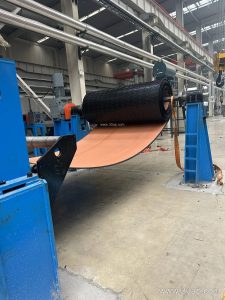
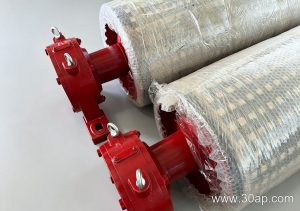
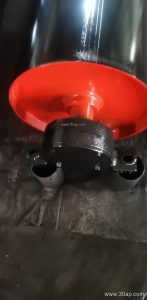
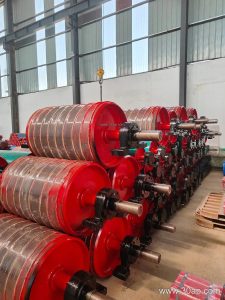
A bend rubber lagged pulley is a direction-changing conveyor pulley whose shell carries a rubber cover. It sits at a bend point in the belt path, guiding the conveyor belt around a corner or redirecting it between structural levels. Because the belt wraps the pulley under tension, the rubber lagging is there to protect the shell and to keep reliable contact between belt and pulley surface.
This component is a specific subtype of conveyor pulley. It is not a drive pulley and not a tail pulley; those positions carry different duties. A drive pulley transmits torque from the gearbox to the belt, while a tail pulley returns the belt at the loading end. The bend pulley mainly changes belt direction, and its rubber cover is selected for grip, wear protection and belt support rather than for power transmission.
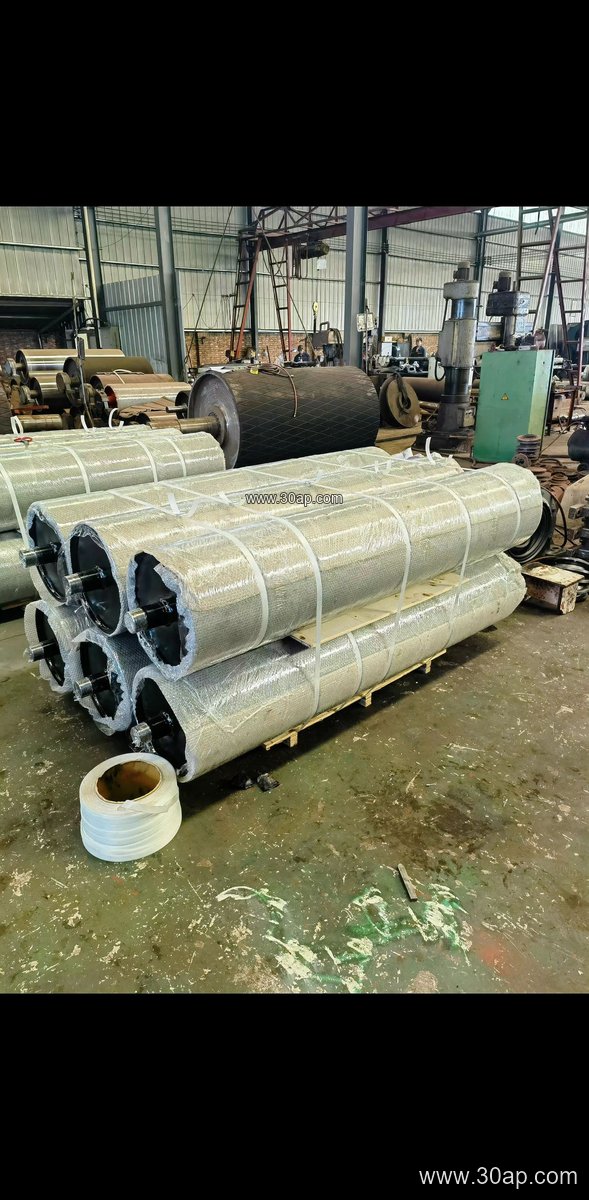
Construction and Surface Options
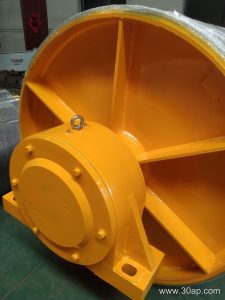
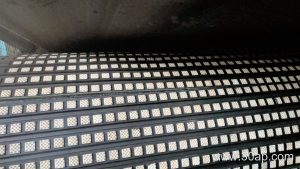
The body is usually a welded steel shell with shaft, hubs and bearing housings. Rubber lagging can be applied in several ways: hot vulcanized rubber, cold bonded rubber, or cast rubber. Surface patterns include plain, diamond and herringbone profiles. Plain lagging gives smooth contact; diamond or herringbone patterns help manage water, fine dust and slight misalignment in dusty plants such as a limestone quarry or a cement clinker line.
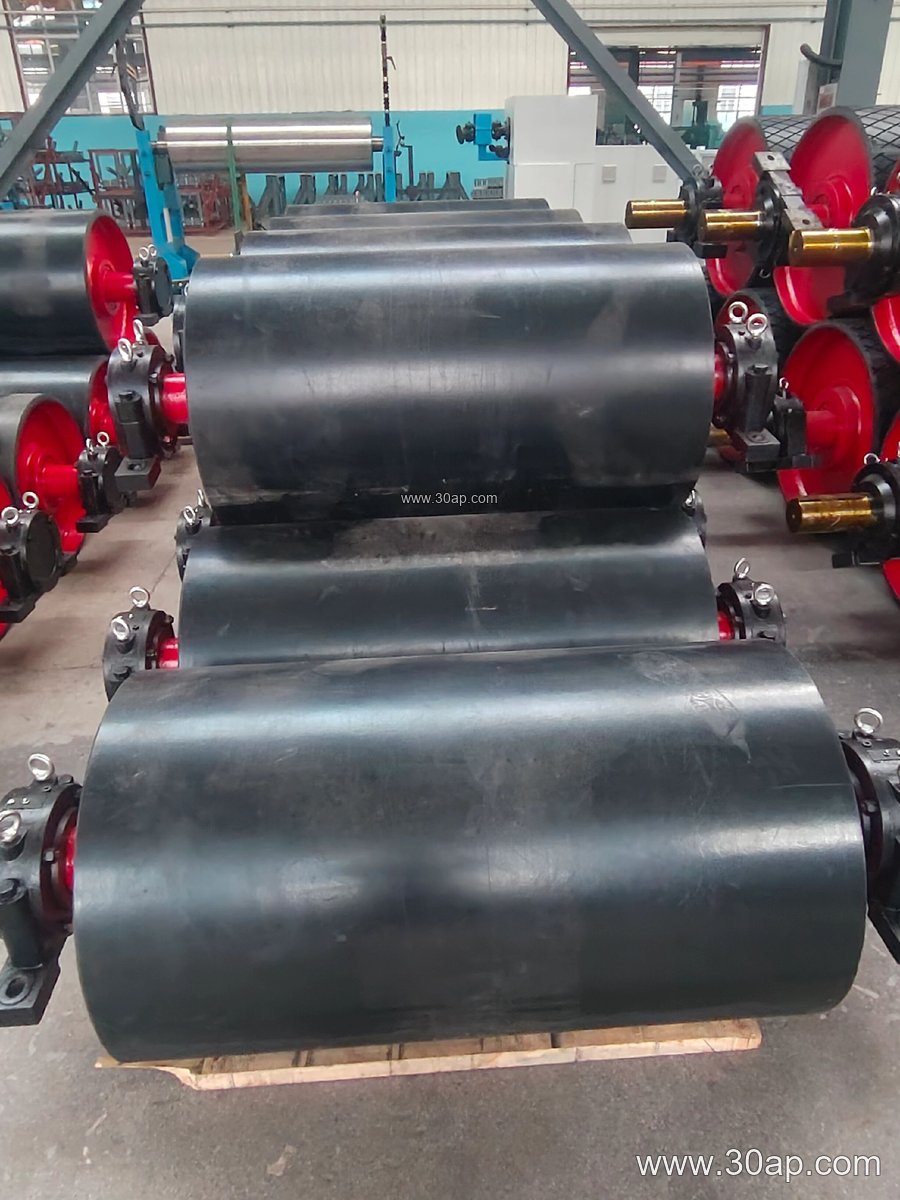
Lagging thickness is commonly 8, 10, 12, 15 or 20 mm, depending on belt tension and wear conditions. Shell face width is normally wider than the belt. For reference, a B800 belt may run on a pulley face around 950 mm, and a B1200 belt on roughly 1400 mm. Diameter is selected from belt wrap, tension and space; B800 x Ø500 and B1200 x Ø1000 are examples of combinations seen in design discussions, not fixed rules. Shaft diameter follows torque and bearing load, commonly Ø80 to Ø160 for medium sizes, and should be confirmed by the pulley designer.
Where It Fits in the Belt Line
Bend pulleys appear in many bulk handling layouts. In a coal washing plant they redirect the return strand around sumps and walkways. In a power plant coal yard they help route the belt through transfer towers. In an aggregate quarry they allow the conveyor to follow terrain changes without adding a separate transfer point. A bend pulley may also act as a snub or take-up-related redirect in some tensioning arrangements, but the exact role depends on the conveyor layout.
Rubber lagging on this pulley type is especially useful when the belt carries abrasive dust or when the pulley sees occasional moisture. The cover reduces shell wear and can improve tracking by giving a more consistent friction surface. It also protects the belt edge area where contact pressure is concentrated.
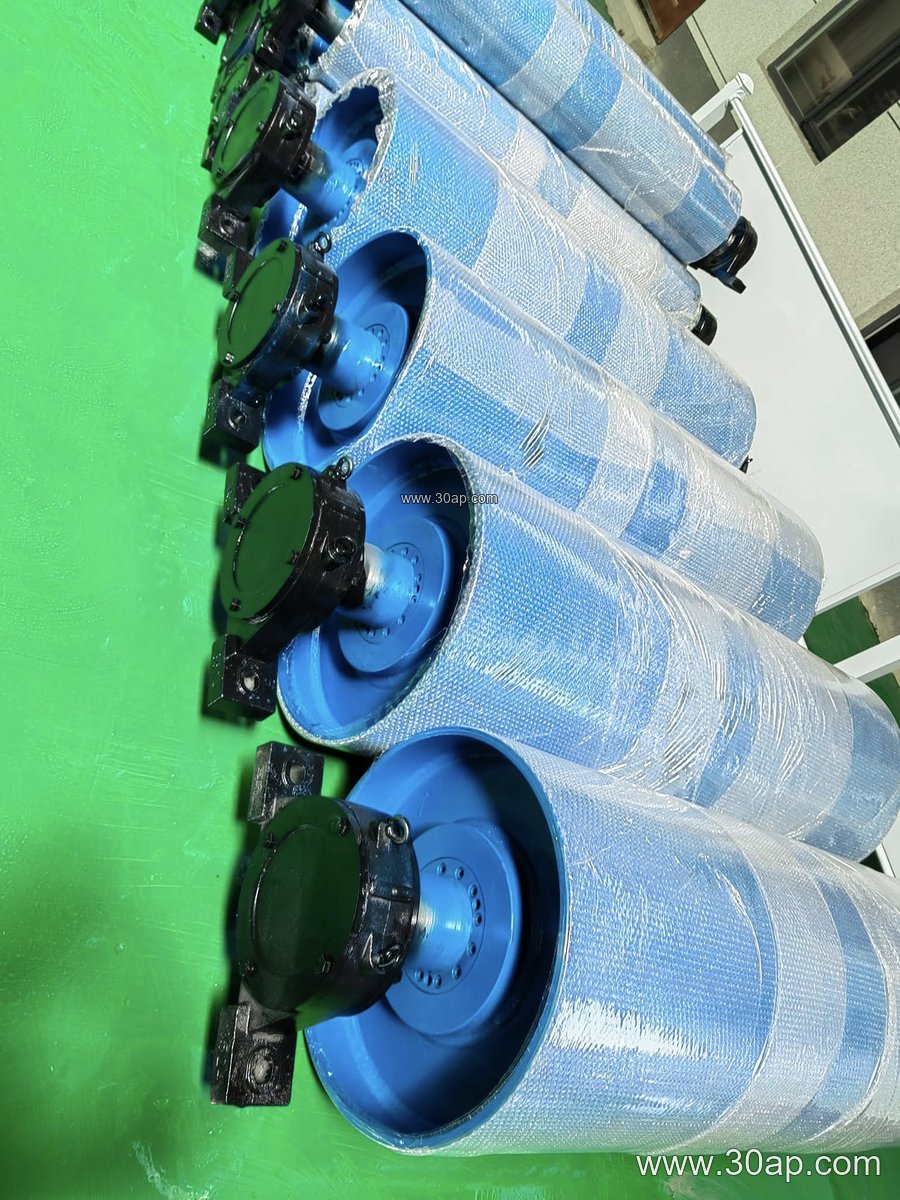
Selection Notes for Buyers
Start with the belt width, belt type and working tension. A heavy-duty mining conveyor belt on an iron ore line will demand a more robust pulley than a fabric core belt in a food grade application. Check whether the belt is an EP conveyor belt, NN conveyor belt, steel cord conveyor belt or a specialty type such as heat resistant conveyor belt, oil resistant conveyor belt or flame retardant conveyor belt. The rubber lagging compound should be compatible with the environment; for example, oil resistant rubber is not the same as standard abrasion resistant rubber.
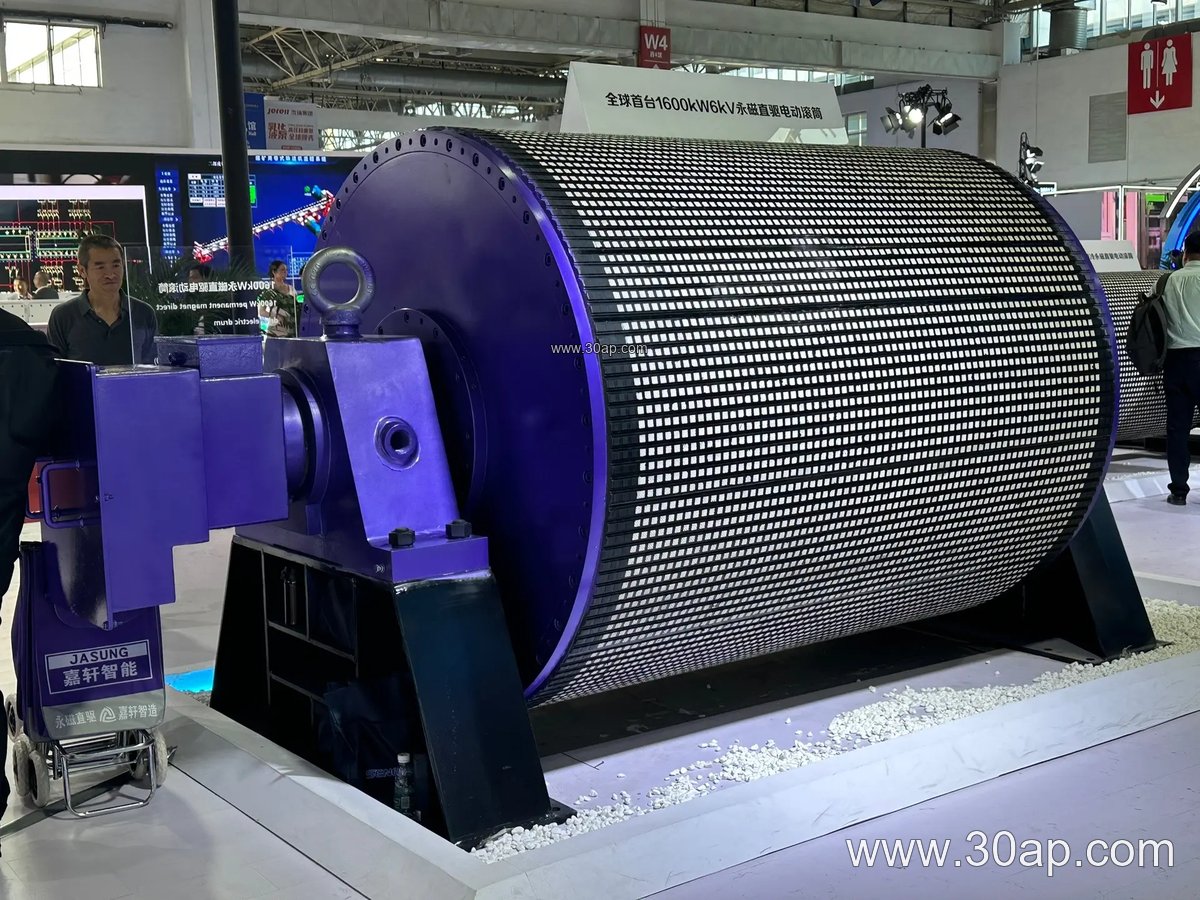
Ask for the pulley drawing with shell diameter, face width, shaft size, bearing type and lagging thickness. Confirm the balancing grade and the welding quality. For a bend pulley, the wrap angle and belt speed matter because they affect heat build-up and cover wear. Do not assume one diameter fits every belt width; a B650 belt may use different pulley diameters on different conveyors.
Maintenance and Inspection
Inspect lagging for cuts, glazing, embedded stones and loose edges. In a sand and gravel plant, fine grit can work under a cold bonded cover, so periodic cleaning helps. Check bearing temperature and listen for unusual noise. Keep the pulley aligned with the conveyor frame and the conveyor bracket in good condition; misalignment accelerates edge wear on both the belt and the lagging. When replacing lagging, match the original surface pattern and thickness unless the wear pattern shows that a change is justified.
Related components such as the idler roller, conveyor bracket and conveyor pulley frame should be inspected at the same time. For broader belt selection, products like Rubber Conveyor Belt, EP Conveyor Belt and Flame Retardant Conveyor Belt are often discussed together with pulley specifications. A well-matched bend rubber lagged pulley keeps the belt path stable and reduces unplanned stops in quarry, cement and power plant operations.