What the ST3150 Conveyor Belt Is
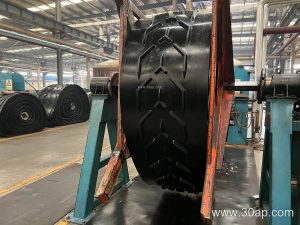
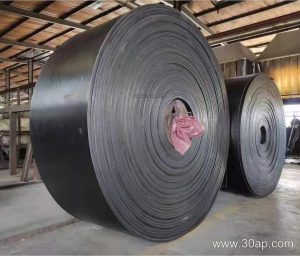
The ST3150 Conveyor Belt is a steel cord conveyor belt class with a nominal tensile strength of 3150 N/mm per unit width. It sits near the top of the steel cord range, above ST2500 and below the highest custom classes, and it is chosen when a single flight must carry very large tonnages over long distances without an intermediate transfer point. In a coal mining conveyor belt or an iron ore conveyor belt duty, this class lets engineers reduce the number of drive stations and keep the route simple.
The product is a composite structure: a layer of parallel brass-plated steel cords forms the tension member, and rubber covers protect the cords from impact, abrasion and moisture. The result is a heavy-duty conveyor belt with low elongation and excellent length stability, which is why it is common in main haulage lines at mines, cement plants, power plants and large quarries.
Construction and Rubber Compounds
Inside a steel cord conveyor belt, the cords run longitudinally at a defined pitch and are bonded to the core rubber during vulcanisation. The top and bottom covers are selected for the duty. Common cover thickness combinations follow the same logic as fabric belts, for example 6+2 mm, 8+3 mm or heavier gauges agreed with the manufacturer. Buyers often ask for an abrasion resistant conveyor belt cover in stone crushing and quarry work, a heat resistant conveyor belt cover near clinker or sinter, and a flame retardant conveyor belt or fire resistant conveyor belt compound for underground coal mining conveyor belt applications.
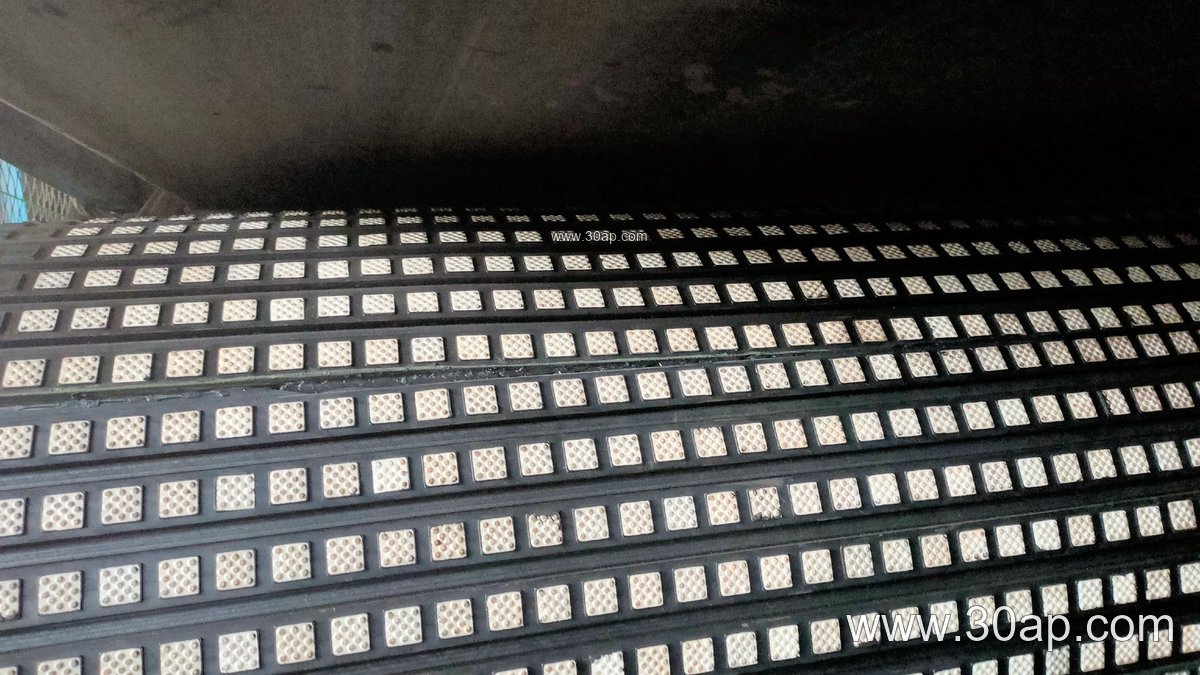
Edge construction matters as much as the cord. Cut edges or moulded edges, plus adequate edge rubber, reduce the risk of cord exposure on misaligned systems. Anti-static conveyor belt properties are frequently specified alongside flame resistance for hazardous atmospheres.
Typical Duty and Industry Fit
ST3150 is not a general-purpose choice. It suits high-capacity bulk material conveyor belt systems where the calculated belt tension is high and where downtime is expensive. Typical settings include:
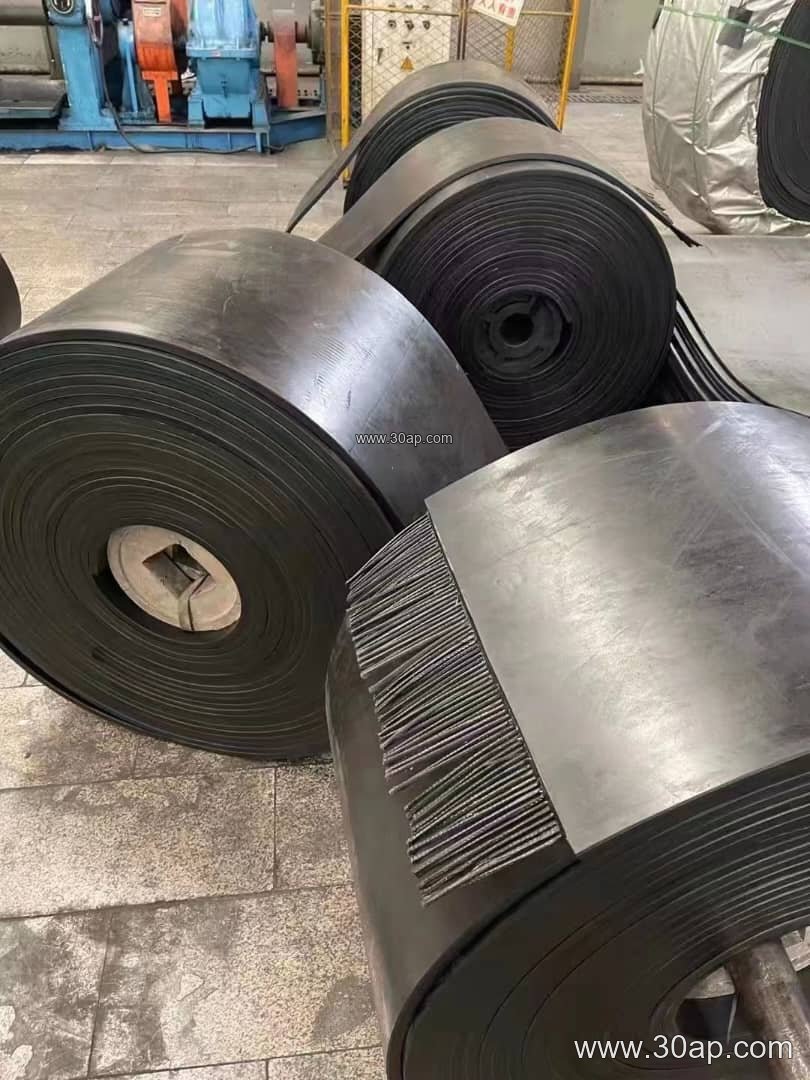
- Mainline haulage in underground mining and open-pit copper or gold mining operations
- Long overland lines in cement plants and power plant coal yards
- Port conveyor belt and ship loading conveyor belt routes with high throughput
- Heavy-duty mining conveyor belt lines feeding crushers and stockpiles
For shorter or lighter lines, an EP conveyor belt such as EP630 or EP1000, or a multi-ply fabric core conveyor belt, is usually more economical. A fabric construction also tolerates tighter pulley diameters and simpler splicing. The steel cord design, by contrast, needs larger pulley diameters and more careful installation, but it delivers far lower elongation over kilometres of route.
Specifications a Buyer Should Confirm
Values below are common reference points, not universal promises. Final figures depend on the manufacturer and the engineered duty.
| Parameter | Typical reference |
|---|---|
| Belt class | ST3150 (steel cord) |
| Nominal tensile strength | 3150 N/mm |
| Belt width | B1000, B1200, B1400, B1600, B1800, B2000, and wider by design |
| Cover thickness | 6+2 mm, 8+3 mm, or as specified |
| Cover grade | Abrasion resistant, heat resistant, flame retardant, anti-static, oil resistant |
| Splice method | Stepped vulcanised splice, usually multi-step |
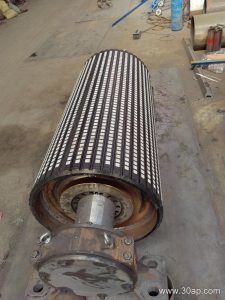
Belt width and pulley diameter are separate design decisions. A 1200mm wide conveyor belt does not automatically dictate one pulley size; the drive pulley, tail pulley and bend pulley diameters are set by cord pitch, splice length and the required bend fatigue life. Likewise, shaft diameter comes from torque and bearing calculations, not from belt width alone.
Selection and Maintenance Notes
Selection starts with the peak tension, the duty cycle, lump size and the environment. Impact zones under a crusher discharge may call for an impact resistant conveyor belt cover or a cushion arrangement, while cold climates may need a cold resistant conveyor belt compound. Where oil or chemicals are present, an oil resistant or chemical resistant grade protects the bond between cord and rubber.
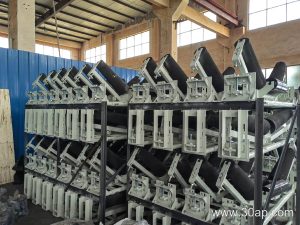
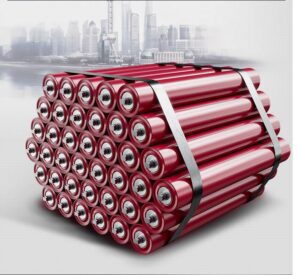
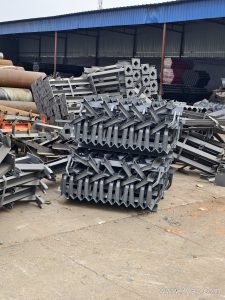
On the machine side, check that idler roller alignment, conveyor pulley lagging and conveyor bracket condition are within tolerance before fitting a high-strength belt. A poorly aligned frame will damage any belt, and ST3150 replacement cost is significant. During operation, watch for cord exposure at the edges, cover gouges and splice movement. Keep the belt tracking straight, avoid material spillage at transfer points, and inspect the stepped splice at planned intervals.
For a complete line, the belt works with the conveyor pulley set, idler roller groups and support frames as one system. Matching the ST3150 Conveyor Belt to that system, rather than treating it as a standalone item, is the surest way to get long service life in mines, cement works, power stations and aggregate plants.