What a Belt Conveyor Pulley Does on the Line
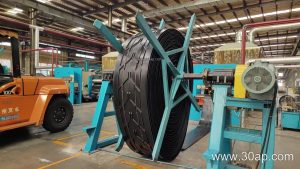
A belt conveyor pulley is the rotating drum that carries the conveyor belt, sets its direction, and transfers the driving force into belt motion. On a quarry conveyor belt line or a cement plant transfer tower, the drum assembly is the point where the belt wraps, traction is generated, and the belt path is controlled. Engineers often call this component a conveyor pulley, and the two names describe the same piece of hardware. It is not a substitute for a drive, tail, or bend position, each of which serves a distinct role in the same conveyor.
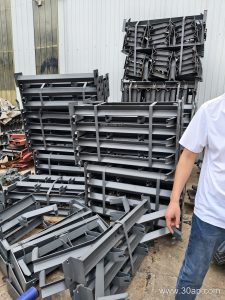
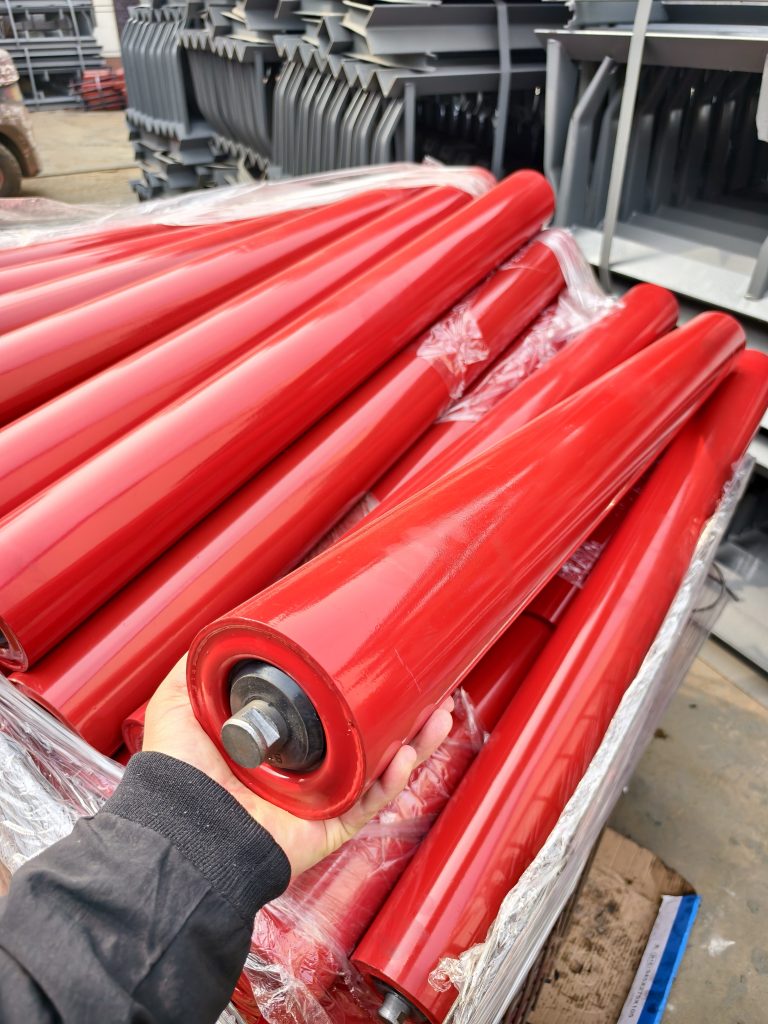
A simple way to think about the assembly is that the belt is the moving surface, the idler roller supports the belt between stations, and the drum holds the belt at the ends and at wrap points. The conveyor bracket and shaft carry the load into the frame.
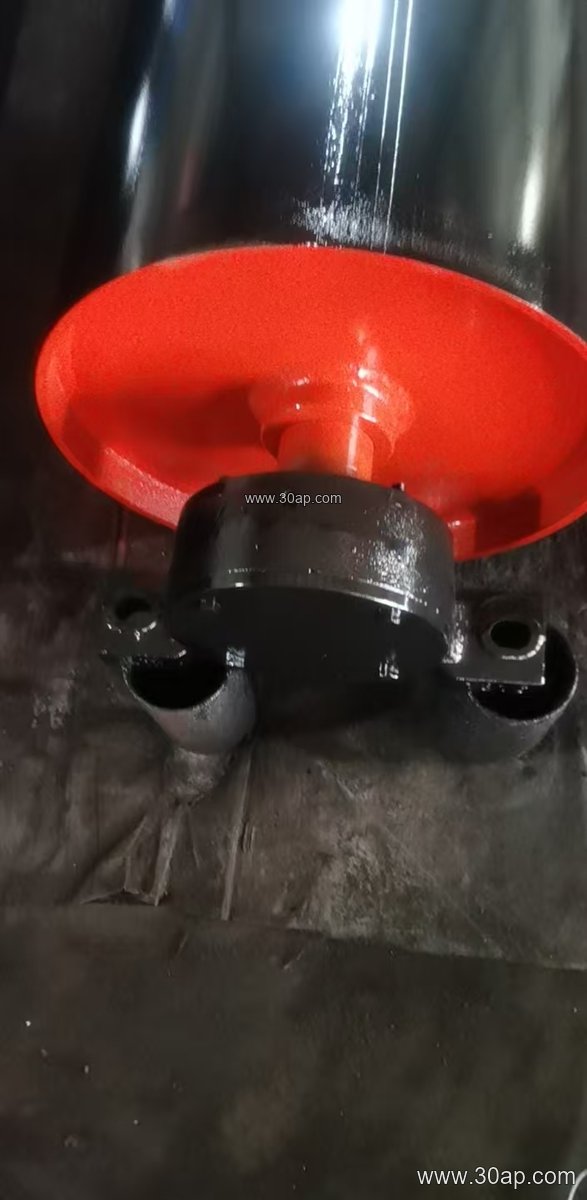
Construction and Surface Options
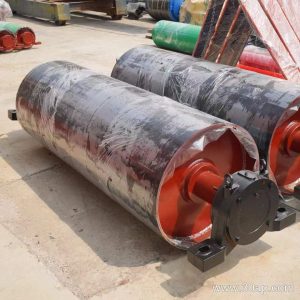
The core is usually a steel shell welded to end discs, with a shaft running through the centre and bearing housings at both ends. Some designs use a crowned face to help the belt track, and others rely on a flat face plus careful alignment. Surface treatment matters as much as shell thickness, because friction between drum and belt decides whether the drive can pull the load without slip.
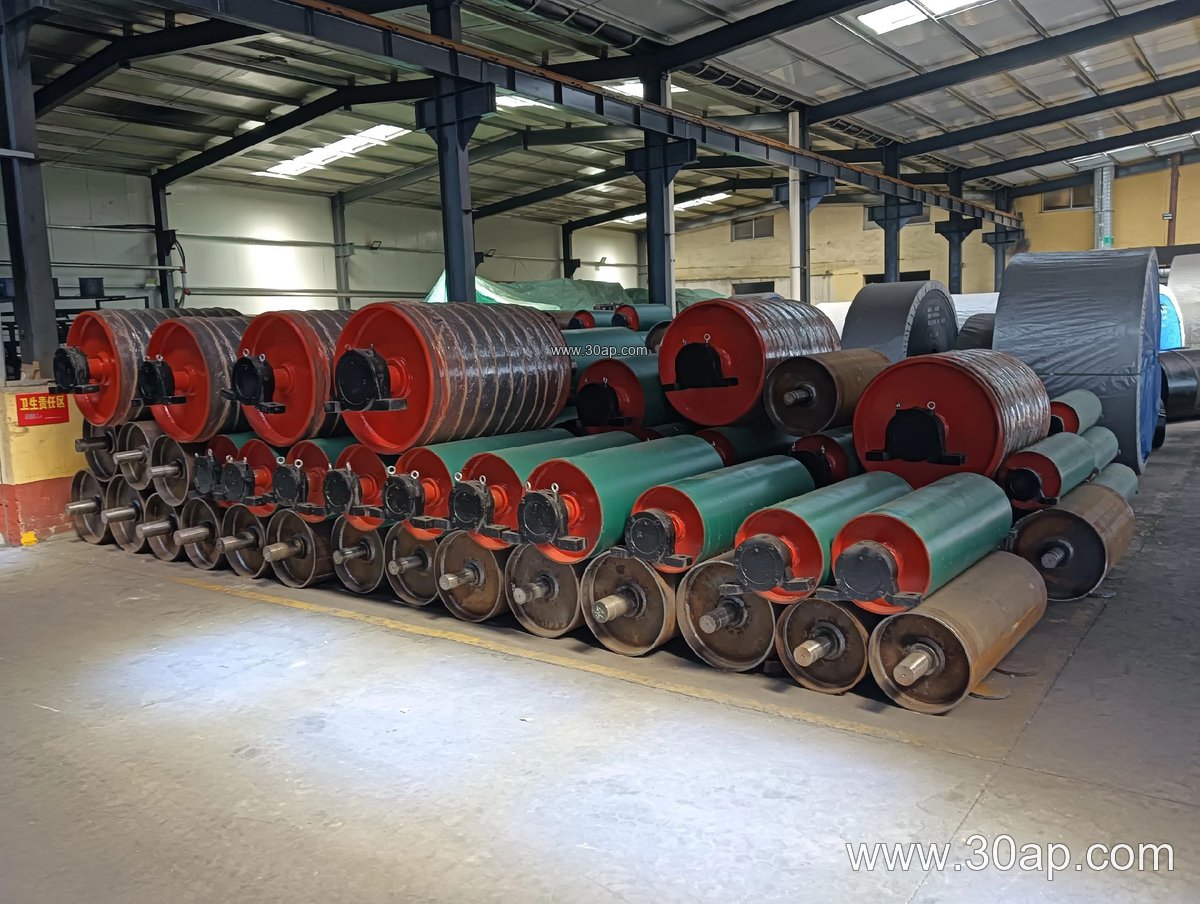
- Plain face for light duty and easy cleaning
- Rubber lagging applied cold or hot vulcanised
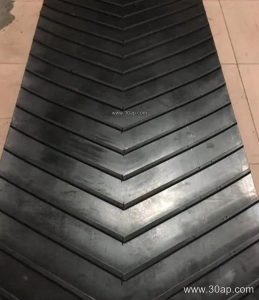
- Diamond or herringbone groove patterns to shed water and fines
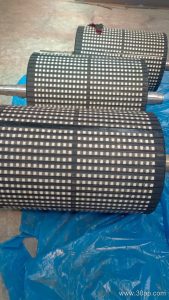
- Ceramic lagging for high-traction, abrasive service
- Common lagging thickness of 8, 10, 12, 15, and 20 mm
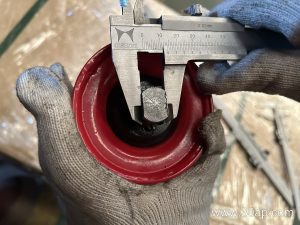
Shell diameter commonly ranges from about Ø200 to Ø1800 depending on torque and belt tension, while shaft diameter is fixed by torque and load rather than by belt width alone. Typical shaft sizes include Ø50, Ø60, Ø80, Ø100, Ø120, Ø160, and Ø200. A B800 × Ø500 unit and a B1200 × Ø1000 unit may both be correct in different conveyors, so the combination should follow the design calculation.
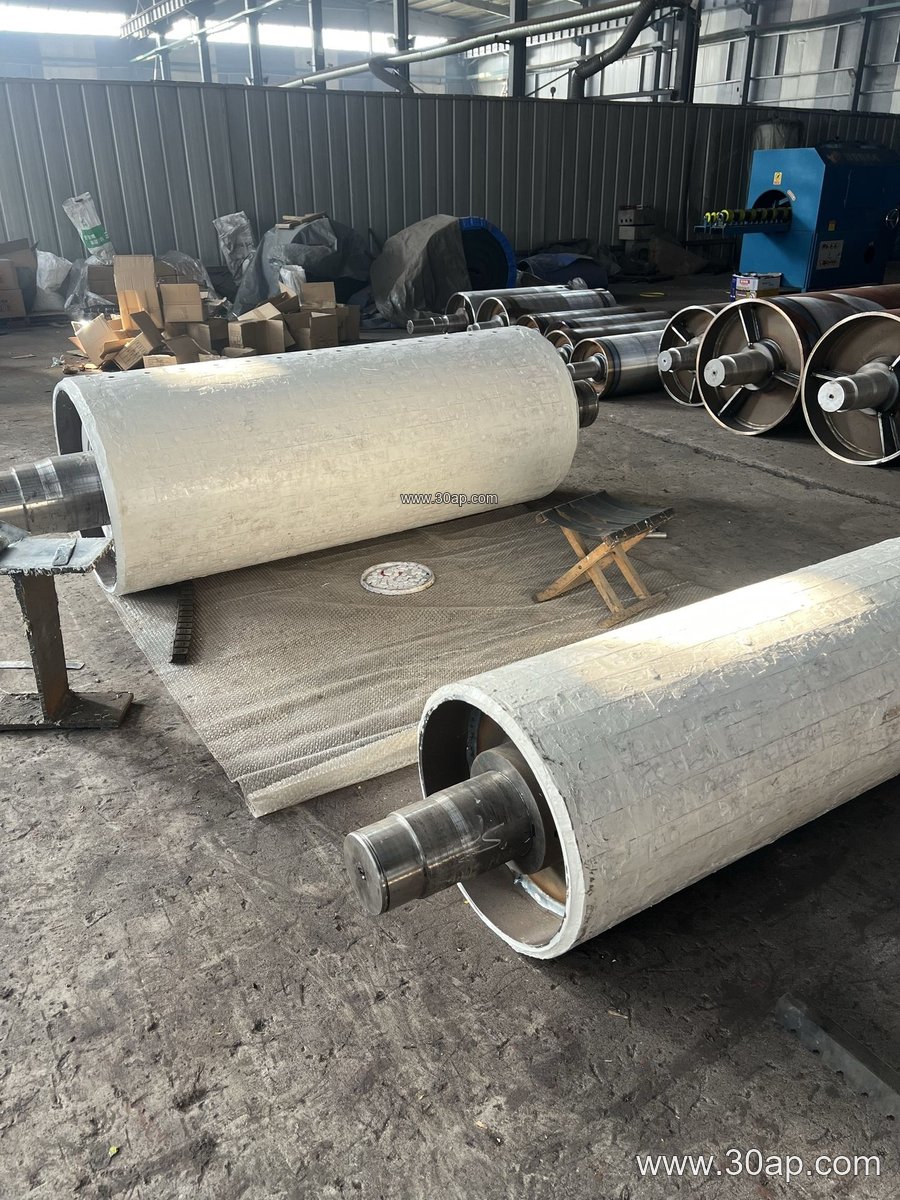
Matching the Drum to Belt Width and Duty
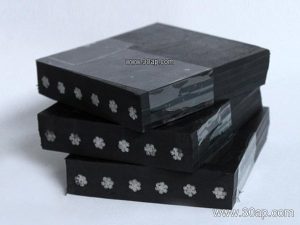
Face width is normally a little wider than the belt so the belt does not rub the end discs. Reference examples include B400 with roughly 500 mm face, B650 with about 750 mm, B1000 with about 1150 mm, and B1400 with about 1600 mm. These are reference proportions, not fixed rules. A drum is not limited to one diameter for a given belt width; a high-tension EP conveyor belt or steel cord conveyor belt may need a larger drum to keep bend stress low, while a short run can use a smaller one.
| Belt width | Reference face width | Possible drum diameter |
|---|---|---|
| B500 | About 600 mm | Ø250 to Ø400 |
| B800 | About 950 mm | Ø320 to Ø630 |
| B1000 | About 1150 mm | Ø400 to Ø800 |
| B1400 | About 1600 mm | Ø630 to Ø1000 |
| B1800 | About 2000 mm | Ø800 to Ø1250 |
Heavy-duty mining conveyor belts and high abrasion resistant conveyor belts put more demand on the lagging, so a thicker rubber cover or ceramic surface may be worth considering. In coal mining conveyor belt service, flame retardant conveyor belt grades are often specified, and the drum surface should be chosen to match the friction and cleaning requirements of that duty.
Where the Pulley Fits in the Plant
In a limestone quarry or aggregate conveyor belt circuit, the head pulley discharges crushed rock onto the next stage while the tail pulley keeps the return strand aligned. A cement plant uses similar drums on clinker and raw meal lines, often with a heat resistant conveyor belt where material is warm. Power plant coal handling and port bulk terminals rely on large face widths and robust lagging for continuous duty. In each case the drum is one part of a chain that includes the conveyor belt, idler roller, and conveyor bracket.
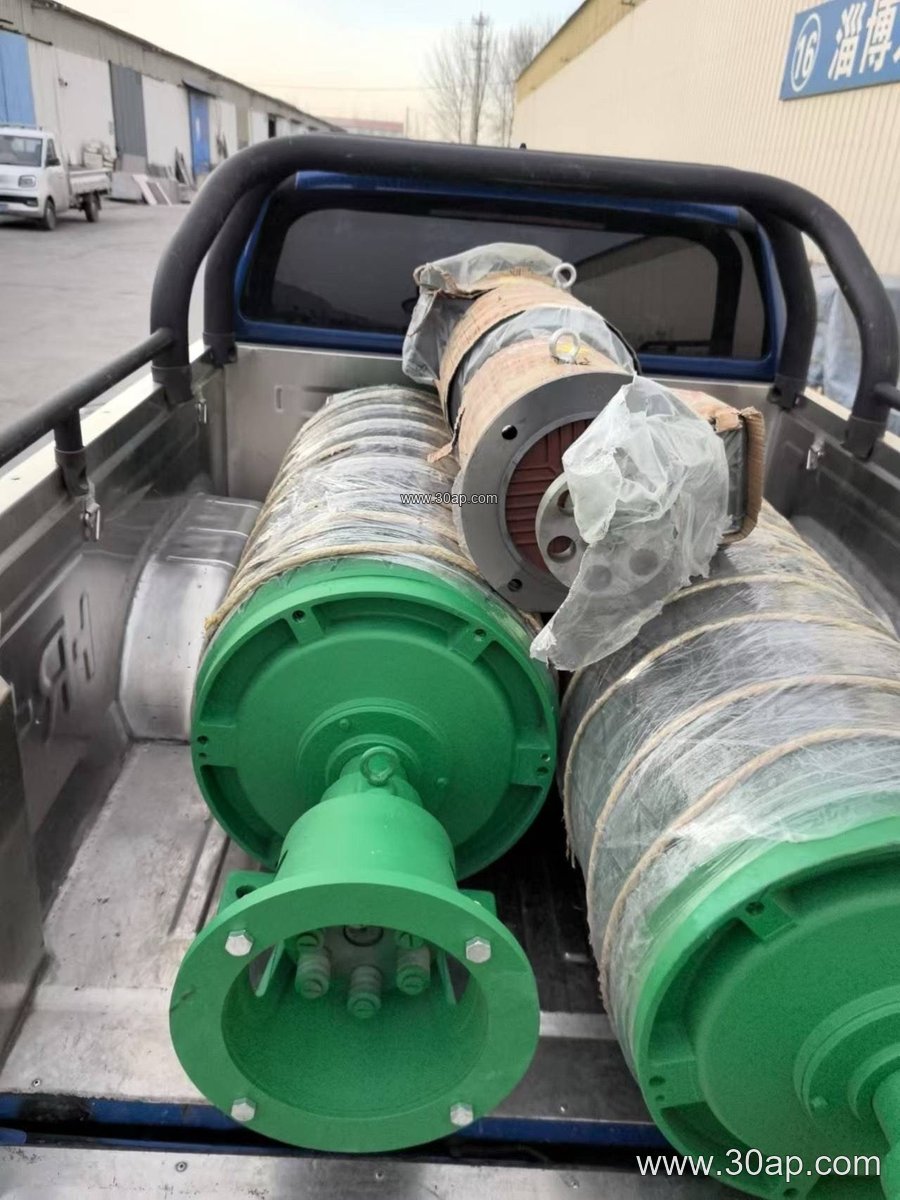
For more on matching belts to drums, see the selection notes at www.beltconveyorpulley.com and the drum guidance at www.conveyorpulley.com. Buyers comparing belt grades can also review data on EP conveyor belt and fabric core conveyor belt options at www.rubberconveyorbelt.com.
Buyer Checklist Before Ordering
- Confirm the position: drive, tail, or bend, since these are not interchangeable
- State belt width, belt type, and expected tension so the shell and shaft can be sized
- Choose lagging pattern and thickness for the material and moisture level
- Check shaft diameter against torque, not against belt width alone
- Ask about bearing type, sealing, and balancing for the planned speed
- Plan inspection for lagging wear, belt tracking, and bearing condition
Accurate drawings, load data, and belt specification let the supplier size a drum that supports the belt without overloading the shaft. The right choice keeps the line running in a stone crushing plant, a coal wash plant, or a steel plant conveyor gallery.