What a Large-Diameter Conveyor Pulley Does
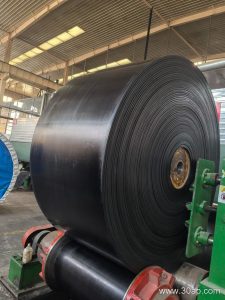
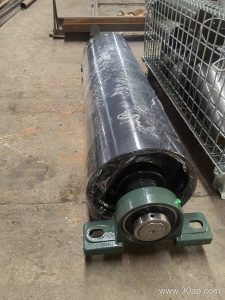
A large-diameter conveyor pulley is the main rotating drum at the head, tail, or bend point of a bulk handling conveyor, built with a shell diameter big enough to reduce belt bending stress and spread load over more contact area. In practice, these pulleys are often the drive or head pulley on high-capacity lines, where a small drum would force the conveyor belt into too tight a curve. The larger the diameter, the gentler the flex cycle on the carcass, which matters when the belt is a heavy multi-ply fabric core or steel cord construction carrying ore, clinker, or aggregate.
The same product is also called a large drum pulley or heavy-duty conveyor pulley. Those are equivalent names for the same item. A drive pulley, a tail pulley, and a bend pulley are different positions in the conveyor and are not interchangeable; this article focuses on the large-diameter version, with other positions mentioned only for comparison.
How the Drum Is Built
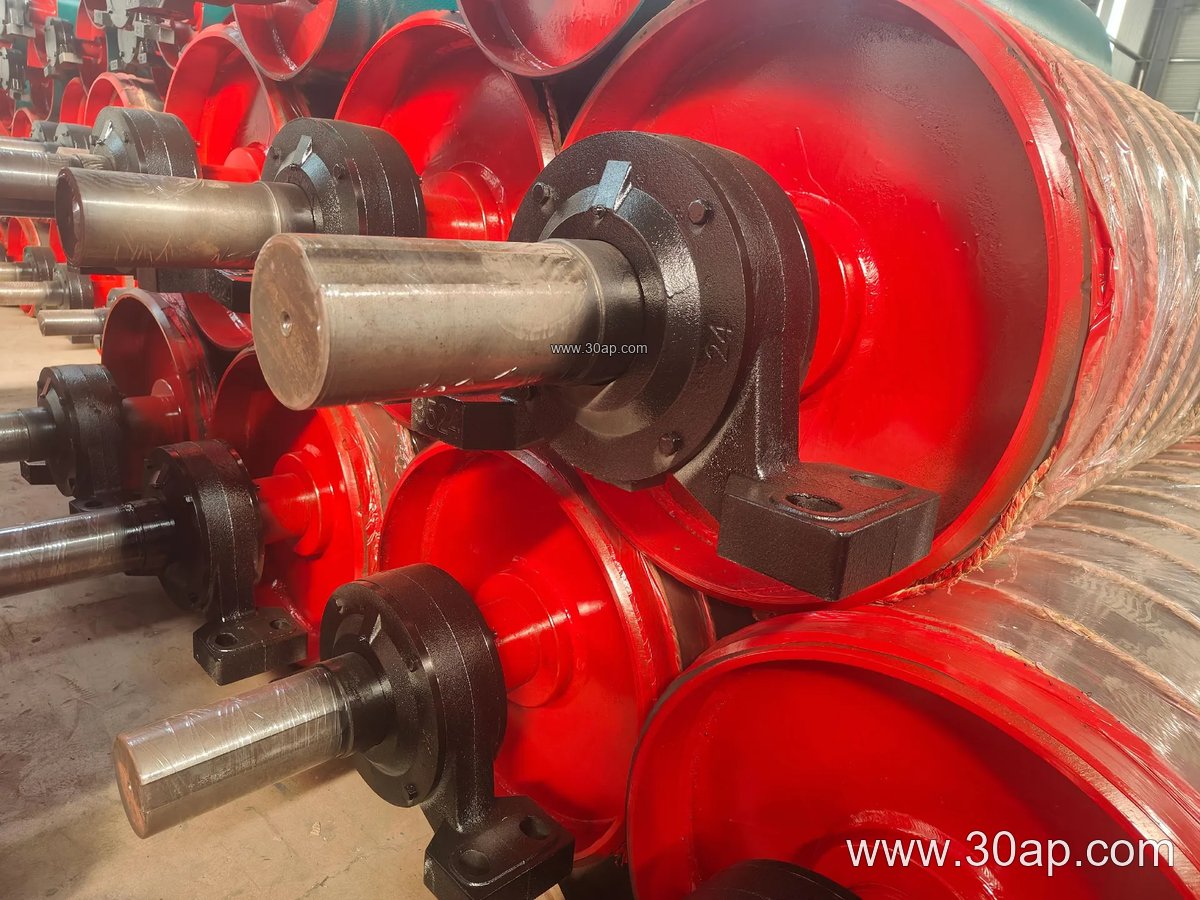
The shell is usually rolled steel, machined for concentricity, and welded to end discs that connect to the shaft. Shaft diameter is set by torque and bearing load, not by belt width alone, so a B1200 system might run a Ø160 shaft in one design and a different size in another depending on duty. Common shaft sizes include Ø100, Ø120, Ø140, Ø160, and Ø180 mm, but the final figure comes from the drive calculation.
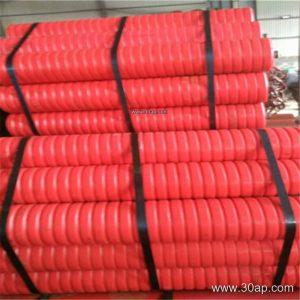
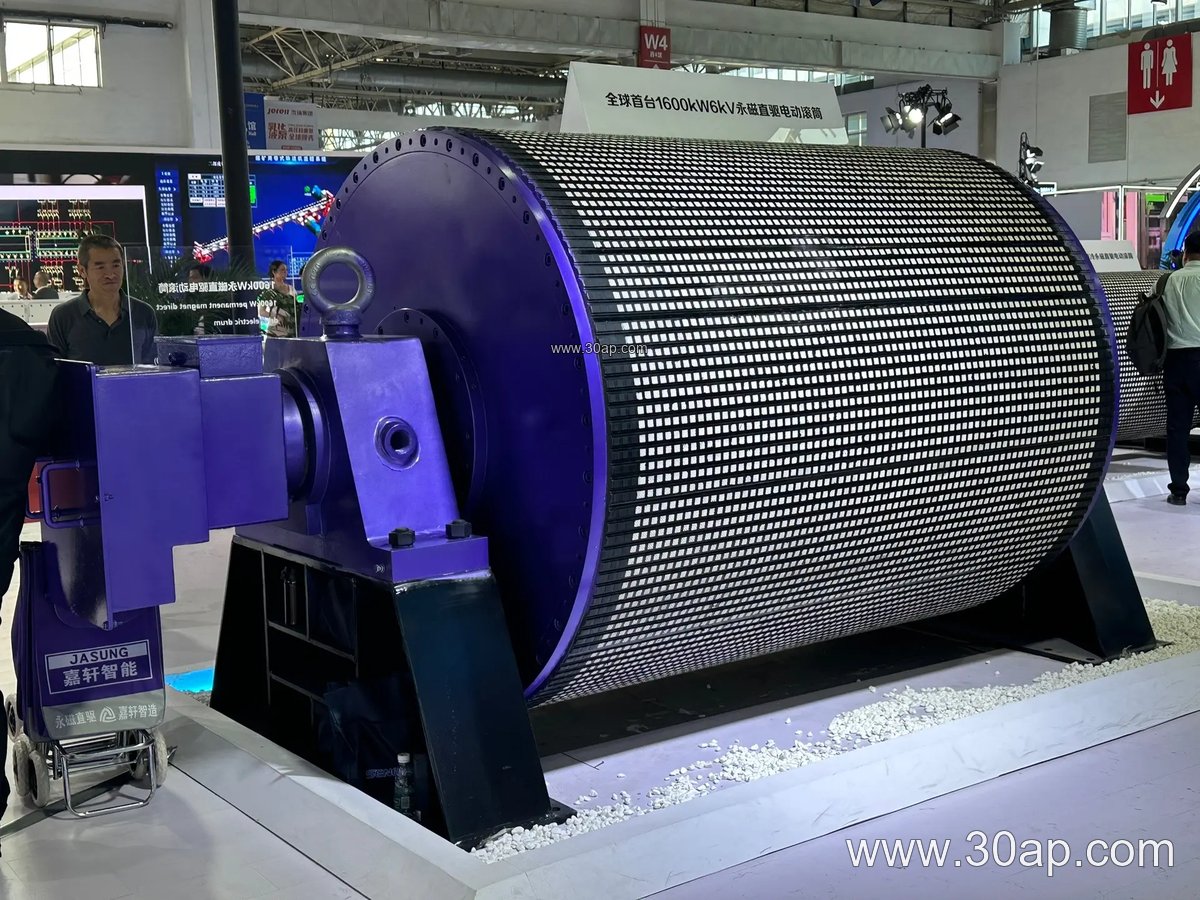
Surface treatment is a key choice. Plain shell, hot-vulcanized rubber, cold-bonded rubber, diamond grooving, herringbone lagging, and ceramic lagging all appear on large-diameter pulleys. Lagging thickness commonly runs 8, 10, 12, 15, or 20 mm. On a drive pulley, lagging raises friction between drum and belt; on a bend or tail pulley, it mainly protects the shell from abrasive carryback.
Where Large Drums Fit in the Plant
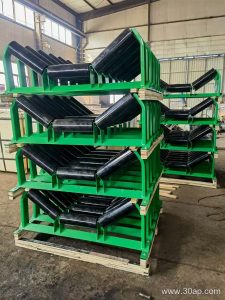
You will see these pulleys in quarry and aggregate lines feeding a crusher, in cement plants moving clinker and raw meal, in coal handling at a power station, and in iron ore or copper ore transport. A mine conveyor moving abrasive rock often pairs a large-diameter head pulley with an abrasion resistant conveyor belt and heavy idler roller sets along the carry side. In a tunnel or underground coal mining conveyor, flame retardant and anti-static belt grades are typical, and the drum must be sized to keep belt tension within limits.
When the belt is a corrugated sidewall or chevron type, the pulley face and the belt profile need to be checked together so the cleats clear the drum. For long overland runs, a steel cord conveyor belt may call for a larger drum diameter than a fabric belt of the same width, because the cord carcass tolerates less bending.
Common Size Combinations
The table below shows reference pairings of belt width and pulley diameter. These are examples, not fixed rules; one belt width can work with more than one drum diameter.
- B800 with Ø500 or Ø630 mm drum, face width around 950 mm
- B1000 with Ø630 or Ø800 mm drum, face width around 1150 mm
- B1200 with Ø800 or Ø1000 mm drum, face width around 1400 mm
- B1400 with Ø1000 or Ø1250 mm drum, face width around 1600 mm
- B1600 with Ø1250 or Ø1400 mm drum, face width around 1800 mm
- B1800 with Ø1400 or Ø1600 mm drum, face width around 2000 mm
Face width is normally a little wider than the belt, and the exact allowance follows the conveyor design. Large diameters such as Ø1600 or Ø1800 mm are used on high-tension trunk conveyors, while Ø500 to Ø800 mm suits many plant and yard conveyors.
Buyer Checklist Before Ordering
Start with the belt specification and the duty: belt width, carcass type, belt speed, and the material being carried. Then confirm the pulley position, because a drive pulley carries different loads than a bend pulley. Ask for the shaft diameter calculation, bearing type, and lagging specification in writing. Check that the conveyor bracket and bearing housing on site will accept the larger drum and shaft; a bigger pulley can require more clearance and a stronger frame.
Also confirm the balancing grade and the runout tolerance for the shell. For an abrasive site, ceramic or thick rubber lagging may last longer; for a food or clean application, a plain or smooth rubber face may be preferred. Finally, keep spare lagging and fasteners on hand, since re-lagging a large drum in place is far easier than removing it from a crowded head station.