What a Wide Conveyor Belt Is
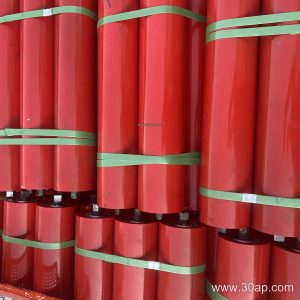
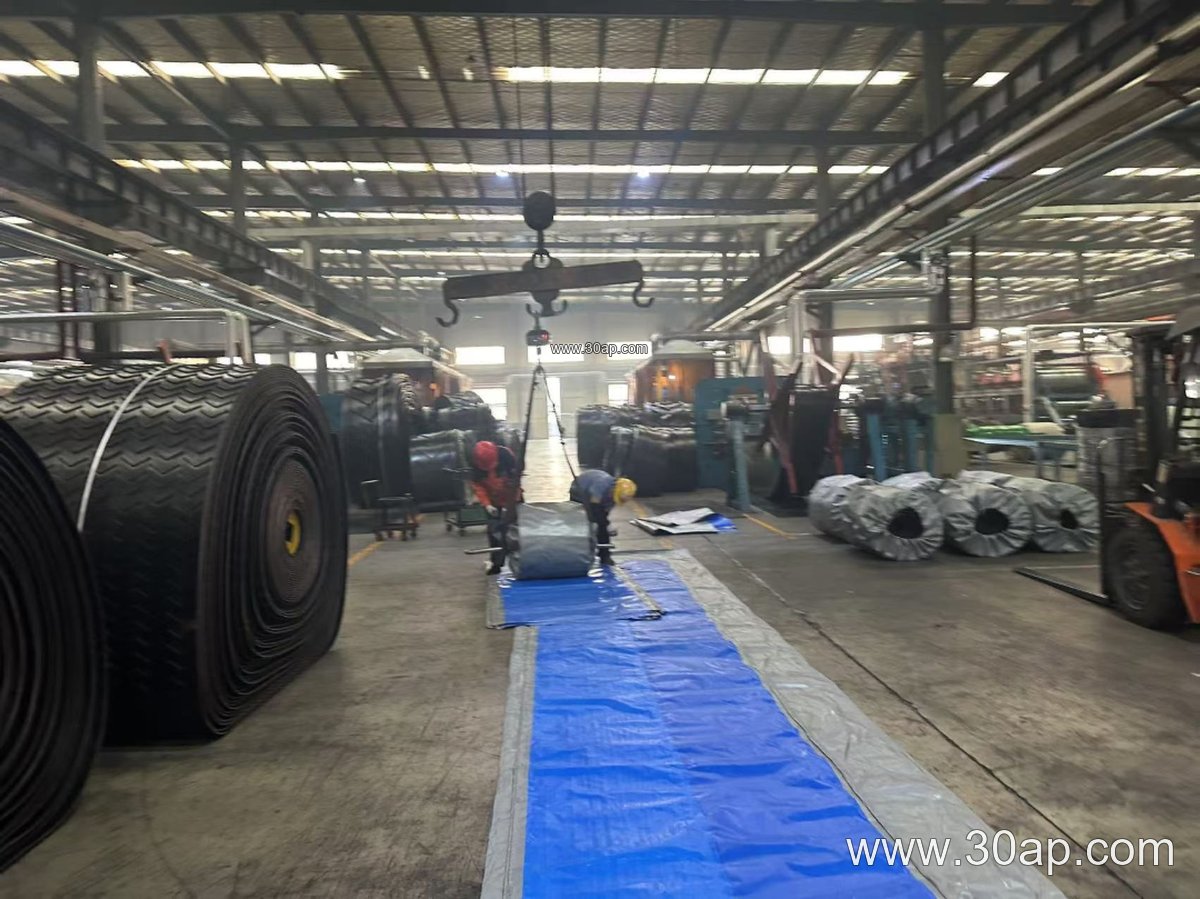
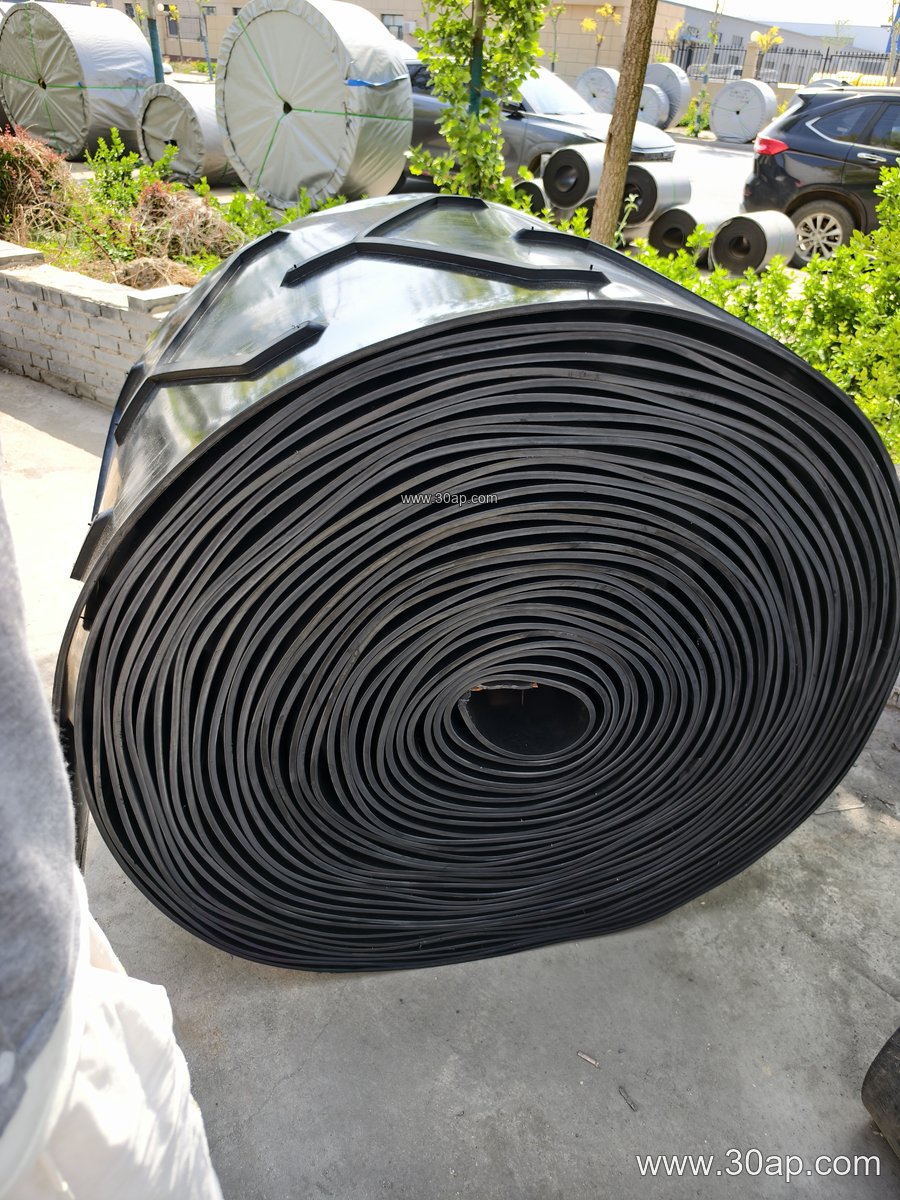
A wide conveyor belt is a fabric-core or steel-cord belt built in larger cut widths, typically from around 1400 mm upward, so that a single conveyor line can carry a high tonnage of bulk material without excessive belt speed. In practice, many plants treat B1600, B1800, B2000 and even wider cuts as the working range of a wide belt, while narrower B800 or B1000 belts serve branch lines and smaller transfer points. The width is only one part of the specification; carcass type, cover grade and tensile strength must be matched to the duty.
The same product is often called a large-width conveyor belt or a broad-width belt, and buyers may also see it described by its construction, for example a wide EP conveyor belt or a wide steel cord conveyor belt. These are accurate equivalent names for the same item, not different products.
How the Belt Is Built
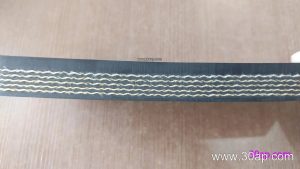
A wide belt usually combines a multi-ply fabric core with heavy covers. The carcass may be EP (polyester/nylon) or NN (nylon/nylon) fabric, and for very long, high-tension lines a steel cord carcass is chosen. Cover rubber is selected for the material being carried: abrasion resistant grades for ore and aggregate, heat resistant grades for cement clinker and sinter, flame retardant and anti-static grades for underground coal mining, and oil resistant or acid resistant grades for chemical and processing plants.
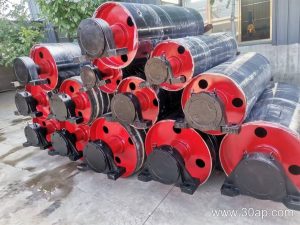
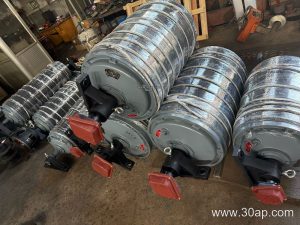
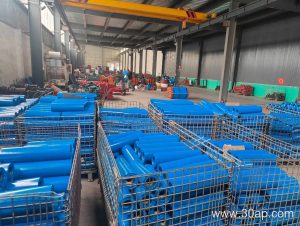
Because the belt is wide, transverse rigidity matters. A belt that sags between idler rollers or wanders on the pulley will track poorly and wear at the edges. Manufacturers therefore control ply count, skim thickness and cure uniformity, and they finish wide cuts with straight, square edges so that the belt sits evenly on the drive pulley, tail pulley and bend pulleys. Those three pulley roles are distinct and are not interchangeable; a wide belt needs each one sized for its own load case.
Common Specifications
The values below are typical reference ranges. Actual figures are confirmed by design for each conveyor, and different suppliers will offer different combinations.
| Parameter | Common reference values |
|---|---|
| Belt width | B1400, B1600, B1800, B2000 |
| Fabric carcass | EP200, EP315, EP400, EP500, EP630, EP800, EP1000, EP1250 |
| Steel cord strength | ST1000, ST1250, ST1600, ST2000 |
| Ply count | 2 to 6 plies, depending on width and load |
| Cover thickness | 4+2 mm, 5+2 mm, 6+2 mm, 8+3 mm |
A wide belt is not tied to one pulley diameter. A B1800 belt may run on a range of pulley sizes depending on tension, wrap angle and carcass stiffness, and shaft diameter follows the pulley and bearing design rather than belt width alone. Any proposal should show the pulley diameters and shaft sizes together with the belt specification.
Where Wide Belts Are Used
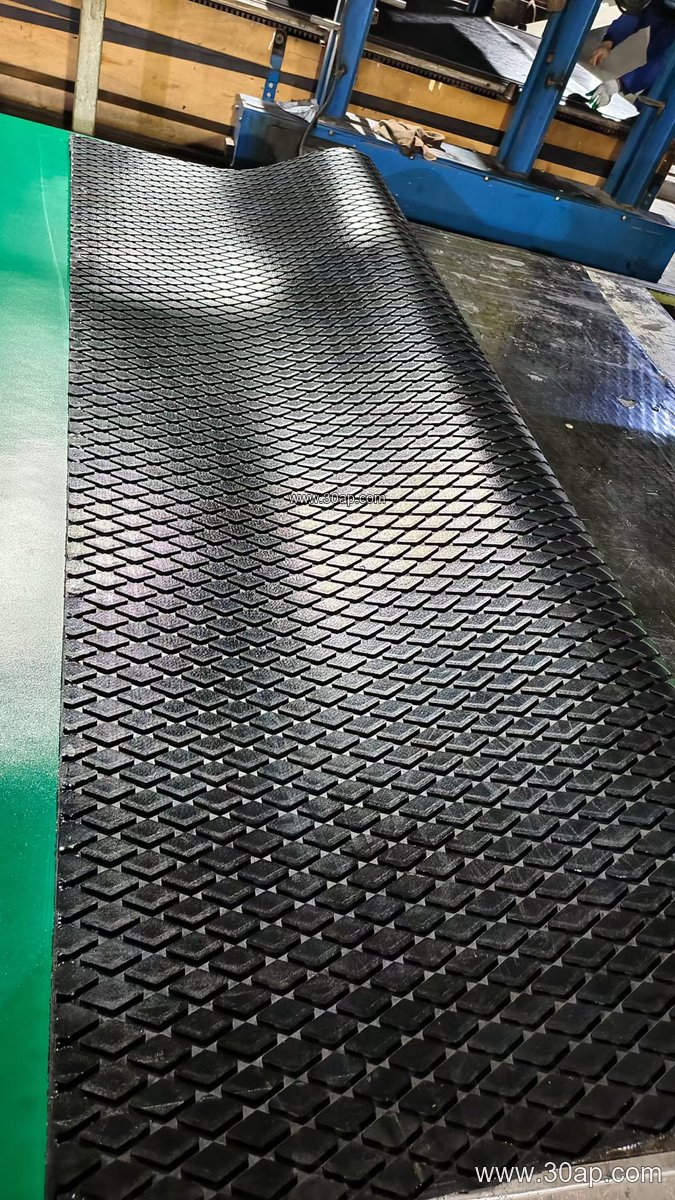
Mining and quarrying are the most common users, where a wide belt moves run-of-mine ore from the crusher to the stockpile. Coal mining, both surface and underground, relies on wide flame retardant belts for main haulage. Cement plants use wide heat resistant belts on clinker and raw meal lines. Power plants, steel plants, ports and ship loading terminals also favor wide belts because a single wide stream reduces transfer points and dust generation. In sand and gravel yards, an aggregate conveyor belt in a wide cut keeps up with a large primary crusher.
Other constructions serve narrower duties but are worth knowing for comparison. A chevron conveyor belt adds cleats for steep inclines, a corrugated sidewall belt contains material on steep or vertical runs, and a pipe conveyor belt folds into a tube for enclosed transport. These are different belt types and should not be substituted for a flat wide belt on a conventional troughed conveyor.
Buyer Checklist
- State the material, lump size, tonnage per hour, incline and ambient temperature.
- Confirm the carcass type and strength class, such as EP1000 or ST1600, against the calculated tension.
- Choose cover grade for abrasion, heat, oil, flame or cold, and confirm cover thickness.
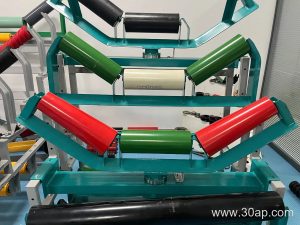
- Check that idler roller spacing and trough angle suit the wide belt and lump size.
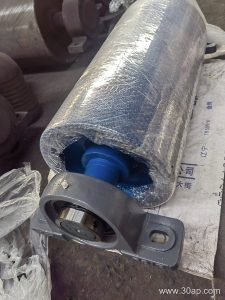
- Review pulley diameters, conveyor bracket dimensions and take-up travel before ordering.
- Ask for edge quality, splicing method and whether an endless conveyor belt is required on site.
A wide belt is a capital item, so the specification should be reviewed as a system: belt, idlers, pulleys and structure together. Buyers comparing offers should look past the headline width and check carcass, covers and splice details, since those determine service life far more than width alone.