What a Large Belt Conveyor Idler Is
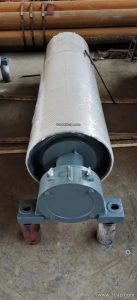
A large belt conveyor idler is the rotating support that carries the conveyor belt and its load on high-capacity systems. In practice, the term refers to a heavy-duty idler roller built for wide belts and demanding tonnage, often used in mines, coal preparation plants, cement works, power station coal yards, and port bulk terminals. It is not a drive component; the conveyor pulley at the head or tail does the pulling or redirecting, while the idler simply supports and shapes the belt path. Understanding this distinction helps buyers avoid mixing idler specifications with pulley specifications.
Construction and Common Forms
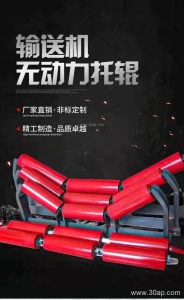
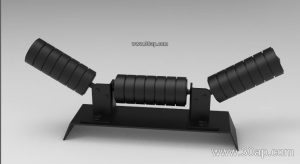
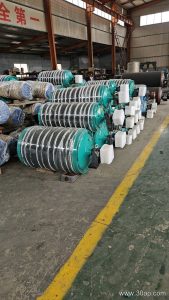
A typical large belt conveyor idler consists of a steel tube shell, bearing housings, a shaft, and seals. The roller surface may be plain steel, nylon, ceramic, or rubber-covered, depending on whether abrasion, material build-up, or belt protection is the main concern. Bearing sizes such as 6205, 6305, 6308, or 6310 appear in many heavy-duty designs, but the bearing choice should follow the load and speed calculation rather than a single rule tied to belt width. Sealing is critical in dusty and wet conditions, because fine grit entering the bearing is a common cause of seizure.
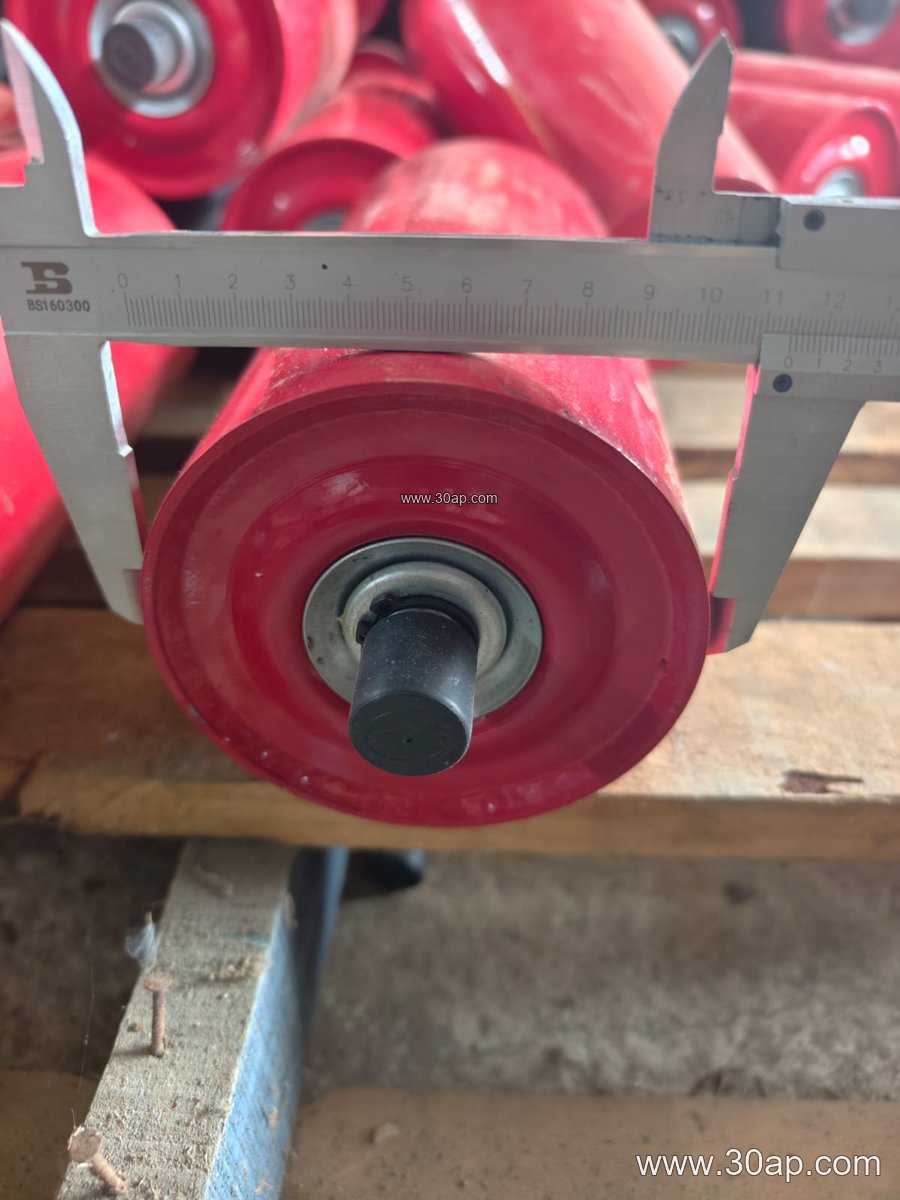
Large belt conveyor idlers appear in several arrangements. Three-roll troughing sets are common on the carrying side, while return idlers may be flat or V-shaped. Impact idlers with rubber rings are used under loading points to absorb shock from lump material. In some plants, a self-aligning idler is added to correct belt drift. These are different idler subtypes, and none should be confused with a bend pulley or tail pulley, which are separate components in the conveyor system.
Where Large Idlers Are Used
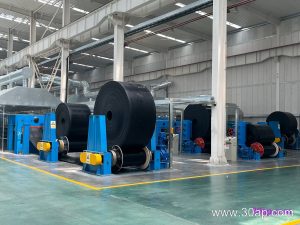
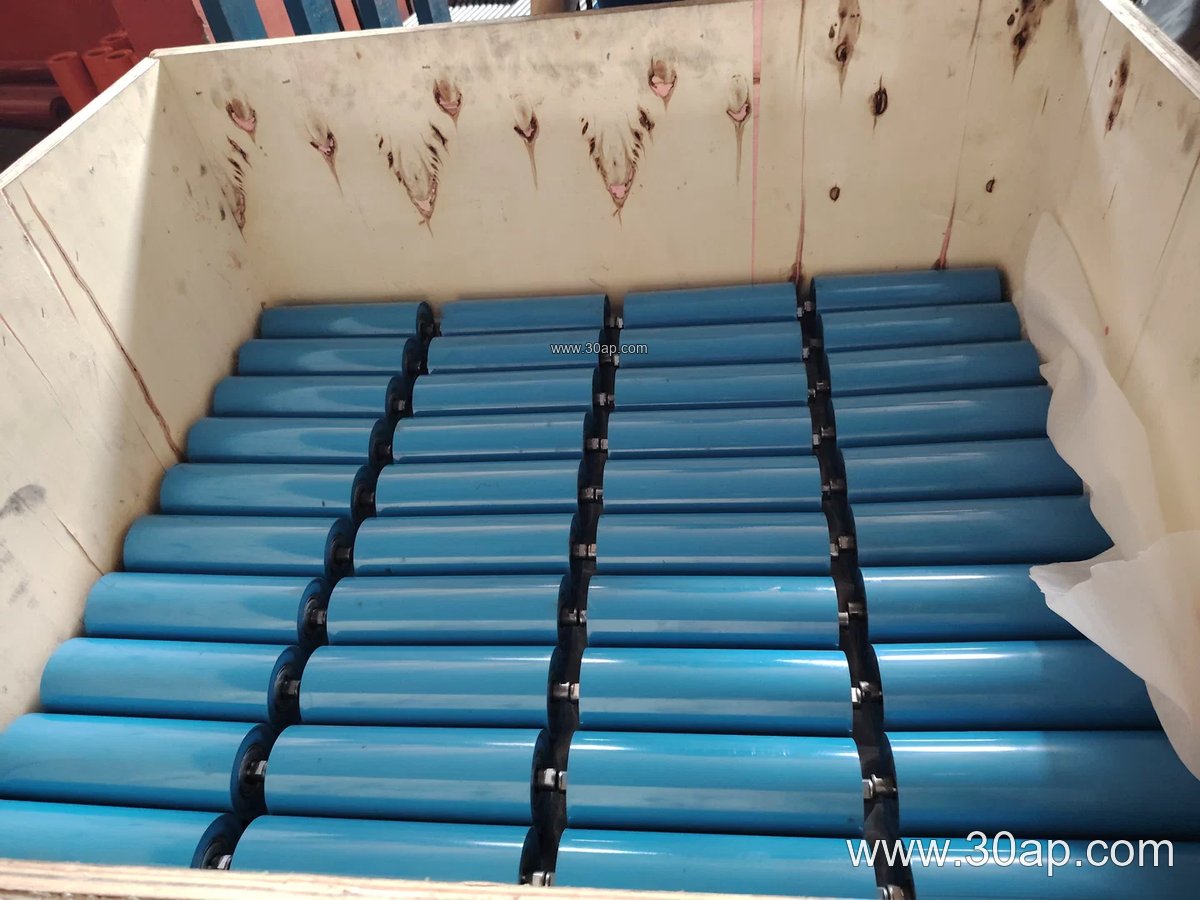
You will find large belt conveyor idlers in quarry and aggregate lines feeding crushers and screens, in iron ore and copper ore handling, in coal mining and wash plants, and in cement plants moving clinker and raw meal. Power plants rely on them in coal conveying galleries, and ports use them on ship loading and stockyard conveyors. The common thread is a wide conveyor belt carrying bulk material at high tonnage, where idler failure can stop the whole line.
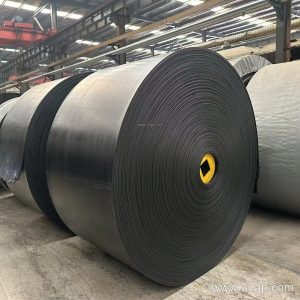
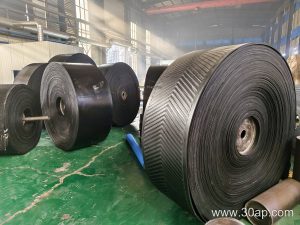
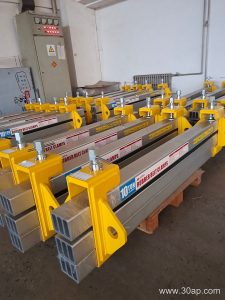
In these settings, the idler works together with the conveyor belt, conveyor pulley, and conveyor bracket. A heavy-duty mining conveyor belt may be an EP conveyor belt or a steel cord conveyor belt, and the idler must match the belt width and trough angle without creating edge stress. For dusty coal systems, a flame retardant conveyor belt is often specified, but that choice belongs to the belt specification, not to the idler itself.
Sizes and Configuration Notes
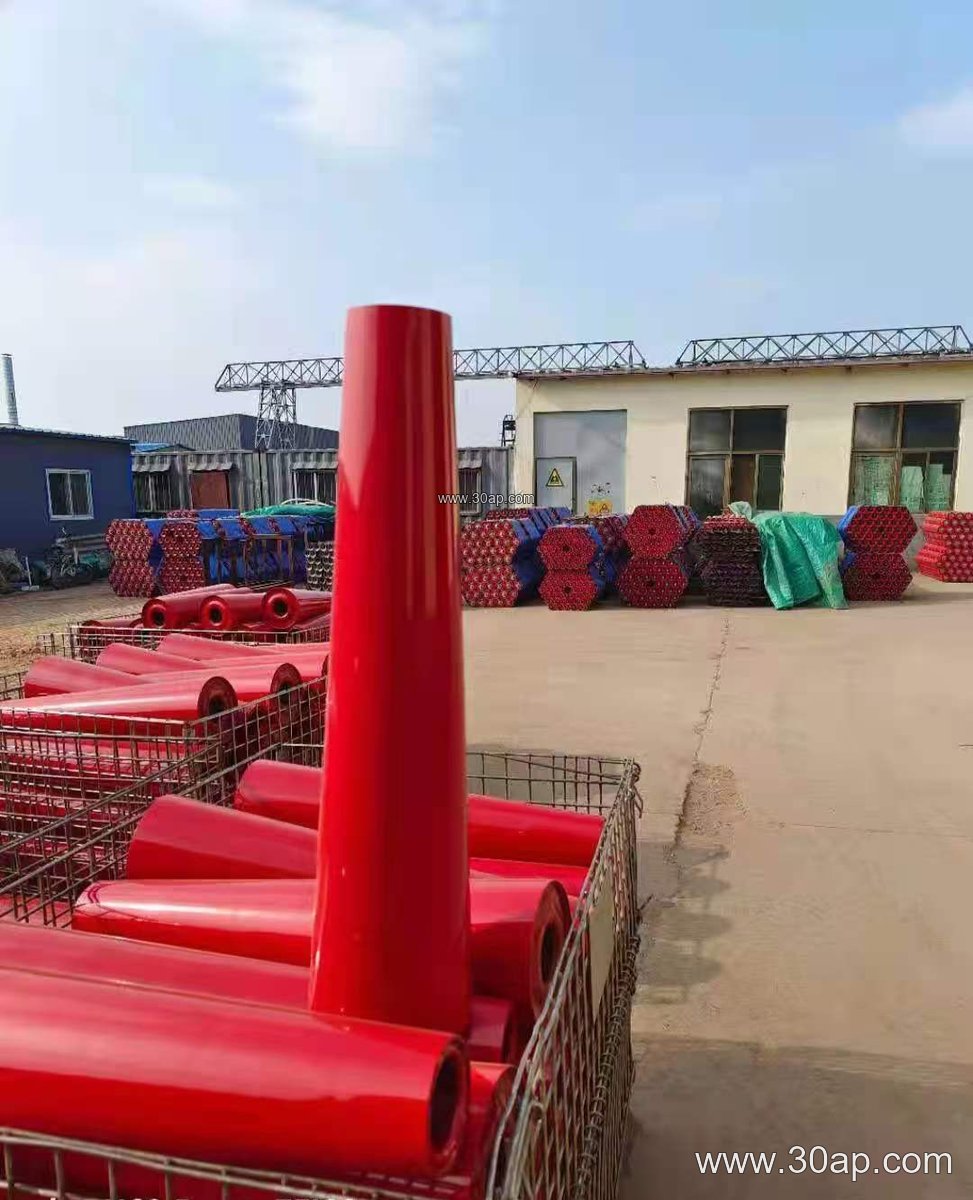
Large belt conveyor idlers are commonly selected by roller diameter, belt width, trough angle, and roll length. The table below gives common reference values, not a mandatory matching rule. Actual roll length depends on belt width, trough angle, and the idler set design, and side rolls may differ from the center roll.
| Reference item | Common values |
|---|---|
| Roller diameter | Ø102, Ø108, Ø127, Ø133, Ø159, Ø178, Ø194, Ø219 mm |
| Belt width | B800, B1000, B1200, B1400, B1600, B1800, B2000 mm |
| Trough angle | 20°, 30°, 35°, 45° |
| Example roll length for three-roll troughing | B800 about 315 mm, B1000 about 380 mm, B1200 about 465 mm, B1400 about 530 mm, B1600 about 600 mm |
| Bearing examples | 6205, 6305, 6306, 6308, 6310 |
These figures are for orientation only. A large belt conveyor idler for a 1200 mm wide conveyor belt is not automatically paired with one shaft diameter; the shaft and bearing are determined by load, speed, and service life targets. Buyers should ask for the idler load rating, seal type, and shell thickness rather than assuming a size from belt width alone.
What Buyers Should Check
- Confirm the belt width and trough angle, then verify the roll length and mounting dimensions with the conveyor bracket.
- Ask about bearing size and seal arrangement for the actual environment, especially in coal mining conveyor belt systems where dust and moisture are present.
- Check the roller surface: plain steel for general service, rubber rings for impact zones, ceramic or nylon where material sticking is a problem.
- Review the idler spacing and load rating with the conveyor designer, because large idlers carry more weight per roll.
- Keep spare idlers matched to the installed set, and do not substitute a drive pulley or tail pulley specification for an idler specification.
For anyone sourcing through a bulk handling supplier, the practical approach is to treat the large belt conveyor idler as a wear part with a defined duty. The right choice balances roller diameter, bearing quality, sealing, and surface form against the actual conveyor duty, whether that is a quarry conveyor belt line, a cement plant, or a power plant coal yard.