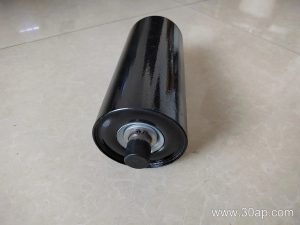
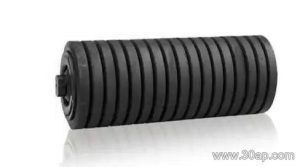
What a Custom Conveyor Pulley Is and Why It Matters
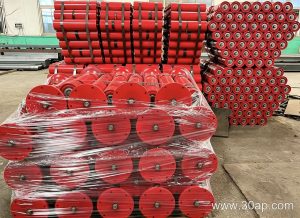
A custom conveyor pulley is a engineered drum that drives, tensions, or redirects a conveyor belt in bulk material handling systems. Unlike off-the-shelf units, it is built to match specific belt width, load conditions, and environmental demands. In a quarry or a cement plant, the pulley must endure abrasive dust and constant tension, so a standard model often falls short. That is where customization becomes essential. Whether you need a drive pulley for a primary crusher line or a tail pulley for a long overland conveyor, the design must align with the entire conveyor system, including the conveyor belt and idler rollers.
Construction and Key Components
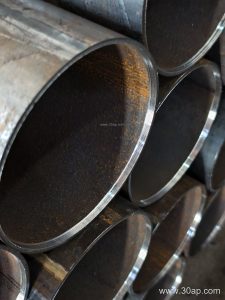
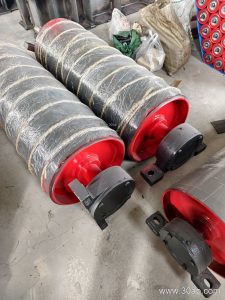
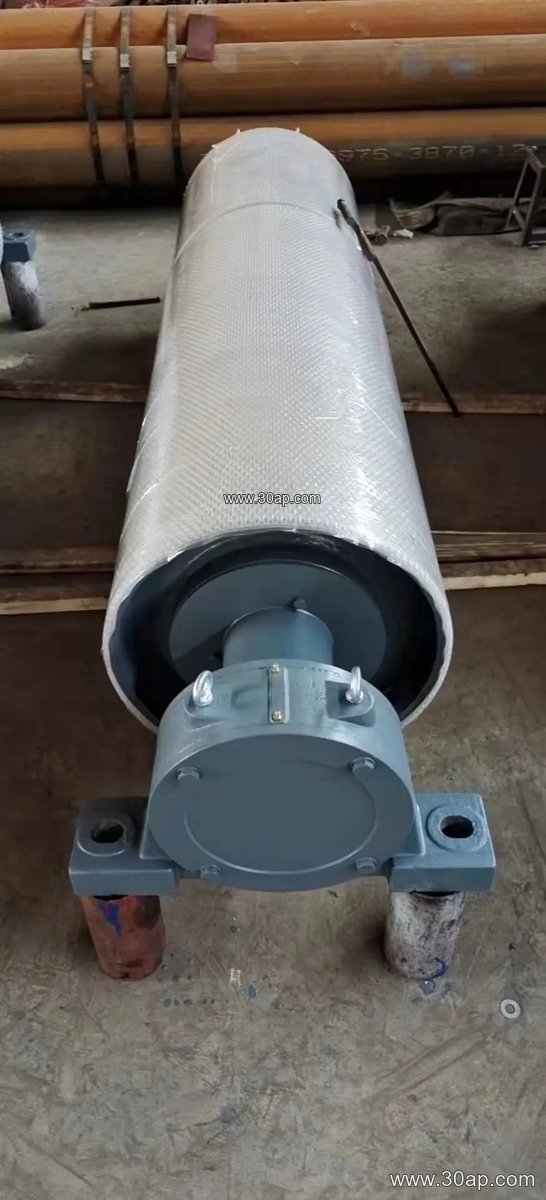
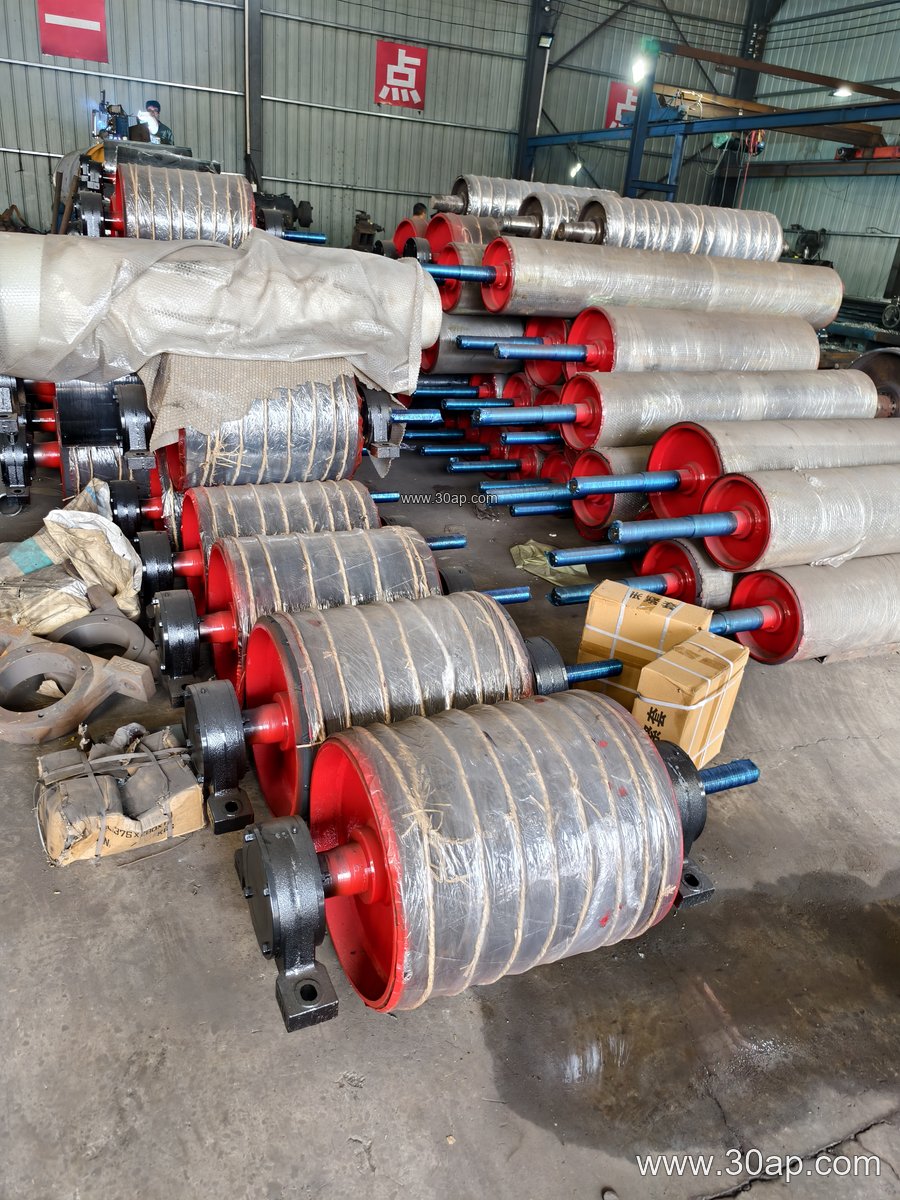
A typical custom conveyor pulley consists of a cylindrical shell, shaft, hubs, and end discs. The shell can be made from seamless steel tube or rolled plate, with machining to ensure concentricity. Surface options include plain finish, rubber lagging (cold-bonded or hot-vulcanized), diamond pattern, herringbone, or ceramic lagging. Lagging thickness commonly ranges from 8 mm to 20 mm, depending on traction requirements. The shaft diameter is determined by torque and bending loads, not simply by belt width. Common shaft sizes include Ø50, Ø80, Ø120, and Ø160 mm, but each design is calculated individually. Bearing housings and locking assemblies are selected to suit the load and maintenance preferences. For corrosive or food-grade environments, special coatings and stainless steel components may be specified.
Types and Their Roles
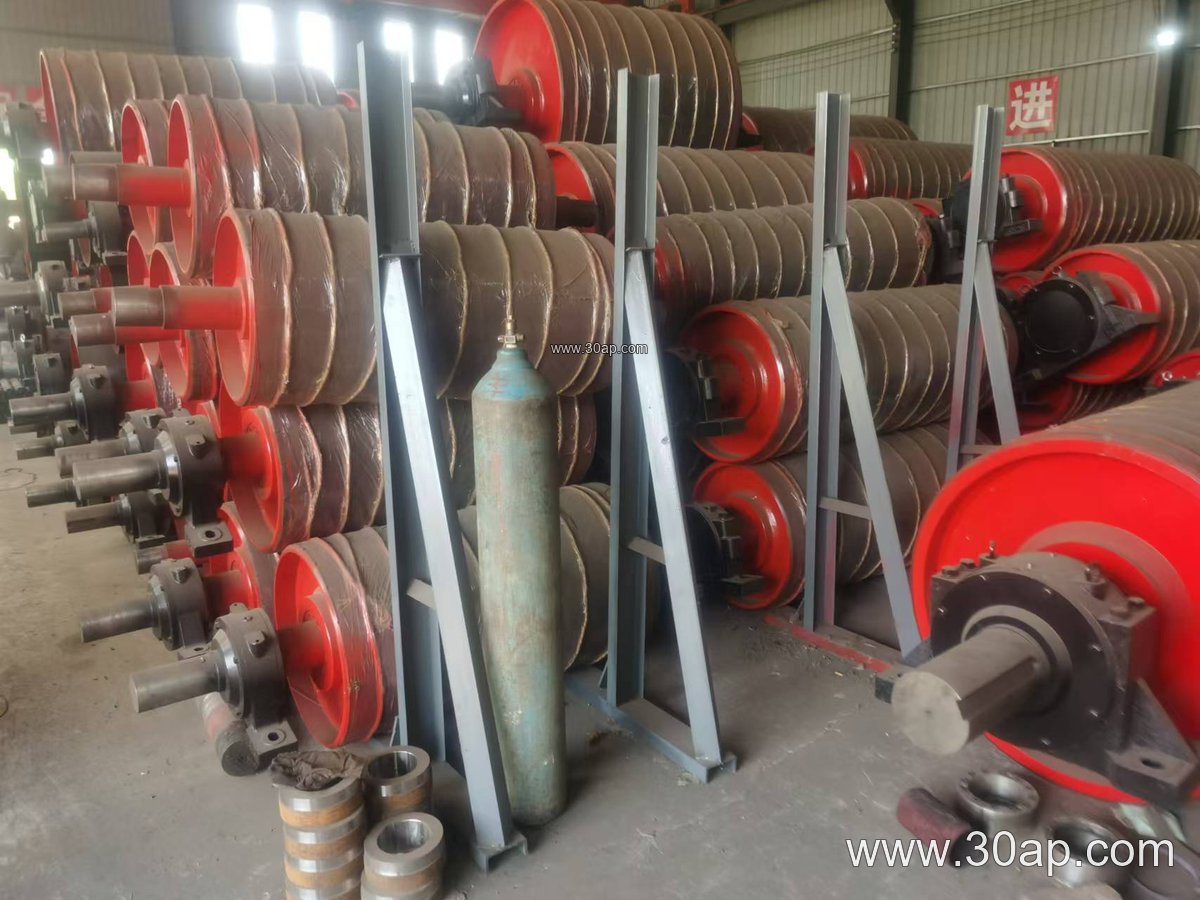
Custom conveyor pulleys are categorized by function. Drive pulleys transmit power to the belt and are often lagged for grip. Tail pulleys at the return end maintain belt tension and may be self-cleaning. Bend pulleys change belt direction in tensioning systems, while take-up pulleys adjust slack. Each type has distinct design priorities. For example, a drive pulley in a coal mining conveyor might use diamond lagging to shed debris, whereas a bend pulley in a sand and gravel plant could have a plain surface to reduce buildup. Note that drive, tail, and bend pulleys are not interchangeable; their placement and load profiles differ significantly.
Applications Across Industries
In the aggregate industry, custom conveyor pulleys are found in crusher discharge conveyors, where shock loads and abrasion are severe. A quarry conveyor belt often operates in wet or dusty conditions, requiring sealed bearings and robust lagging. In cement plants, pulleys handle clinker and raw meal, often with heat-resistant belts. Power plants use them in coal handling systems, where flame retardant properties are critical. Other sectors include steel mills, fertilizer plants, and port bulk terminals. The common thread is the need for a pulley that fits the belt width, load profile, and environmental challenges of the site.
Specification and Selection Guidance
When specifying a custom conveyor pulley, several parameters must be defined. Belt width is a starting point; the pulley face width is usually slightly wider than the belt. For instance, a B800 belt typically pairs with a pulley face of about 950 mm, but this is not a fixed rule. Diameter selection depends on belt speed, tension, and available space. Common diameters range from Ø200 mm to Ø1800 mm. The table below lists typical combinations, but they are examples only—not mandatory pairings.
| Belt Width (mm) | Pulley Face Width (approx. mm) | Common Diameter Range (mm) |
|---|---|---|
| B500 | 600 | Ø250–Ø500 |
| B800 | 950 | Ø315–Ø800 |
| B1000 | 1150 | Ø400–Ø1000 |
| B1200 | 1400 | Ø500–Ø1250 |
| B1400 | 1600 | Ø630–Ø1400 |
| B1600 | 1800 | Ø800–Ø1600 |
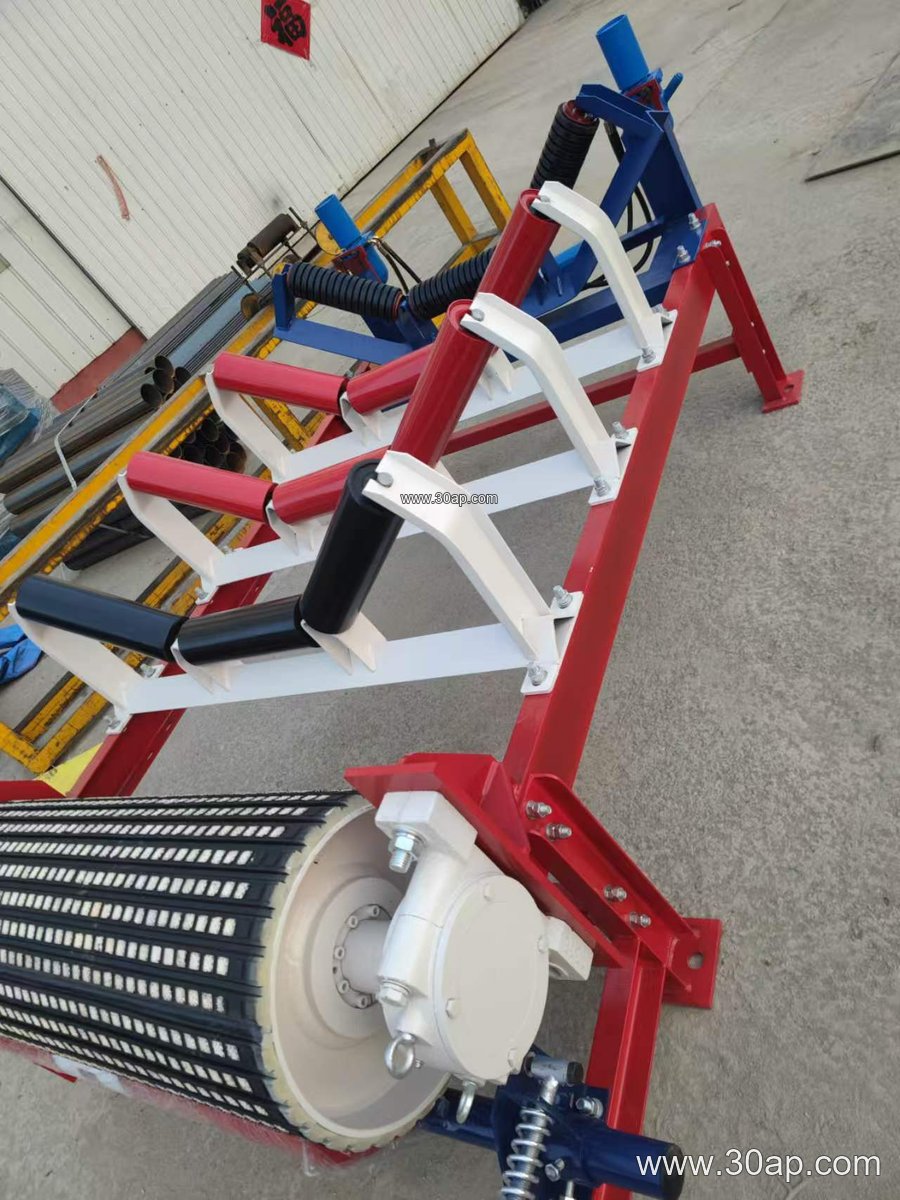
Surface selection is equally important. Rubber lagging improves friction and reduces belt slip, especially on drive pulleys. Ceramic lagging offers superior wear resistance in high-abrasion settings. The right choice depends on the belt type—an EP conveyor belt may require different lagging than a steel cord belt. Also consider the conveyor bracket and take-up system to ensure proper fit and alignment.
Buyer Checklist for Custom Pulley Orders
- Confirm belt width, speed, and maximum tension.
- Provide shaft load data and bearing life expectations.
- Specify lagging type and thickness based on environment.
- Clarify balancing requirements and surface finish.
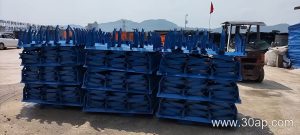
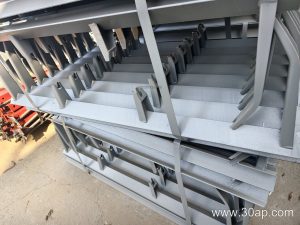
- Check compatibility with existing conveyor brackets and structure.
- Consider maintenance access and replacement strategy.
Working with a supplier who understands the entire conveyor system—including the conveyor pulley’s interaction with the belt and idler roller—helps avoid costly downtime. A well-designed custom pulley can extend belt life and improve overall efficiency in any bulk handling operation.