What the ST3150 Conveyor Belt Is
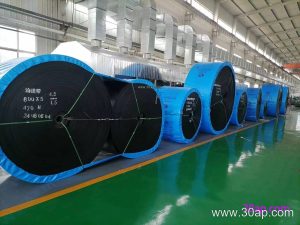
The ST3150 Conveyor Belt is a steel cord conveyor belt with a nominal tensile strength of 3150 N/mm per unit width. It sits at the upper end of the steel cord range, above ST2500 and well beyond common ST1000, ST1250, ST1600 and ST2000 constructions. When a conveyor must move large tonnages over long distances with few transfer points, this Steel Cord Conveyor Belt is often the belt class engineers examine first.
It is not a fabric belt. An EP Conveyor Belt or NN Conveyor Belt carries load through woven plies, while a steel cord belt carries it through parallel brass-coated wires embedded in rubber. That difference matters in mining, cement, power and port applications where belt width, tonnage and center distance all push against the limits of fabric construction.
Construction and Internal Layout
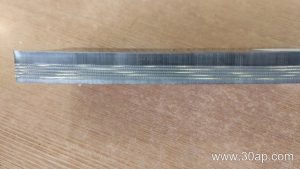
The core of an ST3150 belt is a single layer of high-tensile steel cords, spaced evenly across the width and tensioned during manufacture. Rubber compounds surround the cords on both faces, with a thin core rubber between and around them to bond the assembly. Top and bottom cover rubber then protect the carcass from the material being carried.
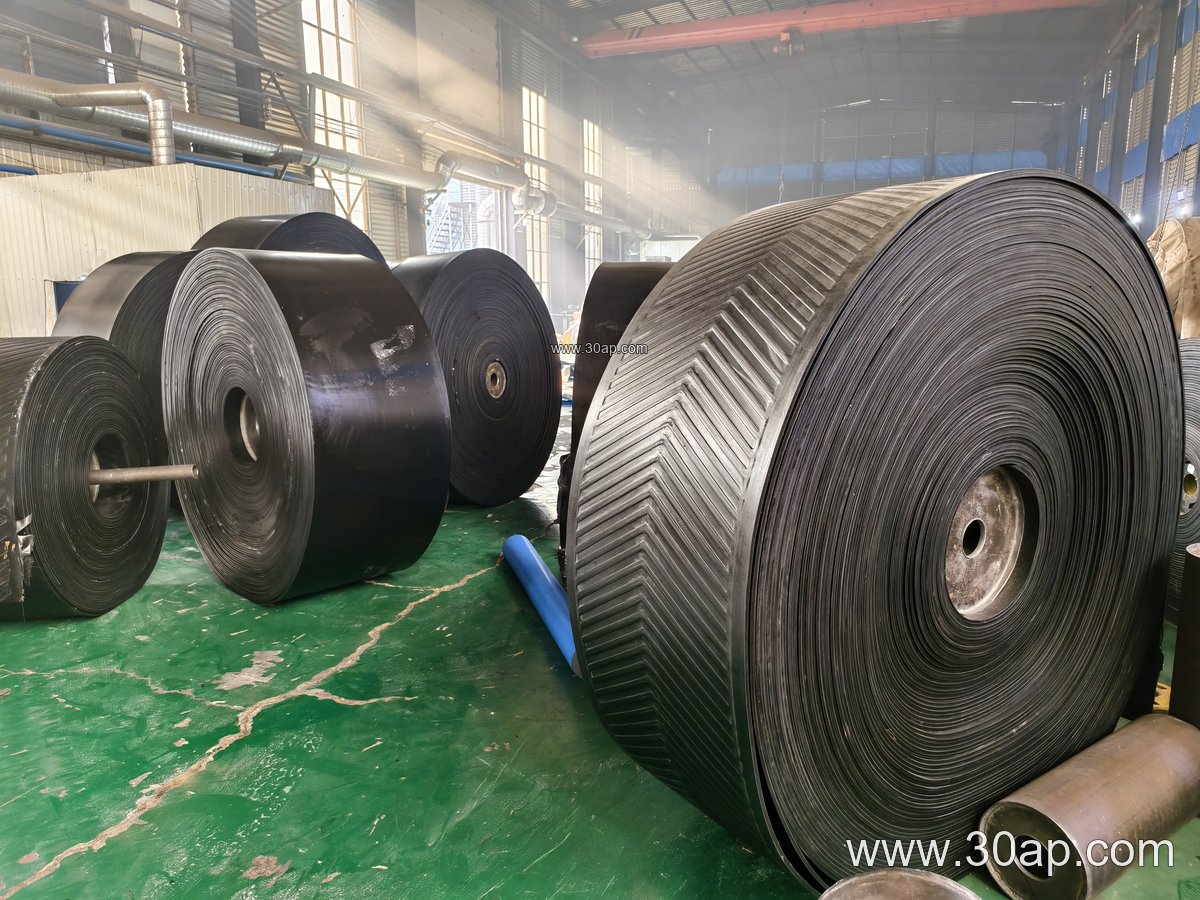
- Carcass: steel cords arranged in one plane, oriented along the belt length
- Core bonding rubber: cushions the cords and prevents wire-to-wire contact
- Top cover: receives the impact and abrasion from the load
- Bottom cover: runs against idler rollers and drive pulleys
- Splice zone: usually joined on site by hot vulcanization into a stepped or finger splice
Cover grades can be selected for the duty. Abrasion Resistant Conveyor Belt compounds suit crushed rock and ore, Heat Resistant Conveyor Belt grades handle clinker or sinter, and Flame Retardant Conveyor Belt or Anti-Static Conveyor Belt versions are used where fire and static control are part of the site rules.
Where It Fits in a Plant
High-strength steel cord belts are common on main haulage lines. Typical settings include:
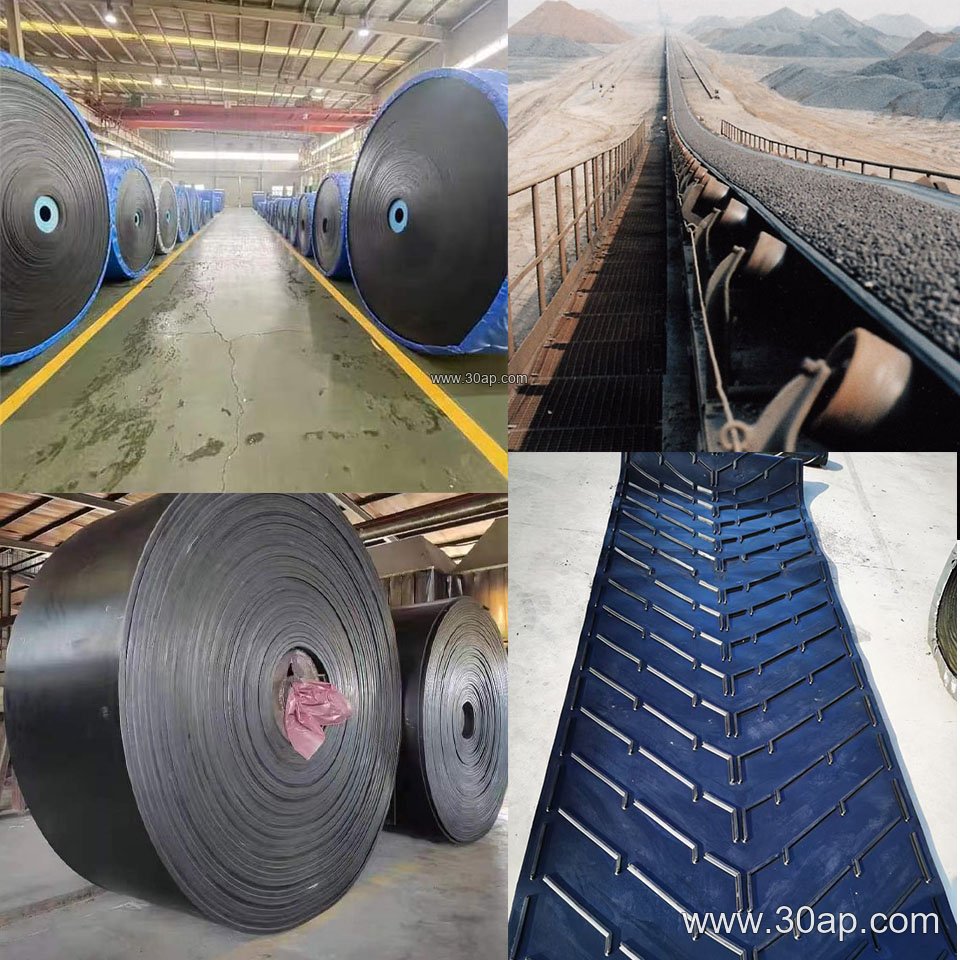
- Mining Conveyor Belt duties in iron ore, copper ore and gold mining operations
- Coal Mining Conveyor Belt and Underground Coal Mining Conveyor Belt installations
- Cement plant lines carrying limestone, clinker and raw meal
- Power plant coal handling and ship loading systems at ports
- Quarry Conveyor Belt and Aggregate Conveyor Belt circuits with long lifts
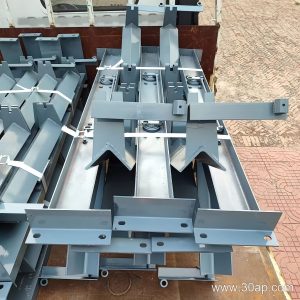
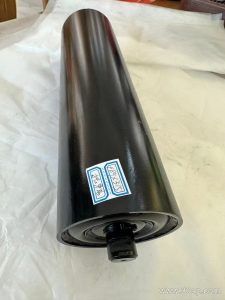
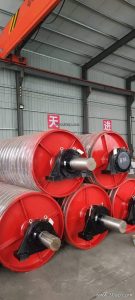
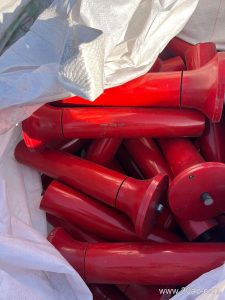
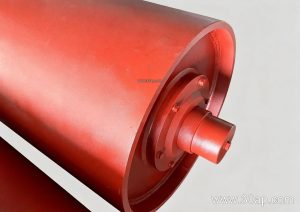
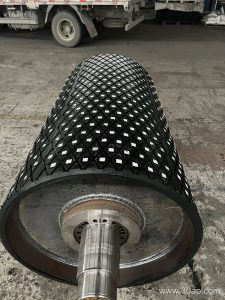
On these routes the belt works with conveyor pulleys at the head and tail, idler rollers along the carry and return strands, and conveyor brackets that hold the structure together. A bend pulley may redirect the return strand, while the drive pulley transmits the full tension. Each of these parts has its own load rating; the ST3150 belt does not make them interchangeable, and a large belt width does not by itself dictate one shaft diameter or one pulley size.
Reference Dimensions and Belt Data
The values below are typical reference points, not a fixed supply list. Actual figures follow the conveyor design and the manufacturer’s data sheet.
| Item | Common reference range |
|---|---|
| Belt type | Steel Cord Conveyor Belt, ST3150 |
| Nominal strength | 3150 N/mm |
| Belt width | B800, B1000, B1200, B1400, B1600, B1800, B2000 |
| Cover thickness | 6+2 mm, 8+3 mm, and other combinations by design |
| Cover grade | Abrasion resistant, heat resistant, flame retardant, anti-static, cold resistant |
| Splice | Vulcanized stepped splice, executed to the belt maker’s procedure |
Wider belts such as 1800mm Wide Conveyor Belt or 2000mm Wide Conveyor Belt versions are chosen when tonnage per hour is high; a narrower B800 or B1000 belt can still use the same cord class if the tension calculation supports it. Cover thickness and compound are selected from the material: sharp, hot or oily cargo each calls for a different cover.
Selection Points for Buyers
Start with the duty. Confirm the peak tonnage, the material lump size and temperature, the conveyor length and incline, and the available take-up travel. Then check the calculated belt tension against the cord class, allowing for starting and stopping loads. Review the pulley diameters with the belt supplier, since cord fatigue depends on how sharply the belt bends around each conveyor pulley.
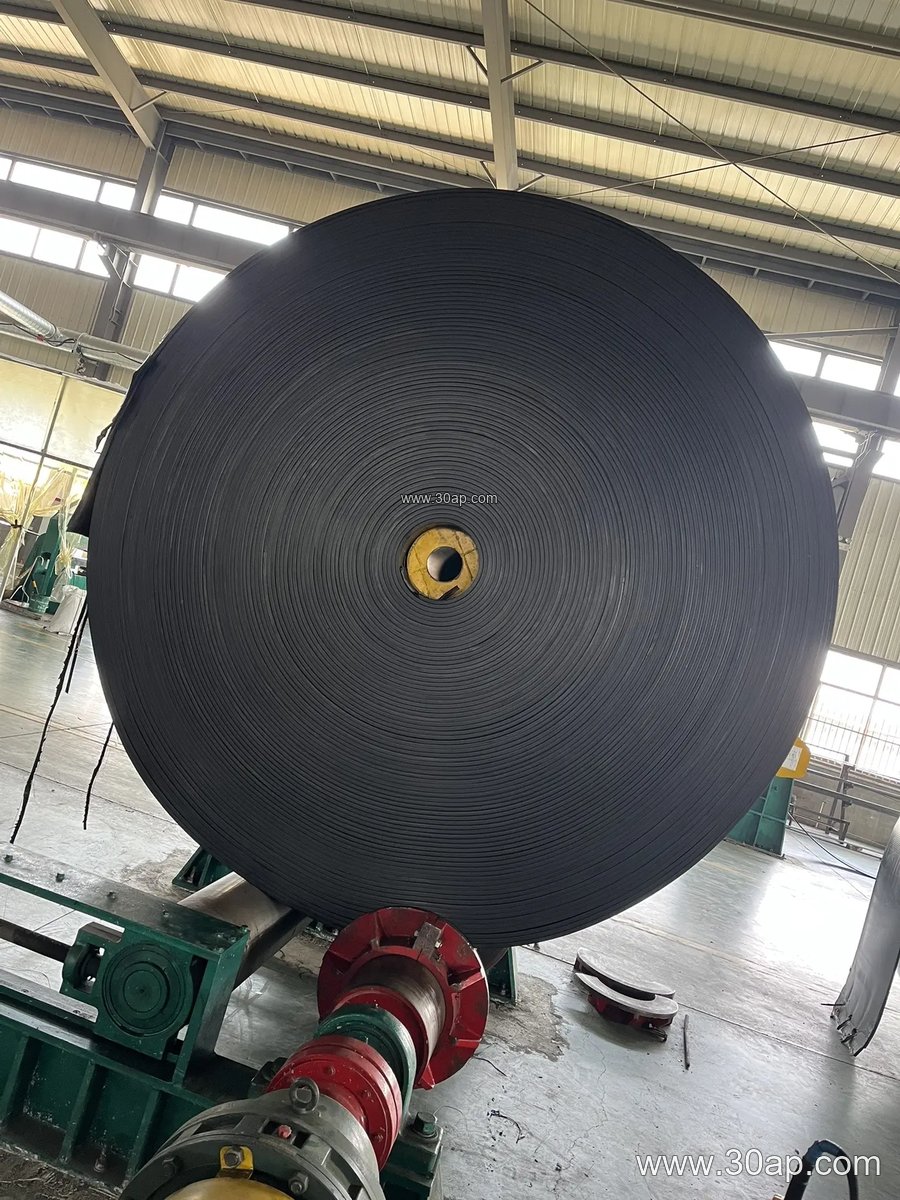
Ask for the splice method and the field splicing plan. A high-strength belt is only as good as its joint, and the wrong cure cycle or step length can reduce joint efficiency. Also confirm cover grade documentation, edge condition and delivery length, because long routes may need several rolls joined on site.
Handling and Maintenance Notes
Store rolls on a clean, dry surface and avoid sharp bends during lifting. During operation, watch for cord exposure at the edges, cover gouges and splice separation. Keep idler rollers turning freely and check that the belt tracks centrally on the pulleys; misalignment concentrates stress and shortens cord life. For heavy-duty mining conveyor belt service, a planned inspection interval is more useful than reacting after a failure.
For related components such as the Rubber Conveyor Belt range, idler roller sets and conveyor pulley assemblies, match each item to the same duty class as the ST3150 belt so the whole line works as one system. Detailed data should always come from the current product sheet and the conveyor design calculation.