What an Extra-Wide Conveyor Belt Is
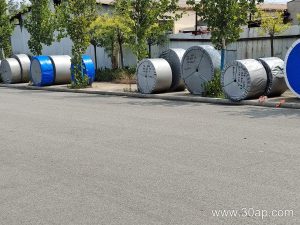
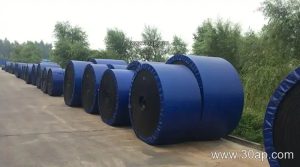
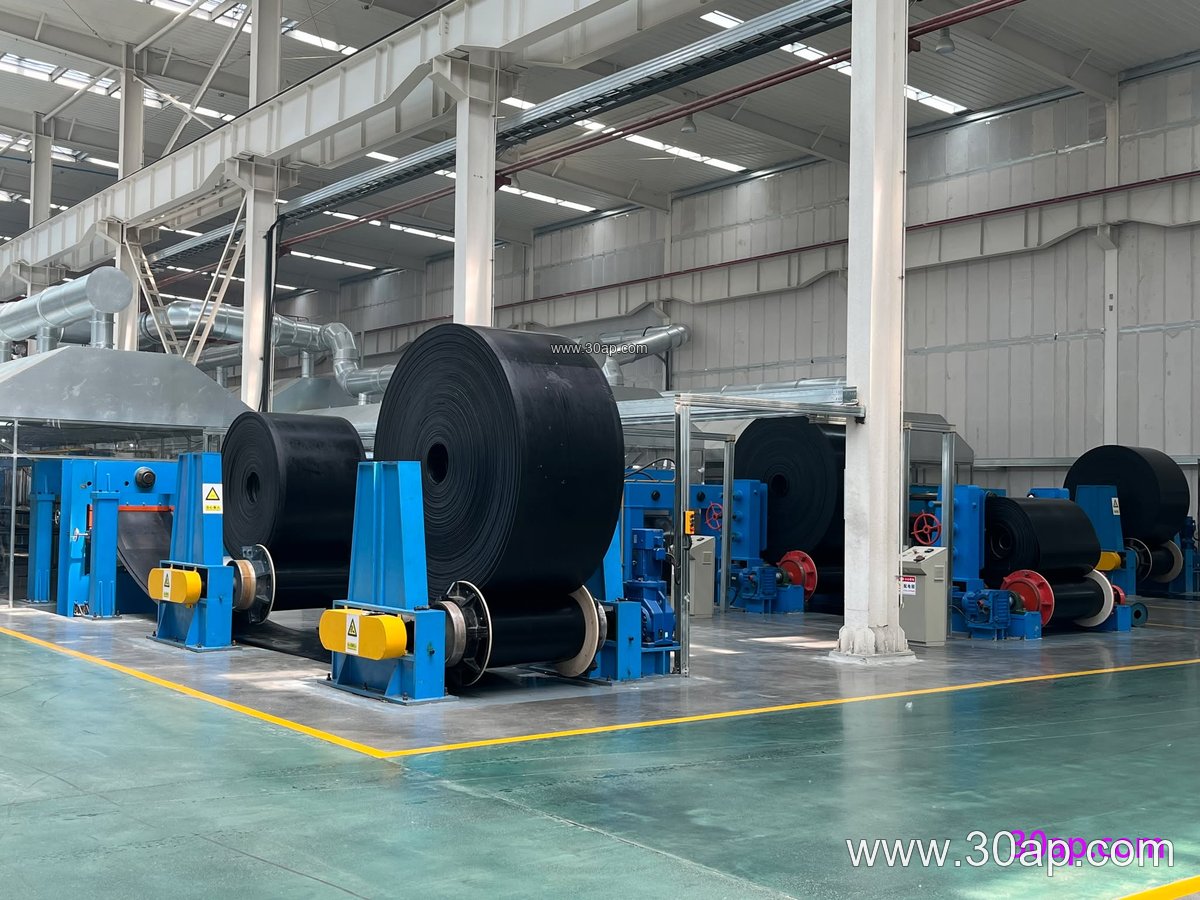
An extra-wide conveyor belt is a heavy-duty belting product built with a large cross-sectional width, typically supplied in formats such as B1600, B1800, B2000, and similar ranges, so that a single conveyor line can carry a very high volume of bulk material. Instead of running two or three narrower belts in parallel, plant designers can use one wide belt to simplify the transfer points, reduce the number of drives, and keep the material stream stable across the full length of the conveyor.
The product is not simply a scaled-up version of a standard belt. Wider belts experience different stress distribution across the carcass, and the manufacturer must control flatness, edge straightness, and splice quality carefully so the belt tracks correctly on the conveyor pulleys and does not drift against the frame.
Construction and Core Options
Most extra-wide belts use a fabric core or a steel cord carcass. Fabric constructions such as an EP conveyor belt or an NN conveyor belt are common when the belt is wide but the duty is moderate to heavy. Multi-ply fabric core designs with 2 to 6 plies are frequently specified for large widths, because several plies help distribute load across the full belt surface. For very long runs or extremely high tension, a steel cord conveyor belt is often chosen instead.
Cover rubber is selected according to the cargo and the environment. Common cover gauges include 4+2 mm, 5+2 mm, 6+2 mm, and 8+3 mm, and the top cover is usually thicker than the bottom cover because it carries the impact and abrasion. Specialty grades include abrasion resistant, heat resistant, oil resistant, flame retardant, anti-static, cold resistant, and acid resistant compounds. A flame retardant conveyor belt is often requested for coal handling and enclosed plants, while a heat resistant conveyor belt suits cement clinker and sintered material.
Edge treatment matters more on a wide belt. Skirted conveyor belt designs, corrugated sidewall conveyor belt profiles, and chevron conveyor belt surfaces can be applied when the application requires material containment or an inclined path, but these are separate product forms and should be evaluated as their own specification rather than assumed for every wide belt.
Typical Industries and Duty
Extra-wide belting is widely used in mines, coal preparation plants, cement works, power stations, steel plants, ports, and large sand and gravel yards. In a quarry conveyor belt line, a wide belt can receive crushed rock directly from a crusher discharge and move it to a screening tower. Port and ship loading systems use wide belts to move bulk material at high tonnage per hour. Coal mining conveyor belt systems and underground coal mining conveyor belt installations often combine width with flame resistance and anti-static properties.
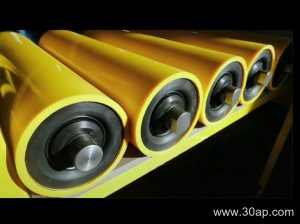
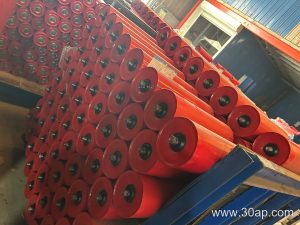
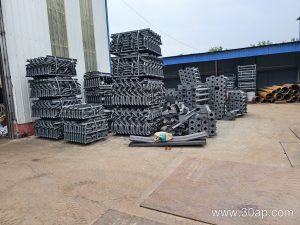
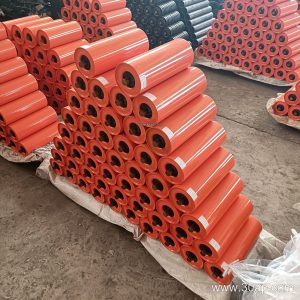
Because the belt is wide, the supporting structure must also be robust. Idler roller spacing, conveyor pulley face width, and conveyor bracket alignment all influence belt life. A misaligned idler roller or a worn conveyor pulley can cause edge damage on a wide belt faster than on a narrow one, so maintenance checks should include the full width of the frame.
Common Reference Ranges
The table below shows typical reference values only. Actual belt construction, cover thickness, and carcass grade are determined by the conveyor design, the material, and the manufacturer.
- Width references: B1600, B1800, B2000, and wider by design
- Fabric carcass grades: EP200, EP315, EP400, EP500, EP630, EP800, EP1000, EP1250
- Steel cord grades: ST1000, ST1250, ST1600, ST2000, ST2500, ST3150
- Cover gauges: 4+2 mm, 5+2 mm, 6+2 mm, 8+3 mm
- Ply range: usually 2 to 6 layers
- Surface options: plain, chevron, skirted, corrugated sidewall
These values are reference data, not a fixed matching rule. A given belt width does not dictate one pulley diameter or one shaft size; those are calculated from tension, wrap angle, and drive layout.
Buyer Checklist
Before ordering an extra-wide belt, confirm the actual conveyor width, the material lump size and temperature, the required tonnage per hour, and the incline. Ask for the carcass grade, cover compound, cover thickness, and splice method in writing. Check that the conveyor pulley and idler roller arrangement is rated for the belt width, and verify that the frame and conveyor bracket supports are aligned. For a rubber conveyor belt in a dusty or flammable environment, confirm flame retardant and anti-static properties. For food or clean handling, a food grade conveyor belt compound may be relevant, though wide belts are less common in that sector.
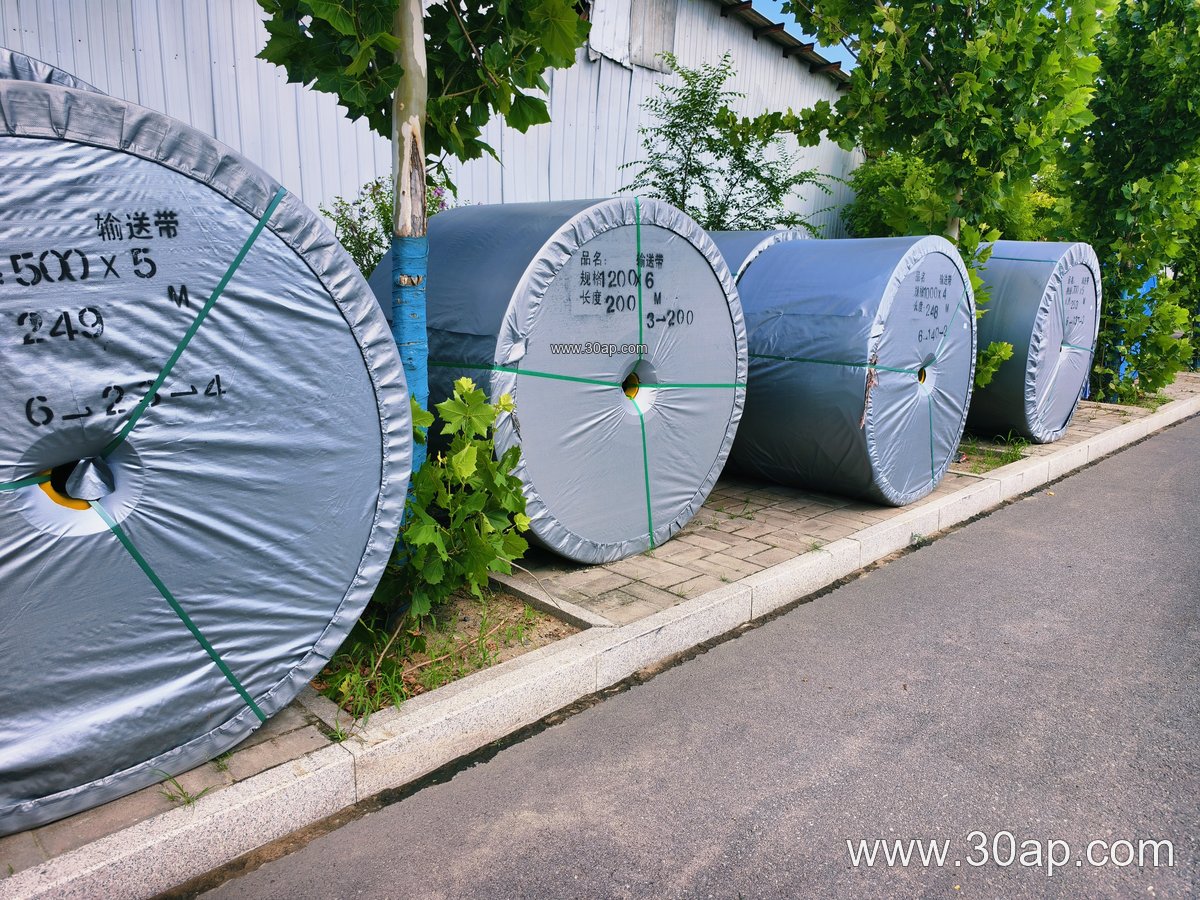
Finally, plan storage and installation. Wide belts are heavy and stiff; they need proper lifting equipment, a flat splicing area, and skilled technicians to keep the splice square. Good installation practice, combined with regular inspection of rollers, pulleys, and edges, is what keeps an extra-wide belt running straight and lasting through years of continuous duty.