What the NN300 Conveyor Belt Is
The NN300 Conveyor Belt is a multi-ply fabric core belt built on nylon (NN) canvas. The number 300 refers to the nominal tensile strength of the carcass, commonly expressed in N/mm, so this grade sits in the upper-middle range of nylon belting. In everyday plant language it is often called an NN300 nylon conveyor belt or simply an NN belt, and it belongs to the wider family of fabric core conveyor belts used across mining, cement, power and aggregate operations.
Where an EP Conveyor Belt uses polyester warp and nylon weft, the NN300 uses nylon in both directions. That choice gives the belt good flexibility, strong resistance to fatigue and a useful ability to absorb shock at loading points, which matters when run-of-mine rock or clinker drops onto the belt from height.
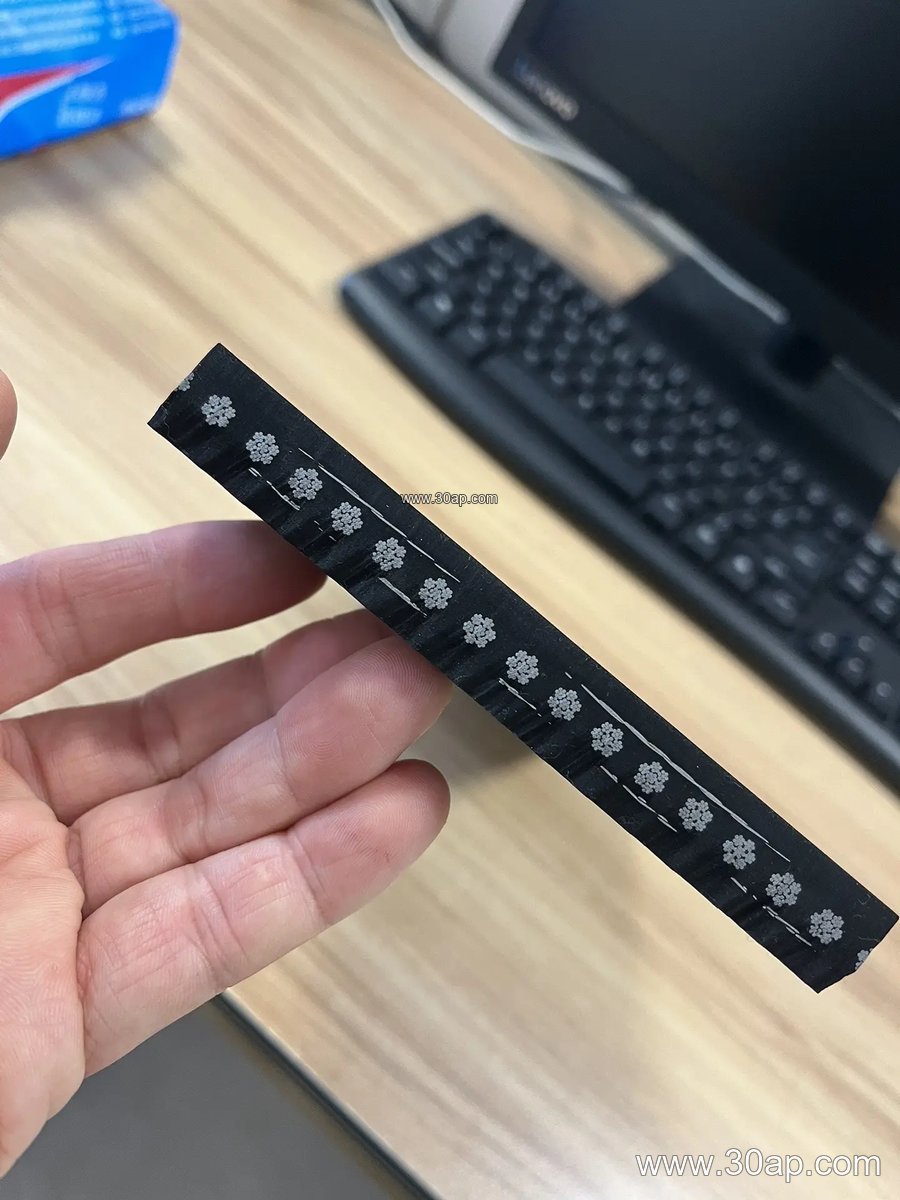
How the Belt Is Built
The carcass is made from multiple plies of nylon fabric bonded together, usually two to six layers depending on the duty. Rubber covers protect the carcass on both sides. The top cover handles abrasion and impact, while the bottom cover runs against idler rollers and drive pulleys. Common cover combinations include 4+2 mm, 5+2 mm and 6+2 mm, though the exact build is decided by the conveyor designer rather than fixed by the belt grade alone.
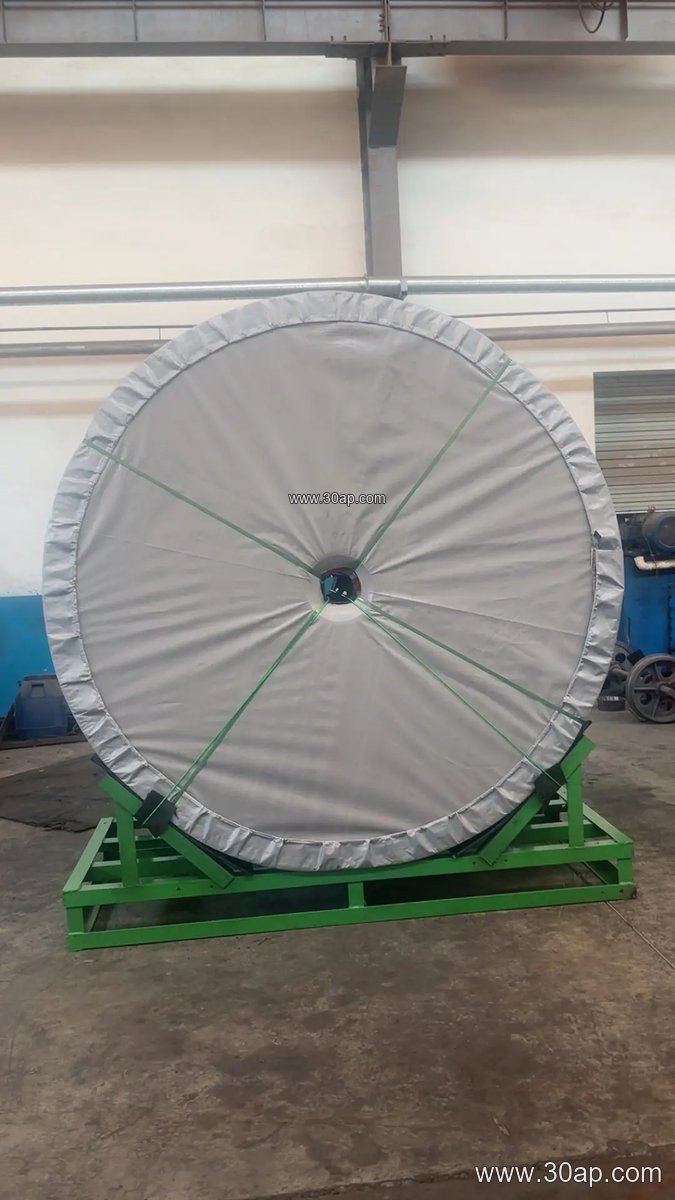
- Nylon fabric plies forming the strength member
- Skim rubber between plies for adhesion
- Top cover for abrasion, impact or heat duty
- Bottom cover for pulley and idler contact
- Optional edge protection and spliced ends
Because the plies are flexible, an NN300 belt can be spliced on site by hot vulcanizing or, in some cases, by mechanical fasteners. For long runs, an Endless Conveyor Belt version made to the exact center distance reduces splice risk.
Strength Grades and Related Types
NN belting is normally offered in a series of grades, and buyers should treat the figures as reference values that vary between manufacturers. The same logic applies to the EP Conveyor Belt range, where grades such as EP200, EP630 and EP1000 describe carcass strength.
| Grade | Common Use |
|---|---|
| NN100 | Light duty, short conveyors |
| NN200 | General bulk handling |
| NN300 | Medium to heavy duty, mining and cement |
| NN400 | Heavy duty, long runs and high tension |
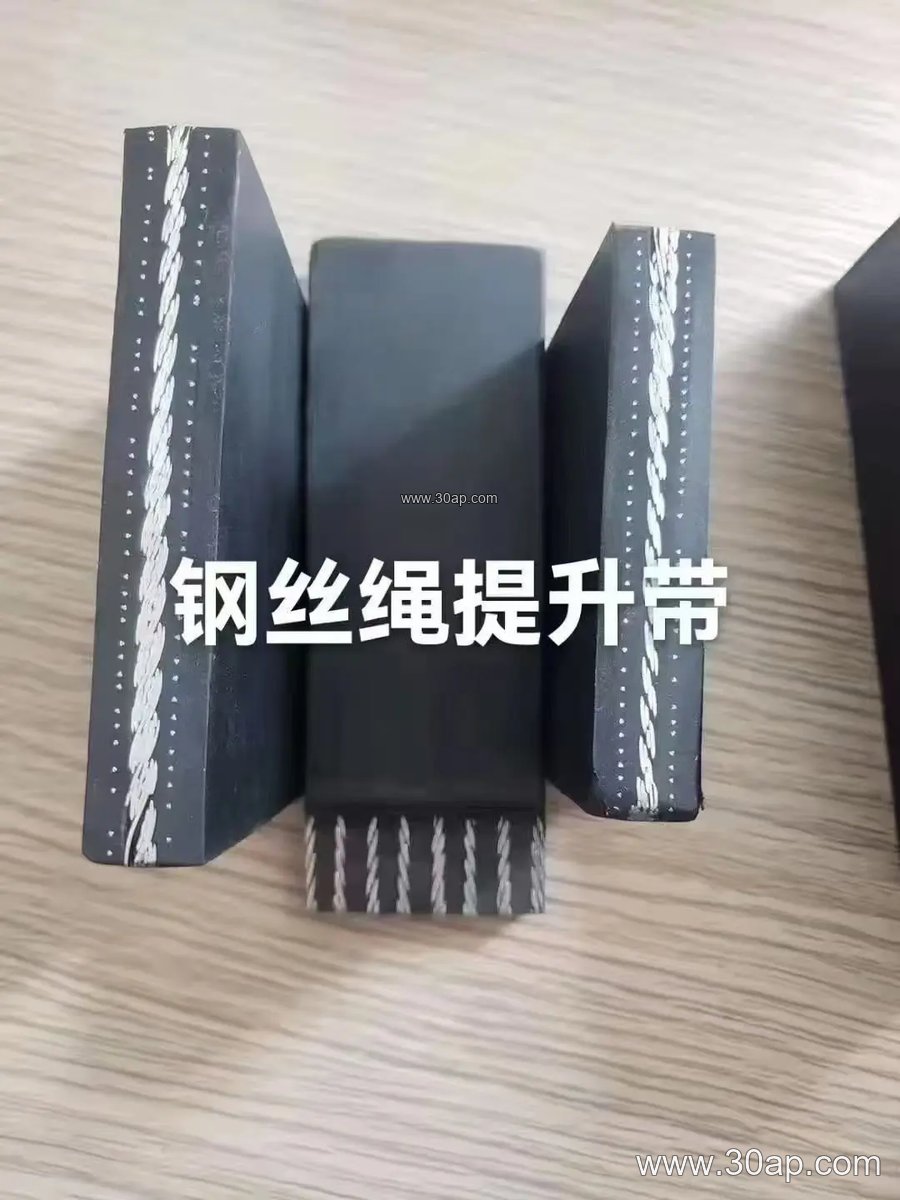
Above the fabric range, a Steel Cord Conveyor Belt offers much higher tension capacity for very long overland systems, but it is a different product and not a substitute for an NN belt on a fabric-core conveyor.
Where NN300 Belting Fits
Typical duties include primary and secondary crushing circuits in a quarry, clinker and limestone transport in a cement plant, coal handling in a power station, and ore conveying in a mine. It also appears in sand and gravel plants, port loading lines and bulk material terminals.
For dusty or explosive atmospheres, a Flame Retardant Conveyor Belt or Anti-Static Conveyor Belt version is often specified, particularly in coal mining conveyor systems. In hot zones such as kiln discharge, a Heat Resistant Conveyor Belt grade is chosen instead of the standard build.
Buyer Checklist
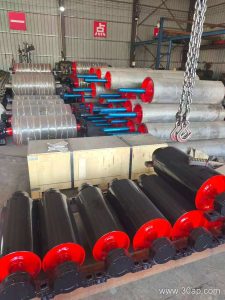
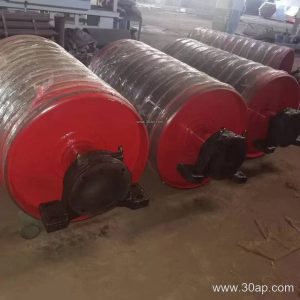
Before ordering, confirm the required belt width, the number of plies, cover thickness and the tension the drive must pull. Standard widths include B650, B800, B1000, B1200 and B1400, with wider sizes available for large systems. The belt width does not dictate a single pulley diameter; drive, tail and bend pulleys are sized from tension, wrap angle and carcass thickness, and they are separate components with separate duties.
- Confirm carcass grade and ply count
- State top and bottom cover thickness
- Check ambient and material temperature
- Confirm oil, chemical or abrasion exposure
- Decide on spliced or endless supply
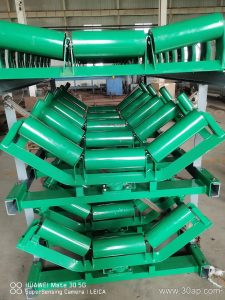
- Match belt to pulley and idler roller layout
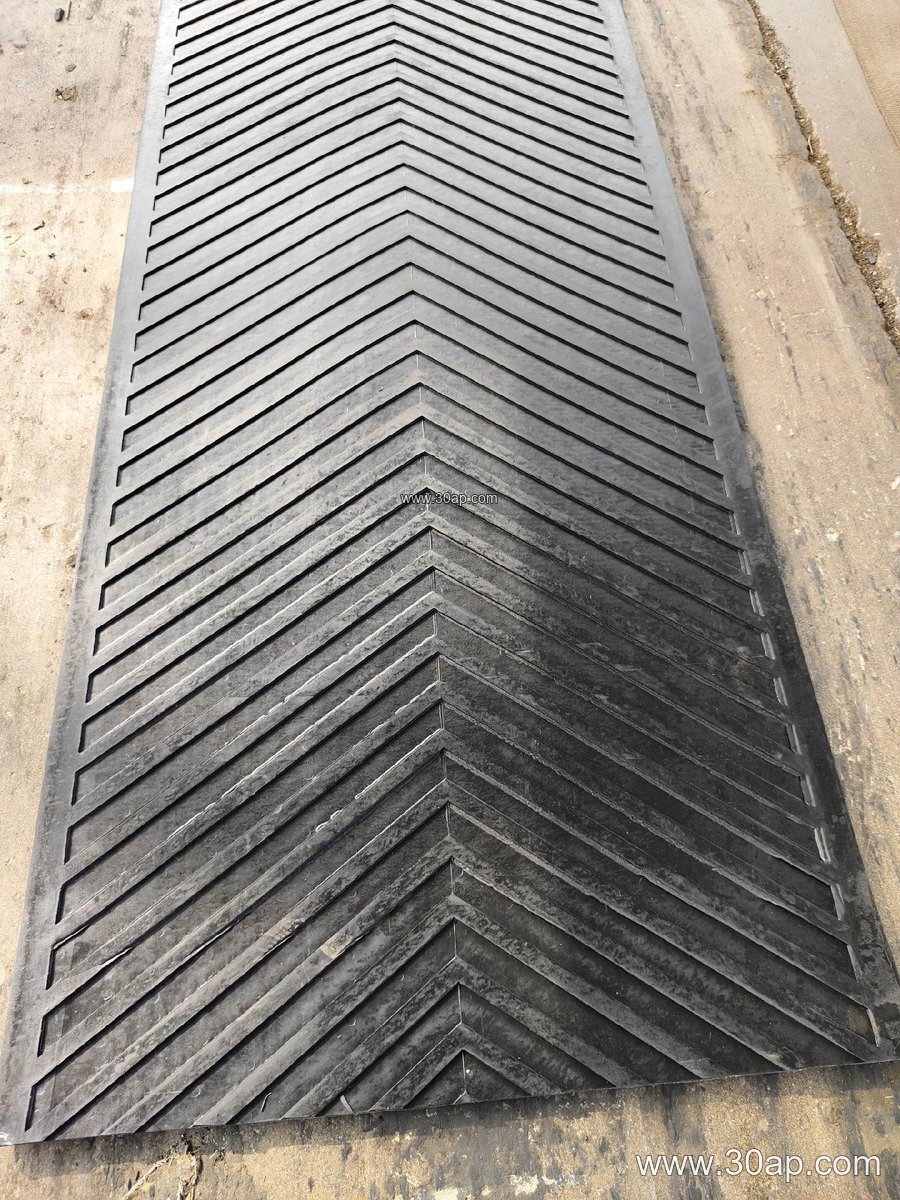
Routine checks of the belt edge, splice and cover wear, together with correct training of the belt on its conveyor pulley and idler roller set, will extend service life more than any single specification choice. For specialist duties, suppliers may offer a Chevron Conveyor Belt or Corrugated Sidewall Conveyor Belt to handle steep inclines, but these are separate designs from the flat NN300 belt.